A Complete Unknown has generated significant buzz for its portrayal of legendary musician Bob Dylan and the pivotal moments that shaped his early career. Directed by James Mangold and starring Timothée Chalamet, the film explores Dylan’s rise in the 1960s folk scene and the controversies surrounding his artistic evolution.
While the narrative captures key events from Dylan’s life, the film’s ending has sparked discussion among viewers. Rather than offering a straightforward conclusion, A Complete Unknown leans into ambiguity, reflecting Dylan’s enigmatic persona. The final moments focus less on resolution and more on what his journey represents.
For audiences wondering what the ending truly means, it helps to look beyond the surface and understand the themes of identity, reinvention, and artistic freedom that define the story.
What Happens in the Ending of A Complete Unknown?
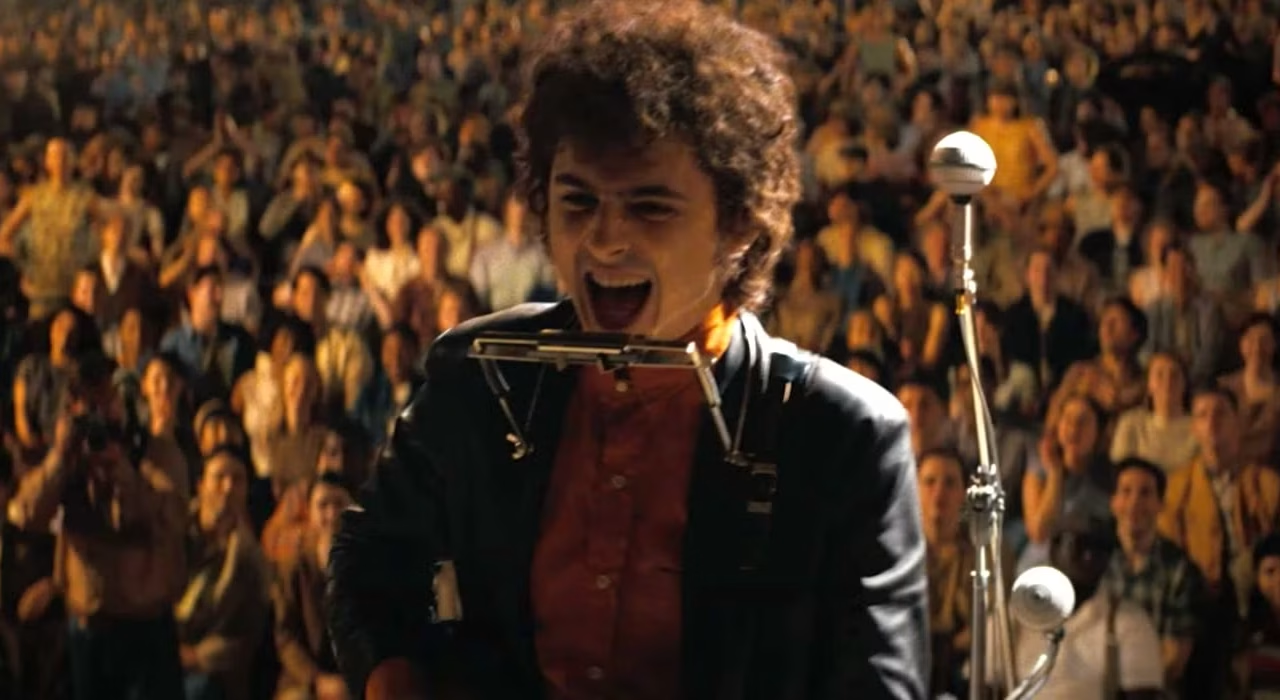
The film builds toward a critical turning point in Bob Dylan’s career, widely associated with his shift from traditional folk music to a more experimental, electrified sound. This transition, famously met with mixed reactions from fans, serves as the emotional and thematic climax of the story.
In the final scenes, Dylan chooses to embrace change despite criticism and uncertainty. Rather than conforming to expectations, he moves forward with his artistic vision, even if it risks alienating his audience. The film presents this decision as both liberating and isolating.
Instead of tying everything together neatly, the ending leaves viewers with a sense of ongoing evolution. Dylan is not portrayed as reaching a final destination, but rather continuing a journey defined by constant reinvention.
At its core, the ending of A Complete Unknown is about identity and self-expression. Bob Dylan’s decision to break away from the folk tradition symbolizes a broader theme of refusing to be defined by external expectations. The film emphasizes that true artistry often involves risk and uncertainty.
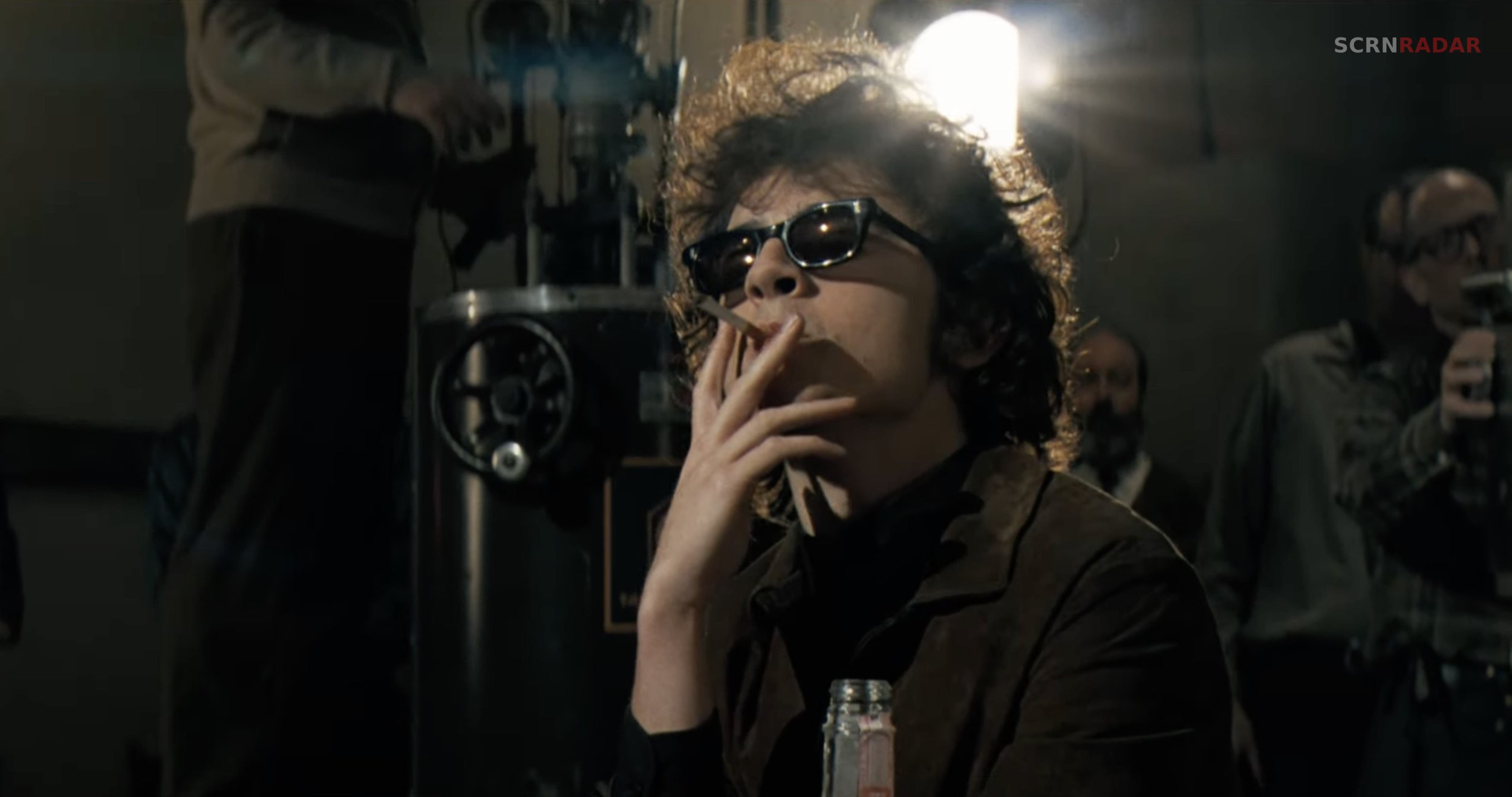
The title itself reflects this idea. Dylan remains “a complete unknown” not because of a lack of fame, but because his identity is always shifting. He resists being fully understood, even by those closest to him.
This ambiguity is intentional. By avoiding a clear-cut resolution, the film mirrors Dylan’s real-life persona, which has long been characterized by mystery and unpredictability.
How the Ending Connects to Real-Life Events
The film’s conclusion draws heavily from real events in Dylan’s career, particularly his controversial performances in the mid-1960s. His decision to go electric, most notably at the Newport Folk Festival, marked a turning point that divided audiences and critics.
In reality, this moment became one of the most defining chapters of Dylan’s legacy. It demonstrated his willingness to evolve artistically, even at the cost of public approval. The film uses this event to anchor its narrative, grounding its themes in historical context.
By aligning its ending with these events, A Complete Unknown reinforces its central message. Dylan’s journey is not about pleasing others, but about staying true to his creative instincts.