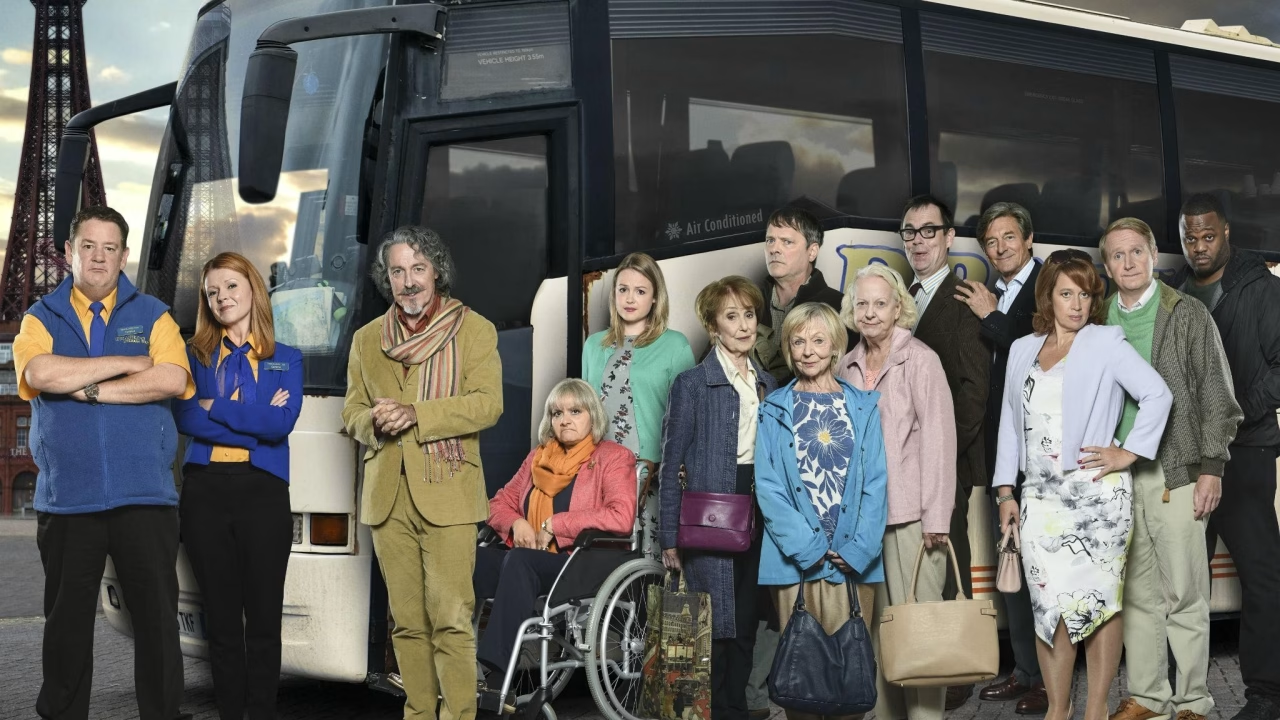
“Murder on the Blackpool Express” stands out as a uniquely British blend of comedy and mystery, led by Johnny Vegas and Sian Gibson. While the film’s humor and performances are a major draw, its filming locations play an equally important role in shaping its tone. The story follows a coach trip to Blackpool that takes a dark turn, making the setting crucial to both the narrative and atmosphere. Naturally, viewers are curious about where the film was actually shot and how these locations contribute to its authenticity.
The production leans heavily on real UK locations to create a grounded yet entertaining backdrop. Instead of relying on studio sets, the film captures the charm of British seaside towns and countryside routes. This approach enhances the story’s realism while also adding visual variety. Let’s break down the key filming locations used in “Murder on the Blackpool Express” and how they bring the story to life.
Blackpool: The central setting that defines the film’s identity
As the title suggests, Blackpool serves as the primary destination and one of the most recognizable locations in the film. The iconic seaside town in Lancashire is known for its vibrant promenade, amusement attractions, and historic charm. Several exterior shots capture the essence of Blackpool, helping establish the setting as both lively and slightly chaotic, which fits the film’s tone perfectly.
The use of real Blackpool locations adds authenticity to the story’s premise of a coach trip gone wrong. Viewers familiar with the town can easily recognize elements like the seafront and classic British holiday visuals. These details ground the otherwise exaggerated comedy in a believable environment. At the same time, the setting provides a nostalgic backdrop that enhances the film’s appeal.
Blackpool’s visual identity also contrasts effectively with the darker elements of the murder mystery. The bright, cheerful environment makes the unfolding events feel even more absurd and engaging. This contrast is a key part of the film’s charm and helps maintain its unique tone.
Heritage railways and countryside routes add depth to the journey
Although the story revolves around a coach trip, the film also incorporates scenic countryside locations that give the narrative a broader visual scope. Parts of the filming took place along rural routes, showcasing the English countryside’s natural beauty. These sequences help break up the urban setting and add variety to the film’s visuals.
Heritage railway elements were also used to enhance the storytelling, particularly in scenes that required a more classic or nostalgic British feel. While the film is not centered on a train journey, these elements subtly reference traditional mystery storytelling styles. This creative choice adds another layer to the film’s aesthetic.
The countryside settings also serve a narrative purpose by isolating characters during key moments. This isolation heightens tension while still maintaining the film’s comedic tone. It’s a smart use of location to support both storytelling and atmosphere.
On-location coach scenes bring realism to the story
A significant portion of “Murder on the Blackpool Express” takes place on the coach itself, which acts as a moving stage for the characters. Instead of relying entirely on studio recreations, the production used real roads and practical shooting techniques to capture these scenes. This decision adds a sense of realism that enhances the viewing experience.
The confined space of the coach creates a natural environment for character interactions and comedic timing. It also mirrors classic mystery setups where a group of people is trapped together, allowing tension and humor to build simultaneously. The authenticity of these scenes is largely due to the use of real locations and practical filming methods.
These on-location shoots also help maintain visual continuity throughout the film. The changing landscapes outside the coach windows reinforce the sense of journey, making the story feel more dynamic. This approach keeps viewers engaged while supporting the narrative structure.