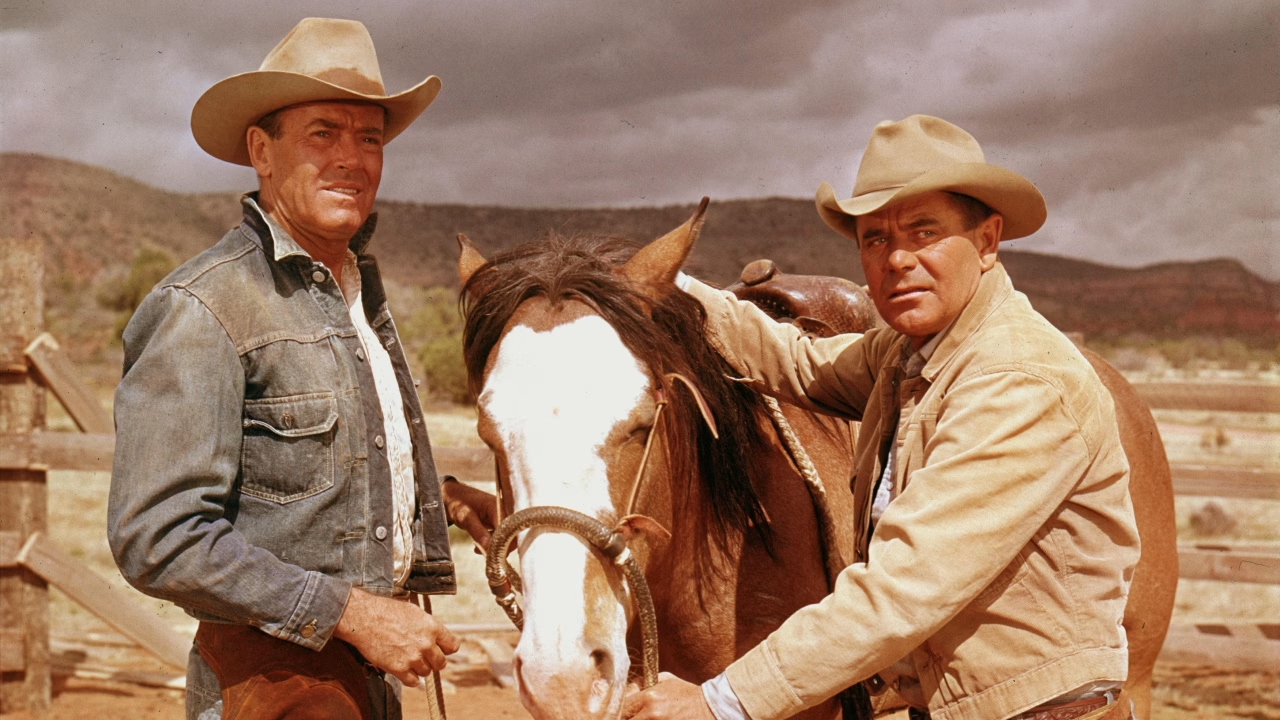
The Sheepman remains one of the most entertaining Western comedies of the 1950s, blending humor, action, and classic frontier storytelling into a memorable cinematic experience. Directed by George Marshall and starring Glenn Ford and Shirley MacLaine, the film follows a sheep rancher who boldly enters cattle country and challenges the local power structure. While the performances and witty screenplay helped make the movie successful, the filming locations also played a major role in creating its authentic Western atmosphere.
The movie combines real outdoor landscapes with classic Hollywood studio production techniques, giving it a visual style that still appeals to Western fans today. From the mountainous terrain of Colorado to carefully designed MGM backlot sets, the filming locations helped bring Powder Valley to life. Here’s a closer look at where The Sheepman was filmed and how those locations shaped the movie’s identity.
Montrose, Colorado Was the Main Outdoor Filming Location
Much of the outdoor footage for The Sheepman was filmed in Montrose, Colorado, which provided the rugged Western scenery seen throughout the movie. The area’s open landscapes, rolling hills, and mountainous backdrops perfectly matched the tone of a traditional frontier town. These natural settings helped ground the film in realism while still supporting its lighter comedic style.
Montrose had already become a popular filming destination for Western productions during the 1950s because of its dramatic geography and cinematic views. The wide-open terrain allowed filmmakers to stage horseback chases, sheep-driving sequences, and town confrontations without relying heavily on artificial backgrounds. Many of the outdoor sheep scenes specifically used the Colorado location to emphasize the scale of the conflict between cattle ranchers and sheep herders.
The natural lighting and expansive mountain views also contributed to the film’s CinemaScope presentation. Even decades later, Western fans continue to praise the scenery for giving the movie a classic Old West feel. Several modern reviews still mention the beautiful terrain photography as one of the film’s strongest visual elements.
MGM Studios Helped Create Powder Valley
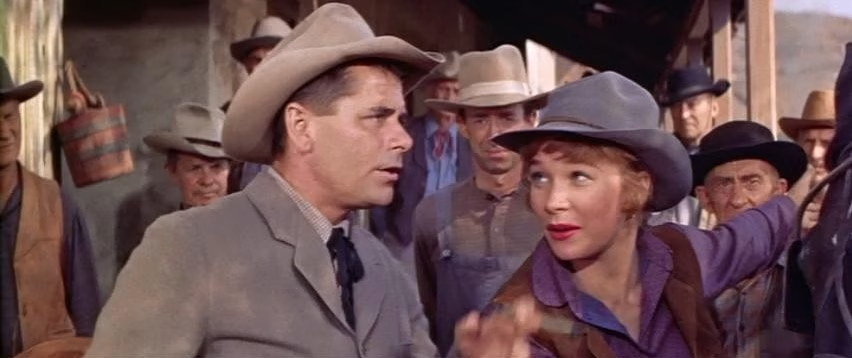
While Colorado provided the outdoor realism, many indoor and town sequences were filmed at Metro-Goldwyn-Mayer studios in Culver City, California. The production used the MGM backlot extensively to recreate Powder Valley, the fictional cattle town at the center of the story.
Classic Hollywood Westerns often relied on studio-controlled environments for saloons, sheriff offices, and town streets because it allowed directors to carefully manage lighting and camera movement. The Sheepman followed that same approach, blending practical outdoor footage with detailed studio-built sets. This combination gave the film both authenticity and polished visual consistency.
According to production references, several train station scenes and interior moments were also staged on the MGM lot. The controlled environment helped the filmmakers maintain the comedic timing and dialogue-heavy exchanges between characters like Jason Sweet and Dell Payton. It also made it easier to film close-up interactions that would have been difficult in unpredictable outdoor conditions.
The Railroad Scenes Added Western Authenticity
One of the standout visual elements in The Sheepman is its use of railroad imagery. The film opens with memorable train sequences that establish Jason Sweet’s arrival into hostile cattle territory. These scenes helped reinforce the classic Western atmosphere while also symbolizing the outsider entering an established community.
Reports connected to the film note that the production used the Virginia & Truckee Railroad locomotive known as “The Reno” during several sequences. The train scenes became a key part of the movie’s visual identity, especially during the opening moments where Glenn Ford’s character steps into Powder Valley.
The railroad footage also highlighted the contrast between civilization and frontier conflict, a common theme in Western cinema of the era. Combined with the Colorado landscapes, these sequences helped create a world that felt expansive and lived-in. Even though some scenes were filmed on studio sets, the train imagery added realism that strengthened the film’s overall presentation.