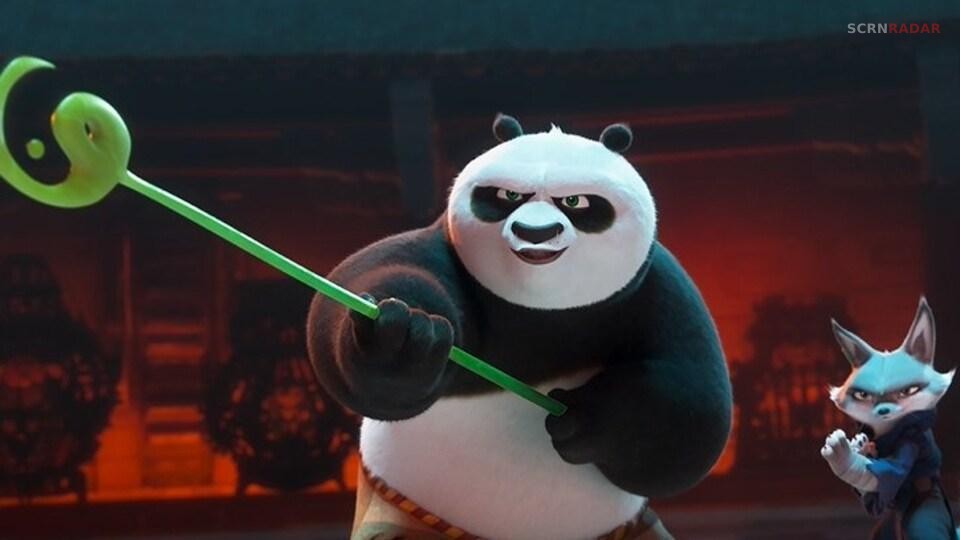
Kung Fu Panda 4 continues the journey of Po in a way that shifts the franchise from a simple hero’s story into a legacy-driven narrative. Directed by Mike Mitchell, the film explores what happens after Po has already achieved his destiny as the Dragon Warrior. Instead of focusing only on action, the story leans heavily into identity, succession, and growth.
The fourth installment introduces a new kind of conflict, one that challenges Po not just physically but spiritually. With a new villain capable of stealing kung fu abilities and a new companion in Zhen, the film expands the world while setting up a transition in Po’s role. Many viewers were left curious about the ending, especially what it means for the future of the franchise.
Let’s break down the full story, the ending, and the deeper themes behind Kung Fu Panda 4.
What Happens in Kung Fu Panda 4?
The story begins with Po still serving as the Dragon Warrior, protecting the Valley of Peace and maintaining balance. However, Master Shifu informs him that it is time to move on to a new role as the Spiritual Leader of the valley. This position requires Po to guide others rather than fight on the front lines, which immediately creates internal conflict.
Po struggles with the idea of giving up his identity as the Dragon Warrior. His journey across the previous films was centered on earning that title, so letting go of it feels like losing a part of himself. This emotional tension becomes a major driving force throughout the story.
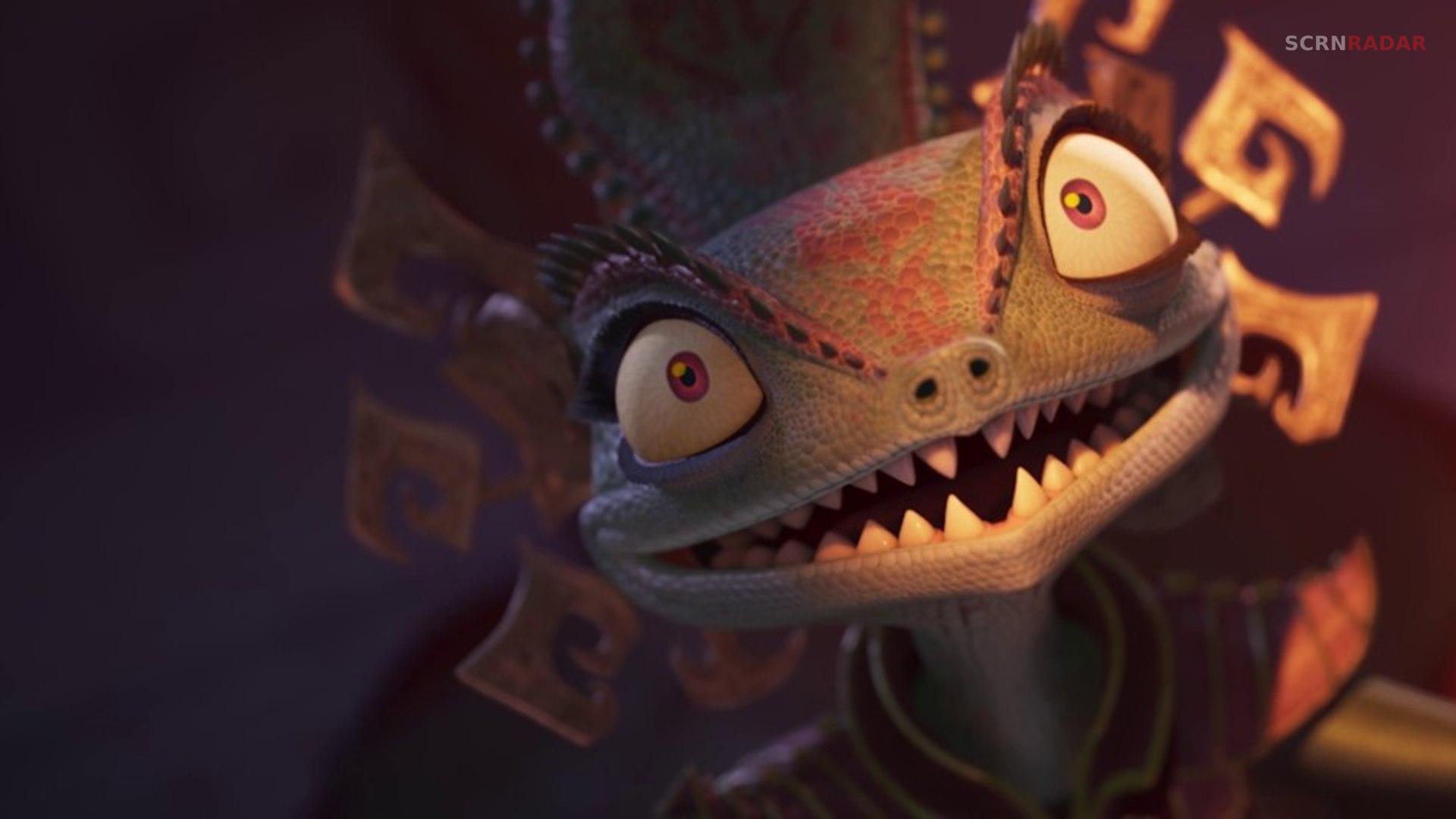
At the same time, a new threat emerges in the form of The Chameleon. She is a powerful sorceress who can shapeshift and, more importantly, steal the kung fu abilities of other warriors. Her goal is to absorb the skills of the greatest fighters in history, making her nearly unstoppable.
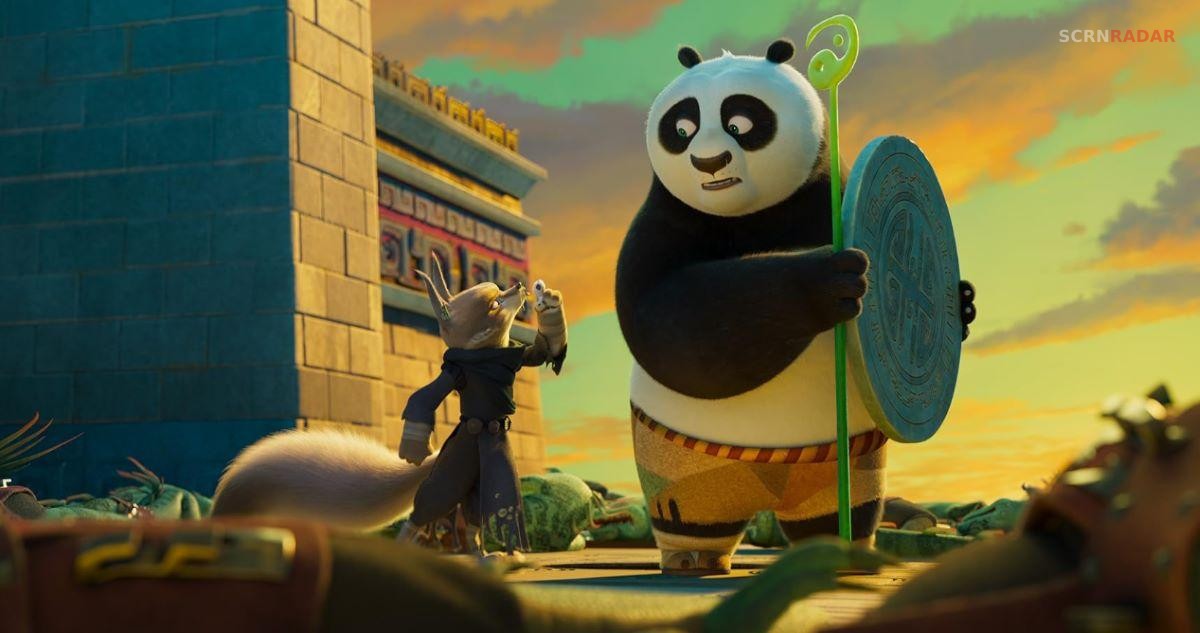
During his journey, Po meets Zhen, a cunning fox thief who initially appears untrustworthy. Despite her questionable motives, she becomes an important companion and plays a crucial role in the story. Their dynamic adds humor but also highlights themes of trust and redemption.
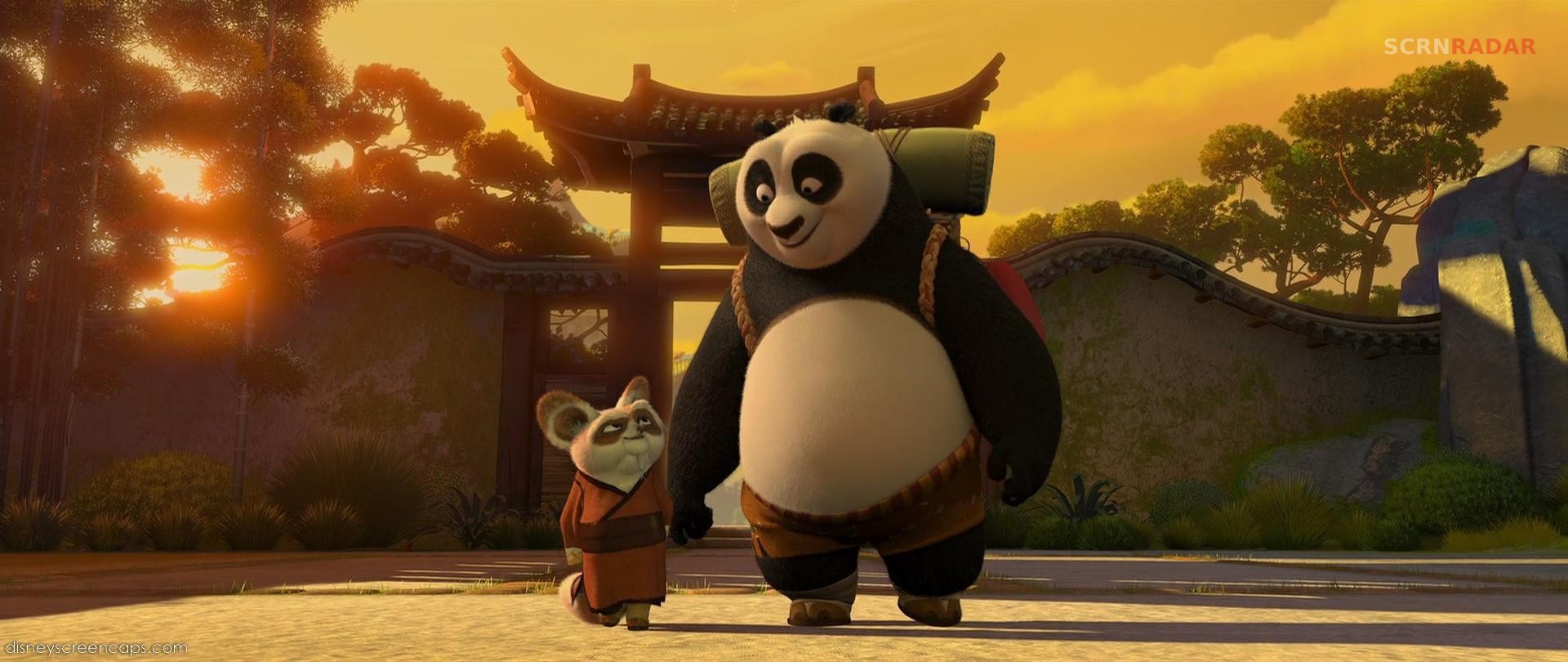
As the plot progresses, Po realizes that defeating The Chameleon will require more than brute strength. It will force him to embrace his new role and think beyond his identity as a fighter.
The Chameleon Explained: Powers and Motivation
The Chameleon stands out as one of the most unique villains in the franchise. Unlike Tai Lung, Lord Shen, or Kai, she relies less on raw power and more on manipulation and magical abilities. Her shapeshifting allows her to impersonate others, creating confusion and gaining strategic advantages.
Her most dangerous ability is stealing kung fu skills from other warriors. By absorbing their techniques, she effectively becomes a combination of multiple masters, making her extremely difficult to defeat. This power also allows the film to bring back familiar fighting styles from previous villains.
The Chameleon’s motivation is rooted in insecurity and rejection. She was once dismissed for being small and weak, which fueled her desire to prove herself. Instead of mastering kung fu through discipline, she chooses to take shortcuts by stealing power.
This contrasts sharply with Po’s journey. While Po earned his strength through perseverance and self-acceptance, The Chameleon represents the opposite approach. She wants power without growth, which ultimately becomes her downfall.
Her character reinforces one of the film’s core messages: true strength comes from self-belief and effort, not shortcuts or imitation.
Po’s Internal Conflict: Letting Go of the Dragon Warrior
One of the most important aspects of Kung Fu Panda 4 is Po’s internal struggle. For three films, his identity has been tied to being the Dragon Warrior. Now, he is being asked to step away from that role and become something entirely different.
This transition is not easy for him. Po initially resists the idea, believing that his value comes from his ability to fight and protect others physically. He fears that stepping back means becoming irrelevant.
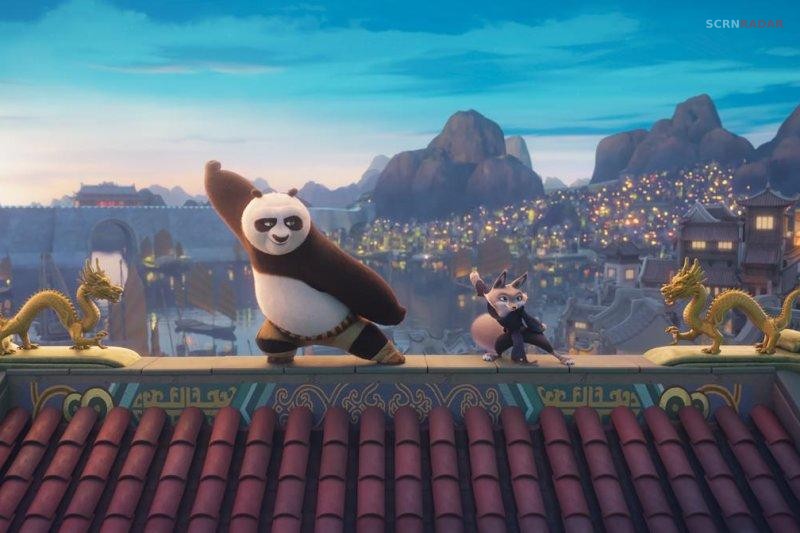
However, the film gradually shows that leadership is not about holding onto power. It is about knowing when to pass it on. Po’s journey becomes less about defeating enemies and more about understanding his purpose.
His interactions with Zhen play a key role in this transformation. Through her, Po begins to see that the next generation needs guidance and opportunity. This realization pushes him toward accepting his new role.
By the final act, Po understands that being the Dragon Warrior was only one part of his journey. Becoming a spiritual leader represents growth rather than loss.
Zhen’s Role Explained
Zhen is one of the most important new additions to the story. Initially introduced as a thief, she is clever, resourceful, and morally ambiguous. Her character brings a different energy compared to the disciplined warriors Po has worked with before.
At first, Zhen appears to be motivated by self-interest. She is reluctant to trust Po and often prioritizes her own survival. However, as the story progresses, her character begins to evolve.
Zhen’s backstory reveals that she has lived a difficult life, which shaped her worldview. She learned to rely on herself rather than others, making it hard for her to accept help or form connections. This makes her arc one of redemption and growth.
Her relationship with Po becomes central to the film’s emotional core. Po sees potential in her, even when she does not believe in herself. This mirrors the way Master Shifu once believed in Po.
By the end of the film, Zhen proves herself worthy of becoming the next Dragon Warrior. Her transformation highlights the film’s theme of passing the torch to a new generation.
The Ending Explained: Why Po Chooses Zhen
The climax of Kung Fu Panda 4 revolves around Po confronting The Chameleon. Instead of relying solely on physical strength, Po uses his experience and wisdom to outsmart her. This reflects his growth throughout the film.
After defeating The Chameleon, Po faces his final decision. He must choose who will become the next Dragon Warrior. This moment is significant because it represents the completion of his journey.
Po selects Zhen as his successor, recognizing her potential and growth. This decision is not based on perfection but on her willingness to change and improve. It shows that being the Dragon Warrior is about character, not just skill.
By stepping into the role of Spiritual Leader, Po embraces his new purpose. He transitions from being a fighter to being a mentor, guiding others rather than leading battles.
The ending also sets up the future of the franchise. With Zhen as the new Dragon Warrior, the story can continue with a fresh perspective while still honoring Po’s legacy.
Themes and Deeper Meaning
Kung Fu Panda 4 focuses heavily on the idea of change. Po’s journey reflects the challenge of moving forward in life, especially when it means leaving behind something familiar. This theme resonates with audiences who have experienced similar transitions.
Another key theme is legacy. The film explores what it means to pass on responsibility and trust others to carry it forward. Po’s decision to choose Zhen shows that true leadership involves empowering others.
The concept of identity is also central to the story. Both Po and Zhen struggle with how they see themselves. Through their journeys, they learn that identity is not fixed but constantly evolving.
The film also emphasizes the importance of growth through effort. The Chameleon’s failure highlights the dangers of seeking shortcuts, بينما Po and Zhen succeed because they embrace learning and change.
What the Ending Really Means
From a narrative perspective, the ending clearly establishes Po as the new Spiritual Leader and Zhen as the Dragon Warrior. This is a direct continuation of the franchise’s theme of growth and succession.
Some viewers interpret the ending as Po stepping away from action entirely. However, the film suggests that he is still involved, just in a different capacity. His role shifts from fighter to mentor, similar to Master Oogway’s influence in earlier films.
There is also discussion about whether Zhen is truly ready for the role. The film intentionally leaves some room for interpretation, suggesting that her journey is just beginning.
Director Mike Mitchell has indicated that the film was designed to open the door for future stories. This reinforces the idea that Kung Fu Panda 4 is both a continuation and a new beginning.
Kung Fu Panda 4 expands the franchise by shifting its focus from individual heroism to legacy and leadership. It delivers a story that is less about proving strength and more about understanding purpose.
The film’s ending may feel like a major change, but it aligns with the themes established throughout the series. Po’s journey was never just about becoming the Dragon Warrior. It was about discovering who he truly is.
By choosing Zhen as his successor, Po ensures that the legacy of the Dragon Warrior continues. At the same time, he steps into a role that allows him to guide the next generation.
For viewers looking for a clear explanation, Kung Fu Panda 4 is about growth, letting go, and trusting others. It sets the stage for future stories while giving Po a meaningful new direction that feels earned and complete.