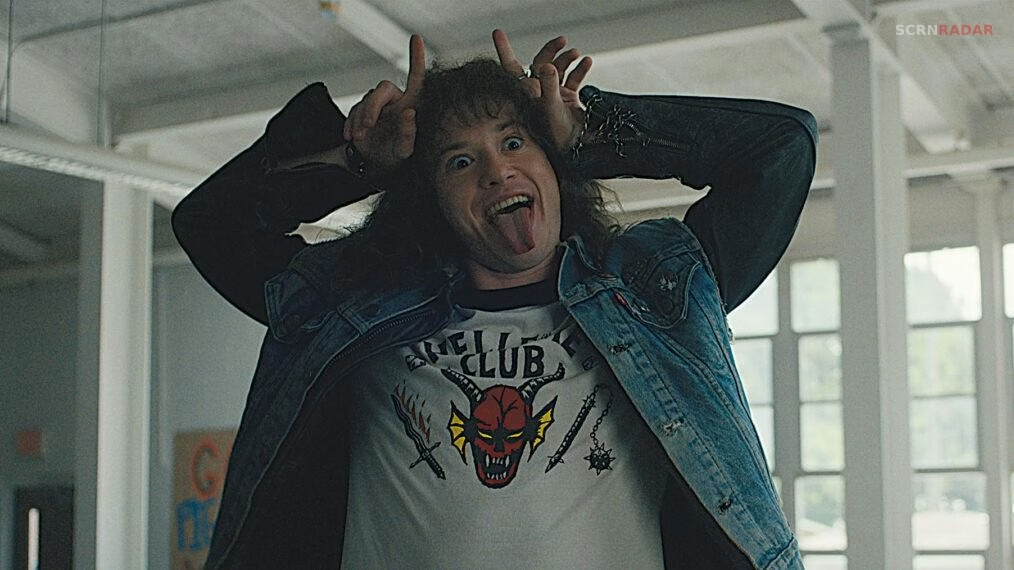
When Eddie Munson was introduced in Stranger Things Season 4, he quickly became one of the most beloved characters in the series. As the leader of the Hellfire Club and a passionate metalhead, Eddie stood out with his rebellious personality and outsider identity. However, his story took a devastating turn in the finale, leaving fans heartbroken and questioning why the show chose to kill him off.
Eddie’s death was not just a surprising moment designed for emotional impact. According to interviews with the show’s creators, the Duffer Brothers, his arc was always meant to serve a deeper narrative purpose. His sacrifice ties directly into the themes of fear, courage, and redemption that define Season 4. Reports from outlets like The Hollywood Reporter and Variety highlighted how Eddie’s storyline reflects the experience of being misunderstood and falsely judged, particularly during the 1980s “Satanic Panic.”
Understanding why Eddie dies requires looking beyond the surface-level tragedy. His death represents character growth, thematic closure, and a powerful commentary on heroism.
Eddie Munson’s Story: From Outcast to Unexpected Hero
Eddie Munson is introduced as an outsider in Hawkins High School, often labeled as dangerous or suspicious because of his appearance and interests. As the leader of the Hellfire Club, he embraces his identity as someone who does not fit into mainstream expectations. However, this same identity becomes the reason he is quickly blamed when tragedy strikes.
After the death of Chrissy Cunningham, Eddie is wrongly accused of murder, forcing him to go on the run. The situation escalates due to the town’s paranoia, reflecting real-world fears from the 1980s. According to coverage from The New York Times on Stranger Things Season 4, the show deliberately mirrors the era’s fear of subcultures, particularly those associated with heavy metal and Dungeons & Dragons.
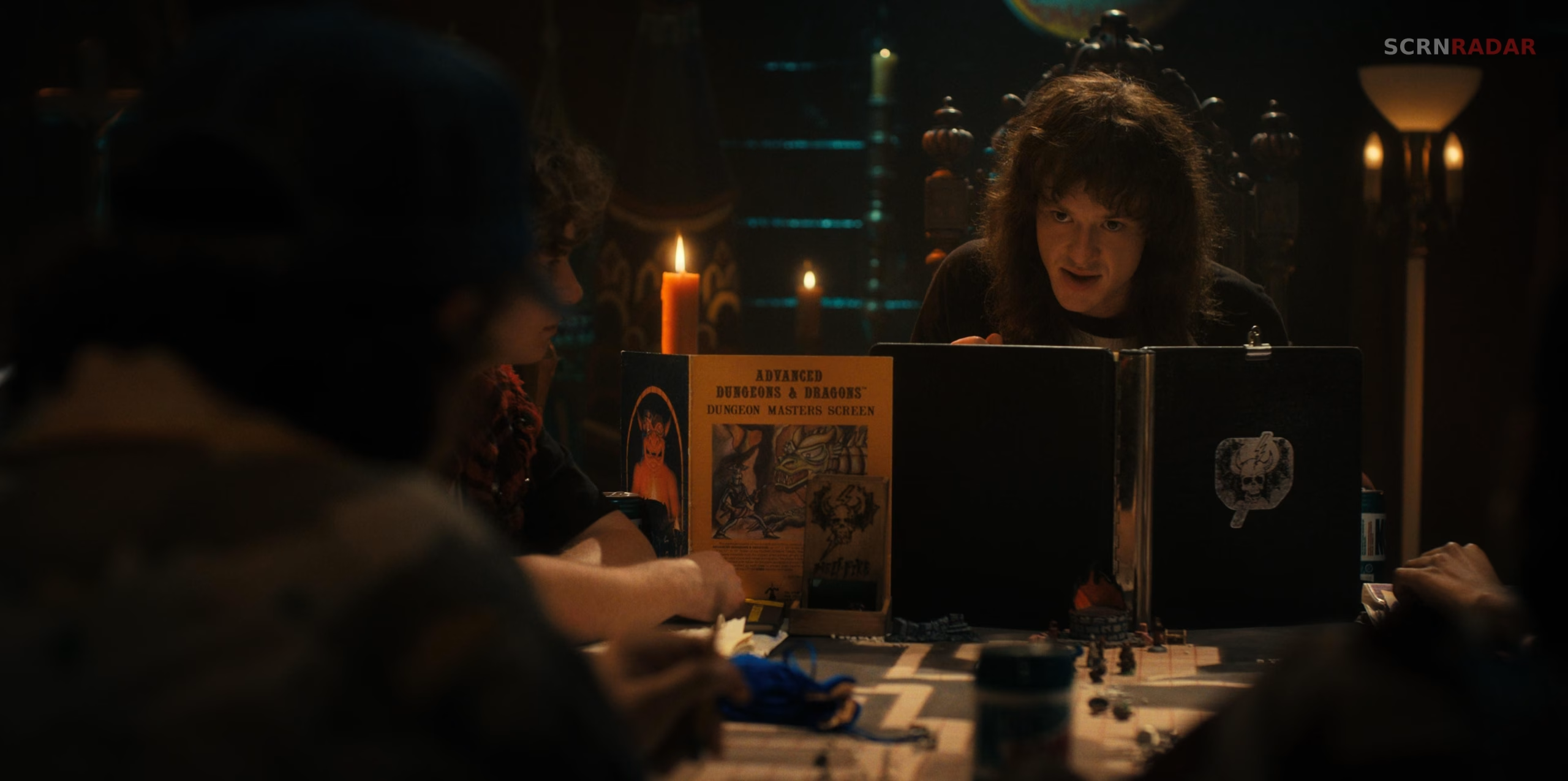
Eddie’s initial reaction to danger is to run. This is emphasized multiple times throughout the season, where he openly admits that he is not a hero. His fear is understandable given the circumstances, but it also sets up the emotional foundation for his eventual transformation.
As the season progresses, Eddie begins to form strong bonds with characters like Dustin Henderson. These relationships help shift his perspective, pushing him toward a moment where he must choose between running away again or standing his ground.
The Moment of Choice: Why Eddie Refuses to Run
Eddie’s defining moment comes during the final battle against Vecna’s forces in the Upside Down. Alongside Dustin, he plays a crucial role in executing the group’s plan by distracting a swarm of Demobats. The scene is visually iconic, featuring Eddie performing Metallica’s “Master of Puppets” to lure the creatures away.
However, the real significance of this moment lies in what happens afterward. Instead of escaping to safety, Eddie makes a conscious decision to stay behind and fight. This choice directly contrasts with his earlier behavior, where survival meant running away from danger.
In interviews with Variety, the Duffer Brothers explained that Eddie’s arc was about overcoming fear. They emphasized that his final act was not about becoming fearless, but about choosing courage despite fear. This distinction is crucial because it highlights the emotional depth of his character.
Eddie’s decision is not impulsive. It is a deliberate act of self-sacrifice meant to give his friends a better chance of success. By staying behind, he ensures that the Demobats remain distracted, preventing them from interfering with the larger plan to stop Vecna.
Eddie’s Death Scene Explained
Eddie’s death occurs after he is overwhelmed by the Demobats while fighting in the Upside Down. Despite his efforts, the creatures ultimately overpower him, leading to fatal injuries. The scene is emotionally charged, especially when Dustin finds him and stays by his side in his final moments.
One of the most powerful aspects of the scene is Eddie’s final line, where he tells Dustin, “I didn’t run away this time.” This statement encapsulates his entire character arc. It confirms that he has achieved the personal growth he struggled with throughout the season.
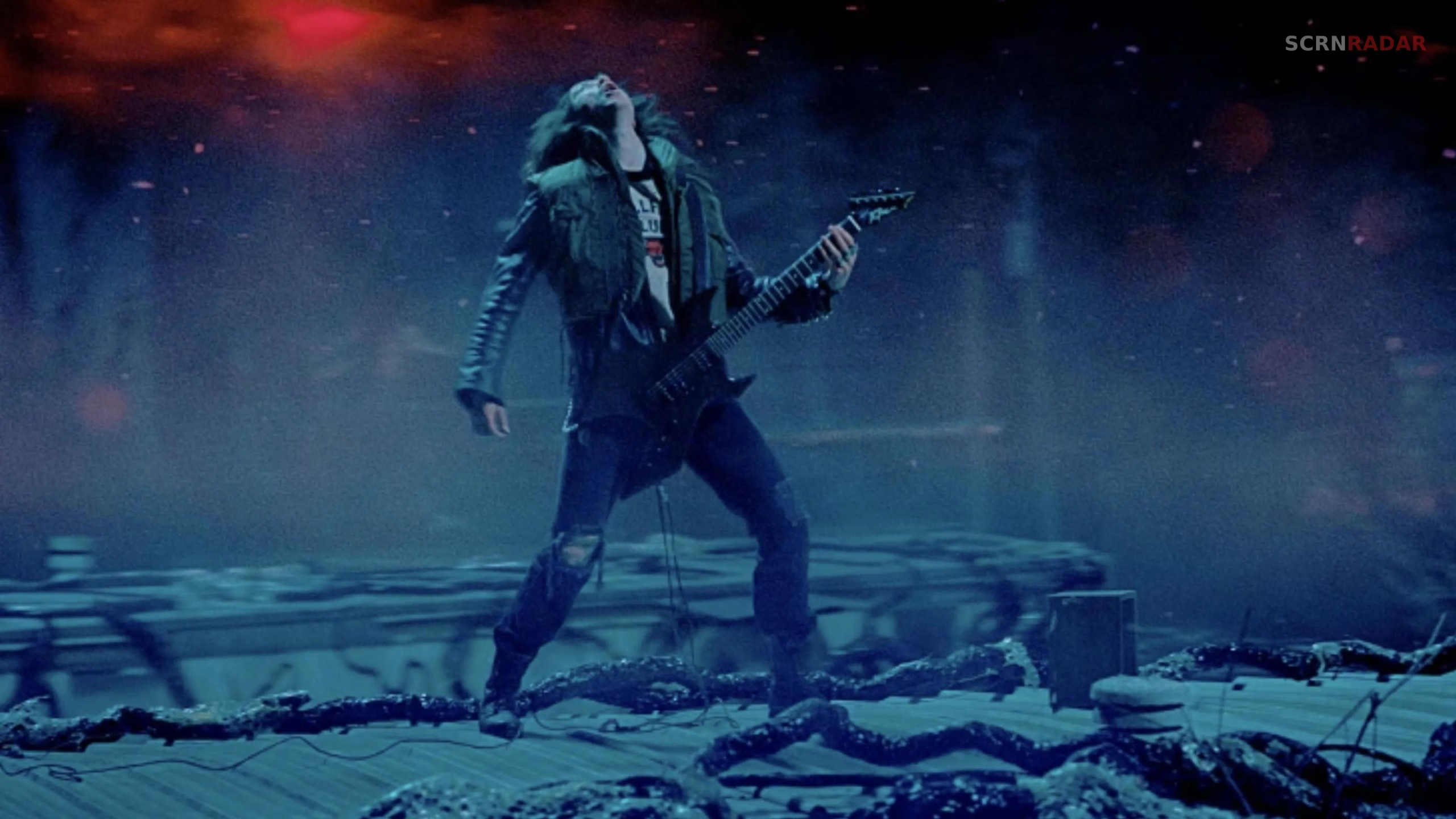
According to The Hollywood Reporter, Joseph Quinn’s performance was widely praised for bringing emotional authenticity to the scene. His portrayal of Eddie’s vulnerability and bravery made the character’s death resonate deeply with audiences.
The death scene is not just about loss. It is about transformation and closure. Eddie dies knowing that he has done something meaningful, even if the world will never fully recognize it.
The Meaning Behind Eddie Munson’s Sacrifice
Eddie’s sacrifice carries multiple layers of meaning within the narrative. On a surface level, it helps the group succeed in their plan against Vecna. Without his distraction, the Demobats could have interfered, potentially leading to a different outcome.
On a deeper level, Eddie’s death represents redemption. Throughout the season, he is labeled as a criminal and a threat, despite being innocent. His final act proves that he is capable of heroism, even if he never receives public recognition for it.
The storyline also reflects broader themes of misunderstanding and prejudice. During the “Satanic Panic,” many individuals were unfairly judged based on their interests and appearance. Eddie’s character embodies this experience, making his death a commentary on how society often misjudges people.
Variety noted that Eddie’s arc resonates because it challenges traditional definitions of heroism. He is not a trained fighter or a chosen hero. He is an ordinary person who makes an extraordinary choice in a moment of crisis.
Why the Duffer Brothers Chose to Kill Eddie
The decision to kill Eddie Munson was not random. In interviews with Deadline and Variety, the Duffer Brothers explained that character deaths are used carefully to serve the story. Eddie’s death was intended to have emotional weight and thematic significance.
One reason for his death is narrative balance. Stranger Things already has a large cast, and not every character can survive without reducing the stakes. By introducing a new character like Eddie and giving him a complete arc within one season, the show creates a powerful emotional impact without disrupting long-term character dynamics.
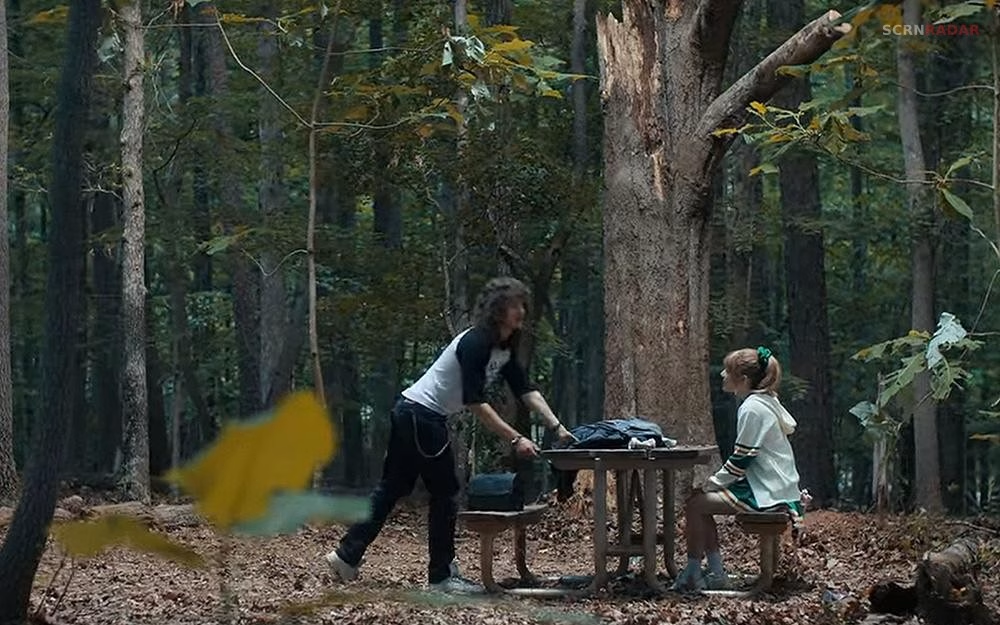
Another reason is thematic closure. Eddie’s story is structured as a complete journey, from fear to courage. Allowing him to survive might have diluted the impact of his transformation. His death ensures that his arc remains meaningful and memorable.
The creators also wanted to highlight the idea that heroism comes at a cost. Eddie’s sacrifice reinforces the stakes of the conflict with Vecna, showing that victory is not guaranteed and often comes with loss.
Fan Reaction and Cultural Impact
Eddie Munson’s death sparked an intense reaction from fans, with many expressing heartbreak and frustration. Social media platforms were filled with tributes, fan art, and discussions about whether the character should have survived.
According to coverage from Entertainment Weekly, Eddie quickly became a fan-favorite character despite appearing in only one season. His relatability and emotional depth made his death particularly impactful.
Joseph Quinn’s performance also contributed to the character’s popularity. His portrayal brought authenticity to Eddie’s struggles, making audiences connect with him on a personal level. This connection is a major reason why his death resonated so strongly.
The cultural impact of Eddie Munson extends beyond the show. He has become a symbol of outsider identity and misunderstood individuals, reflecting themes that resonate with audiences even outside the context of Stranger Things.
Fact vs Rumor: Was Eddie Originally Meant to Survive?
There has been speculation among fans that Eddie Munson was originally intended to survive Season 4. However, statements from the Duffer Brothers suggest otherwise. Interviews with Variety and Deadline indicate that his storyline was planned as a complete arc from the beginning.
While some fans believe that his popularity could have influenced the decision, there is no confirmed evidence supporting that claim. The creators have consistently emphasized that character arcs are determined by narrative needs rather than fan response.
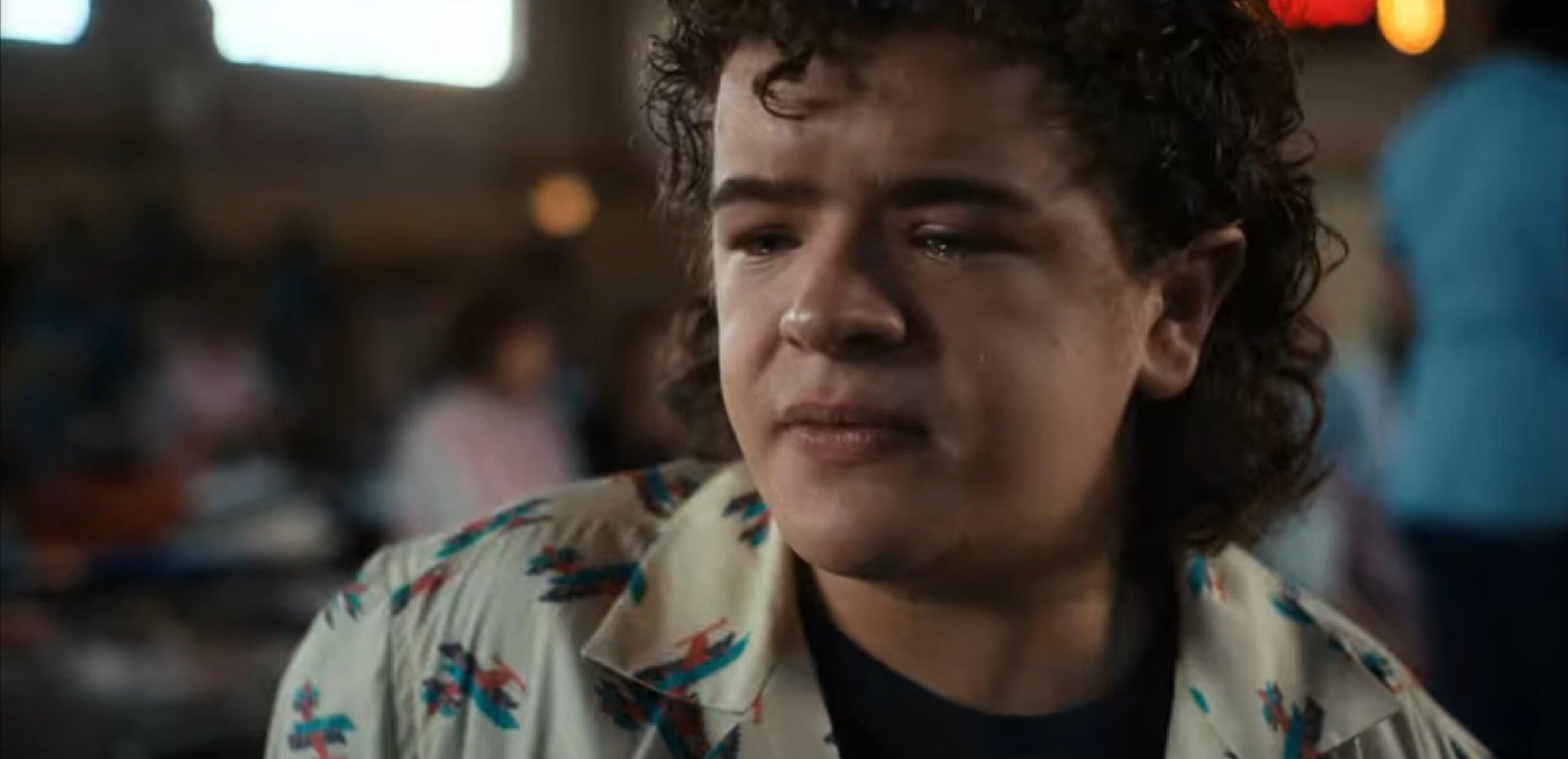
This clarification is important because it reinforces the intentional nature of Eddie’s death. It was not a last-minute decision but a carefully planned part of the story.
Eddie Munson’s death in Stranger Things is one of the most emotionally impactful moments in the series. It is not just a tragic ending but a meaningful conclusion to a character defined by fear, growth, and redemption.
Through his sacrifice, Eddie transforms from a misunderstood outcast into a true hero. His decision to stand and fight, rather than run, represents the core message of his arc. According to insights from the Duffer Brothers and coverage from major outlets like Variety and The Hollywood Reporter, this transformation was always central to his story.
While fans may continue to debate whether he should have survived, the significance of his death is undeniable. Eddie Munson’s legacy lies in the courage he found in his final moments, making him one of the most memorable characters in Stranger Things.
Eddie Munson’s legacy continues to resonate even after his death, particularly through characters like Dustin, who carries the emotional weight of losing him. In the aftermath, Dustin’s conversation with Eddie’s uncle serves as a quiet but powerful acknowledgment of the truth, even if the town of Hawkins never fully understands Eddie’s heroism.
This reinforces one of the show’s most important themes: real heroes are not always recognized by society. Eddie’s story becomes a lasting symbol of bravery in the face of fear, reminding viewers that courage is not the absence of fear, but the choice to act despite it.