
When Carl Grimes died in Season 8 of The Walking Dead, fans were stunned. As Rick Grimes’ son and one of the few remaining original characters, Carl had long been viewed as the future of the franchise. His survival in Robert Kirkman’s comic series only made the decision more controversial, as many viewers expected him to play a major role in the show’s endgame.
The backlash was immediate. Fans questioned why AMC would remove such an important character when Carl remained alive in the source material. The controversy grew even larger because actor Chandler Riggs had recently turned 18 and appeared committed to continuing his role on the series. Years later, Carl’s death remains one of the most debated creative decisions in The Walking Dead’s history.
So why did Carl leave The Walking Dead? The answer involves both an in-universe story decision and a complicated behind-the-scenes situation that generated significant criticism from fans. Let’s break down the real reason Carl Grimes was written out of the series and how the decision affected the future of the franchise.
Carl Grimes Was Killed Off in Season 8
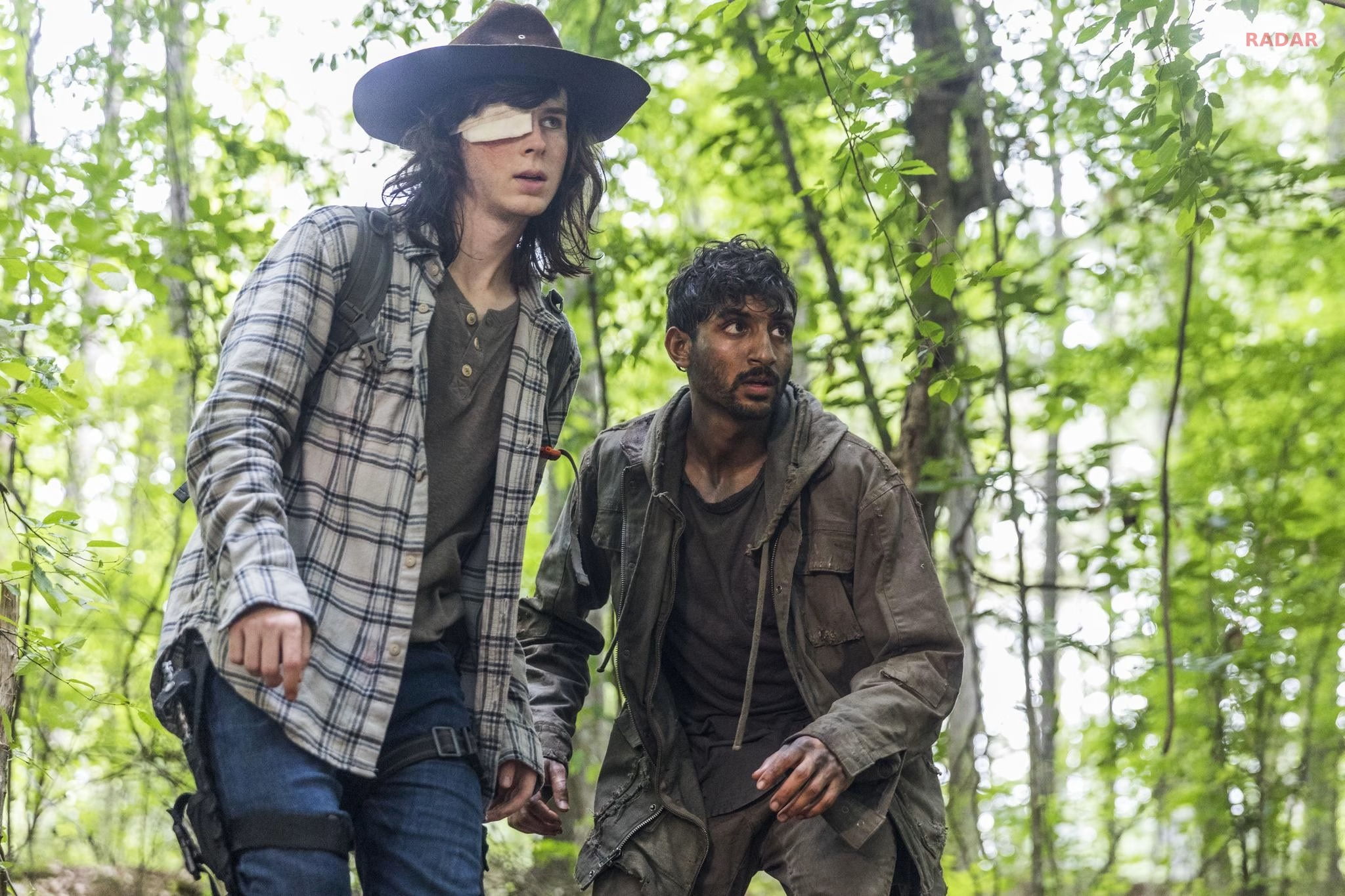
Carl’s departure was not a case of Chandler Riggs choosing to leave the show. Instead, the character was written out by the creative team during Season 8. In the mid-season finale, viewers discovered that Carl had been bitten by a walker while helping Siddiq, a survivor he wanted to bring back to Alexandria. Because the bite was located on his torso, there was no way to save him.
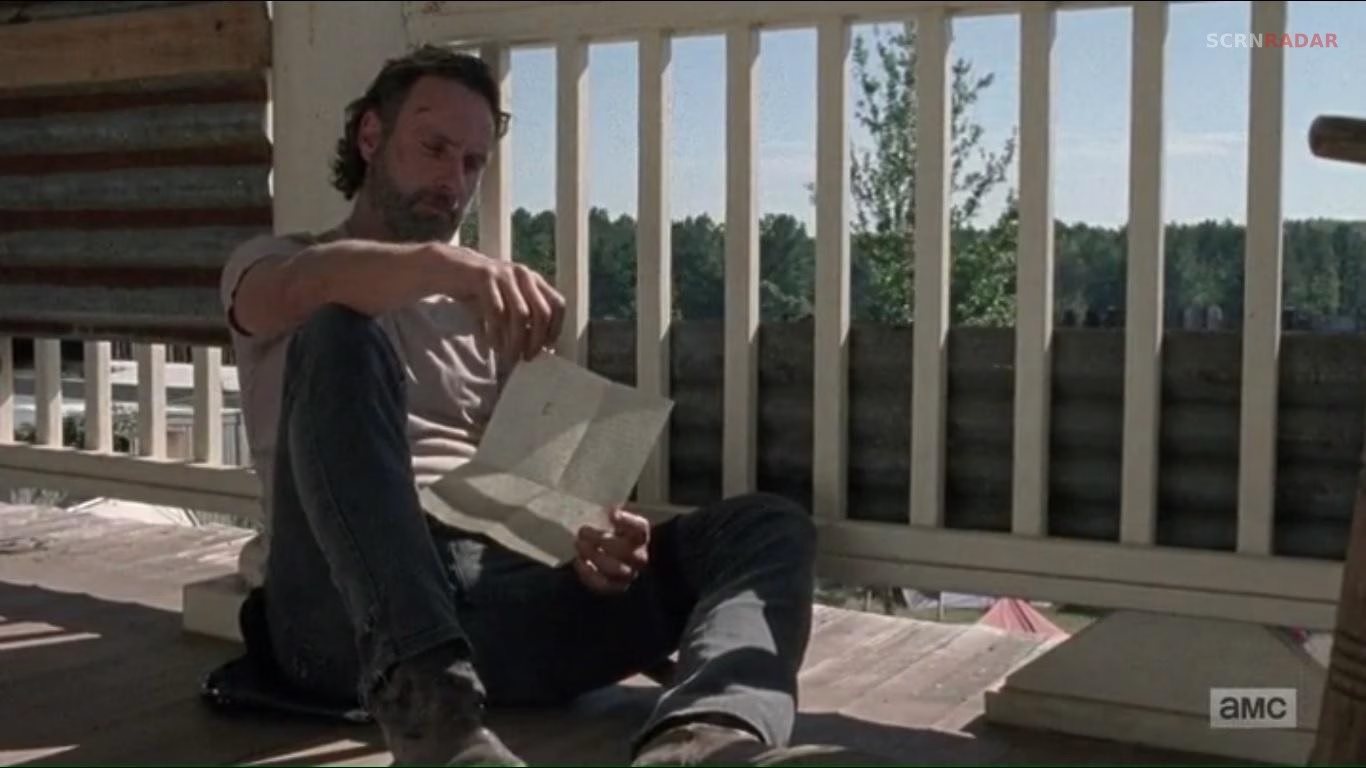
The following episode, “Honor,” served as Carl’s farewell. He spent his final hours writing letters, saying goodbye to his loved ones, and encouraging Rick to build a more peaceful future. Rather than turning into a walker, Carl chose to end his own life, allowing his family to remember him as he was.
The death marked the end of Chandler Riggs’ regular role on the series after appearing since the very first season. Carl had been one of the show’s central characters for eight years, making his exit one of the most significant departures in franchise history.
Scott Gimple’s Official Explanation
At the time, showrunner Scott Gimple defended the decision as a story-driven choice. According to Gimple, Carl’s death was intended to shape Rick’s future and influence the outcome of the war against Negan. He believed Carl’s vision of a peaceful future would motivate Rick to abandon revenge and choose mercy instead.
Carl’s final letters became an important part of this narrative. Through them, he encouraged both Rick and Negan to seek coexistence rather than endless violence. The creative team viewed Carl as the moral compass guiding the series toward a more hopeful direction.
From a storytelling perspective, Gimple argued that Carl’s death would have lasting consequences throughout the series. The event was designed to fundamentally alter Rick’s worldview and provide a reason for him to spare Negan at the end of the conflict.
However, many fans were unconvinced by this explanation. Critics pointed out that Carl played a major role in the comics long after the Negan storyline and questioned whether killing him was necessary to achieve the same narrative outcome.
The Controversy Surrounding Chandler Riggs’ Exit
The debate became even more intense because of reports surrounding Chandler Riggs’ future plans. Before Carl’s death was announced, Riggs had reportedly been preparing to continue working on the series. In interviews, he discussed the possibility of balancing acting with college and expressed interest in remaining on the show.
The situation became more controversial when Riggs’ father publicly suggested that the family had expected Chandler to remain involved with the series longer. His comments fueled speculation that the actor’s departure had not been anticipated far in advance.
These reports led many viewers to question whether the decision had been handled appropriately. While AMC and the production team maintained that Carl’s death was a creative choice, fan discussions often focused on the timing of the exit and the circumstances surrounding it.
The controversy eventually became one of the most talked-about behind-the-scenes stories in The Walking Dead’s history. Even years later, discussions about Carl’s death continue to generate strong reactions among longtime fans.
Why Carl’s Death Was So Different From the Comics
One reason the backlash was particularly intense is that Carl survives throughout the comic series. In Robert Kirkman’s original story, Carl eventually becomes one of the most important characters and plays a major role in the franchise’s future.
The television adaptation had often deviated from the comics before, but Carl’s death represented one of the biggest departures ever made. Fans viewed him as a cornerstone of the narrative because he symbolized the next generation growing up in the apocalypse.
Many readers expected Carl to eventually inherit the story from Rick. Instead, the television series removed him years before the show’s conclusion. This decision dramatically altered the direction of future seasons and eliminated several potential comic storylines.
Because Carl’s comic counterpart remained alive, viewers often compared the two versions and questioned whether the show had sacrificed a long-term storytelling opportunity. The comparison continues to be a major factor in discussions about the character’s exit.
How Carl’s Death Changed The Walking Dead
Carl’s death had consequences far beyond a single episode. The character had served as one of the emotional anchors of the series since the beginning. Losing him changed the dynamic between several major characters, especially Rick and Michonne.
Rick’s actions during the remainder of Season 8 were heavily influenced by Carl’s final wishes. Rather than pursuing total revenge against Negan, he ultimately chose a path closer to the one Carl envisioned. This decision shaped the direction of the series moving forward.
The departure also created a significant gap in the show’s long-term plans. Carl had often represented hope for the future, and his absence forced other characters to assume narrative roles that originally belonged to him in the comics.
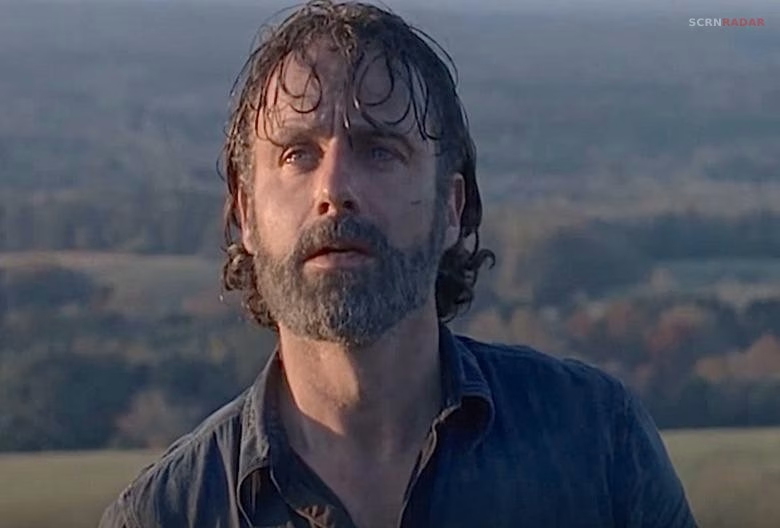
Some fans argue that the series never fully recovered from losing Carl. Viewership declines during later seasons were influenced by many factors, but his death is frequently cited as one of the moments that caused some longtime viewers to disengage from the show.
Chandler Riggs’ Reaction to Leaving
Despite the controversy, Chandler Riggs handled his departure professionally. He participated in Carl’s emotional farewell episode and later spoke about the experience of leaving a show that had been a major part of his life since childhood.
Cast members and crew also gave him a heartfelt send-off. Reports from the production described an emotional atmosphere as colleagues said goodbye to one of the show’s longest-serving actors. Many members of the team recognized how important Carl had been to the series’ identity.
Years later, Riggs even made a small return during the series finale. Although Carl had been dead for several seasons, the actor appeared in a brief cameo and remained connected to the franchise’s legacy.
His continued popularity among fans demonstrates just how significant Carl was to The Walking Dead. Even after his exit, viewers continued discussing what might have happened if the character had survived.