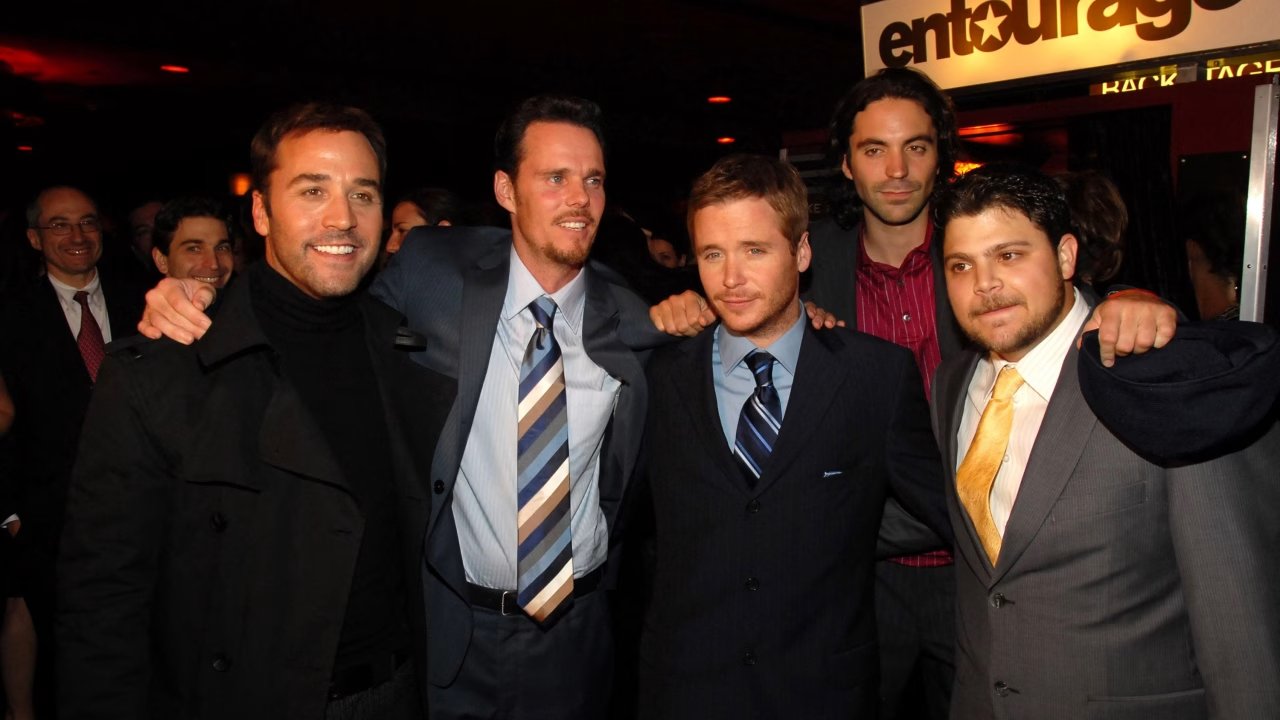
Entourage remains one of HBO’s most recognizable dramas, offering a glossy and often exaggerated look at life in Hollywood. Created by Doug Ellin and loosely inspired by actor Mark Wahlberg’s real-life experiences, the series follows rising movie star Vincent Chase and his close-knit group of friends as they navigate fame, fortune, and the entertainment industry.
Premiering in 2004, Entourage quickly became known for its fast-paced storytelling, celebrity cameos, and unapologetic portrayal of excess. The show captures both the excitement and unpredictability of Hollywood, blending comedy with drama in a way that made it highly bingeable. Over its eight-season run, it built a loyal fanbase and became a cultural touchstone for early 2000s television.
While the series is undeniably entertaining, it also sparks debate for its portrayal of gender dynamics and superficial storytelling. Even so, its impact on pop culture remains significant.
A Fast-Paced Look Inside Hollywood
At its core, Entourage thrives on its insider perspective of the entertainment industry. The series follows Vincent Chase’s rise from a promising actor to an A-list star, offering a behind-the-scenes look at auditions, film deals, and studio politics. This premise allows the show to explore both the glamour and the pressure of Hollywood life.
The storytelling is structured around short, punchy episodes that move quickly. Each episode typically focuses on a new opportunity or crisis in Vince’s career, keeping the narrative engaging. This pacing makes the show easy to watch and highly addictive.
What makes Entourage stand out is its ability to blend real industry references with fictional storytelling. Frequent celebrity cameos add authenticity and enhance the immersive experience.
The strength of Entourage lies in its core group of characters. Vincent Chase serves as the central figure, but the show often focuses just as much on his friends. His laid-back personality contrasts with the chaos surrounding his career.
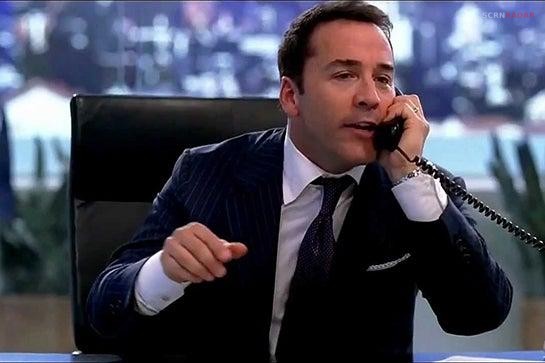
Ari Gold, played by Jeremy Piven, is widely considered the standout character. His aggressive management style, sharp dialogue, and comedic timing make him one of the most memorable figures in television.
Other key characters like Eric, Drama, and Turtle each bring unique dynamics to the group. Their friendships feel authentic, grounding the show even when the storylines become over-the-top. The chemistry between the cast is a major reason the series remains engaging.
Entertainment Value Over Depth
Entourage prioritizes entertainment over deep storytelling, which works both in its favor and against it. The series excels at delivering fun, escapist content that captures the fantasy of Hollywood success. Its humor, celebrity appearances, and high-energy pacing make it highly enjoyable.
However, this approach also limits its narrative depth. Many storylines are repetitive, often revolving around Vince’s career struggles and quick recoveries. Character development sometimes takes a backseat to maintaining the show’s fast-paced tone.
Despite these limitations, the show’s charm lies in its simplicity. It does not attempt to be overly complex, instead focusing on delivering consistent entertainment.
One of the most discussed aspects of Entourage is how it portrays women and relationships. The show has faced criticism for its male-centric perspective and objectification of female characters. While this reflected certain aspects of Hollywood culture at the time, it has not aged particularly well.
Modern audiences may find some elements outdated or problematic. The humor and attitudes that were once widely accepted are now viewed more critically. This has led to mixed reactions from newer viewers discovering the series.
That said, the show still provides insight into the entertainment industry’s culture during its era. It serves as both a product of its time and a reflection of Hollywood’s evolving standards.