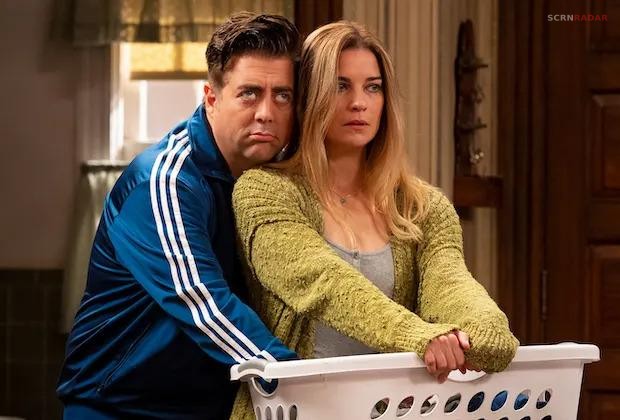
AMC’s Kevin Can F**k Himself ended its two-season run with one of the most satisfying and unconventional finales in recent television history. The dark comedy-drama, starring Annie Murphy as Allison McRoberts, spent two seasons deconstructing the traditional sitcom-wife trope by showing the hidden emotional abuse and manipulation that often lurk beneath the laugh track.
Season 2’s finale, “Allison’s House,” finally brings Allison’s long journey toward freedom to a close. After spending much of the series plotting ways to escape her husband Kevin, faking her own death, and struggling with the consequences of her choices, Allison is forced to confront the reality that she cannot truly move on until she faces Kevin directly. The ending answers the show’s biggest questions while delivering a powerful statement about toxic relationships, personal agency, and self-discovery.
For many viewers, the finale’s biggest moments include Kevin’s death, the collapse of the sitcom format, and Allison’s emotional reunion with Patty. However, the deeper meaning behind these events reveals why the ending resonates long after the final scene. Let’s break down exactly what happened in Kevin Can F**k Himself Season 2 and what the ending really means.
A Quick Recap of Season 2
Season 2 picks up immediately after the dramatic events of the first season. Allison and Patty are still trying to escape the damage Kevin has caused in their lives, while Neil becomes aware of Allison’s previous plan to kill Kevin. The season gradually shifts away from murder as Allison realizes that eliminating Kevin physically will not solve the deeper problems she faces.
As the story progresses, Allison devises a different strategy. Instead of killing Kevin, she decides to fake her own death and start over under a new identity. This plan appears successful at first, allowing her to escape Worcester and begin a new life away from the toxic environment that has defined her adulthood.
However, the new life never feels complete. Allison discovers that simply running away does not erase the emotional scars Kevin left behind. Even though she has escaped physically, she remains psychologically trapped by the relationship and everything it represents.
That realization sets the stage for the series finale.
Why Allison Returns to Worcester
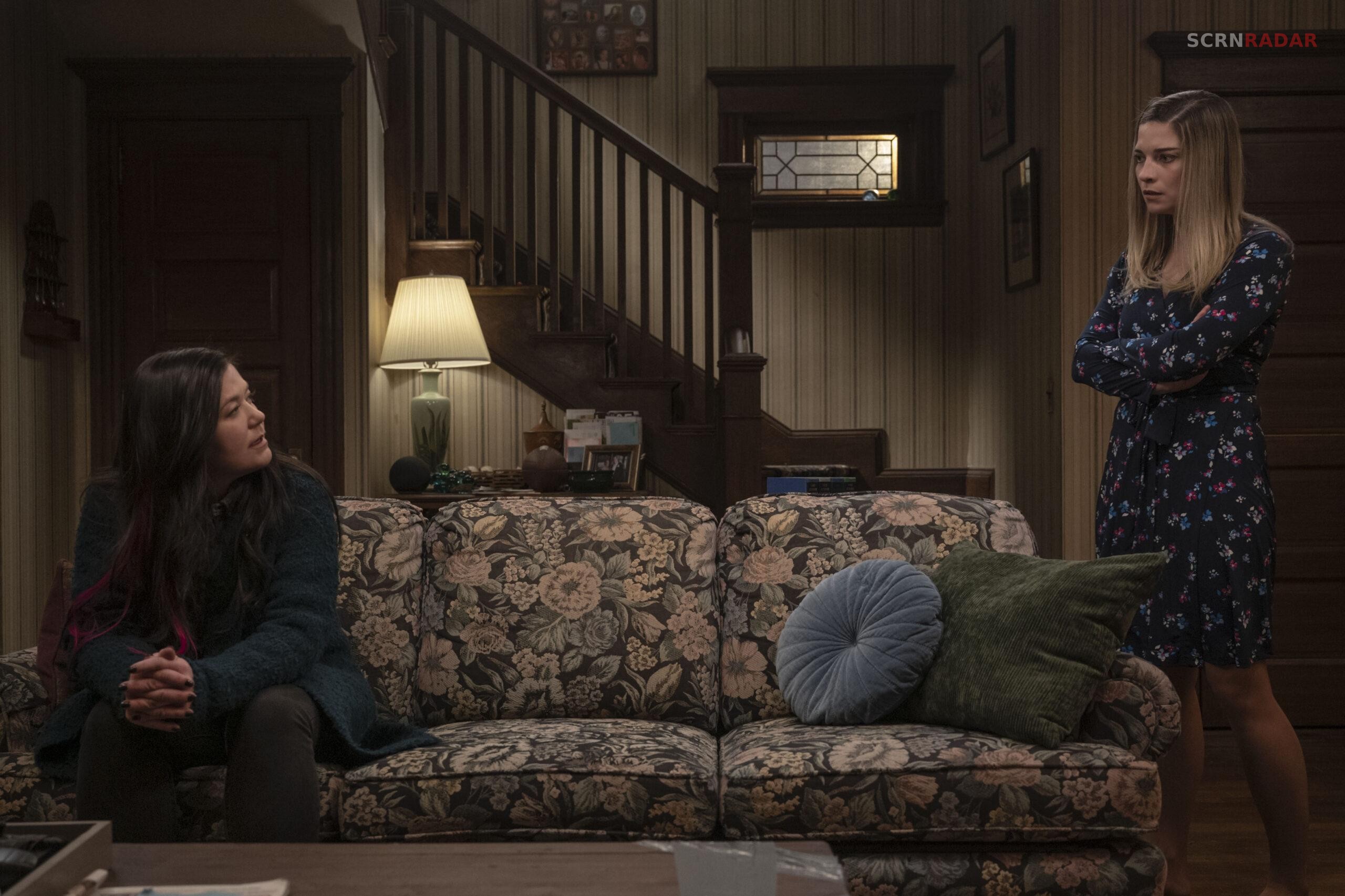
Six months after faking her death, Allison is living under a new identity and appears to have achieved the freedom she wanted. Yet she remains unhappy and emotionally unsettled. The finale makes it clear that her problem was never just Kevin himself.
The real issue is that Allison has spent years allowing Kevin to define her existence. Every major decision in her life has been influenced by his needs, his schemes, and his control. Even after leaving, she still organizes her life around escaping him.
Returning to Worcester becomes an act of reclaiming agency. Allison realizes she cannot build a genuine future while hiding from her past. Instead of remaining a fugitive from her own life, she decides to confront Kevin directly and finally end the relationship on her terms.
This decision represents one of the most important moments in the entire series. For the first time, Allison is not reacting to Kevin. She is making a choice entirely for herself.
Why Allison Doesn’t Kill Kevin
One of the biggest twists in the finale is that Allison never kills Kevin. Considering that the series originally revolved around her plotting his murder, this outcome may seem surprising.
Throughout Season 2, Allison gradually realizes that violence is not the answer. Killing Kevin would only keep her trapped within the same cycle of fear and obsession. Instead, she chooses something far more difficult: honesty.
When Allison reveals that she is alive and demands a divorce, she strips Kevin of the fantasy world he has always inhabited. For years, Kevin treated life like a sitcom where consequences never mattered and everyone eventually revolved around him. Allison’s return destroys that illusion.
By choosing confrontation instead of murder, Allison finally breaks free from Kevin’s control. She refuses to become another victim of his behavior, but she also refuses to let him determine who she becomes.
The finale ultimately suggests that true liberation comes not from revenge but from reclaiming one’s identity.

The Scene That Changes Everything
The most surprising sequence occurs when Allison confronts Kevin and tells him she wants a divorce. Up until this moment, Kevin has largely existed within the show’s sitcom reality, surrounded by exaggerated humor and laugh-track energy.
For the first time, viewers see Kevin fully outside that framework. The lighting changes, the laugh track disappears, and Kevin is presented as an ordinary man rather than a sitcom caricature.
This moment is incredibly important because it validates everything Allison has experienced. Throughout the series, many people dismissed Kevin as merely immature or annoying. The finale reveals the darker truth.
Without the sitcom lens protecting him, Kevin appears frightening, manipulative, and genuinely threatening. His reaction to Allison’s desire for independence exposes the emotional abuse hidden beneath his comedic exterior.
The scene serves as the culmination of the show’s central concept. The sitcom world was never reality. It was a metaphor for how people excuse harmful behavior when it is packaged as comedy.
How Does Kevin Die?
After Allison leaves, Kevin spirals into self-destruction. His father has moved away, Neil has abandoned their friendship, Molly leaves him, and Allison has rejected him completely. For the first time, Kevin finds himself truly alone.
Unable to accept responsibility for his actions, Kevin turns to alcohol and anger. He begins burning Allison’s belongings inside the house while making increasingly hostile phone calls to the people who have abandoned him.
Eventually, Kevin passes out while the fire continues spreading. The flames consume the house, trapping him inside. By the time anyone notices, it is too late.
Importantly, Kevin’s death is entirely self-inflicted. Nobody murders him. Nobody sets a trap. His downfall results directly from his own choices and inability to change.
This detail reinforces one of the show’s most significant themes: Kevin is ultimately responsible for his own destruction.
What Kevin’s Death Really Means
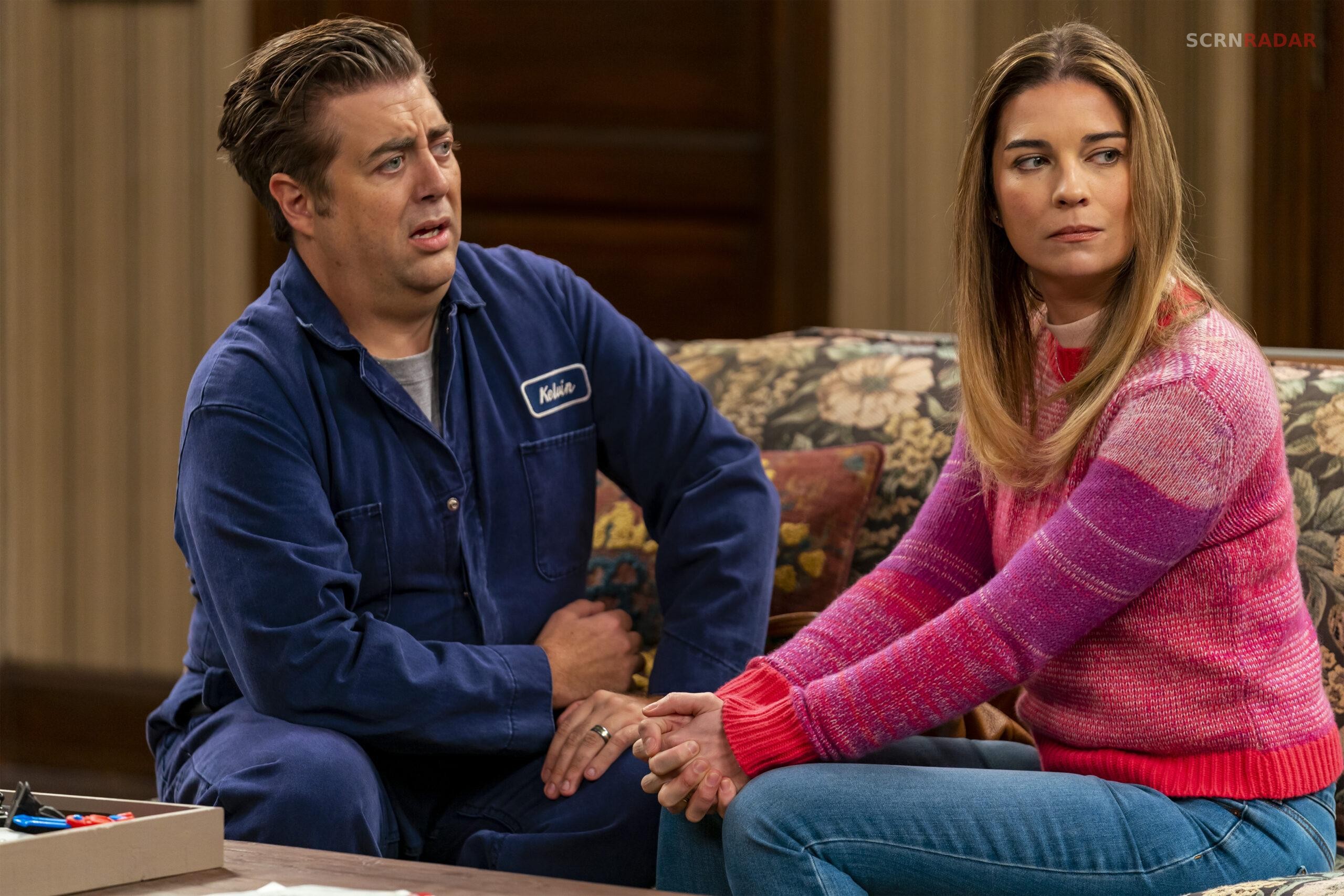
Kevin’s death is not meant to function as a simple punishment or revenge fantasy. Instead, it symbolizes the inevitable collapse of a world built on selfishness and manipulation.
Throughout the series, Kevin survives because everyone around him enables his behavior. His friends excuse him. His family tolerates him. His community laughs at his antics. Allison spends years adapting her life around him.
By the finale, that support system has disappeared. People begin setting boundaries and refusing to participate in Kevin’s version of reality. Once those enablers walk away, Kevin has nothing left.
The house fire reflects this collapse perfectly. The home that once represented Kevin’s kingdom literally burns down around him. His carefully maintained sitcom universe cannot survive exposure to reality.
Rather than being defeated by Allison, Kevin is defeated by himself.
Patty’s Ending Explained
While Allison receives much of the attention, Patty arguably experiences the most meaningful growth throughout the series.
At the beginning of the show, Patty is deeply unhappy and trapped in her own dysfunctional patterns. She lacks confidence, struggles with family obligations, and rarely prioritizes her own needs. Her friendship with Allison changes that.
In the finale, Patty makes several difficult decisions. She ends relationships that no longer serve her, establishes healthier boundaries, and begins taking responsibility for her own future. Even her breakup with Tammy reflects a growing understanding of what she truly wants from life.
Most importantly, Patty stops defining herself through other people. Much like Allison, she learns that freedom requires self-determination rather than dependence.
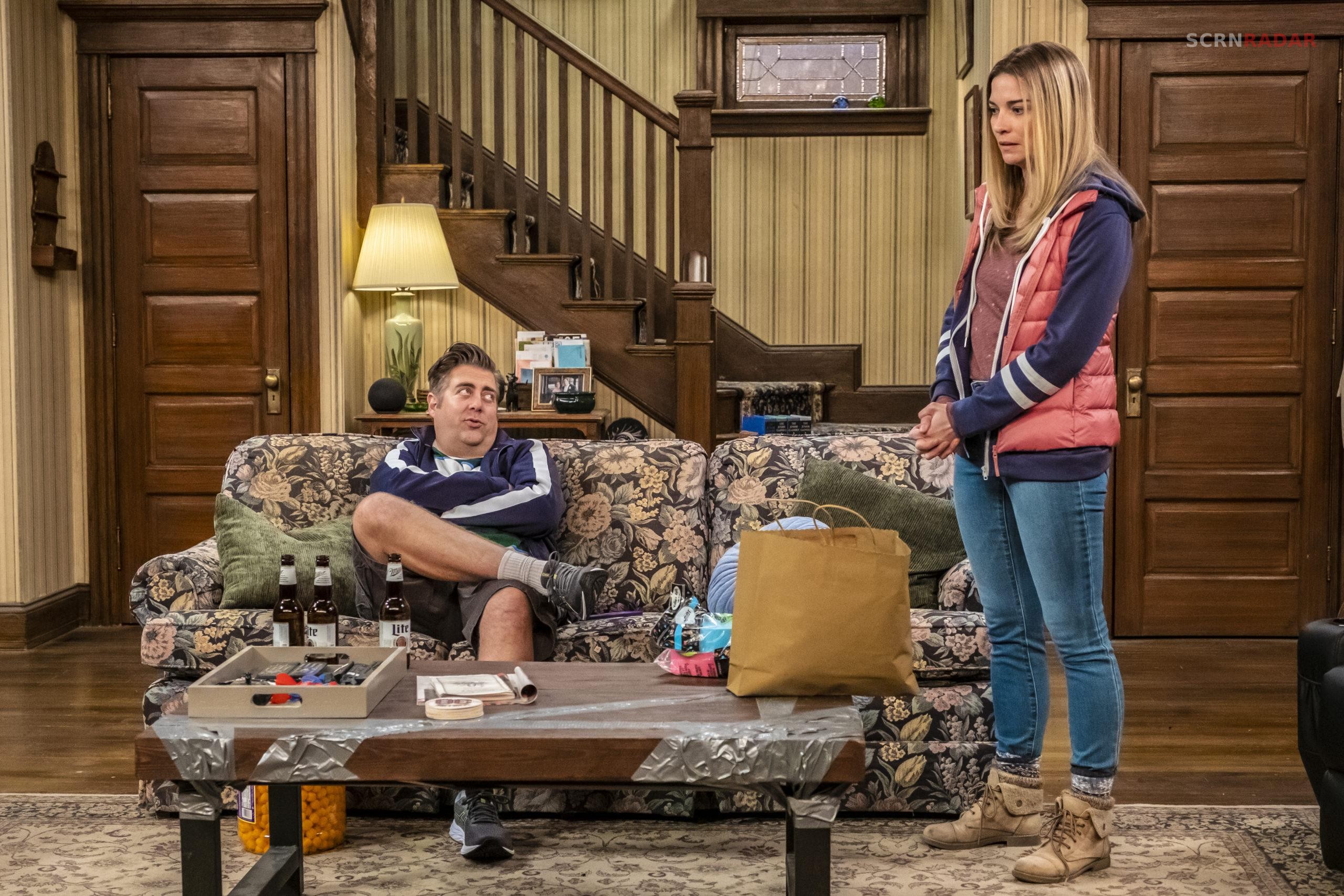
Her development mirrors Allison’s journey, making their friendship the emotional heart of the series.
The Meaning of “Let’s Die Alone Together”
The final scene features Allison and Patty sitting together after Kevin’s death. As they look toward the future, they share the line, “Let’s die alone together.”
At first glance, the phrase sounds contradictory. However, it perfectly captures the show’s message.
Neither woman needs saving anymore. Neither woman needs a romantic partner to define her worth. They are choosing friendship, independence, and authenticity over traditional expectations.
The line acknowledges that everyone ultimately faces life as an individual. Yet it also recognizes the importance of meaningful connections. Allison and Patty are not promising to solve each other’s problems. They are simply choosing to support one another while remaining their own people.
It is an unusually mature and hopeful ending.
Why the Sitcom World Finally Disappears
One of the most fascinating aspects of the finale is how the sitcom framework gradually collapses.
The series has always alternated between two visual styles. The bright, multi-camera sitcom scenes represented Kevin’s perspective and the social systems that protected him. The darker single-camera scenes reflected Allison’s reality.
When Kevin is finally shown entirely within the dramatic world, the barrier between these realities disappears. The audience sees him exactly as Allison sees him.
This transition confirms the show’s central argument. Sitcom conventions often normalize behavior that would be unacceptable in real life. By removing the laugh track, the finale exposes the cruelty hidden beneath Kevin’s actions.
The disappearance of the sitcom format signals the end of denial. Reality can no longer be avoided.
The Real Message Behind the Ending
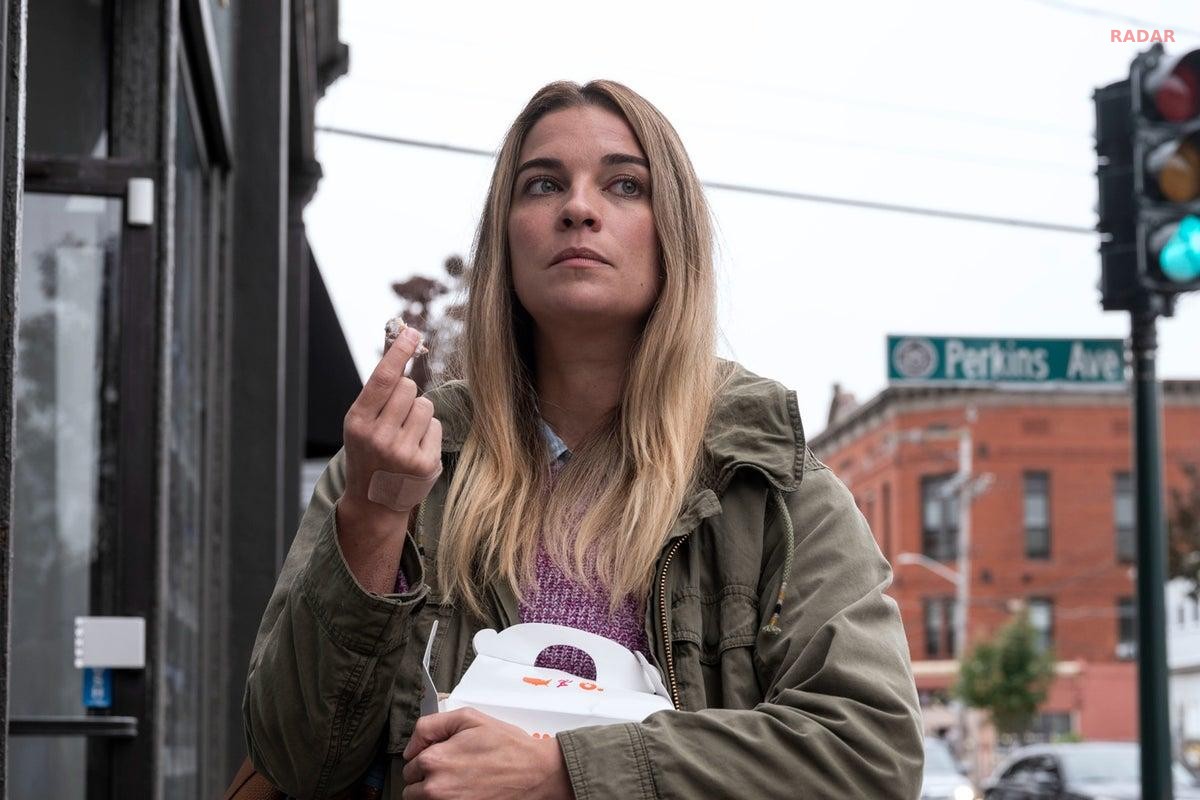
At its core, Kevin Can F**k Himself is not really about Kevin. It is about Allison learning to reclaim her life.
The series begins with Allison believing that escape requires drastic action. Over time, she discovers that genuine freedom comes from confronting the truth rather than running from it. Kevin’s death may resolve the plot, but Allison’s growth provides the emotional resolution.
The finale also challenges traditional television narratives about toxic relationships. Instead of focusing on romance, redemption, or revenge, it emphasizes self-worth and personal agency. Allison does not need a prince to rescue her, nor does she need to become a villain to achieve freedom. She simply needs to choose herself.
The ending of Kevin Can F**k Himself Season 2 delivers a powerful conclusion to one of television’s most inventive shows. Kevin dies in a fire caused by his own actions, Allison finally confronts the man who controlled her life for years, and Patty emerges as a stronger, more independent person.
More importantly, the finale dismantles the sitcom fantasy that protected Kevin throughout the series. By exposing the reality behind the jokes, the show forces viewers to reconsider how television often portrays toxic behavior. Kevin’s downfall is not the result of murder or revenge. It is the natural consequence of a lifetime spent avoiding accountability.
The final image of Allison and Patty looking toward the future captures the show’s ultimate message. Freedom is not about escaping your past. It is about finding the courage to face it and choosing who you want to become next.