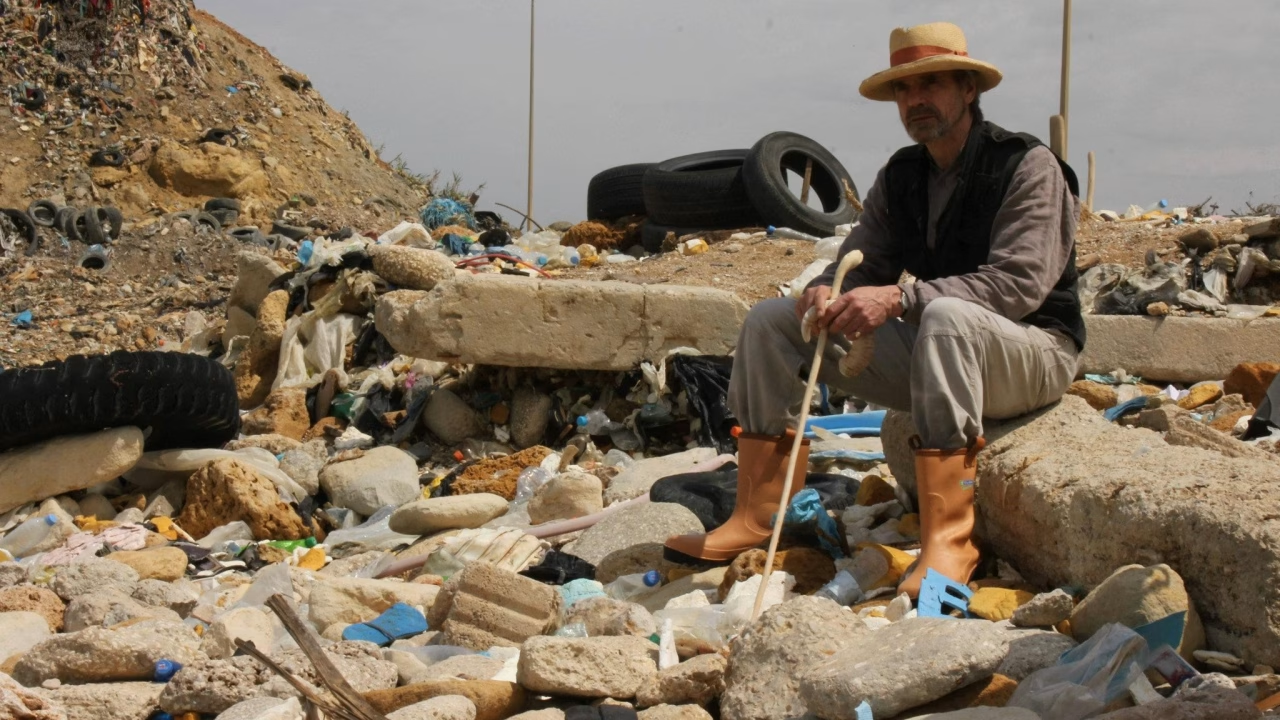
Trashed is a hard-hitting environmental documentary that takes a global look at one of the most urgent issues facing humanity: waste. Released in 2012 and narrated by Jeremy Irons, the film explores how modern consumption habits are contributing to pollution, environmental damage, and long-term health risks. Directed by Candida Brady, the documentary goes beyond simple awareness, presenting a detailed investigation into how waste is produced, managed, and often mishandled.
The film travels across multiple countries, uncovering the realities of landfills, incinerators, and ocean pollution. Instead of focusing on a single narrative, Trashed builds a broader picture of how waste affects ecosystems and communities worldwide. This article breaks down what the documentary is about, its key themes, major revelations, and why it remains relevant today.
What Is Trashed Documentary About?
At its core, Trashed examines the lifecycle of waste, from production to disposal, and the consequences of each stage. The documentary highlights how consumer culture encourages excessive consumption, leading to massive amounts of waste that are difficult to manage sustainably.
Jeremy Irons acts as both narrator and on-screen guide, visiting various locations around the world. Through his journey, viewers are introduced to different waste management systems and the challenges they present. The film makes it clear that waste is not just a local problem but a global crisis affecting every part of the planet.
The documentary also emphasizes the hidden nature of waste. Once garbage is thrown away, it often disappears from public view, but its environmental impact continues. This central idea drives the narrative, encouraging viewers to reconsider their relationship with everyday consumption.
A Global Investigation Into Waste
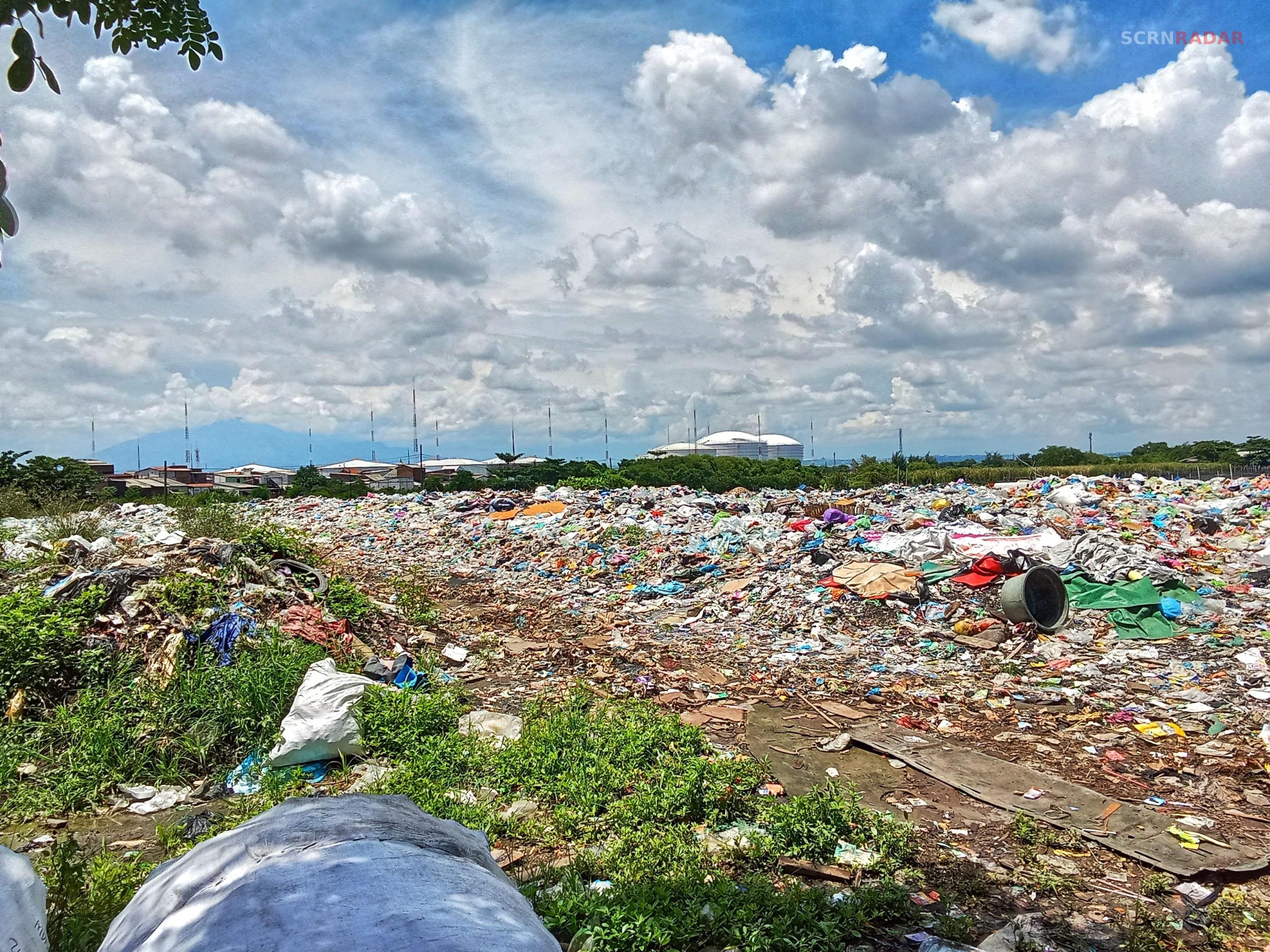
One of the defining features of Trashed is its global scope. The documentary travels to countries such as the United States, Indonesia, Italy, and the United Kingdom, showcasing how waste management practices vary across regions.
In some areas, the film highlights overflowing landfills and inadequate disposal systems. In others, it examines the environmental consequences of exporting waste to developing countries. These segments reveal how waste is often shifted from one region to another, rather than being properly addressed.
The global perspective reinforces the idea that waste is a shared responsibility. While some countries produce more waste than others, the impact is felt worldwide, particularly in ecosystems like oceans that transcend national boundaries.
The Environmental Impact of Waste
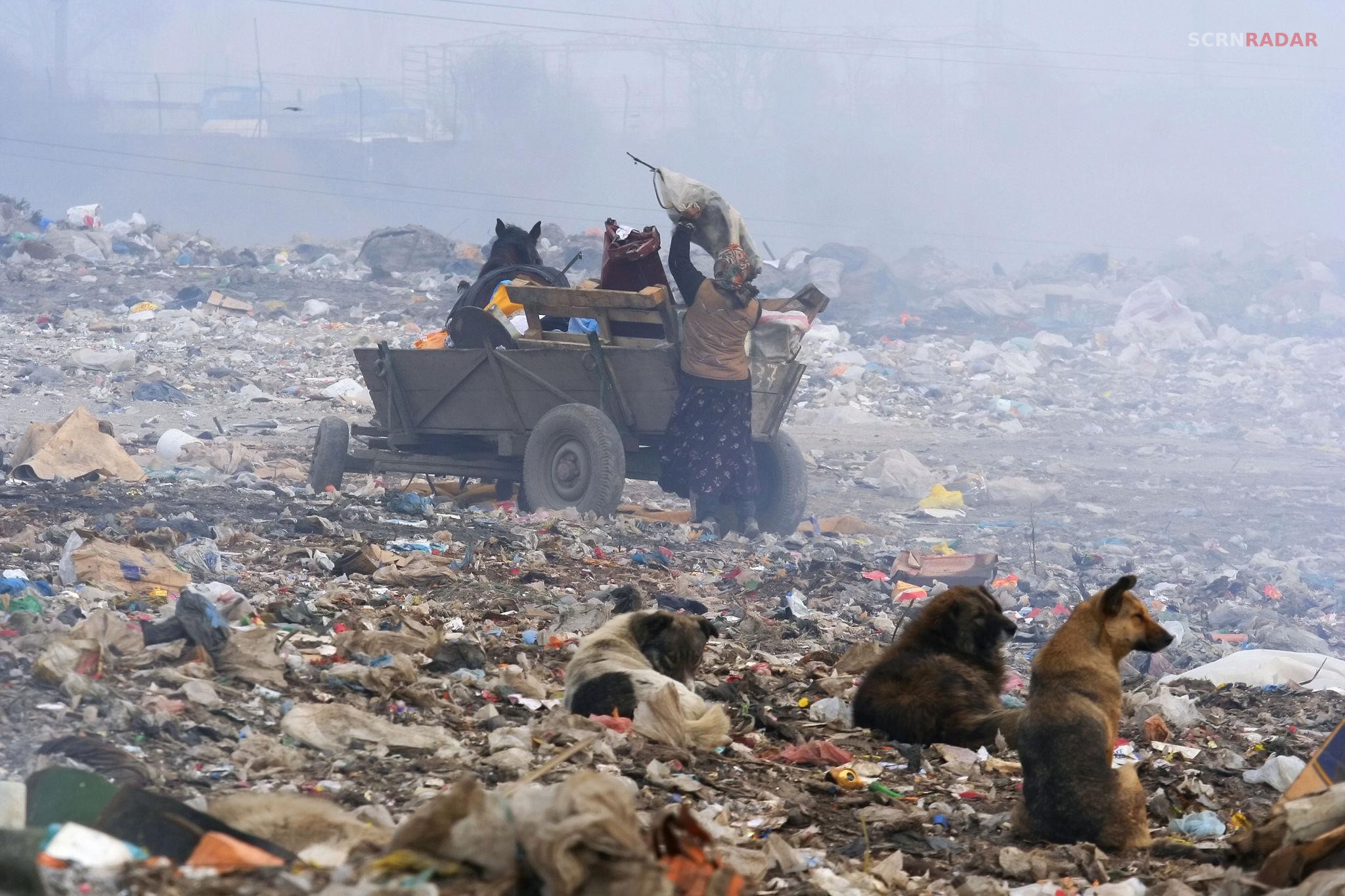
A major focus of Trashed is the environmental damage caused by improper waste management. The documentary explores how landfills release harmful chemicals into the soil and water, posing risks to both ecosystems and human health.
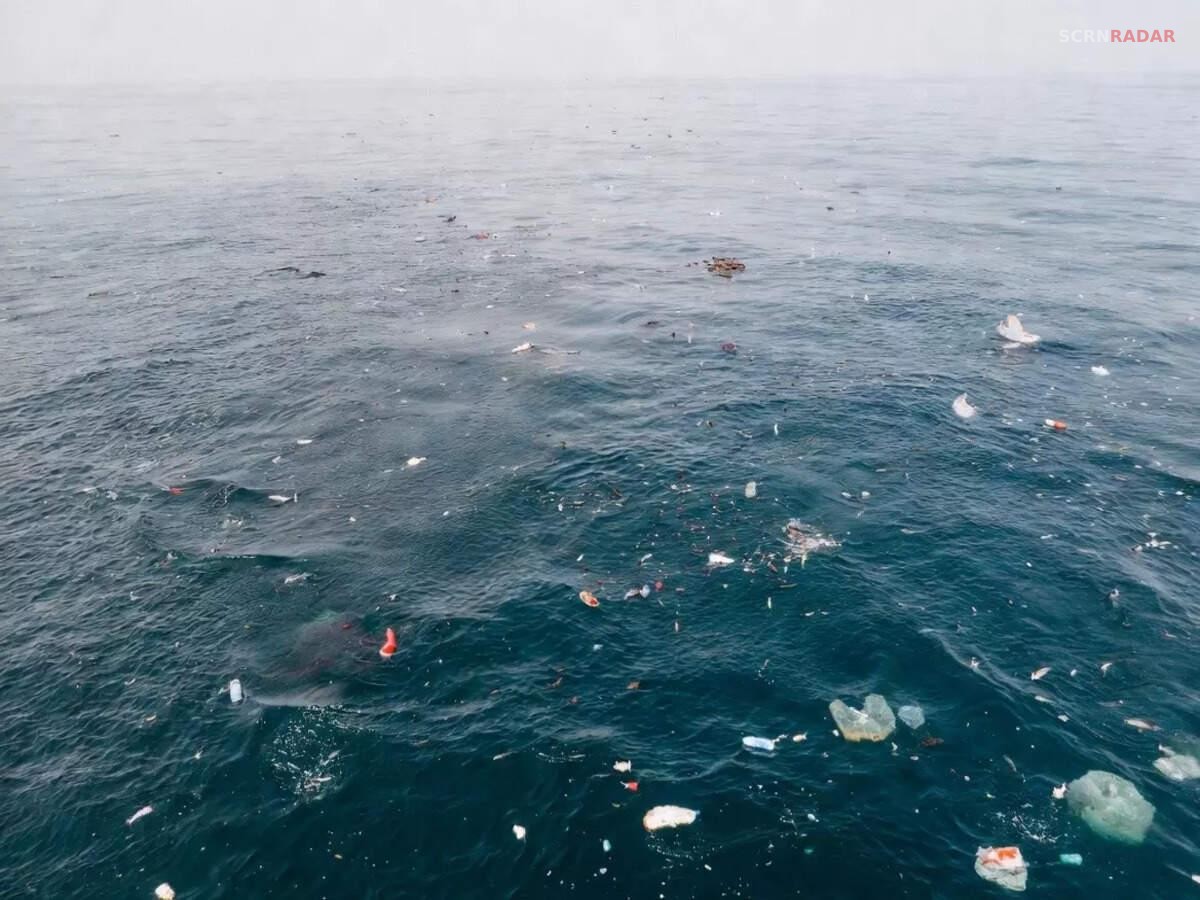
Plastic pollution is another key issue highlighted in the film. Large quantities of plastic waste end up in oceans, where they break down into microplastics that can be ingested by marine life. This not only harms wildlife but also enters the human food chain.
The documentary also examines the role of incineration in waste management. While burning waste can reduce its volume, it often releases toxic emissions into the atmosphere. These emissions contribute to air pollution and can have serious health consequences for nearby communities.
By presenting these issues in detail, Trashed emphasizes the far-reaching impact of waste, showing that its effects extend far beyond the initial act of disposal.
Human Health and Waste Exposure
Beyond environmental concerns, Trashed highlights the direct impact of waste on human health. Communities living near landfills and incinerators are often exposed to harmful substances, leading to increased risks of illness.
The documentary includes interviews with experts and affected individuals, providing insight into how waste-related pollution affects daily life. These personal stories add an emotional dimension to the film, making the issue more relatable and urgent.
Jeremy Irons’ narration underscores the seriousness of these health risks. By connecting environmental damage to human well-being, the documentary strengthens its argument that waste management is not just an ecological issue but a public health concern.
Consumer Culture and Overconsumption
A central theme of Trashed is the role of consumer culture in driving waste production. The documentary argues that modern lifestyles prioritize convenience and disposability, leading to excessive consumption.
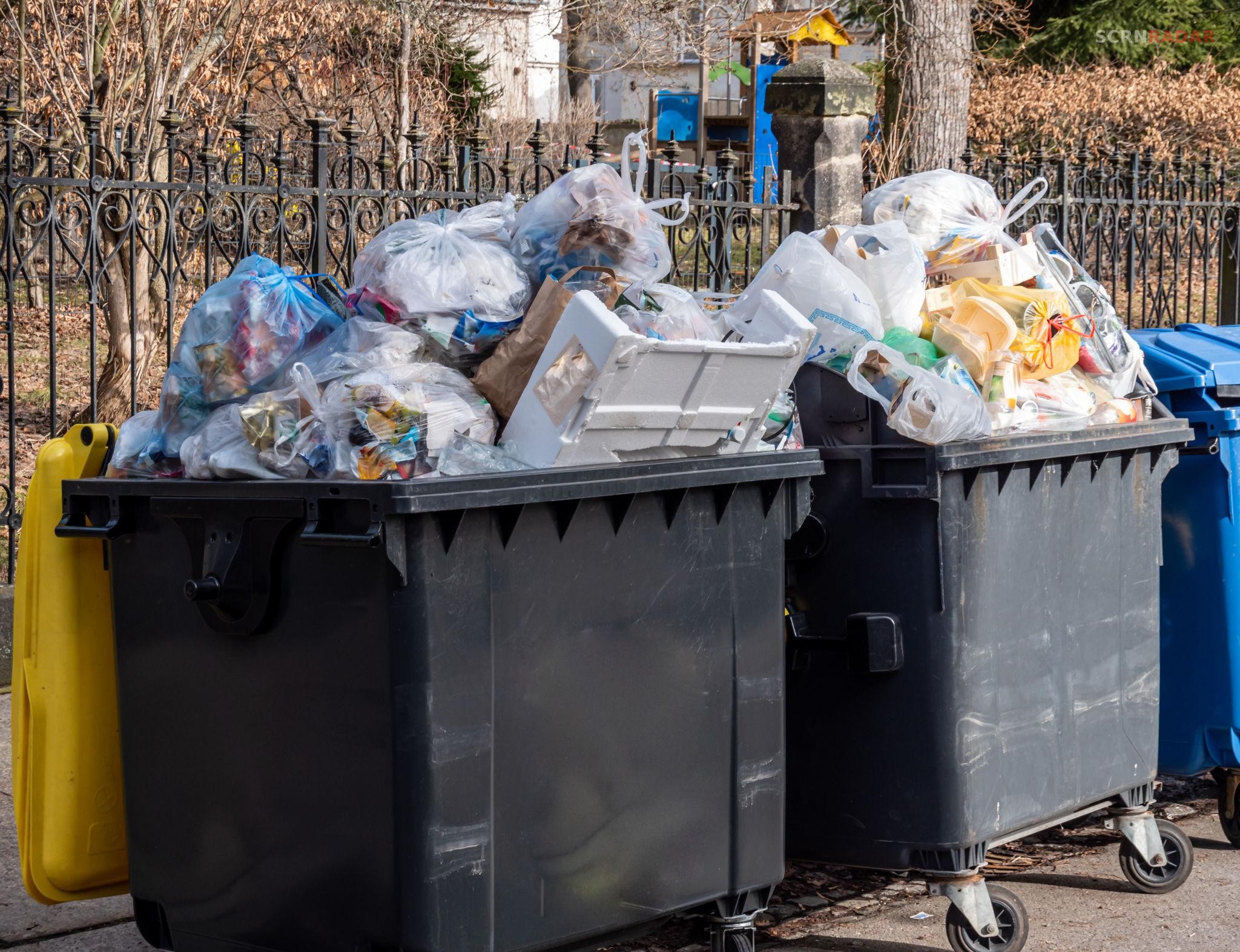
Products are often designed for short-term use, resulting in a constant cycle of production and disposal. Packaging, particularly plastic, contributes significantly to this problem, as it is used briefly but persists in the environment for years.
The film challenges viewers to reconsider their consumption habits. By highlighting the connection between individual choices and global waste, it encourages a more mindful approach to everyday decisions.
This focus on consumer behavior adds a practical dimension to the documentary, suggesting that change is possible through collective action.
Solutions and Sustainable Alternatives
While Trashed presents a stark picture of the waste crisis, it also explores potential solutions. The documentary highlights initiatives aimed at reducing waste and promoting sustainability.
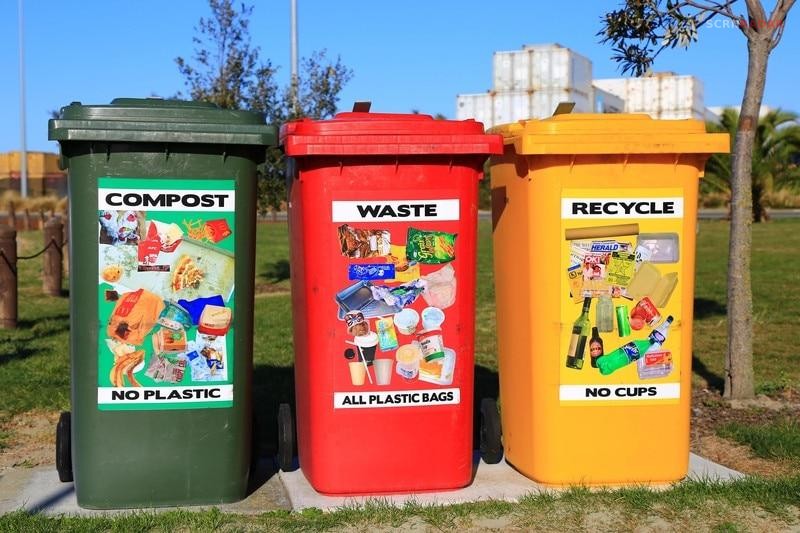
Recycling and composting are presented as important steps, but the film also points out their limitations. Simply managing waste more efficiently is not enough; reducing waste at its source is essential.
The concept of a circular economy is introduced as a more sustainable alternative. This approach emphasizes designing products that can be reused, repaired, or recycled, minimizing waste generation.
The documentary also showcases communities and organizations working toward zero-waste goals. These examples provide a sense of hope, demonstrating that meaningful change is possible.
The Role of Governments and Corporations
Trashed examines how policy decisions and corporate practices contribute to the waste crisis. Governments play a crucial role in regulating waste management and promoting sustainable practices, but the documentary suggests that action is often insufficient.
Corporations are also held accountable for their role in producing large amounts of waste. Packaging and product design decisions significantly impact the amount of waste generated, making corporate responsibility a key factor in addressing the issue.
The film calls for greater transparency and accountability from both governments and businesses. Highlighting these systemic issues, it emphasizes that solving the waste crisis requires more than individual action.
Where Trashed Excels
One of the documentary’s greatest strengths is its ability to combine information with emotional impact. The use of real-world examples and personal stories makes the issue of waste feel immediate and tangible.
Jeremy Irons’ presence adds credibility and engagement, guiding viewers through complex topics in an accessible way. His narration helps connect different segments of the film, creating a cohesive narrative.
The documentary’s global perspective is another highlight. By showcasing different regions and challenges, it provides a comprehensive view of the waste crisis.
Additionally, the film’s focus on solutions ensures that it is not purely pessimistic. While the issues presented are serious, the documentary offers a path forward.
Where It Falls Short
Despite its strengths, Trashed has some limitations. The documentary covers a wide range of topics, which can make it feel somewhat scattered at times. Some viewers may prefer a more focused narrative.
The film’s tone can also be overwhelming, as it presents numerous environmental and health concerns in quick succession. While this reinforces the urgency of the issue, it may be difficult for some viewers to process.
Additionally, while the documentary highlights solutions, it does not always explore them in depth. This can leave viewers wanting more detailed guidance on how to implement change.
These shortcomings do not significantly diminish the film’s impact, but they are worth noting.
Why Trashed Remains Relevant Today
More than a decade after its release, Trashed remains highly relevant. The global waste crisis has continued to grow, with plastic pollution and environmental degradation becoming even more pressing issues.
The documentary’s themes align closely with current discussions about sustainability and climate change. Governments, organizations, and individuals are increasingly recognizing the need for better waste management practices.
The rise of environmental movements and increased awareness of plastic pollution have brought many of the issues highlighted in Trashed into the mainstream. This makes the documentary an important resource for understanding these challenges.
Its continued relevance underscores the importance of its message and the need for ongoing action.
Trashed is a powerful and thought-provoking documentary that sheds light on one of the most critical issues of our time. Through its global perspective, compelling storytelling, and focus on real-world impact, it succeeds in raising awareness about the waste crisis.
While it may not provide all the answers, the documentary encourages viewers to think critically about their consumption habits and the broader systems that contribute to waste. Its combination of information and emotional storytelling makes it both educational and engaging.
For anyone interested in environmental issues or looking to understand the impact of waste, Trashed is essential viewing. It is a reminder that the problem of waste is not someone else’s responsibility but a challenge that affects everyone.
Another important aspect of Trashed is how it encourages long-term thinking rather than short-term fixes when addressing the waste crisis. The documentary repeatedly stresses that the consequences of today’s consumption habits will continue to affect future generations, especially through pollution that persists in ecosystems for decades.
This forward-looking perspective adds urgency to its message, pushing viewers to consider the legacy of their actions. By framing waste as an ongoing cycle rather than a temporary issue, the film reinforces the need for systemic change, making its core message feel both immediate and lasting.