

Girl, Interrupted concludes with a deeply introspective and symbolic ending that reflects its central themes of identity, mental health, and personal responsibility. Directed by James Mangold and based on Susanna Kaysen’s memoir, the film follows a young woman steering life inside a psychiatric institution in the late 1960s. By the time the story reaches its final moments, the narrative shifts from chaos and rebellion toward self-awareness and growth.
Throughout the film, Susanna Kaysen struggles with her diagnosis of borderline personality disorder, often questioning whether she truly belongs in the institution. Her interactions with other patients, especially the manipulative yet charismatic Lisa Rowe, shape her perspective on freedom and control. The ending ultimately forces Susanna to confront the consequences of avoidance and choose a path forward.
Rather than delivering a dramatic twist, the film’s conclusion is quiet and reflective. It emphasizes internal change over external resolution, making it one of the most thought-provoking endings in psychological drama.
Why Susanna Chooses Recovery in the End
The turning point in the ending comes after a traumatic night involving Lisa and Daisy. Susanna witnesses firsthand the destructive nature of Lisa’s worldview, which glorifies rebellion without accountability. This experience forces her to reevaluate her own behavior and the way she has been drifting through life.
When Susanna later confronts Lisa back at the institution, she finally asserts herself. She calls out Lisa’s manipulation and refuses to be drawn into her toxic mindset. This moment is crucial because it marks the first time Susanna actively chooses self-awareness over denial.
By deciding to engage with her treatment and accept responsibility for her actions, Susanna begins her journey toward recovery. The ending suggests that healing starts with acknowledging one’s reality rather than escaping it.
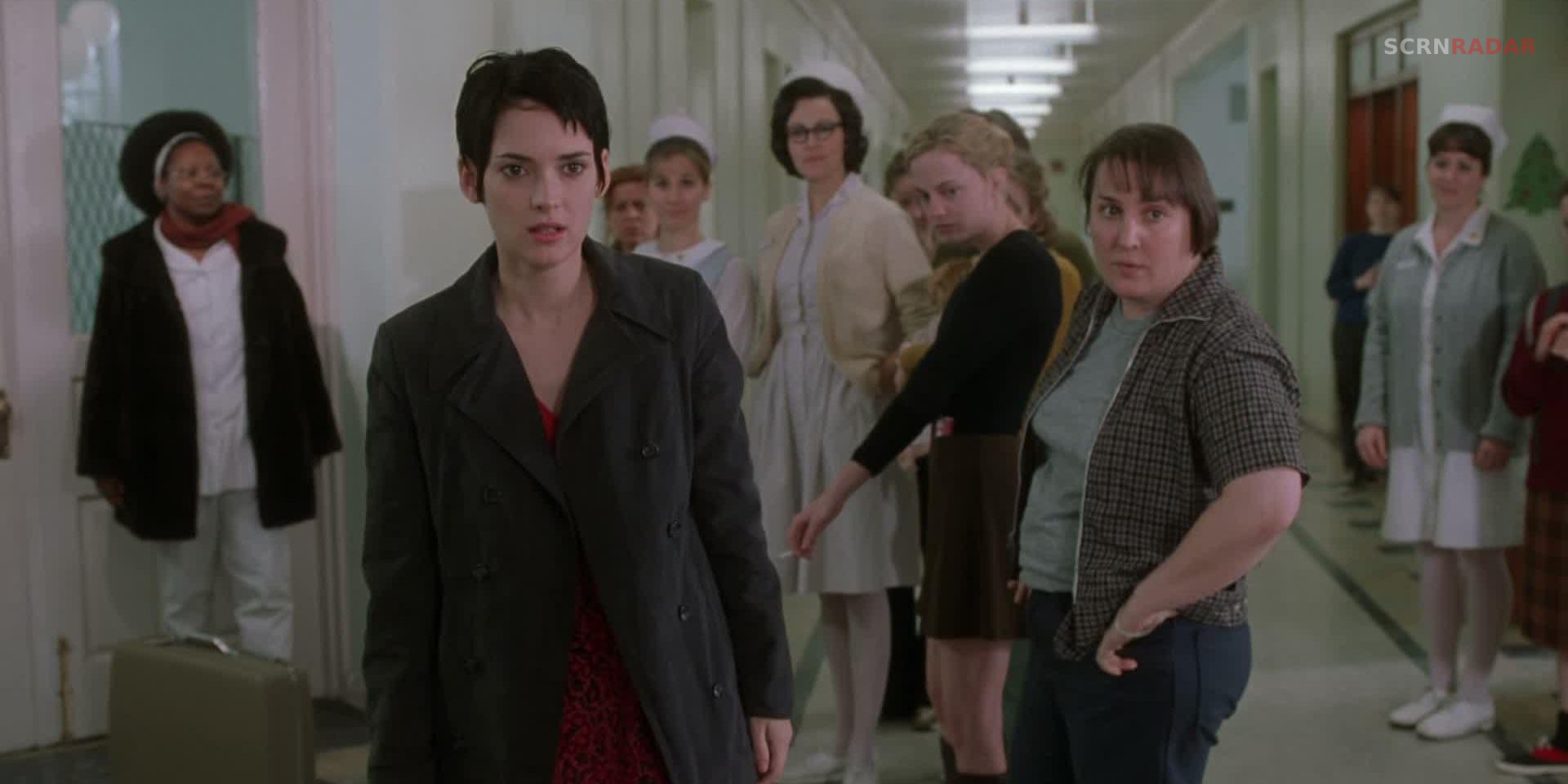
Lisa remains one of the most compelling and ambiguous characters in Girl, Interrupted. Unlike Susanna, she does not experience a clear arc of growth or change by the end of the film. Her return to the institution after escaping highlights the cyclical nature of her behavior.
The final confrontation between Lisa and Susanna reveals the contrast between the two characters. While Susanna begins to move forward, Lisa remains trapped in her patterns of manipulation and avoidance. Her laughter and defiance mask a deeper inability to confront her own issues.
The film does not offer closure for Lisa, and that is intentional. She represents a path that Susanna could have taken but ultimately rejects. This contrast reinforces the film’s central message about choice and accountability.
The Meaning Behind the Final Scenes
The closing moments show Susanna being released from the institution after demonstrating progress in her treatment. She reflects on her time there with a sense of clarity and understanding that was absent at the beginning of the film. Her narration provides insight into how her experiences shaped her identity.
Importantly, the ending does not suggest that Susanna is completely “cured.” Instead, it acknowledges that mental health is an ongoing process. Her release signifies a step forward, not a definitive resolution.
The film also emphasizes the importance of connection and empathy. Susanna’s relationships with other patients, despite their struggles, play a significant role in her growth. These connections help her understand herself better and move toward a healthier future.
What the Ending Really Means
The ending of Girl, Interrupted is ultimately about reclaiming control over one’s life. Susanna’s journey is not about conforming to societal expectations but about finding a sense of self that is grounded in reality. Her decision to embrace treatment reflects a willingness to face her challenges head-on.
The film also challenges the idea of labeling individuals as simply “sane” or “insane.” It blurs the line between normalcy and disorder, suggesting that everyone exists on a spectrum. This perspective adds depth to the story and makes its conclusion more impactful.
In the end, Susanna’s departure from the institution represents hope. It shows that growth is possible, even in the face of confusion and pain. The film closes on a note of cautious optimism, reminding viewers that self-awareness is the first step toward change.