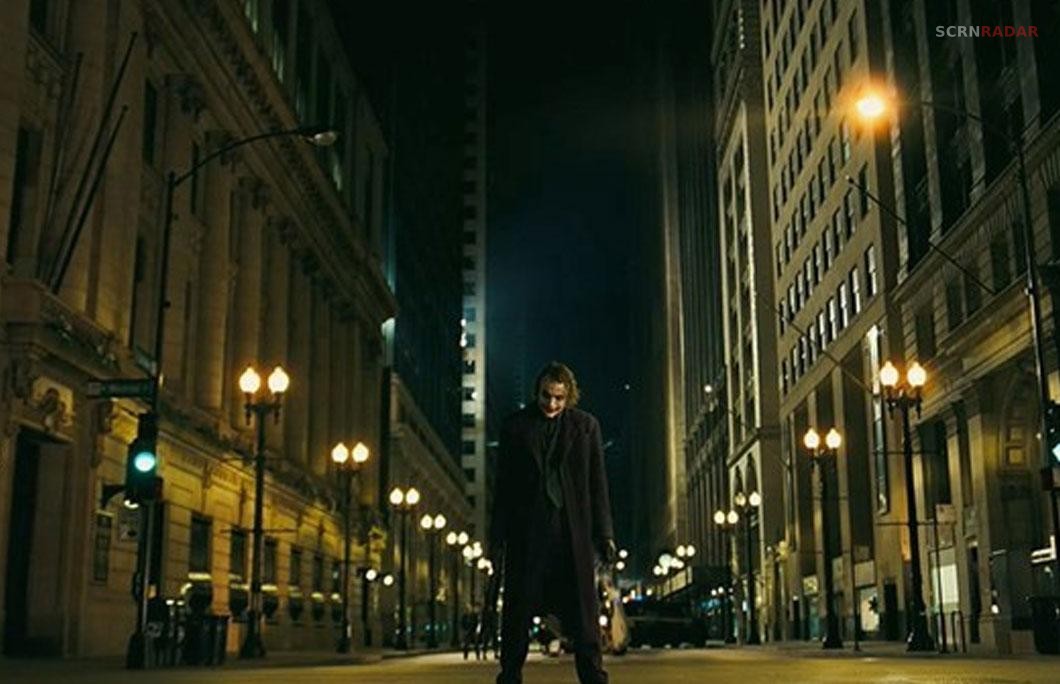
Christopher Nolan’s The Dark Knight is widely regarded as one of the greatest superhero films ever made, but its realism did not come from storytelling alone. A major reason the film feels grounded is its use of real-world filming locations instead of relying heavily on CGI. Unlike earlier Batman films that leaned into stylized sets, Nolan chose actual cities to bring Gotham to life.
From the towering skyscrapers of Chicago to the sleek skyline of Hong Kong and carefully selected locations in London, The Dark Knight blends multiple cities into one cohesive urban terrain. This approach gave Gotham a believable, lived-in feel that set a new standard for superhero filmmaking. According to production details and coverage from outlets like Variety and The Guardian, Nolan’s commitment to practical locations played a crucial role in shaping the film’s immersive tone.
Let’s break down where The Dark Knight was filmed, how each location contributed to Gotham’s identity, and why these real-world settings still matter today.
Why Christopher Nolan Chose Real Locations for Gotham
Christopher Nolan’s vision for Gotham City was grounded in realism rather than fantasy. Instead of creating an entirely fictional environment, he wanted audiences to feel like Gotham could exist in the real world. This meant using recognizable urban architecture and shooting on location whenever possible.
Chicago became the primary filming location because of its diverse skyline and cinematic history. The city offers a mix of modern skyscrapers, historic buildings, and wide streets that perfectly match Gotham’s aesthetic. According to The Guardian, Nolan believed Chicago could represent Gotham without needing extensive digital alteration, making it the ideal choice for the film’s core setting.
This decision also allowed the film to stage large-scale action sequences in real environments. Scenes like the Joker’s truck flip and the opening bank heist feel more intense because they were filmed on actual streets rather than soundstages.
Chicago: The Heart of Gotham City
Chicago serves as the backbone of Gotham City in The Dark Knight. Many of the film’s most iconic scenes were shot throughout the city, transforming its streets into Batman’s urban battleground.
The opening bank heist sequence was filmed in Chicago’s financial district. The recognizable architecture and grid-like streets give the scene a sense of authenticity that immediately sets the tone for the film. The use of real buildings adds weight to the chaos caused by the Joker and his crew.
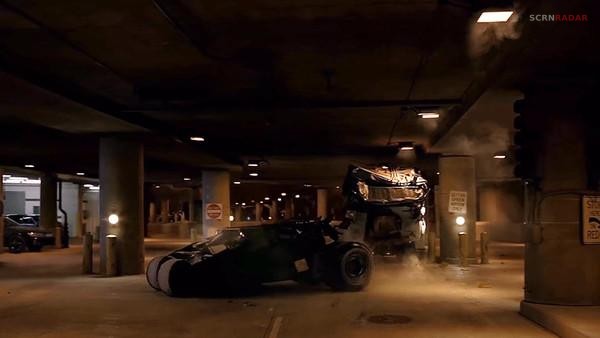
Lower Wacker Drive is another standout location featured prominently in the film. This multi-level roadway system is used for the intense chase scene involving Batman, the Joker, and Harvey Dent. The underground setting enhances the tension and creates a unique visual style that has become synonymous with the movie.
Chicago also doubles as the location for Wayne Enterprises and Gotham General Hospital. Several exterior shots of these buildings were filmed using real structures in the city, helping maintain continuity throughout the film.
The Iconic Truck Flip Scene in Chicago
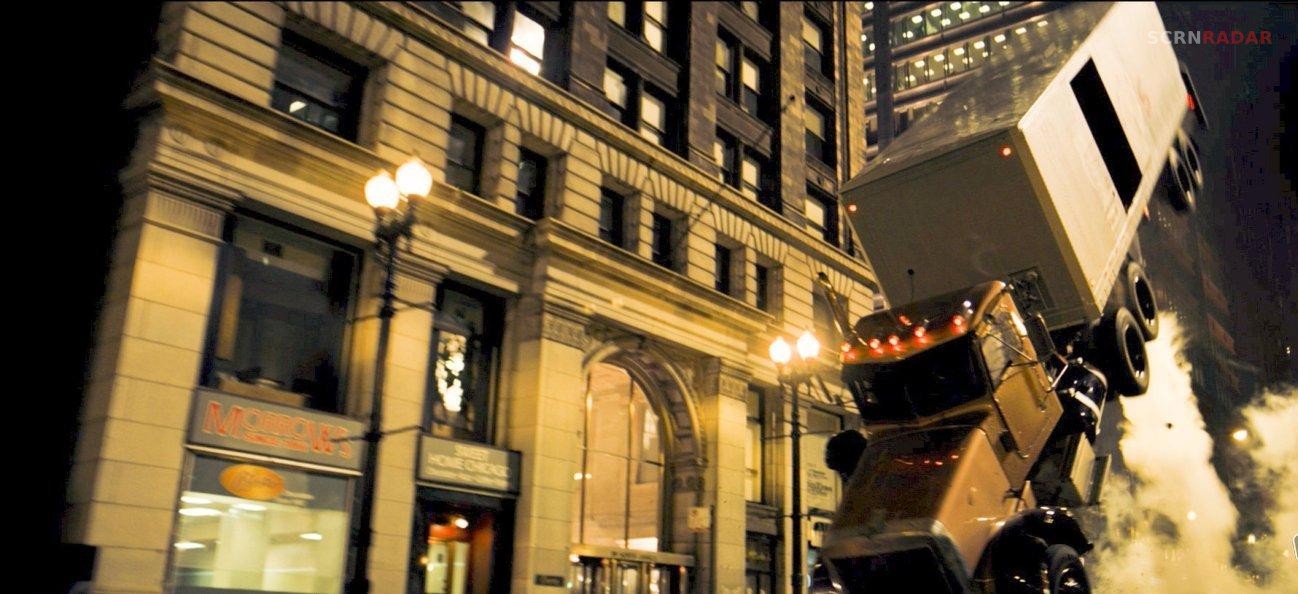
One of the most memorable moments in The Dark Knight is the Joker’s truck flip. This practical effect became a defining image of the film and showcased Nolan’s commitment to realism.
The scene was filmed on LaSalle Street in Chicago, where the production team physically flipped a semi-truck using a specially designed rig. This was not a CGI effect but a real stunt executed in the middle of a major city street. According to production reports highlighted by Variety, Nolan insisted on achieving the shot practically to maintain authenticity.
The surrounding buildings and street layout played a key role in making the scene believable. Because it was filmed in a real location, the scale and impact of the stunt feel far more convincing than a digital recreation.
This moment remains one of the most iconic practical effects in modern cinema.
London: Interior Sets and Key Scenes
While Chicago provided the exterior backbone of Gotham, London played a crucial role in filming interior scenes. Much of the film’s indoor sequences were shot at studios and real locations across the city.
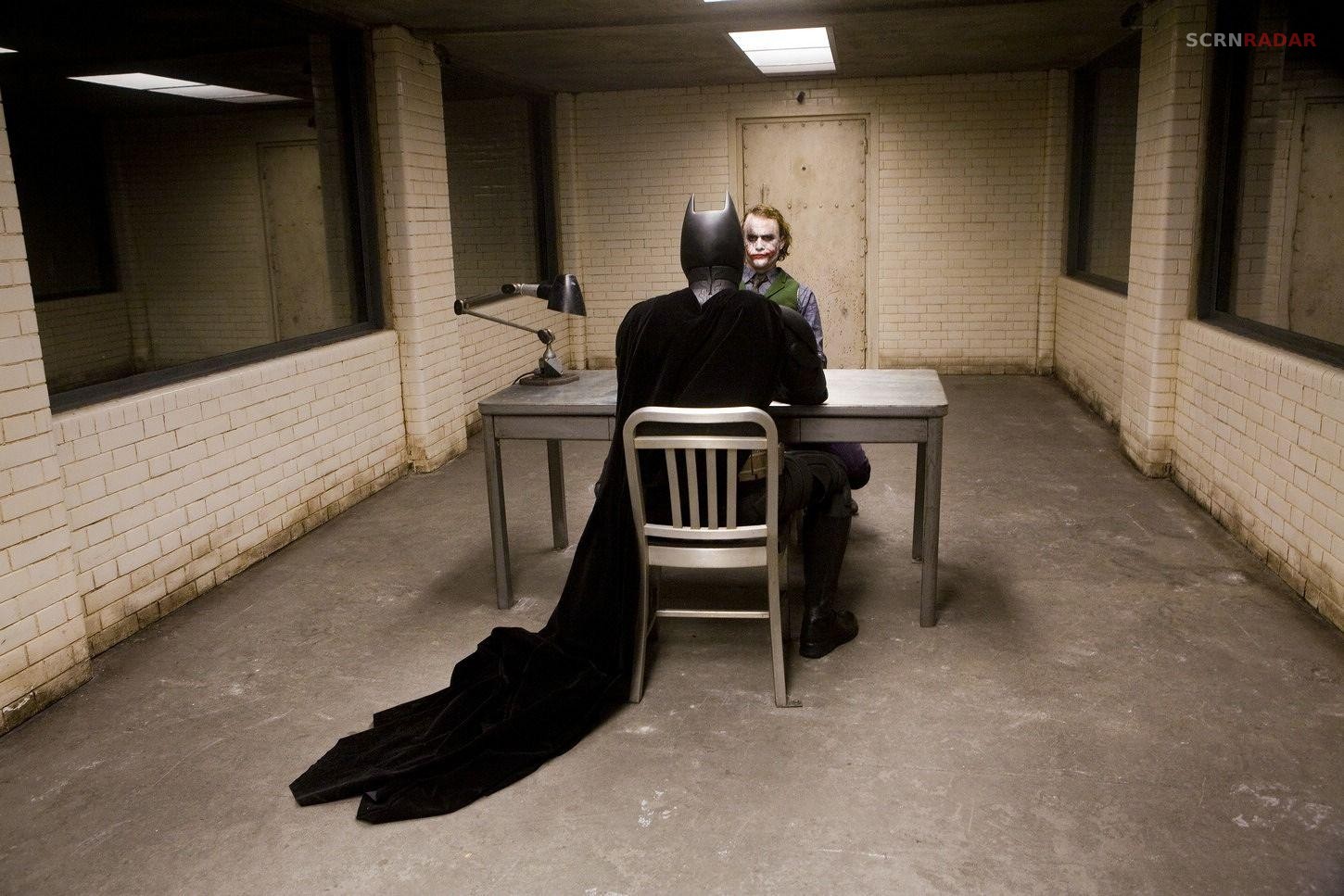
The famous interrogation scene between Batman and the Joker was filmed at Cardington Airfield in Bedfordshire, just outside London. This massive hangar allowed the production team to construct detailed sets while maintaining control over lighting and camera movement. The controlled environment helped create the intense atmosphere of the scene.
Other interiors, including parts of Wayne Enterprises and Gotham City Police Department, were also filmed in London. These locations complemented the Chicago exteriors, ensuring visual consistency throughout the film.
London’s contribution highlights how Nolan balanced real-world locations with carefully designed sets to achieve his vision.
Hong Kong: The Lau Extraction Sequence
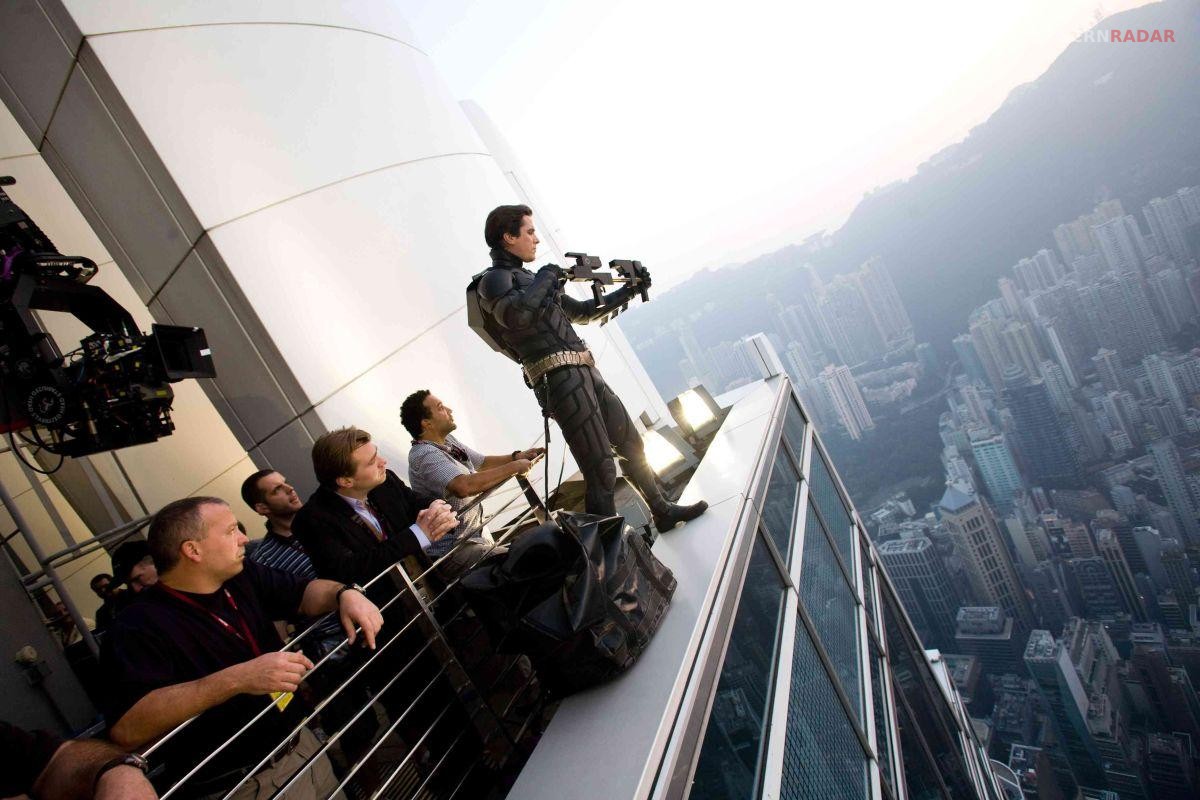
One of the film’s most visually striking sequences takes place in Hong Kong. This marks a rare moment where Gotham extends beyond its usual boundaries and enters an international setting.
Batman’s mission to capture Lau was filmed in and around Hong Kong’s Central District. The city’s modern skyline and dense urban environment provided a stark contrast to Chicago’s architecture. According to reports covered by The Guardian, Nolan chose Hong Kong for its unique visual identity and global significance.
The sequence includes breathtaking shots of Batman gliding between skyscrapers, which were partially filmed on location and enhanced with visual effects. The use of real buildings and cityscapes adds credibility to the action, making the sequence feel grounded despite its scale.
This international setting reinforces the idea that Gotham’s influence extends beyond a single city.
Other Notable Filming Locations
In addition to Chicago, London, and Hong Kong, The Dark Knight utilized several other locations to complete its world-building. These smaller but important sites contributed to the film’s realism.
Some scenes were filmed in the United Kingdom outside London, including rural areas used for specific sequences. These locations provided flexibility for scenes that required controlled environments or unique settings.
The production also made use of various soundstages to construct specific sets that could not be filmed on location. These included detailed interiors that required precise control over lighting and design.
By combining multiple locations, Nolan created a version of Gotham that feels expansive and believable.
How Locations Shaped Gotham’s Identity
The choice of filming locations had a direct impact on how audiences perceive Gotham City. Instead of feeling like a fictional place, Gotham comes across as a real, functioning metropolis.
Chicago’s architecture gives Gotham a modern, urban identity. The city’s glass skyscrapers and structured streets reflect a sense of order that contrasts with the chaos caused by the Joker. This visual contrast enhances the film’s themes of control versus anarchy.
Hong Kong adds a global dimension to the story, showing that Gotham’s issues are not isolated. London’s interiors provide the necessary depth for character-driven scenes, allowing the story to balance action with emotional intensity.
Together, these locations create a cohesive world that feels both realistic and cinematic.
Why The Dark Knight’s Filming Approach Still Matters
The Dark Knight set a new standard for how superhero films use real locations. At a time when many movies relied heavily on green screens, Nolan demonstrated the power of practical filmmaking.
The success of the film influenced future productions, encouraging filmmakers to incorporate real environments into their storytelling. This approach can be seen in later films that prioritize location shooting to enhance realism.
The film’s use of IMAX cameras also benefited from real-world locations. Shooting in actual cities allowed Nolan to capture large-scale visuals that would have been difficult to replicate digitally.
Even years after its release, The Dark Knight remains a benchmark for combining practical effects with real locations.
Can You Visit The Dark Knight Filming Locations Today?
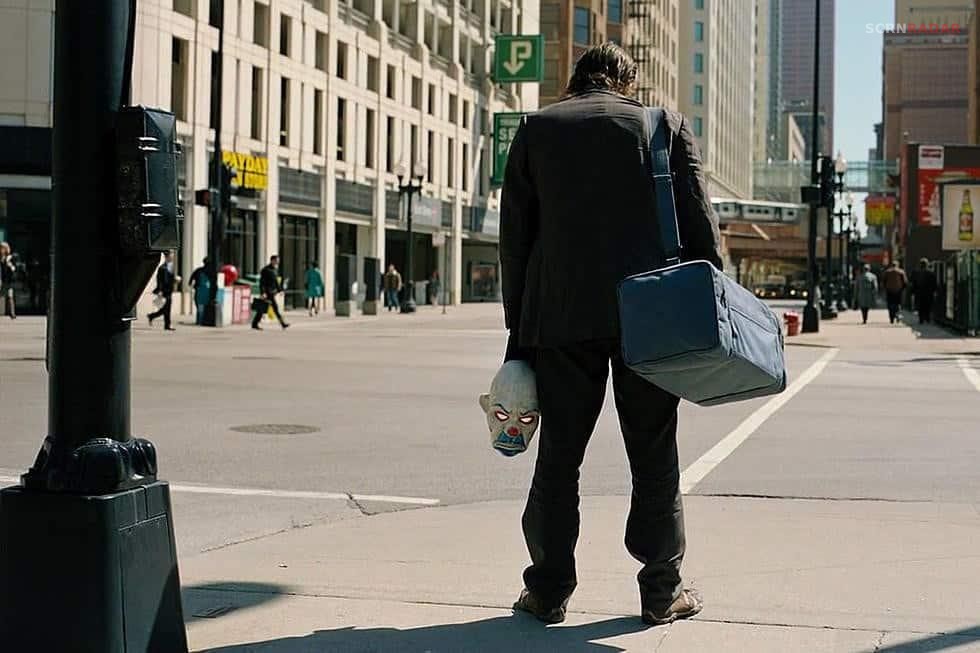
Many of the locations used in The Dark Knight are still accessible to the public. Chicago, in particular, has become a popular destination for fans looking to explore Gotham’s real-world counterpart.
LaSalle Street, Lower Wacker Drive, and various downtown areas can still be visited today. Fans often recreate scenes or take photos at these iconic spots. The city has embraced its connection to the film, making it easier for visitors to identify key locations.
In Hong Kong, several areas featured in the film remain recognizable, although some have changed due to ongoing development. London’s filming sites, including Cardington Airfield, are less accessible but still notable for film enthusiasts.
Visiting these locations offers a unique way to experience the world of The Dark Knight beyond the screen.
The Dark Knight stands out not only for its storytelling and performances but also for its commitment to realism through location shooting. By using cities like Chicago, London, and Hong Kong, Christopher Nolan created a version of Gotham that feels tangible and immersive.
Each location plays a specific role in shaping the film’s identity. Chicago provides the foundation, London supports the narrative with detailed interiors, and Hong Kong expands the story’s scope. Together, they form a cohesive world that enhances every aspect of the film.
The decision to prioritize real locations over CGI has helped The Dark Knight age remarkably well. Its grounded aesthetic continues to influence filmmakers and remains a key reason why the movie is still celebrated today.
For fans and film enthusiasts, exploring these locations offers a deeper appreciation of how one of the greatest superhero films was brought to life.