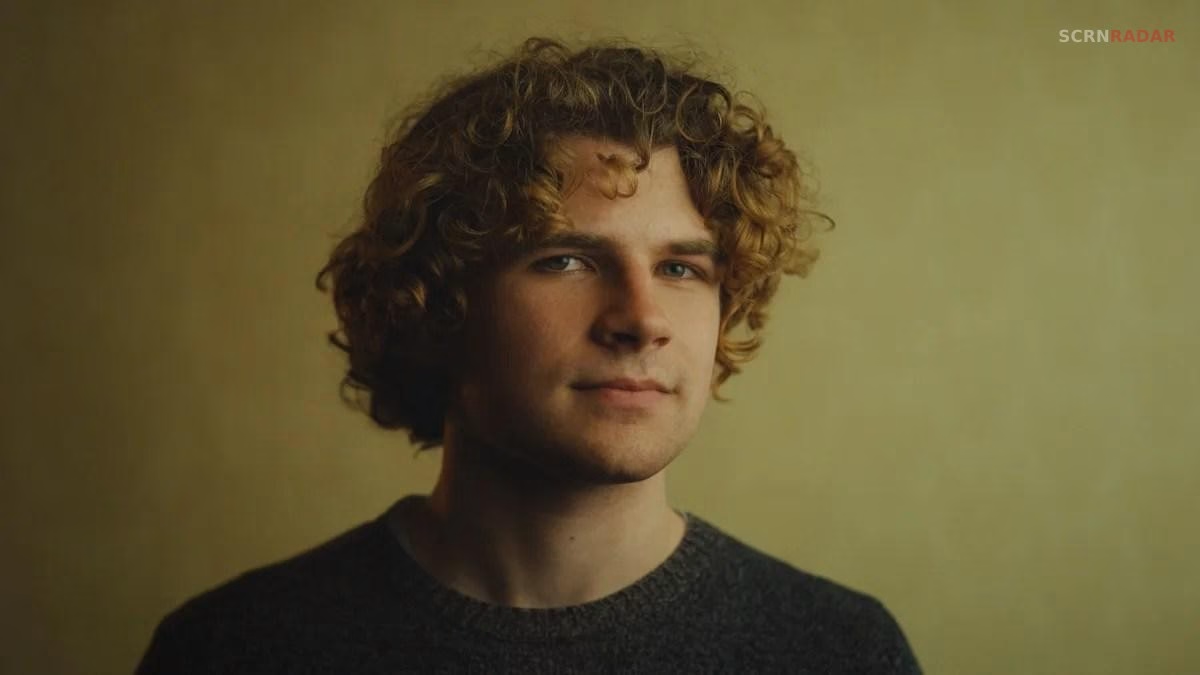
A24’s Backrooms, directed by 20-year-old filmmaker Kane Parsons, is generating strong early buzz ahead of its theatrical release, with critics praising its unsettling atmosphere while expressing mixed reactions to its storytelling approach. The film, based on Parsons’ viral YouTube series, is one of the most anticipated horror releases of 2026 and has already sparked debate across major publications.
With an 87% score on Rotten Tomatoes and projected box office earnings between $45 million and $50 million, Backrooms is positioned to become one of A24’s biggest openings to date. The film stars Chiwetel Ejiofor, Renate Reinsve, and Mark Duplass, with production support from horror heavyweights James Wan and Osgood Perkins.
Kane Parsons Gains Industry Support Despite Early Doubts
Before release, online speculation questioned whether Parsons, who rose to prominence through YouTube, was truly directing a major studio film. Those concerns were quickly addressed by actor Mark Duplass, who publicly defended the young filmmaker.
“When I was there, Kane was 100% in control — more so than many directors three times his age,”
Duplass wrote on X, reinforcing confidence in Parsons’ creative leadership.
The statement has become a key talking point in discussions about the film, especially given Parsons’ age and unconventional path into Hollywood. His transition from internet creator to feature film director reflects a broader shift in how talent is discovered and developed in the industry.
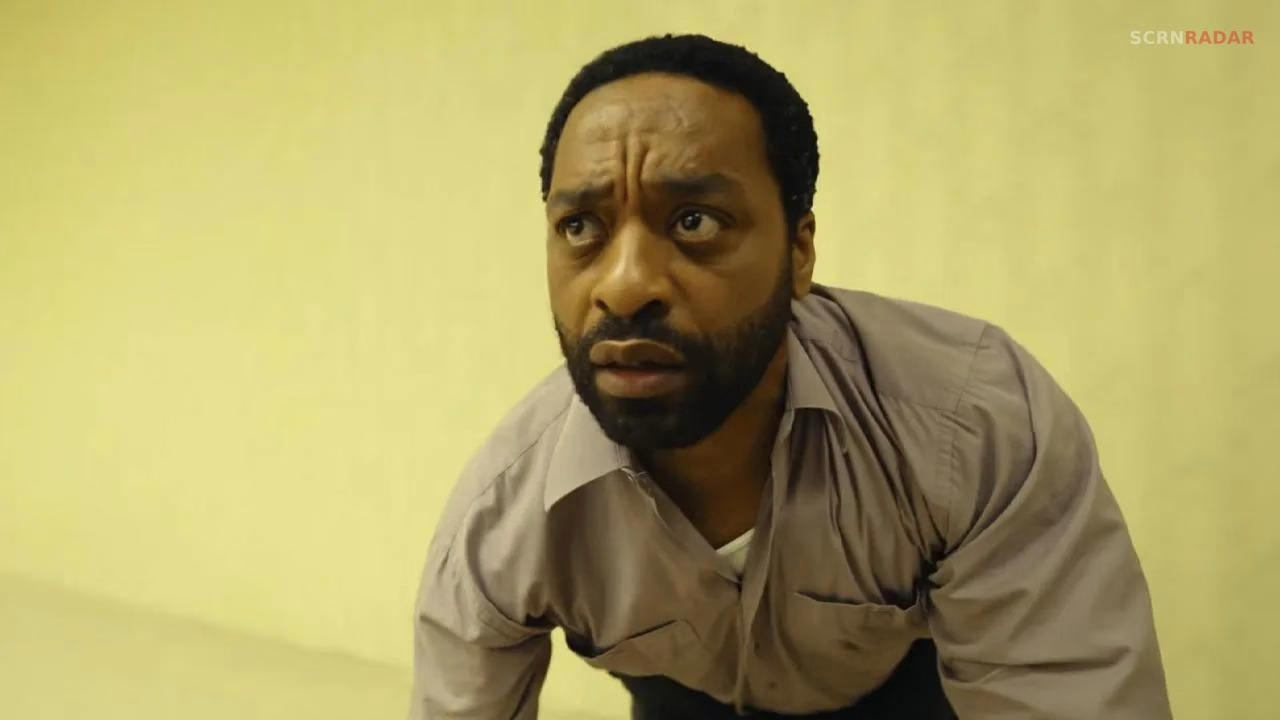
Critics Highlight Unique Horror Style Over Traditional Scares
One of the most consistent themes in reviews is the film’s emphasis on atmosphere rather than traditional horror techniques. Critics have noted that Backrooms avoids relying heavily on jump scares, instead focusing on creating a persistent sense of unease.
Nick Schager of The Daily Beast described the film as
“a waking nightmare that prioritizes atmosphere over jump scares,”
adding that it feels closer to surrealist cinema than conventional horror. He compared its tone to David Lynch’s Lost Highway, emphasizing its abstract and psychological elements.
This approach has resonated with audiences looking for something different within the genre, though it has also contributed to divided opinions about the film’s pacing and narrative clarity.
Mixed Reactions to Story and Structure
While the film’s visual and tonal qualities have been widely praised, some critics have raised concerns about its storytelling. Reviews suggest that the film’s abstract nature may not appeal to all viewers, particularly those expecting a more traditional narrative.
Angie Han of The Hollywood Reporter noted that the film’s eerie elements eventually lose impact, writing that the strange occurrences feel “designed… simply as an attempt to keep us guessing,” rather than being grounded in a clear internal logic.
Similarly, The Associated Press’ Jake Coyle commented that while the concept is intriguing, the execution struggles to fully connect its ideas. He suggested that the film’s narrative framework does not always align with its psychological themes, leading to an uneven experience.
These critiques highlight a key divide in reception, with some viewers appreciating the film’s ambiguity while others find it lacking in cohesion.
Audience Appeal and Genre Experimentation
Despite mixed critical opinions, Backrooms appears to be resonating with audiences. YouTube critic Jeremy Jahns pointed out the film’s unexpected humor, noting that
“there were moments… clearly going for a laugh, and it hit,”
with audiences responding positively during screenings.
Jahns also acknowledged pacing issues, particularly in the final act, but described the experience as engaging. His review reflects a broader trend in audience reactions, where the film’s experimental nature is seen as both a strength and a limitation.
Empire’s Jamie Graham described the film as
“one of the most surreal, art-horror features”
in recent years, emphasizing its potential to spark discussion and interpretation among viewers. This suggests that Backrooms may have lasting cultural impact, even if it divides opinion.