Gran Torino ends with one of the most unexpected and emotionally powerful conclusions in modern cinema. Directed by and starring Clint Eastwood, the film builds toward a climax that subverts traditional revenge narratives. Instead of delivering a violent showdown, the ending focuses on sacrifice, redemption, and the possibility of change.
The story follows Walt Kowalski, a bitter Korean War veteran who initially struggles with prejudice and isolation. Over time, his relationship with his Hmong neighbors, particularly Thao Vang Lor and his sister Sue, softens his worldview. By the final act, Walt is no longer the same man introduced at the beginning.
The ending forces viewers to reconsider Walt’s journey. Rather than choosing vengeance against the gang threatening Thao’s family, Walt makes a decision that redefines his character arc. His final act is not about violence, but about leaving behind a meaningful legacy.
What Happens in the Final Scene?
In the film’s climax, Walt confronts the gang responsible for terrorizing Thao and his family. Leading up to this moment, the narrative suggests a typical revenge scenario, especially after Sue is brutally attacked. Walt appears to prepare for a violent confrontation, even locking Thao in his basement to keep him from seeking revenge himself.
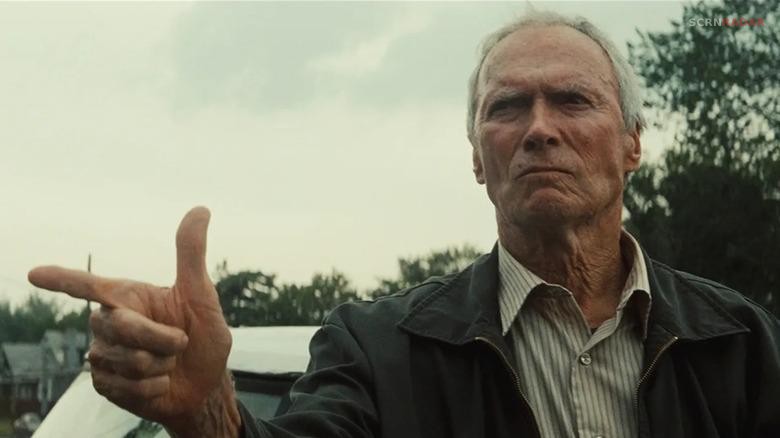
However, the final scene takes a surprising turn. Walt approaches the gang unarmed and deliberately provokes them in front of witnesses. When he reaches into his jacket, the gang members assume he is pulling a weapon and shoot him multiple times.
It is only after his death that it becomes clear Walt was not armed. His lighter falls to the ground, revealing that his actions were intentional. By sacrificing himself, Walt ensures that the gang members are arrested for murder, effectively protecting Thao and his family from further harm.
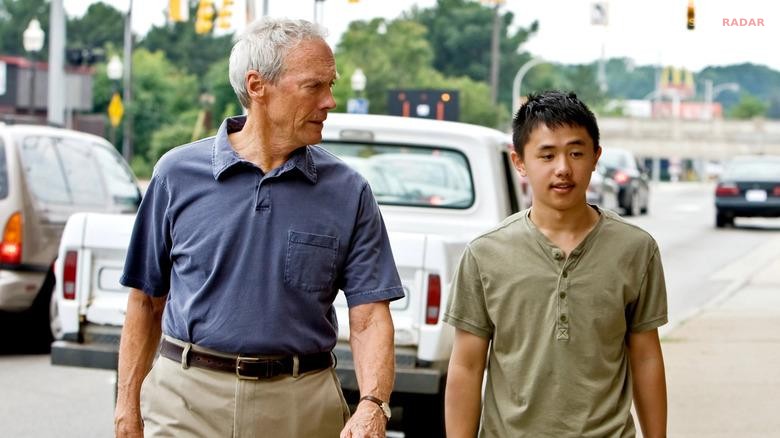
Walt’s decision is the culmination of his emotional and moral transformation. Throughout the film, he is portrayed as a man shaped by violence, both from his war experiences and his personal losses. His initial instinct is to solve problems through aggression and intimidation.
However, his growing bond with Thao challenges this mindset. Walt begins to see Thao as someone who deserves a better path, one free from the cycle of violence that defined his own life. By choosing sacrifice, Walt prevents Thao from becoming like him.
The ending also reflects Walt’s desire for redemption. He carries guilt from his past, particularly his experiences in the Korean War. His final act can be seen as a form of atonement, allowing him to make peace with himself before his death.
The Meaning Behind the Gran Torino
The 1972 Gran Torino car is one of the film’s most important symbols. At the beginning, it represents Walt’s pride, his past, and his connection to a time when he felt more in control of his life. The car is something he initially refuses to share with anyone, especially Thao.
By the end of the film, Walt leaves the Gran Torino to Thao in his will. This gesture signifies trust, acceptance, and the passing of responsibility. It shows that Walt sees Thao not just as a neighbor, but as someone worthy of carrying forward his legacy.
The car also symbolizes change. What once represented Walt’s isolation becomes a bridge between cultures and generations. Its final destination reflects the transformation of Walt’s character and his newfound sense of purpose.