
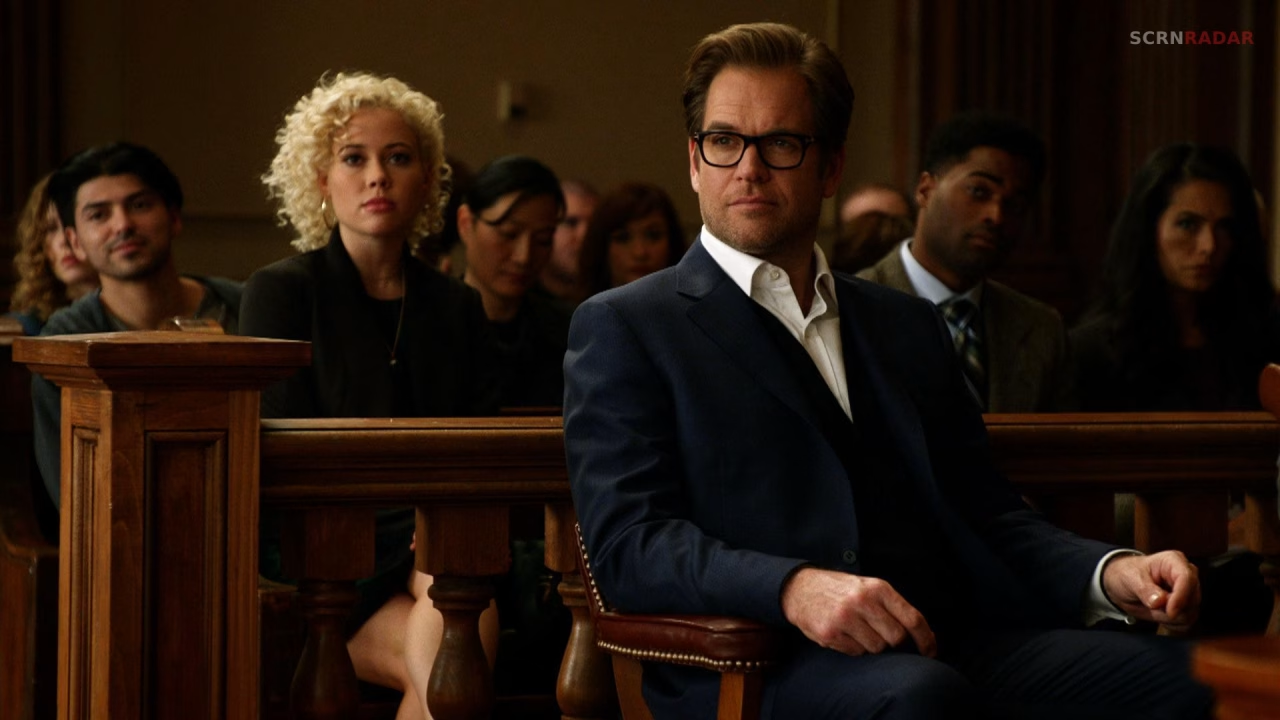
Bull is a legal drama that goes beyond traditional courtroom storytelling by blending law with psychology and technology. Premiering in 2016 on CBS, the series stars Michael Weatherly as Dr. Jason Bull, a brilliant and unconventional trial consultant. Inspired by the early career of Phil McGraw, the show explores how juries think, react, and ultimately make decisions in high-stakes cases.
Unlike typical legal dramas that focus solely on lawyers and judges, Bull centers on the behind-the-scenes strategies that influence verdicts. The series follows Bull and his team at Trial Analysis Corporation (TAC), where they use data, behavioral science, and mock trials to shape legal outcomes. With its mix of legal tension and psychological insight, Bull offers a unique take on the justice system.
Here’s a complete explanation of what Bull is about and why it became a standout procedural drama.
The Core Premise of Bull
At its heart, Bull is about understanding human behavior in the courtroom. Dr. Jason Bull is not a lawyer, but a trial consultant who helps attorneys win cases by analyzing jurors, witnesses, and opposing counsel. His expertise lies in predicting how people will react under pressure and crafting strategies accordingly.
Each episode typically revolves around a different legal case, ranging from corporate disputes to criminal trials. Bull and his team conduct mock trials, study juror profiles, and recreate courtroom scenarios to identify potential weaknesses. This approach allows them to guide lawyers on how to present arguments effectively.
The show’s central idea is that winning a case is not just about facts, but about perception. By shaping how a jury feels about a case, Bull often tips the scales in his client’s favor.

Dr. Jason Bull is the driving force behind the series. A psychologist with three PhDs, he combines intelligence with a bold, sometimes reckless approach to problem-solving. His confidence often borders on arrogance, but it is backed by a deep understanding of human nature.
Bull’s character is complex, shaped by his own troubled past and personal struggles. While he excels professionally, his relationships often suffer due to his obsessive focus on work. This duality makes him more than just a genius strategist, adding emotional depth to the show.
Throughout the series, Bull’s methods are sometimes questioned, especially when they push ethical boundaries. This tension between results and morality becomes a recurring theme in the narrative.
How Trial Analysis Corporation Works
The Trial Analysis Corporation, or TAC, is the backbone of Bull. It is a team of experts, each specializing in a different field such as cybersecurity, neurolinguistics, and jury selection. Together, they create a comprehensive strategy for every case.
The team uses advanced technology to simulate trials and analyze data. They study everything from body language to social media behavior, building psychological profiles of jurors. This allows them to predict decisions with surprising accuracy.
TAC’s work highlights how modern legal battles are influenced by more than just courtroom arguments. It shows the growing role of science and data in shaping real-world outcomes.
What Makes Bull Different From Other Legal Dramas
What sets Bull apart is its focus on psychology rather than legal procedure. While most courtroom shows emphasize dramatic trials and legal arguments, Bull shifts the spotlight to the strategy behind the scenes. This perspective offers a fresh take on the genre.
The series also explores ethical dilemmas in a nuanced way. Bull’s tactics, while effective, are not always morally clear. This creates tension and raises questions about the fairness of manipulating jury perceptions.
Additionally, the show’s connection to real-life trial consulting adds authenticity. By drawing inspiration from actual practices, Bull provides insight into a lesser-known aspect of the legal system.