Steam continues to dominate the PC gaming ecosystem, regularly hitting peak concurrent user numbers in the tens of millions. Within that massive player base, only a select few games consistently rise to the top and maintain their dominance across months and even years. These titles are not just popular because of marketing or hype. They thrive due to deep gameplay systems, strong communities, constant developer support, and competitive ecosystems that keep players invested long term.
According to platforms like SteamDB and SteamCharts, the most-played games are typically those that offer high replay value and social interaction. Many of them are free-to-play, which lowers the barrier to entry and allows them to scale rapidly across global audiences. At the same time, these games are constantly evolving through updates, seasonal content, and esports-driven engagement.
Let’s break down the top five most played games on Steam in 2026 and explore in detail what keeps millions of players coming back every single day.
Counter-Strike 2
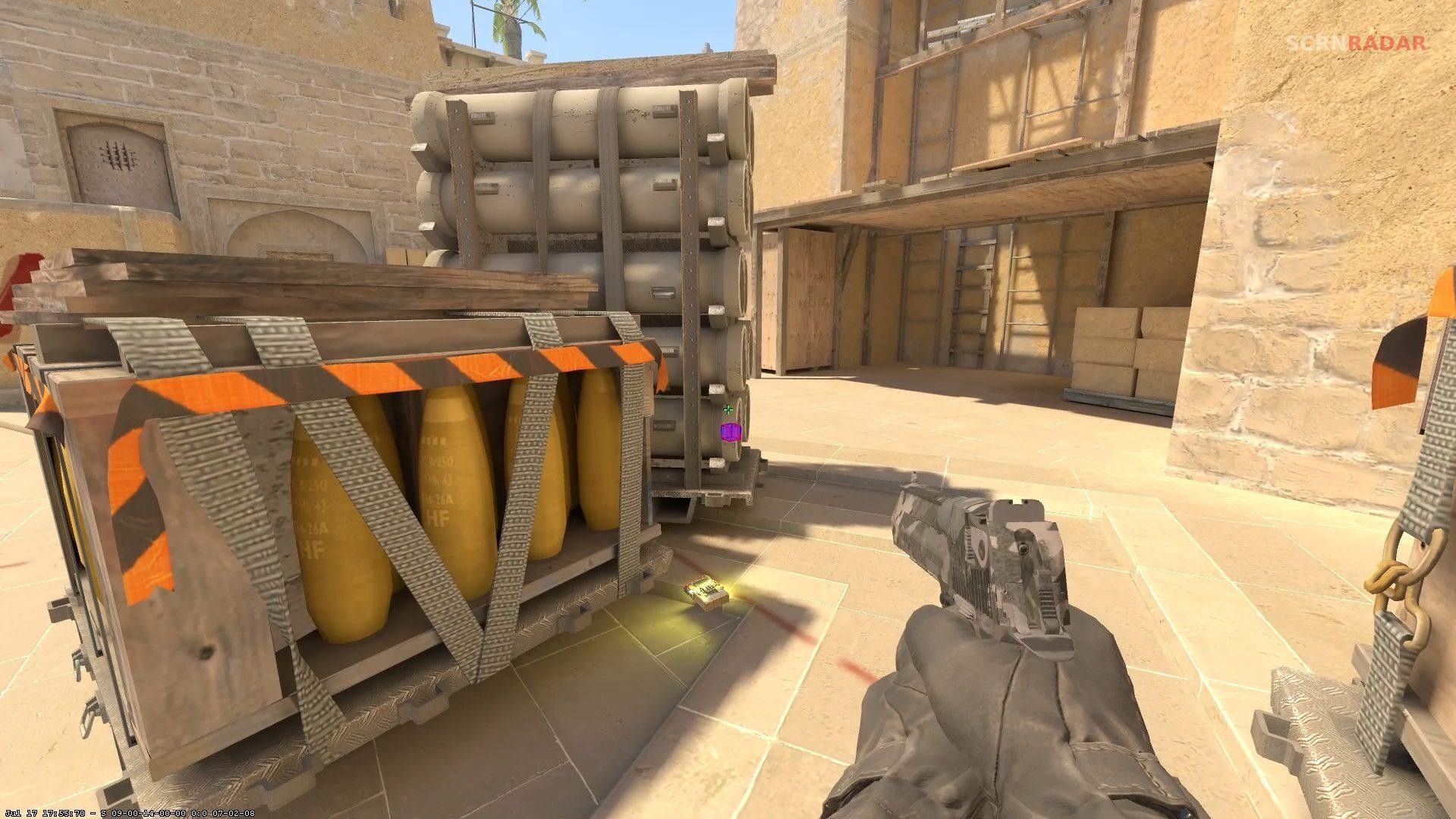
Counter-Strike 2 stands as the undisputed leader on Steam, regularly surpassing one million concurrent players and often pushing far beyond that during peak hours. Developed by Valve Corporation, the game represents the evolution of one of the most iconic first-person shooter franchises in gaming history. It builds directly on the legacy of Counter-Strike: Global Offensive while introducing technical upgrades that modernize the experience.
At its core, Counter-Strike 2 revolves around simple yet brutally precise gameplay. Two teams, Terrorists and Counter-Terrorists, compete in objective-based rounds where every decision matters. Whether planting a bomb, defusing it, or eliminating the opposing team, the gameplay rewards strategy, communication, and mechanical skill over randomness. This creates a high-skill ceiling that keeps players engaged for thousands of hours.
One of the biggest upgrades in Counter-Strike 2 is its use of the Source 2 engine. This brings improved visuals, more responsive mechanics, and dynamic smoke grenades that interact with the environment. These smokes are not just visual effects anymore, as they can be manipulated by gunfire and grenades, adding an extra layer of strategy to each round.
Another major factor behind the game’s success is its thriving skin economy. Weapon skins, knives, and cosmetic items have created an entire marketplace within Steam, where rare items can sell for thousands of dollars. This adds a meta-layer beyond gameplay, keeping players invested even outside matches.
The esports scene is equally important. Counter-Strike tournaments attract millions of viewers globally, with teams competing for massive prize pools. This competitive ecosystem trickles down to everyday players, who aspire to improve their skills and climb the ranked ladder. The combination of accessibility and mastery ensures Counter-Strike 2 remains the most-played game on Steam.
Dota 2

Dota 2 continues to hold its place as one of Steam’s most-played games despite being over a decade old. Also developed by Valve Corporation, this multiplayer online battle arena remains one of the deepest and most complex competitive games ever created.
Each match of Dota 2 pits two teams of five players against each other on a symmetrical map. The goal is simple on paper, which is to destroy the enemy’s Ancient. However, the path to victory involves intricate strategies, hero synergies, resource management, and constant adaptation to the evolving state of the game.
The hero pool is one of the game’s biggest strengths. With over a hundred heroes, each with unique abilities and roles, no two matches ever feel the same. Players must constantly learn new strategies, counters, and combinations, which keeps the gameplay fresh even after years of play.
Dota 2 is also known for its steep learning curve. New players often find it challenging, but this complexity is exactly what keeps the community engaged long term. Mastery requires deep knowledge of mechanics, map awareness, and teamwork, making every improvement feel rewarding.
The game’s esports scene, particularly The International, plays a massive role in its popularity. The tournament regularly features some of the largest prize pools in esports history, drawing global attention. Watching professional players execute high-level strategies inspires the community and drives continued interest in the game.
Regular updates and gameplay patches ensure that the meta constantly evolves. Heroes are rebalanced, new mechanics are introduced, and seasonal events bring fresh content. This ongoing support ensures that Dota 2 remains relevant and continues to attract both new and returning players.
PUBG: Battlegrounds
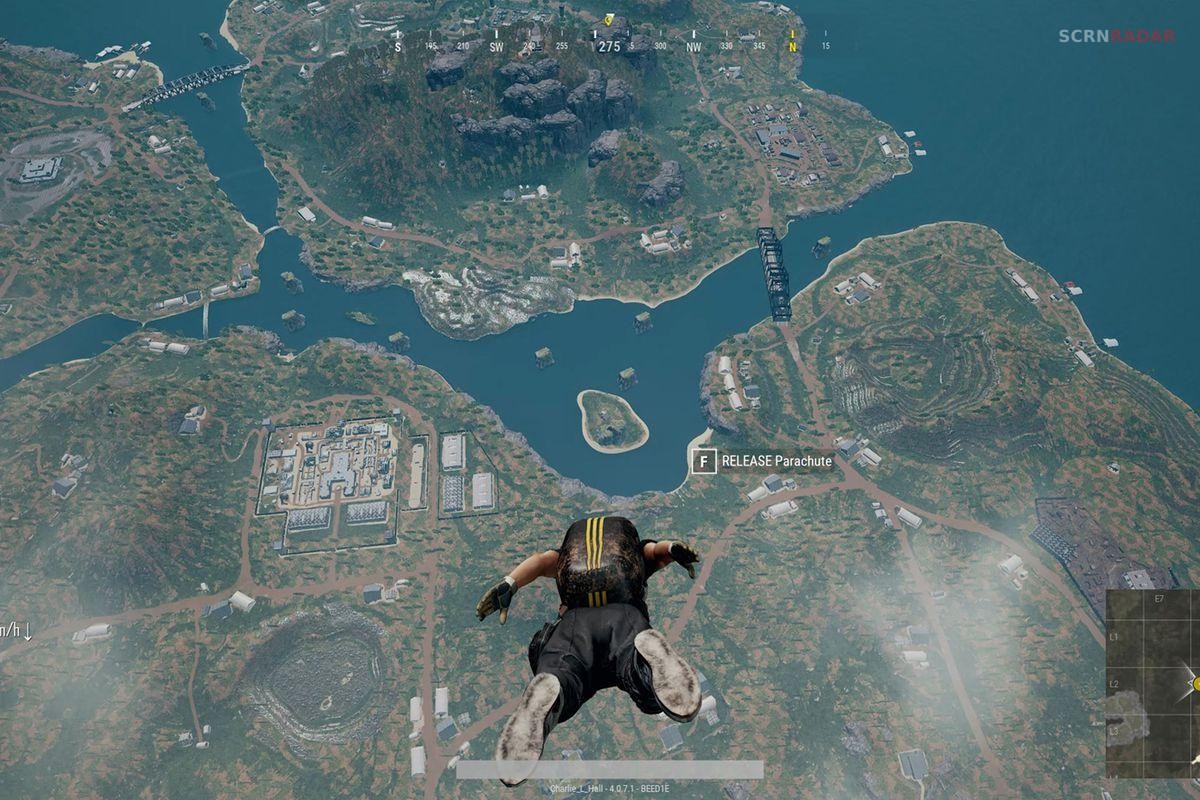
PUBG: Battlegrounds was one of the pioneers of the battle royale genre, and it continues to perform strongly on Steam even years after its initial release. Developed by Krafton, the game helped define a genre that now dominates modern multiplayer gaming.
The core gameplay loop remains simple yet highly effective. Players are dropped onto a large map alongside dozens of others and must scavenge for weapons, armor, and supplies while trying to survive. The playable area gradually shrinks, forcing players into closer encounters and increasing the tension as the match progresses.
What sets PUBG apart from other battle royale games is its realistic approach. Weapons have noticeable recoil, bullet physics matter, and positioning plays a critical role in survival. This creates a slower, more tactical experience compared to faster-paced competitors.
Each match feels unpredictable due to randomized loot and dynamic player interactions. A player might dominate one match and struggle in the next, which adds to the replay value. The constant uncertainty keeps players engaged and encourages them to improve their decision-making skills.
The transition to a free-to-play model significantly boosted PUBG’s player base. New players could jump in without any upfront cost, while veterans continued to enjoy updated maps, seasonal events, and new gameplay mechanics. This combination of accessibility and depth has helped PUBG maintain its place among Steam’s most-played games.
Regional popularity also plays a key role in PUBG’s success. The game has a massive following in Asia, which contributes heavily to its daily concurrent player numbers. Its global reach ensures a consistently active player base across different time zones.
Path of Exile 2
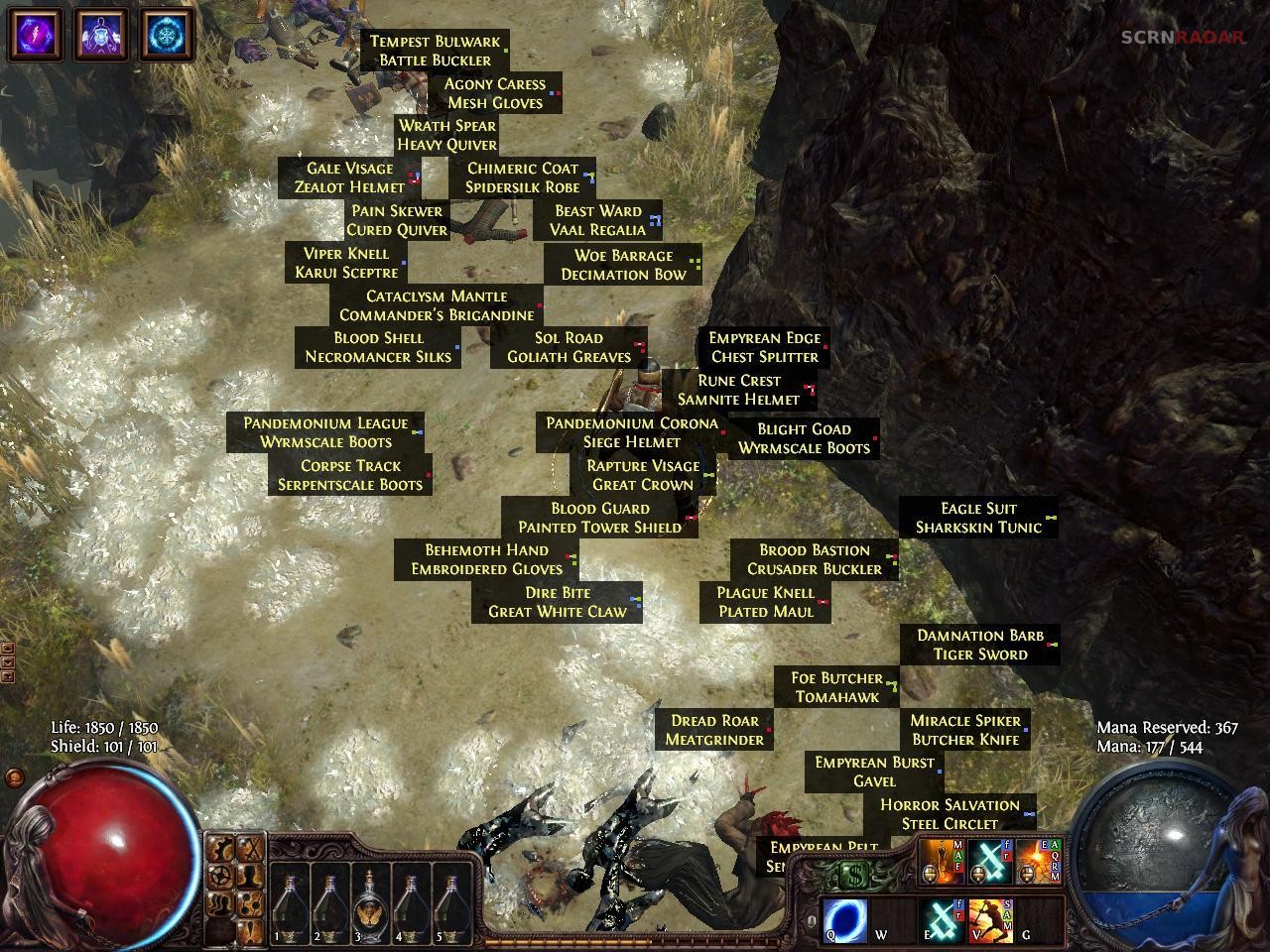
Path of Exile 2 has emerged as one of the biggest RPG successes on Steam in recent years. Developed by Grinding Gear Games, the game builds on the foundation of the original Path of Exile while introducing major improvements to gameplay, visuals, and progression systems.
The game is set in a dark fantasy world filled with dangerous enemies, complex dungeons, and powerful bosses. Players create characters and develop them through an intricate progression system that allows for near-limitless customization. This depth is one of the main reasons why the game has gained such a large and dedicated player base.
One of the standout features is the passive skill tree, which offers an enormous number of customization options. Players can experiment with different builds, combining abilities, gear, and passive bonuses to create unique playstyles. This encourages creativity and experimentation, making each character feel distinct.
Combat in Path of Exile 2 is fast-paced and satisfying. Players use a combination of skills, spells, and equipment to defeat waves of enemies and powerful bosses. The visual improvements in the sequel make combat more immersive, with detailed environments and dynamic effects enhancing the experience.
The game’s seasonal league system is another major factor behind its popularity. Each league introduces new mechanics, challenges, and rewards, encouraging players to start fresh characters and explore new strategies. This cyclical content model keeps the community active and engaged.
Unlike many RPGs, Path of Exile 2 maintains a free-to-play model without compromising gameplay depth. Cosmetic purchases support the game financially, allowing developers to continue delivering updates without locking core content behind paywalls. This approach has helped build trust within the community and contributed to its massive player base.
Marvel Rivals
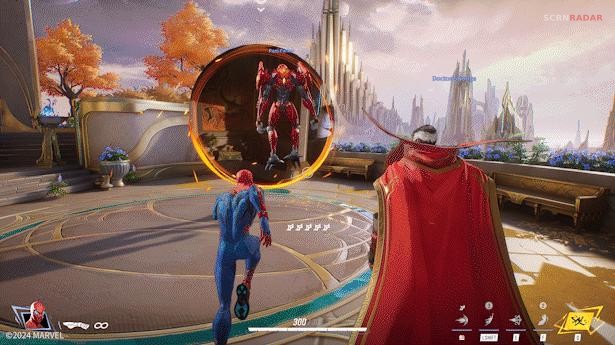
Marvel Rivals has quickly become one of Steam’s most popular multiplayer games, thanks to its combination of superhero appeal and competitive gameplay. Developed by NetEase Games in collaboration with Marvel, the game taps into one of the most recognizable entertainment franchises in the world.
The game follows a team-based hero shooter format, where players select characters with unique abilities and roles. Each hero brings something different to the battlefield, whether it is mobility, damage output, or support capabilities. This creates a dynamic team environment where coordination is essential.
One of the biggest draws of Marvel Rivals is its character roster. Players can control iconic heroes and villains, which immediately adds familiarity and excitement. Fans of Marvel are naturally drawn to the game, even if they are not typically interested in competitive shooters.
Gameplay emphasizes synergy between characters. Abilities can be combined in creative ways, allowing teams to execute coordinated strategies. This adds depth beyond simple shooting mechanics and encourages teamwork.
The game’s visual style and destructible environments also contribute to its appeal. Battles feel chaotic and cinematic, with large-scale fights that reflect the superhero theme. This makes matches visually engaging and entertaining to play.
Frequent updates and content additions have helped maintain momentum since launch. New characters, maps, and gameplay tweaks keep the experience fresh and give players reasons to return. Combined with its accessibility and strong brand recognition, Marvel Rivals has secured its place among Steam’s most-played games.
Why These Games Continue to Dominate Steam
The dominance of these five games is not accidental. Each title offers a combination of accessibility, depth, and long-term engagement that keeps players invested. Multiplayer interaction plays a central role, as players are more likely to return to games that offer social and competitive experiences.
Another key factor is consistent developer support. Regular updates, balance changes, and new content ensure that the games do not become stale. This ongoing evolution is essential in maintaining large player bases over time.
Free-to-play models also contribute significantly to player numbers. By removing the initial cost barrier, these games attract a wider audience and allow communities to grow rapidly. At the same time, optional purchases provide revenue streams that support continued development.
Finally, community and esports ecosystems amplify engagement. Whether through ranked play, tournaments, or content creation, players remain connected to these games beyond just playing them. This creates a feedback loop where popularity drives more popularity.
The top five most played games on Steam in 2026 highlight what modern PC gamers value the most. Counter-Strike 2 leads with unmatched competitive depth, while Dota 2 continues to thrive as one of the most complex strategy games ever made. PUBG: Battlegrounds maintains its relevance in the battle royale space, Path of Exile 2 dominates among RPG fans, and Marvel Rivals represents the rise of hero-based shooters.
These games succeed because they evolve constantly while maintaining strong core gameplay. Their ability to balance accessibility with depth ensures that both new players and veterans can find something to enjoy. As Steam continues to grow, these titles are likely to remain at the top, setting the standard for what successful multiplayer games look like in the years ahead.