
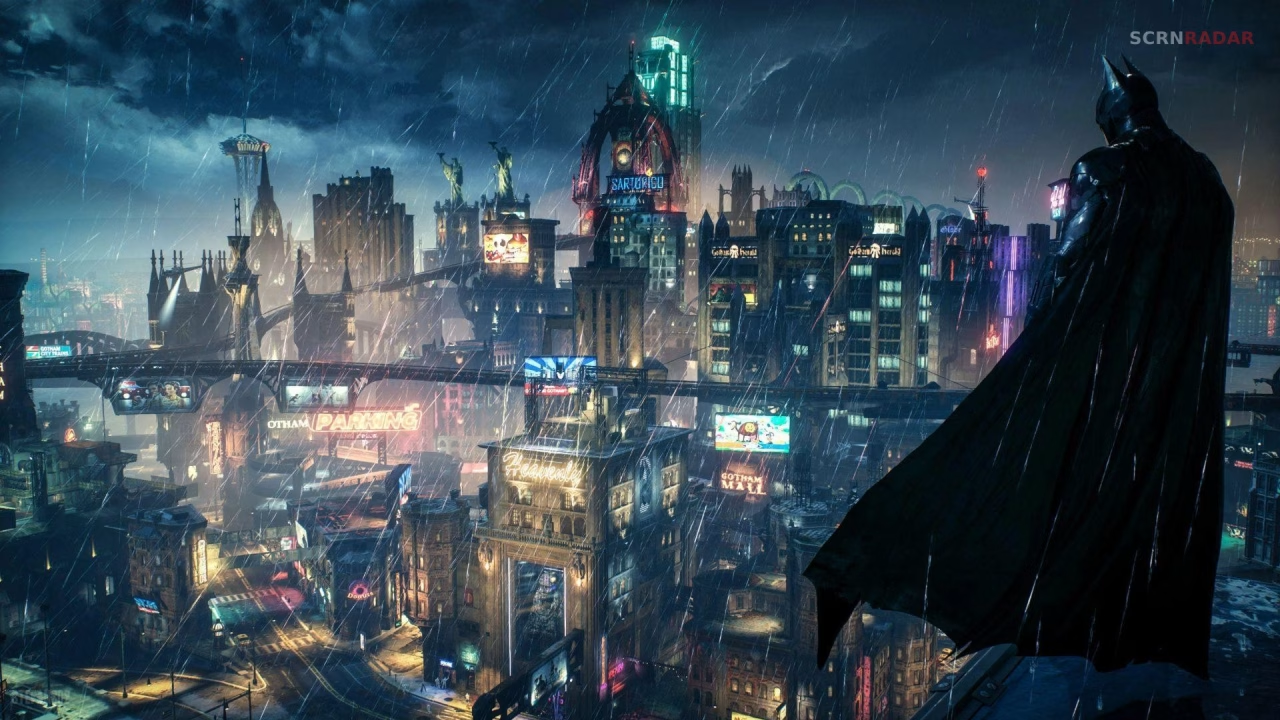
The ending of Batman: Arkham Knight remains one of the most debated conclusions in modern video game storytelling. Released in 2015 as the final chapter in Rocksteady’s Arkham trilogy, the game delivers a dark, psychological, and emotionally charged finale that redefines Bruce Wayne’s identity as Batman. Unlike traditional superhero endings, Arkham Knight doesn’t offer a clean victory or a simple resolution. Instead, it leaves players questioning whether Batman truly survives or evolves into something far more terrifying.
At the heart of the ending lies the Knightfall Protocol, a mysterious contingency plan that Bruce Wayne activates after his identity is exposed. Combined with the lingering psychological presence of Joker and the fall of Gotham’s greatest villains, the finale blends reality, fear, and symbolism in a way that demands deeper interpretation. Let’s break down what the ending of Batman: Arkham Knight really means and how it concludes Bruce Wayne’s journey.
What Happens in the Ending of Batman: Arkham Knight?
The final act of Batman: Arkham Knight begins after Batman defeats Scarecrow and rescues Gotham from his fear toxin plan. However, the true turning point comes when Scarecrow publicly reveals Batman’s secret identity to the world. Bruce Wayne is no longer just a symbol hiding in the shadows, as his humanity is exposed to everyone.
Following this revelation, Bruce voluntarily turns himself in to protect his allies and ensure Gotham’s safety. Surrounded by media and law enforcement, he walks into Wayne Manor, fully aware that his life as Batman cannot continue in its current form. This moment marks the symbolic death of the traditional Batman identity.
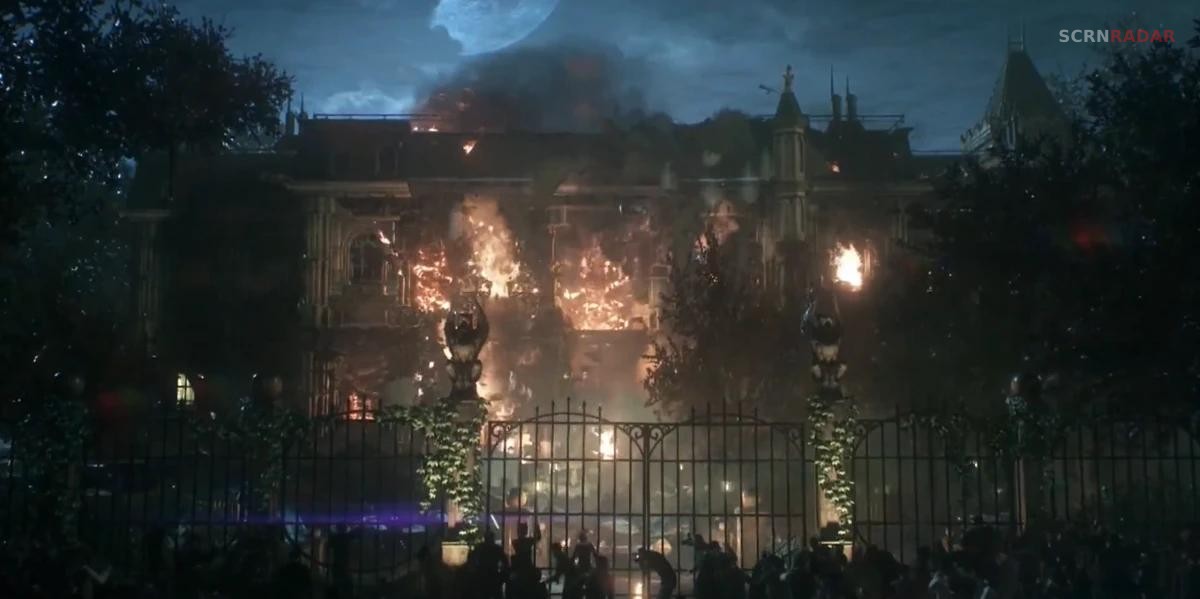
What follows is the activation of the Knightfall Protocol. Wayne Manor explodes in a fiery blast, seemingly killing Bruce Wayne and Alfred. This surprising moment suggests that Batman has chosen to erase himself completely from the world.
What Is the Knightfall Protocol?
The Knightfall Protocol is a contingency plan designed by Bruce Wayne to permanently end the Batman persona. It is triggered only when all major threats in Gotham have been neutralized and Batman’s identity is compromised. This protocol ensures that Bruce Wayne can no longer be used as a target against his allies or the city.
In practical terms, the protocol involves faking Bruce Wayne’s death through the destruction of Wayne Manor. By eliminating his public identity, Bruce removes the vulnerability that enemies like Scarecrow could exploit. This decision reflects Batman’s long-standing philosophy of sacrifice.
However, the Knightfall Protocol is not just about ending Batman. It represents a transformation. Instead of disappearing entirely, Bruce may be evolving into a new kind of protector, one that operates beyond fear of exposure or personal attachment.
The Role of Joker in the Ending
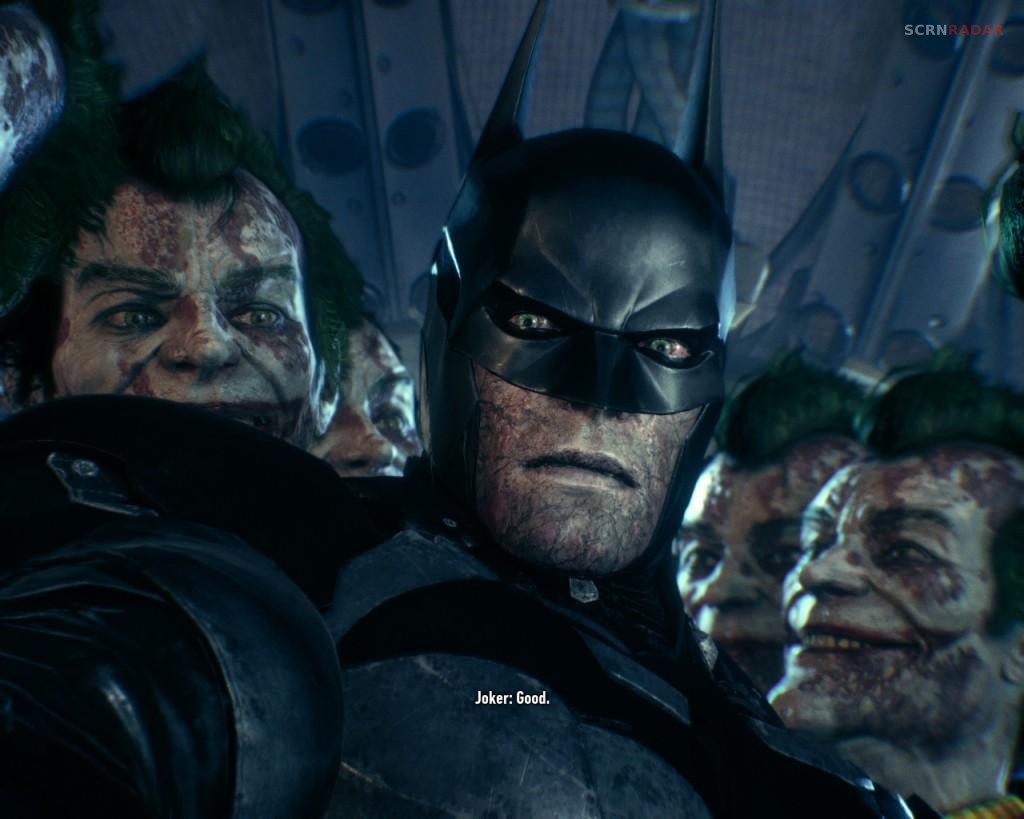
One of the most unique aspects of Arkham Knight is the psychological presence of the Joker throughout the story. Despite dying in Batman: Arkham City, Joker appears as a hallucination inside Bruce Wayne’s mind, caused by the infected blood he received earlier in the series.
As the story progresses, Joker’s influence grows stronger. He constantly taunts Bruce, trying to convince him that they are more alike than he wants to admit. This internal conflict becomes one of the central themes of the game.
In the ending, Batman finally confronts Joker within his own mind. Through sheer willpower, Bruce locks Joker away, symbolically defeating his greatest psychological enemy. This moment is crucial because it shows that Batman has regained full control over his identity.
By overcoming Joker’s influence, Bruce proves that he is no longer defined by fear or chaos. Instead, he is ready to move beyond the limitations of his past.
Who Is the Arkham Knight?
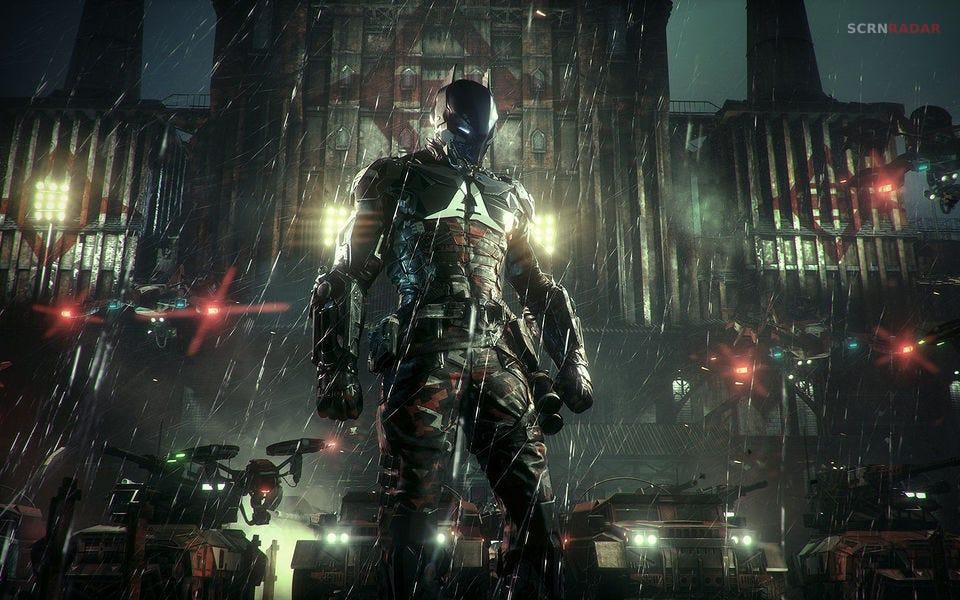
The identity of the Arkham Knight is revealed during the game’s climax as Jason Todd, the former Robin believed to be dead. Jason was captured and tortured by Joker, leading him to develop a deep hatred for Batman, whom he blamed for not saving him.
This revelation adds emotional weight to the ending. Jason’s transformation into the Arkham Knight represents the consequences of Batman’s failures. It forces Bruce to confront the impact of his mission on those closest to him.
By the end of the story, Jason begins to move past his anger. He even assists Batman in the final moments, hinting at a possible redemption arc. This resolution reinforces the idea that Batman’s legacy is complex, affecting both allies and enemies in profound ways.
Why Bruce Wayne Chooses to “Die”
Bruce Wayne’s decision to activate the Knightfall Protocol is driven by necessity rather than defeat. Once his identity is exposed, he becomes a liability not only to himself but also to everyone he cares about. Villains could easily target his friends, allies, and resources.
By faking his death, Bruce removes that vulnerability. He ensures that Gotham can no longer be threatened through Bruce Wayne. This act of self-sacrifice is consistent with Batman’s character throughout the Arkham series.
At the same time, the decision reflects Bruce’s understanding that Batman must evolve. The traditional methods of fighting crime are no longer enough. Gotham needs something more powerful, more unpredictable, and more terrifying to keep criminals in check.
The True Meaning of the Final Scene
After the credits roll, Arkham Knight presents a brief but highly significant final scene. Gotham appears relatively calm, with criminals attempting a robbery. Suddenly, a shadowy figure emerges, surrounded by a fear-inducing aura similar to Scarecrow’s toxin effects.
This new version of Batman appears almost supernatural. The criminals are overwhelmed by terror, suggesting that the Dark Knight has become something more than human. This scene implies that Bruce Wayne survived and has adopted a new identity or method of operation.
Rather than being limited by his physical presence, this new Batman operates as pure fear. The transformation aligns with one of Batman’s core principles: criminals are a superstitious and cowardly lot. By becoming a literal embodiment of fear, Bruce amplifies his greatest weapon.
Is Batman Really Dead?
The game intentionally leaves this question ambiguous, but most interpretations suggest that Bruce Wayne is not actually dead. Instead, he has abandoned his public identity and reinvented himself as a more myth-like figure.
The explosion at Wayne Manor serves as a symbolic death rather than a literal one. It marks the end of Bruce Wayne’s life as Gotham knows it. However, the final scene strongly indicates that Batman continues to operate in some form.
This ambiguity is a deliberate storytelling choice. It allows players to interpret the ending based on their understanding of Batman’s character. Whether viewed as a death or a transformation, the result is the same: Gotham still has a protector.
How the Ending Completes the Arkham Trilogy
The ending of Arkham Knight serves as a fitting conclusion to the Arkham trilogy. Throughout the series, Bruce Wayne is tested physically, emotionally, and psychologically. Each game pushes him closer to his limits.
In Arkham Asylum, he faces chaos and madness. In Arkham City, he confronts mortality and loss. In Arkham Knight, he is forced to confront himself. The final battle is not against a villain but against his own identity and fears.
By overcoming Joker and embracing the Knightfall Protocol, Bruce completes his arc. He evolves from a man driven by trauma into a symbol that transcends human limitations. This transformation gives the trilogy a cohesive and meaningful conclusion.
Themes Behind the Ending
The ending of Arkham Knight explores several key themes that define the story. One of the most important is identity. Bruce Wayne struggles with the duality of being both a man and a symbol, ultimately choosing to prioritize the symbol.
Another major theme is fear. Throughout the game, fear is used as a weapon by both heroes and villains. By the end, Batman fully embraces fear as his primary tool, turning it into something more powerful than ever before.
Sacrifice is also central to the story. Bruce gives up his personal life, his identity, and possibly even his humanity for the sake of Gotham. This reinforces the idea that being Batman comes at a tremendous cost.
What the Ending Confirms
The game clearly confirms that Bruce Wayne’s identity is exposed and that the Knightfall Protocol is activated. It also confirms that Joker’s psychological influence is defeated, allowing Bruce to regain control of his mind.
However, the fate of Bruce Wayne after the explosion is left open to interpretation. The final scene strongly suggests survival, but it does not provide explicit confirmation. This ambiguity is intentional and adds to the narrative depth.
Another point of interpretation is the nature of the new Batman. Whether he is using advanced technology, fear toxin, or something else entirely is never fully explained. This leaves room for speculation and discussion among fans.
The ending of Batman: Arkham Knight is less about closure and more about transformation. Bruce Wayne’s journey does not end with victory or death in the traditional sense. Instead, it evolves into something more symbolic and enduring.
By activating the Knightfall Protocol, defeating Joker’s influence, and embracing fear as his ultimate weapon, Bruce redefines what it means to be Batman. He is no longer just a man in a suit but a legend that exists beyond identity.
For players, the ending offers a powerful and thought-provoking conclusion to one of gaming’s most celebrated trilogies. It challenges expectations while staying true to the core themes that have defined Batman for decades.