
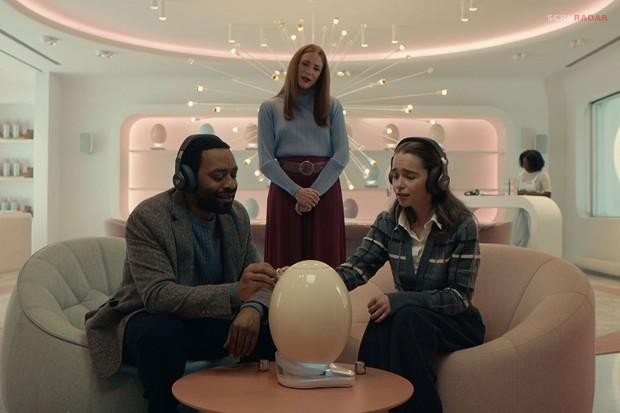
The Pod Generation is not your typical sci-fi movie. Directed by Sophie Barthes, the film presents a near-future world where artificial wombs, known as pods, have transformed how humans experience pregnancy. At first glance, the technology promises convenience, equality, and control, but the story gradually exposes the emotional and ethical consequences of outsourcing something deeply human.
By the time the film reaches its ending, the narrative shifts from a quirky satire into a deeply unsettling commentary on modern relationships and technological dependence. The finale leaves viewers questioning whether progress always leads to improvement, especially when it replaces fundamental human experiences. Through the journey of Rachel and Alvy, the movie explores the cost of convenience, the erosion of intimacy, and the unintended consequences of surrendering control to technology.
Let’s break down the ending of The Pod Generation, what happens to the characters, and the deeper meaning behind its haunting final message.
A Quick Recap of The Pod Generation’s Story
The film follows Rachel, a career-driven executive working at a tech company, and her partner Alvy, a botanist who prefers a more natural and grounded lifestyle. When Rachel is selected by her company to use a pod for pregnancy, she eagerly embraces the opportunity, seeing it as a way to maintain control over her body and career.
Alvy, on the other hand, is hesitant about the idea. He values natural processes and worries about the emotional disconnect that could come from outsourcing pregnancy to a machine. Despite his concerns, he agrees to move forward, hoping to support Rachel while staying true to his beliefs.
As the pregnancy progresses, the couple’s differing perspectives begin to create tension. Rachel becomes increasingly dependent on the pod and the system managing it, while Alvy grows more uncomfortable with how detached the process feels. This growing divide sets the stage for the film’s emotional and thematic climax.

What Happens in The Ending?
In the final act, the pod pregnancy reaches its conclusion, but the experience is far from the smooth, controlled process Rachel initially envisioned. The system that manages the pod becomes more intrusive, dictating how Rachel and Alvy should behave as parents.
When the baby is finally ready to be “delivered,” the moment feels clinical and detached rather than emotional. The birth lacks the intimacy and vulnerability typically associated with bringing a child into the world. Instead, it resembles a transaction, reinforcing the film’s critique of commodified experiences.
Following the birth, Rachel and Alvy are faced with the reality of what they have chosen. The child exists, but the journey to get there feels incomplete. The connection that might have developed through a traditional pregnancy is noticeably absent, leaving both characters struggling to adjust.
The ending does not offer a clear resolution. Instead, it presents a quiet, unsettling realization that something essential has been lost in the pursuit of convenience.
Why Rachel Embraces the Pod System
Rachel’s character represents a modern perspective that prioritizes efficiency, control, and optimization. From the beginning, she views the pod as a solution to the challenges of balancing career and motherhood.
For Rachel, the technology is empowering. It allows her to avoid the physical toll of pregnancy while maintaining her professional ambitions. In a world that often forces women to choose between career and family, the pod appears to offer a perfect compromise.
However, the ending reveals the limitations of this mindset. By outsourcing pregnancy, Rachel also distances herself from the emotional and physical experiences that contribute to bonding. The control she gains comes at the cost of connection.
This trade-off becomes one of the film’s central themes, highlighting the tension between progress and humanity.

Alvy’s Perspective and the Fear of Disconnection
Alvy serves as the emotional counterbalance to Rachel’s enthusiasm. His skepticism is not rooted in fear of technology itself, but in concern for what might be lost in the process.
Throughout the film, Alvy emphasizes the importance of natural experiences and emotional connection. He worries that the pod system reduces pregnancy to a mechanical process, stripping it of its meaning.
By the end of the film, Alvy’s fears are partially validated. The birth of their child feels detached, and the emotional bond that might have developed organically is weaker than expected. His discomfort reflects a broader anxiety about how technology can alter fundamental aspects of human life.
Alvy’s perspective encourages viewers to question whether all forms of progress are beneficial, especially when they replace deeply personal experiences.
The Role of Technology in The Pod Generation
Technology in The Pod Generation is presented as both a solution and a problem. On one hand, it offers undeniable benefits, such as convenience, safety, and equality. On the other hand, it introduces new forms of control and dependency.
The pod system is not just a tool. It becomes an authority that dictates how pregnancy should be experienced. From monitoring the baby’s development to providing parenting instructions, the system gradually takes control away from the individuals using it.
This shift reflects a broader concern about how technology can shape human behavior. As people rely more on automated systems, they may lose the ability to make decisions independently.
The film suggests that technology is not inherently harmful, but its impact depends on how it is used and the extent to which it replaces human agency.
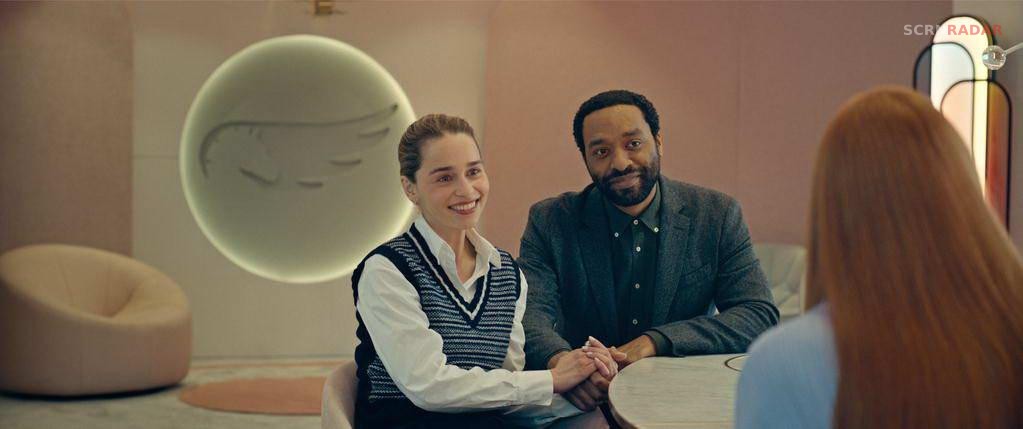
The Dark Reality Behind Artificial Wombs
The ending of The Pod Generation highlights the darker implications of artificial womb technology. While the concept may seem appealing, the film explores its potential consequences in a nuanced way.
One of the most significant concerns is the commodification of reproduction. By turning pregnancy into a service, the process becomes something that can be bought, optimized, and controlled. This raises ethical questions about the value of human experiences.
Another issue is the loss of physical and emotional connection. Pregnancy is not just a biological process. It is also a deeply personal journey that shapes the relationship between parent and child. Removing that experience may have long-term effects that are not immediately apparent.
The film does not provide definitive answers, but it encourages viewers to consider these possibilities carefully.
What the Ending Really Means
The ending of The Pod Generation is intentionally ambiguous, allowing viewers to interpret its message in different ways. However, several key themes stand out.
At its core, the film is about the trade-offs of progress. While technology can make life easier, it can also create new problems and diminish certain aspects of the human experience. The convenience offered by the pod comes at the cost of intimacy and connection.
The film also explores the idea of control. Rachel initially believes that the pod will give her more control over her life. In reality, it shifts that control to the system managing the technology. This reversal highlights the risks of relying too heavily on external solutions.
Finally, the ending emphasizes the importance of human connection. Despite the advancements in technology, the need for emotional bonds remains unchanged. The film suggests that some experiences cannot be fully replicated or replaced.
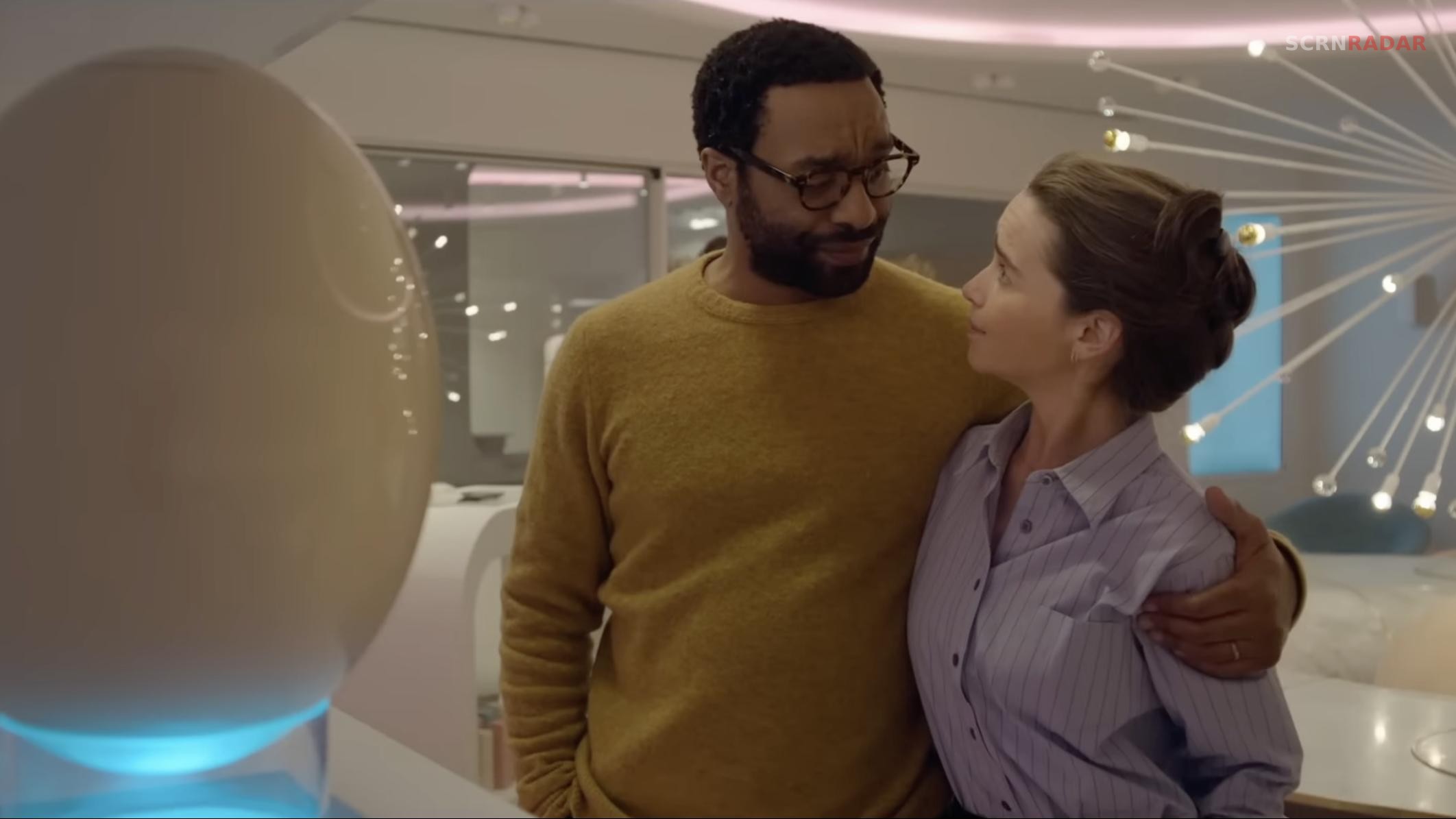
Is The Pod Generation a Warning About the Future?
Many viewers interpret The Pod Generation as a cautionary tale. The film does not outright reject technology, but it does question the assumption that progress is always beneficial.
By presenting a world where artificial wombs are normalized, the movie invites audiences to consider the potential consequences of such innovations. It asks whether society is prepared for the ethical and emotional challenges that come with these advancements.
The ending reinforces this perspective by showing the unintended effects of the pod system. What begins as a convenient solution ultimately reveals deeper issues that cannot be ignored.
Rather than offering a clear answer, the film encourages ongoing discussion about the role of technology in shaping the future.
The Pod Generation delivers a thought-provoking ending that lingers long after the credits roll. Through Rachel and Alvy’s journey, the film explores the complexities of technology, relationships, and human connection.
The finale does not rely on dramatic twists or definitive conclusions. Instead, it presents a quiet but powerful realization that progress often comes with hidden costs. The convenience of artificial wombs cannot fully replace the emotional depth of natural experiences.
By leaving its ending open to interpretation, the film invites viewers to reflect on their own perspectives. It challenges the idea that innovation always leads to improvement and highlights the importance of preserving what makes us human.
In doing so, The Pod Generation stands out as a compelling and relevant piece of modern science fiction that speaks directly to the anxieties of our time.
The ending also subtly raises questions about the future of parenting in a technology-driven society. If systems like the pod continue to evolve, they could begin shaping not just how children are born, but how they are raised, monitored, and even emotionally conditioned.
This possibility suggests a world where parental instincts are gradually replaced by data-driven decisions, potentially weakening the natural bond between parent and child. The film hints that convenience could eventually redefine responsibility, making caregiving feel more like a managed task than a deeply human experience rooted in instinct, vulnerability, and emotional presence.