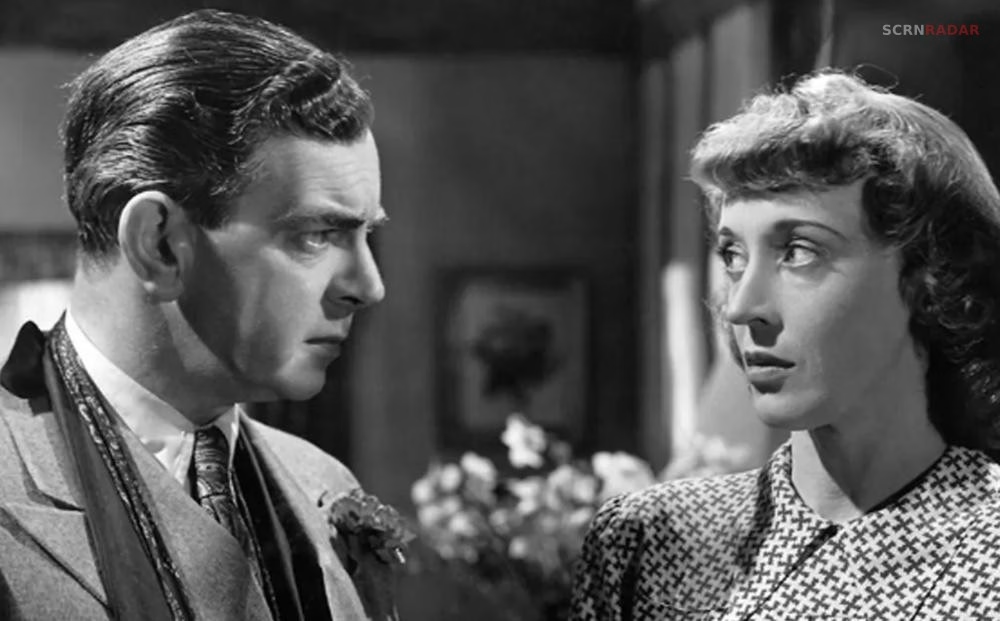
Went the Day Well? remains one of the most influential British war films ever made, combining suspense, propaganda, and psychological tension into a story that still resonates decades later. Directed by Alberto Cavalcanti and based on a story by Graham Greene, the film imagines a terrifying scenario where a peaceful English village is secretly occupied by disguised German soldiers during World War II.
One reason the movie remains so effective is its use of authentic rural English locations. Instead of relying entirely on studio sets, the filmmakers shot much of the film in real villages and countryside settings that enhanced the realism of the invasion storyline. The picturesque landscapes sharply contrast with the violence unfolding onscreen, making the atmosphere even more unsettling. Here’s a closer look at the filming locations used in Went the Day Well? and how they helped shape the film’s enduring legacy.
Turville, Buckinghamshire Was the Main Filming Location
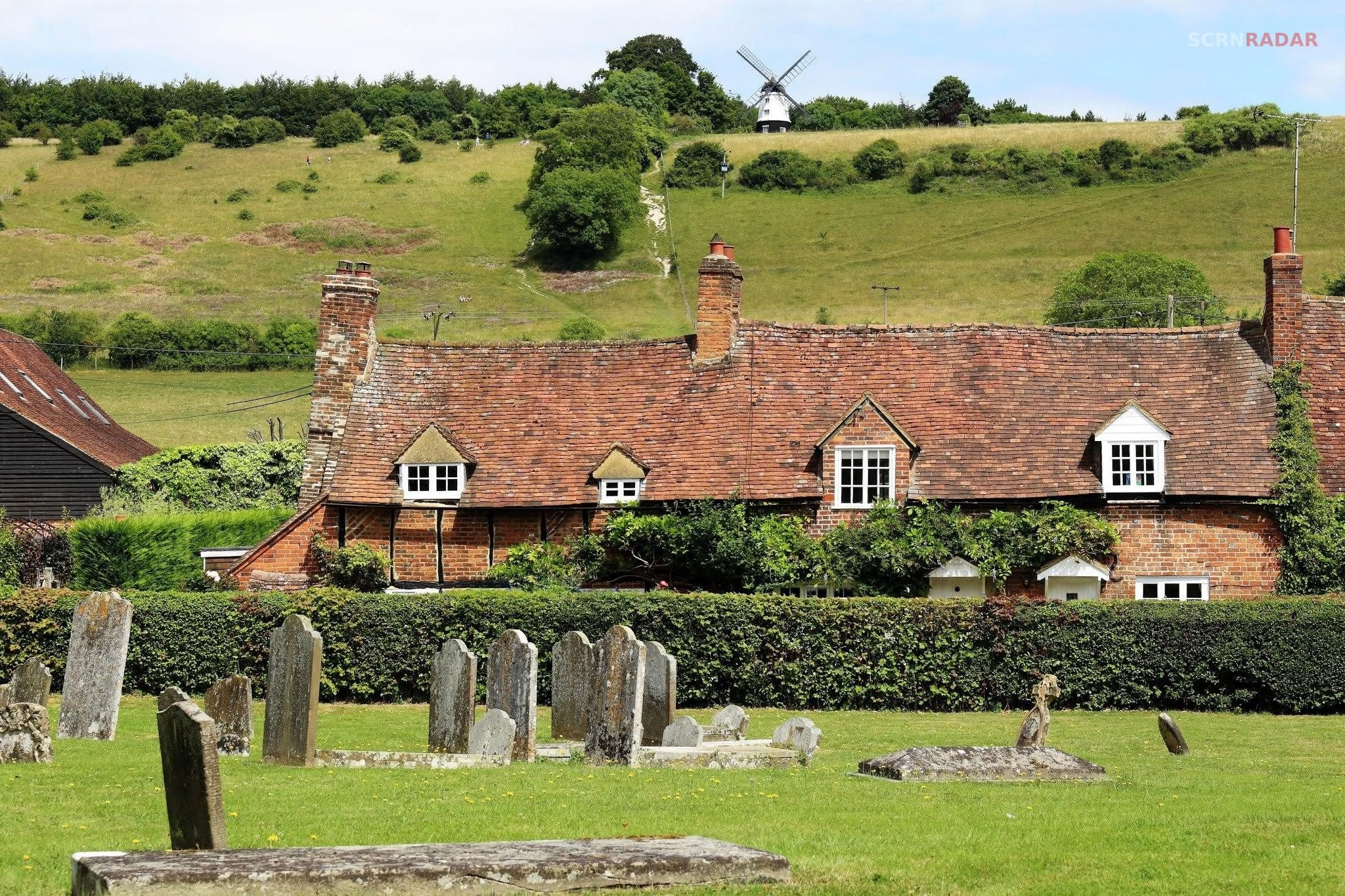
The majority of Went the Day Well? was filmed in the village of Turville, which served as the fictional village of Bramley End in the movie. Located in the Chiltern Hills about five miles west of High Wycombe, Turville provided the perfect backdrop for the film’s quiet English countryside setting. Its narrow roads, traditional cottages, and isolated rural atmosphere gave the movie an authentic sense of community.
The filmmakers intentionally used Turville because it represented the idealized image of rural England during wartime. The peaceful environment made the sudden German occupation feel even more surprising for audiences watching during World War II. This contrast between calm scenery and violent conflict became one of the film’s defining visual strengths.
Many parts of the village remain recognizable today, which is why film historians and classic cinema fans continue visiting the location. Turville later appeared in several other productions, including Chitty Chitty Bang Bang and The Vicar of Dibley.
St Mary the Virgin Church Became a Key Landmark
One of the most recognizable locations in the film is the Church of St Mary the Virgin in Turville. The historic church appears prominently throughout the movie and becomes a central part of the village’s identity within the story. Its traditional architecture reinforced the sense of old-fashioned English rural life the filmmakers wanted to portray.
The church’s presence carries symbolic weight in the film because it represents stability, history, and community during a time of wartime uncertainty. By placing scenes of violence and occupation around such a peaceful landmark, the movie heightened its emotional impact. This visual strategy helped distinguish the film from more conventional wartime propaganda projects of the era.
The church later gained additional fame through other British productions filmed in Turville. It notably appeared in the anthology horror film Dead of Night and became familiar to television audiences through The Vicar of Dibley.
The Bull & Butcher Pub and Village Buildings
Several scenes in Went the Day Well? were filmed around the village pub known as The Bull & Butcher. The pub became part of the fictional Bramley End village center and contributed heavily to the film’s realistic portrayal of small-town life. Many village interactions and gathering scenes were staged around this location.
The production also used nearby cottages and historic village buildings for important story moments. According to filming records, locations such as The Old Bakehouse and The Old Schoolhouse were incorporated into the fictional village layout. These practical locations helped create a believable environment rather than an artificial studio recreation.
Interestingly, some parts of the village shown in the film were temporary set extensions added by the production crew. Reel Streets notes that certain corners and structures visible onscreen were not real permanent buildings. This blend of practical locations and carefully designed set pieces allowed the filmmakers to expand the village while maintaining authenticity.
Cobstone Hill and the Famous Windmill
The surrounding countryside of Turville also played an important role in establishing the film’s visual identity. Several wide shots overlooking Bramley End were filmed near Cobstone Windmill on Cobstone Hill. The elevated views emphasized the village’s isolation and vulnerability during the German invasion.
The windmill itself became one of the area’s most recognizable landmarks. Though not central to the plot, it added to the timeless English countryside atmosphere the film carefully constructed. The location later became internationally famous after appearing in Chitty Chitty Bang Bang.
These terrain shots also reinforced the film’s propaganda message. By presenting the English countryside as beautiful and worth defending, the movie strengthened its wartime emotional appeal to audiences in 1942. The visuals subtly reminded viewers what was at stake during the war.