
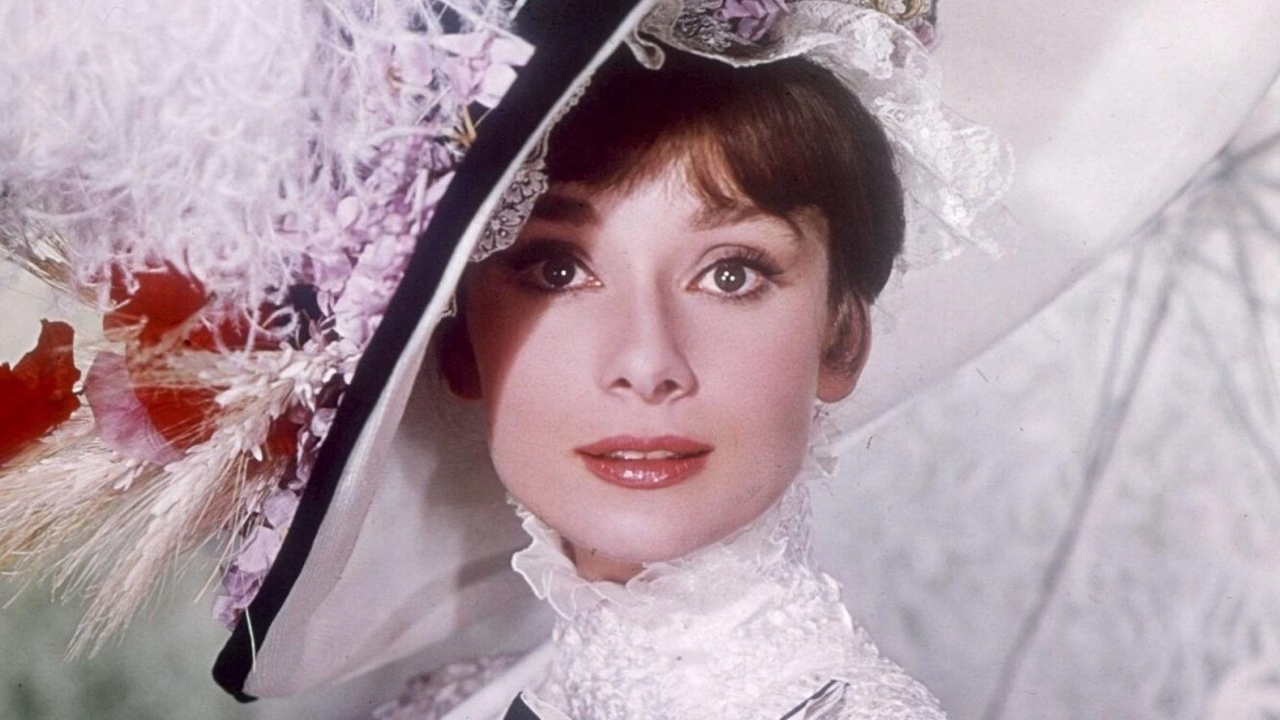
My Fair Lady remains one of the greatest musical films ever made, adapting George Bernard Shaw’s Pygmalion into a timeless story about identity, class, and self-discovery. Starring Audrey Hepburn as Eliza Doolittle and Rex Harrison as Professor Henry Higgins, the 1964 Best Picture winner explores how language and social status influence the way people are perceived. While much of the attention falls on Eliza’s remarkable transformation from a Cockney flower seller into a refined lady, the film’s ending also gives significant importance to her father, Alfred Doolittle.
Alfred’s unexpected rise into the middle class serves as one of the story’s sharpest pieces of social commentary. His complaints about wealth and respectability are more than comic relief—they reinforce the film’s broader themes about freedom, class expectations, and personal identity. Here’s what the ending of My Fair Lady really means and why Alfred Doolittle’s fate is so important.
Alfred Doolittle’s Ending Explained
By the final act of My Fair Lady, Eliza has successfully completed Professor Higgins’ speech experiment, proving she can pass as an upper-class lady during London’s high society events. Although Higgins views the experiment as a professional triumph, Eliza realizes she has fundamentally changed and can no longer return to her former life as a flower seller. Her journey becomes one of personal independence rather than simply learning proper pronunciation.
At the same time, Alfred Doolittle experiences an ironic transformation of his own. Earlier in the story, he proudly describes himself as one of the “undeserving poor,” preferring freedom over respectability and rejecting the responsibilities associated with middle-class life. However, after unexpectedly inheriting a substantial income, he is thrust into the very social class he spent years criticizing.
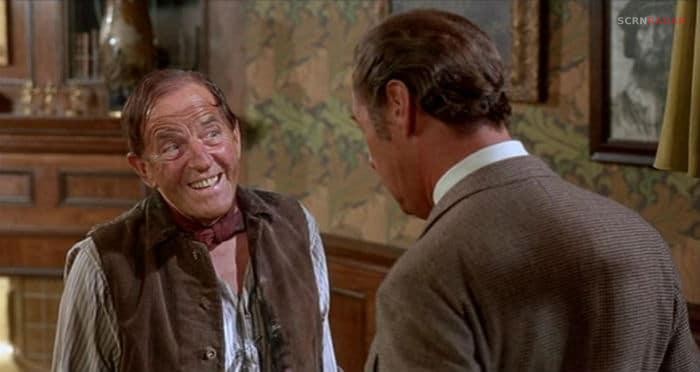
Alfred complains that wealth has forced him to become respectable, marry his longtime partner, and conform to society’s expectations. What initially appears to be good fortune becomes, in his eyes, a burden that strips away the carefree lifestyle he once enjoyed. His humorous frustration highlights George Bernard Shaw’s satirical criticism of rigid class structures and the pressures that accompany social advancement.
The film concludes with Eliza returning to Higgins’ home after asserting her independence. Rather than offering a conventional romantic resolution, the ending leaves their future intentionally open to interpretation. While Higgins casually asks Eliza where his slippers are, her quiet smile suggests that their relationship has changed, with both characters having grown through the events of the story.
Ultimately, Alfred Doolittle’s fate mirrors Eliza’s transformation from the opposite direction. While Eliza rises into higher society through education and determination, Alfred is pulled there unwillingly through wealth. Together, their stories reinforce My Fair Lady’s enduring message that social class influences people’s lives in unexpected ways, but personal identity cannot simply be reshaped by money, manners, or status alone.