
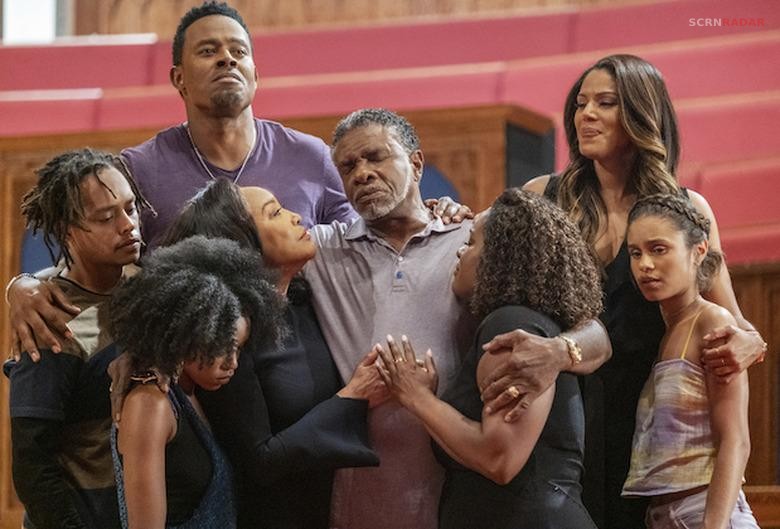
Greenleaf is a gripping drama series that blends family conflict, religion, and dark secrets into a compelling narrative set within a powerful megachurch. Created by Craig Wright and executive produced by Oprah Winfrey, the show aired on the Oprah Winfrey Network and quickly gained attention for its bold storytelling. At its core, Greenleaf explores the lives of the influential Greenleaf family, who run the fictional Calvary Fellowship World Ministries in Memphis.
While the church projects an image of faith, unity, and moral leadership, the reality behind closed doors is far more complicated. The series dives into themes of betrayal, abuse, corruption, and redemption, making it much more than a typical family drama. Through its layered characters and emotional storytelling, Greenleaf reveals how power and secrecy can exist even in sacred spaces. Let’s break down what the show is really about and why it resonated with audiences.
The Core Premise of Greenleaf
At its heart, Greenleaf is about a powerful family that leads a megachurch while hiding deep, damaging secrets. The story begins with Grace Greenleaf returning home after 20 years away, triggered by the mysterious death of her sister Faith.
Grace’s return acts as the catalyst for the entire series. As she reconnects with her family, she begins uncovering long-buried truths about what really happened in the past. The more she investigates, the more she realizes that her family’s influence and reputation have been built on lies and silence.
The show uses the church setting to explore how authority can be abused. It questions the idea of moral leadership by showing how individuals in power can manipulate faith for personal gain. This central conflict drives the narrative across all five seasons.
The Greenleaf Family Explained
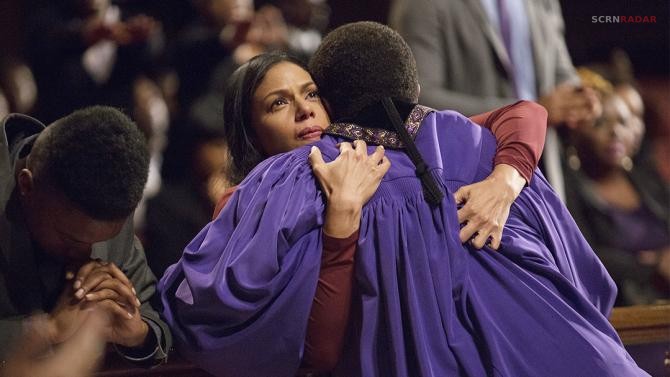
The Greenleaf family sits at the center of the story, and each member plays a crucial role in shaping the drama. Their relationships are complex, filled with tension, loyalty, and unresolved trauma.
Bishop James Greenleaf, the head of the church, is a charismatic yet deeply flawed leader. He struggles to maintain control over both his family and his ministry. His wife, Lady Mae Greenleaf, is equally powerful, often acting as the strategic force behind the church’s success.
Grace Greenleaf serves as the audience’s entry point into the story. Having distanced herself from the family, she returns with a more objective perspective and becomes determined to expose the truth. Her siblings, including Jacob and Charity, represent different aspects of loyalty and ambition within the family.
Each character is layered and morally complex. The show avoids simple good-versus-evil dynamics, instead presenting individuals who are shaped by their choices, past trauma, and desire for control.
The Church as a Symbol of Power
Calvary Fellowship is more than just a church. It functions as a symbol of influence, wealth, and control within the community.
The series portrays the church as a business empire. It generates significant revenue, attracts large crowds, and holds political influence. This portrayal highlights how religion can intersect with money and power in modern society.
At the same time, the church is also a place of genuine faith for many characters. This duality creates tension throughout the series. While some individuals seek spiritual growth, others exploit the institution for personal benefit.
By presenting both sides, Greenleaf offers a nuanced exploration of organized religion. It neither fully condemns nor glorifies it, instead focusing on the human flaws that exist within any system of power.
The Central Mystery: What Happened to Faith?

One of the most important storylines in Greenleaf revolves around the death of Faith Greenleaf. Her story serves as the emotional and narrative backbone of the series.
Faith’s death is initially presented as a suicide, but Grace suspects there is more to the story. As the truth unfolds, it is revealed that Faith was a victim of abuse involving someone connected to the church.
This revelation exposes the darker side of the Greenleaf family’s legacy. It also explains why Grace left home years earlier. Her departure was not just an act of rebellion but a response to the trauma and injustice she witnessed.
The show handles this storyline with seriousness and emotional depth. It highlights how institutions can fail victims when reputation becomes more important than truth.
Themes That Define Greenleaf
Greenleaf stands out because of its strong thematic focus. The show consistently explores ideas that resonate beyond its setting.
One of the central themes is the conflict between faith and hypocrisy. Characters often preach moral values while failing to live by them. This contrast creates much of the show’s tension.
Another key theme is family loyalty versus truth. Many characters are forced to choose between protecting their loved ones and doing what is right. These choices often have lasting consequences.
The show also examines redemption. Despite their flaws, many characters seek forgiveness and change. This adds emotional complexity and prevents the narrative from becoming overly cynical.
Major Conflicts Throughout the Series
The drama in Greenleaf is driven by multiple overlapping conflicts. These conflicts evolve over time, keeping the story engaging across seasons.

Internal family struggles form the backbone of the narrative. Power struggles between Lady Mae and Bishop James create constant tension. Sibling rivalries and personal ambitions further complicate relationships.
External threats also play a significant role. Rival churches, financial challenges, and legal issues test the family’s control over Calvary Fellowship. These challenges often expose weaknesses within the organization.
Personal conflicts add another layer. Characters deal with issues such as addiction, infidelity, and identity. These struggles make the story feel grounded and relatable.
Grace Greenleaf’s Journey Explained
Grace’s character arc is one of the most important elements of the series. Her journey reflects the show’s central themes of truth, justice, and healing.
At the beginning, Grace is an outsider returning to a world she left behind. She is skeptical of her family and determined to uncover the truth. This puts her at odds with those who prefer to keep secrets buried.
As the series progresses, Grace becomes more involved in the church. She struggles to reconcile her beliefs with the institution’s flaws. Her journey is not just about exposing others but also about understanding herself.
By the end, Grace represents a possibility for change. While she cannot fix everything, her actions challenge the status quo and push others toward accountability.
Why Greenleaf Resonated With Audiences
Greenleaf connected with viewers because it offered something unique. It combined the emotional depth of a family drama with the tension of a mystery thriller.
The show’s willingness to tackle difficult topics set it apart. Issues like abuse, corruption, and moral conflict were handled with seriousness and care. This gave the series a sense of authenticity.

The performances also played a major role. Actors brought depth and nuance to their characters, making even flawed individuals feel human. This emotional realism helped audiences stay invested in the story.
Additionally, the setting provided a fresh perspective. Few shows explore the inner workings of a megachurch with this level of detail. This uniqueness contributed to its critical and commercial success.
How Greenleaf Ends (Brief Overview)
Without looking too deep into spoilers, the final season of Greenleaf focuses on resolution and closure. The family faces significant challenges that threaten both their relationships and the future of the church.
Key storylines reach their emotional conclusions. Characters are forced to confront their past actions and make difficult decisions about their future. Some find redemption, while others face the consequences of their choices.
The ending emphasizes growth and change. While not everything is resolved perfectly, there is a sense of progress. The show concludes on a note that reflects its core themes of faith, truth, and healing.
Greenleaf is much more than a show about a church. It is a layered drama that explores power, family, and the complexities of faith. Through its compelling characters and intense storylines, it reveals how easily truth can be hidden when reputation and influence are at stake.
The series stands out for its honest portrayal of human flaws. It does not offer easy answers or simple resolutions. Instead, it presents a world where people struggle, fail, and try to grow.
For viewers looking for a drama that combines emotional depth with meaningful themes, Greenleaf delivers a powerful and unforgettable experience.
The success of Greenleaf also lies in how it portrays generational trauma and its long-term impact on families. The Greenleafs are not just dealing with present-day conflicts but are constantly influenced by past decisions and unresolved pain.
This layered storytelling adds emotional weight to the narrative, showing how cycles of silence and denial can affect multiple generations. By addressing these deeper psychological elements, the series elevates itself beyond a typical drama and offers a more introspective look at family dynamics.
Another important aspect of Greenleaf is its commentary on public image versus private reality. The Greenleaf family maintains a polished, respected reputation within their community, yet their personal lives tell a very different story.
This contrast reflects a broader societal issue, where individuals and institutions often prioritize appearance over truth. The show effectively uses this duality to question how much people are willing to hide to protect their status. In doing so, it encourages viewers to reflect on authenticity, accountability, and the cost of maintaining a false image.