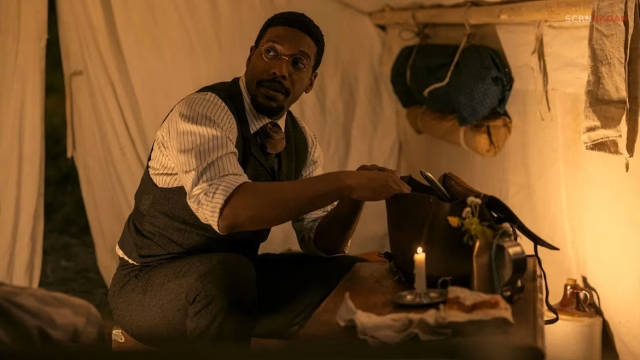
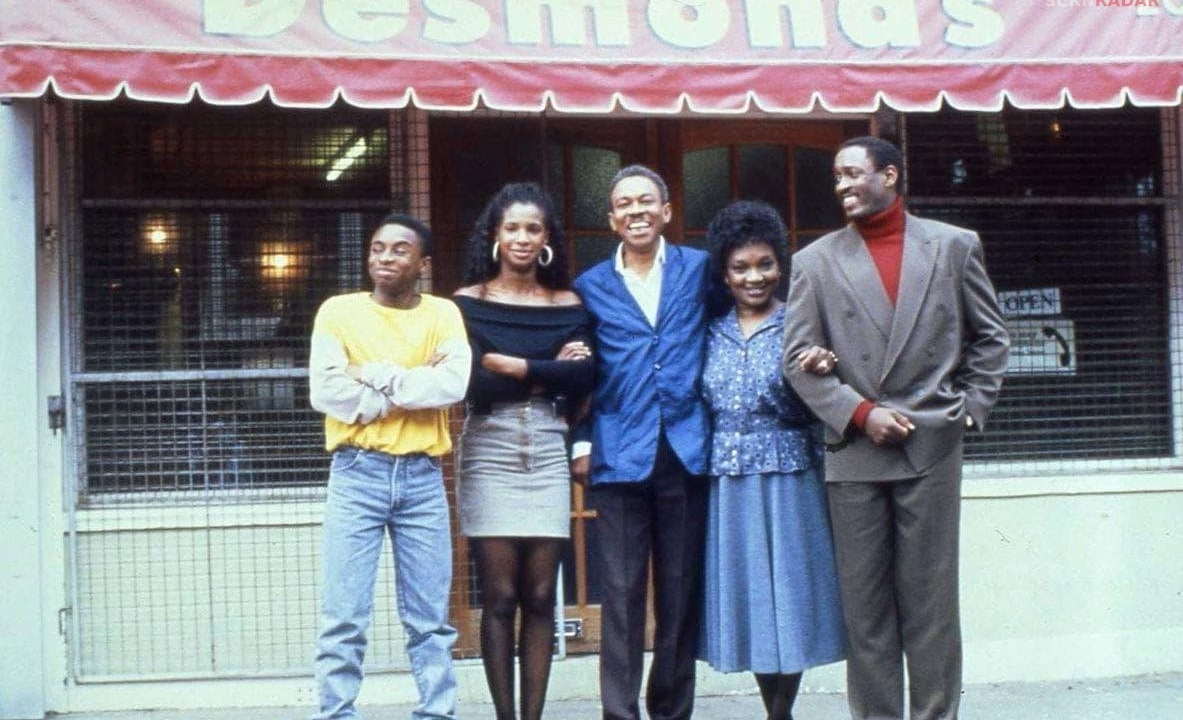
Desmond’s remains one of Channel 4’s most influential sitcoms, airing from 1989 to 1994 and centering on a Guyanese-British family running a barbershop in South London. Created by Trix Worrell, the series blends sharp comedy with grounded storytelling about community, identity, and generational conflict.
The sitcom stood out because it centered on a Black British-Guyanese family at a time when such representation was rare on British television. While the show delivered plenty of laughs through witty dialogue and memorable characters, it also explored real-life issues affecting immigrant communities in Britain. Decades after its original run, Desmond’s remains one of the most influential British sitcoms ever produced and is often praised for helping change the terrain of British television.
What Is the Plot of Desmond’s?
At its core, Desmond’s revolves around Desmond Ambrose, a barber originally from Guyana who operates a barbershop in Peckham, South London. The shop serves as much more than a place to get a haircut. It acts as a social hub where friends, family members, and local residents gather to discuss everything from politics and relationships to work and personal dreams.
Desmond runs the business alongside his wife Shirley, who often serves as the practical and sensible voice within both the family and the community. Their children, Gloria, Michael, and Sean, each represent different perspectives on life in modern Britain, creating generational conflicts that drive many of the show’s storylines.
The sitcom’s episodes typically focus on everyday situations rather than elaborate plots. A customer might bring a strange problem into the shop, family members may clash over their ambitions, or Desmond’s dreams of eventually retiring to Guyana may spark disagreement within the household. These ordinary scenarios become the foundation for humor, character development, and social commentary.
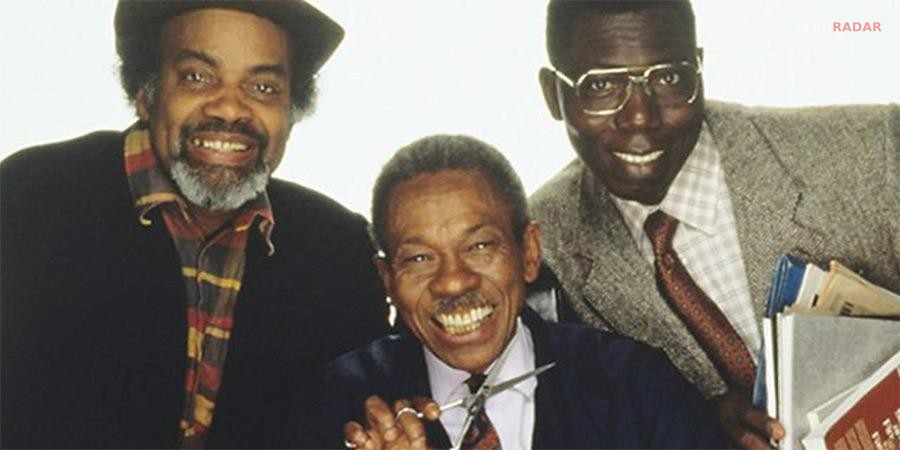
Unlike many sitcoms of its era, Desmond’s avoided relying solely on punchlines. Instead, it blended comedy with relatable human experiences, making viewers feel connected to the characters and their struggles. That balance helped the series attract audiences far beyond the communities it portrayed.
Meet the Main Characters in Desmond’s
The heart of the series is Desmond Ambrose, played by the late Norman Beaton. Desmond is proud, ambitious, and occasionally stubborn. Although he owns the barbershop, one of the running jokes throughout the series is that he is not necessarily the best barber. Nevertheless, he remains respected within his community and dreams of one day returning to Guyana to retire.
Shirley Ambrose, portrayed by Carmen Munroe, is Desmond’s wife and often the emotional center of the family. She balances her husband’s optimism with practicality and frequently helps solve problems affecting both family members and customers. Her character brought warmth and stability to many storylines.
The Ambrose children add another layer to the show’s appeal. Michael works in banking and often represents upward mobility and professional success. Gloria dreams of building a career in fashion and finding the right relationship. Sean is younger and reflects the experiences of Black British youth growing up in London. Together, they showcase different ambitions and viewpoints within the same family.
Among the supporting characters, Porkpie became one of the most beloved. Played by Ram John Holder, he is a charming regular at the barbershop who often provides comic relief through his schemes and observations. Matthew, another memorable figure, frequently engages in humorous debates with the other characters while highlighting cultural differences within the broader Black community.
Why the Barbershop Is Central to the Story
One of the most distinctive aspects of Desmond’s is its setting. The barbershop is not simply a workplace. It functions as a gathering place where people exchange opinions, tell stories, settle disagreements, and share news about their lives. Many of the show’s most memorable moments occur within its walls.
This setting allowed the writers to introduce a wide variety of characters and viewpoints. Customers came from different backgrounds and generations, creating opportunities for discussions about culture, identity, and social change. Because the shop attracted so many personalities, it became the perfect stage for both comedy and meaningful conversations.
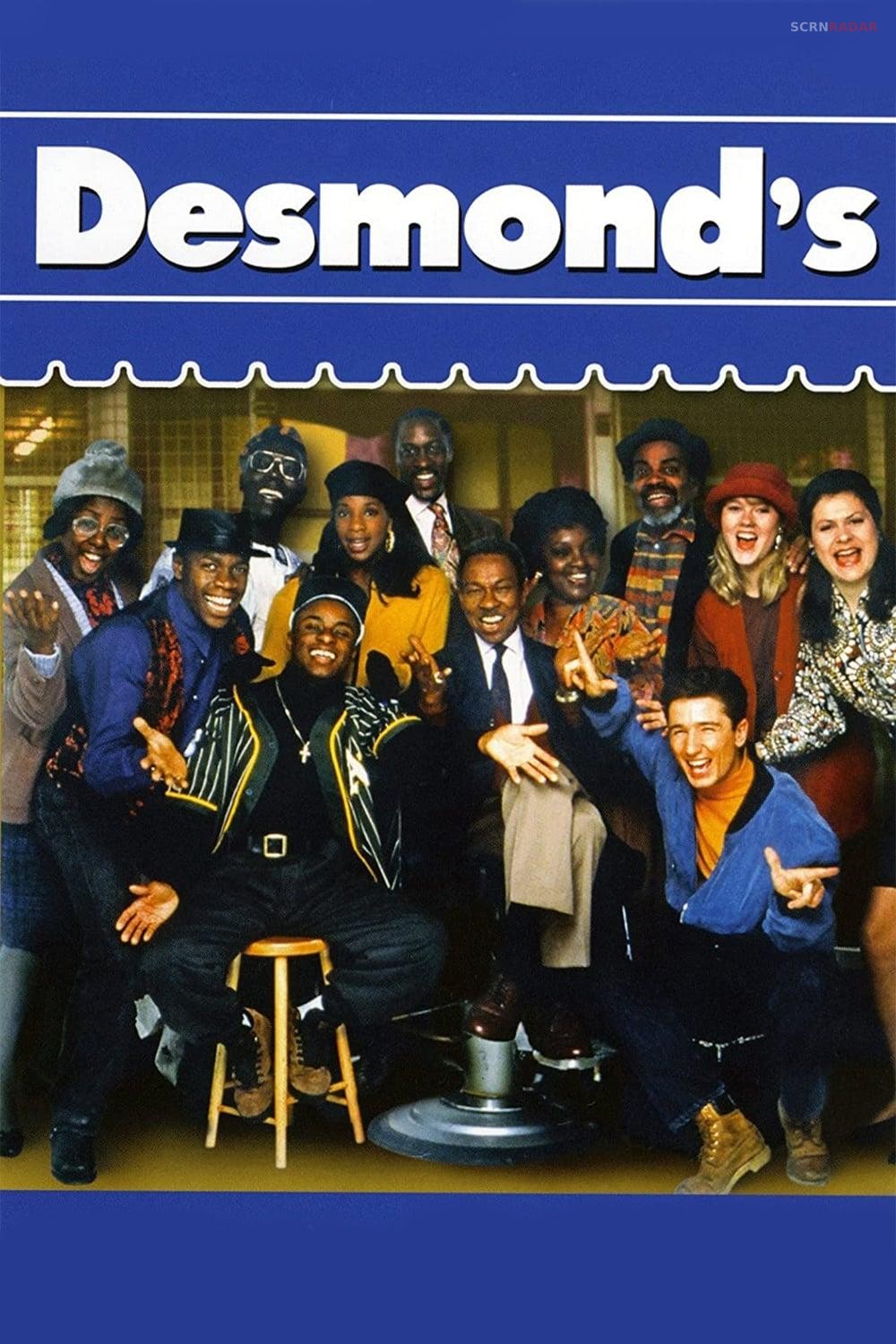
The barbershop also symbolizes community. Even characters who rarely needed a haircut would spend hours there simply because it served as a social center. That sense of belonging became one of the defining qualities of the series and helped distinguish it from many other sitcoms of the period.
For viewers, the location felt authentic and familiar. Whether someone lived in London or elsewhere, the shop represented the kind of local gathering place where friendships are built and life unfolds one conversation at a time.
The Themes That Made Desmond’s Special
Although Desmond’s is primarily a comedy, it tackles several important themes that contributed to its lasting impact. One major theme is family. Much of the show’s humor and emotional depth comes from the relationships between Desmond, Shirley, and their children. Like many families, they disagree about careers, relationships, and future plans, yet their bond remains strong.
Another key theme is immigration and identity. Desmond’s desire to return to Guyana contrasts with the experiences of younger family members who view Britain as their primary home. These differing perspectives create engaging discussions about belonging, heritage, and cultural change.
The series also examines social mobility and ambition. Characters pursue education, careers, and personal goals while steering the realities of life in London. Rather than presenting a single perspective, the show explores multiple paths toward success and fulfillment.
Perhaps most importantly, Desmond’s highlights community. The characters may argue, compete, or disagree, but they consistently support one another during difficult times. This sense of solidarity gives the sitcom much of its emotional resonance and explains why it remains beloved decades later.
Why Desmond’s Was Groundbreaking
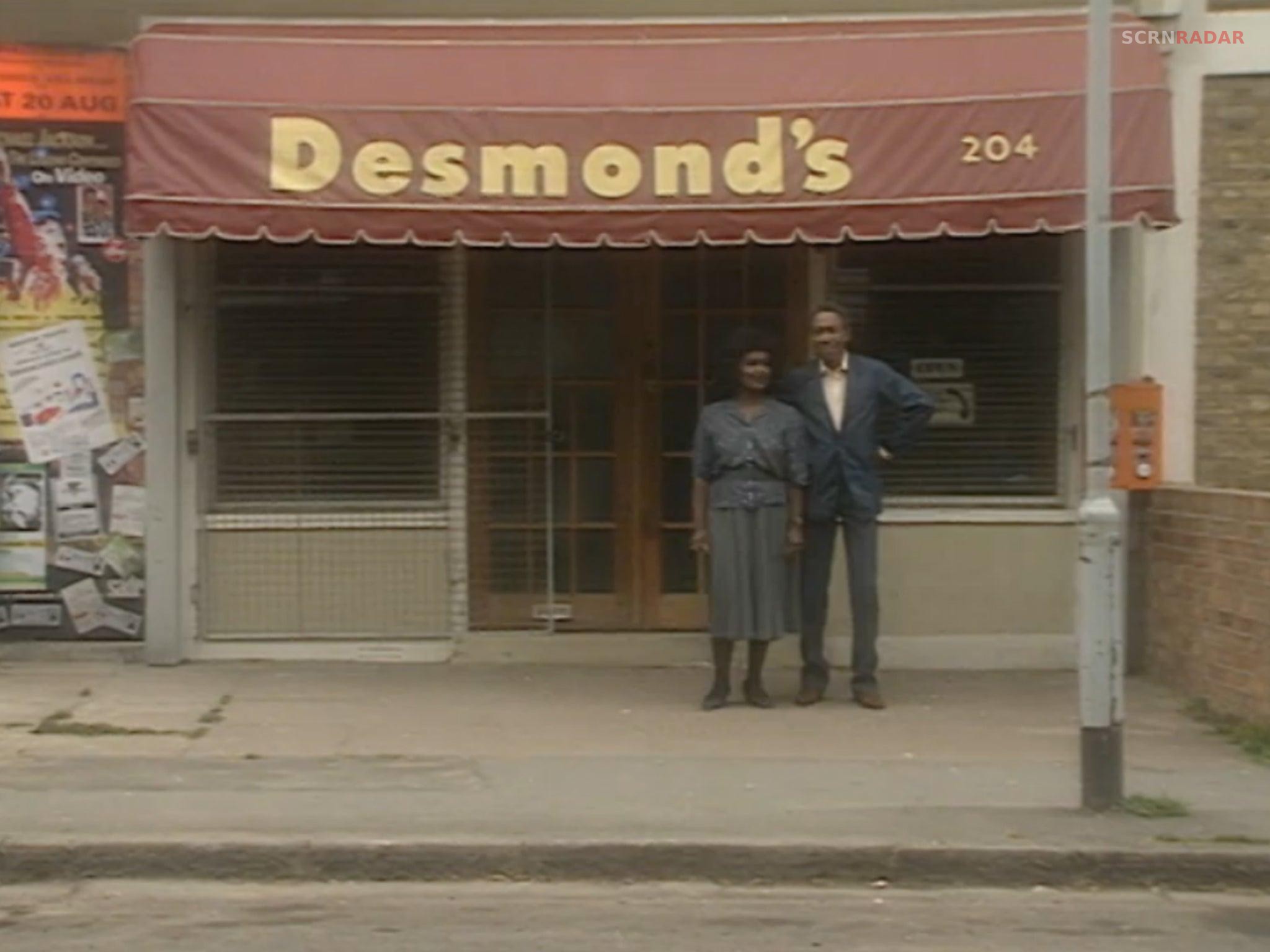
When Desmond’s premiered in 1989, British television offered very few sitcoms centered on Black families. The series helped fill that gap by presenting Black British life through authentic characters rather than stereotypes. Its success demonstrated that audiences were eager for stories reflecting a broader range of experiences.
The show was notable not only for its predominantly Black cast but also for the diversity of perspectives within that cast. Characters came from different generations, professions, and cultural backgrounds, allowing the series to explore complex issues without losing its comedic appeal.
Creator Trix Worrell has been credited with crafting characters who felt realistic and multidimensional. Instead of relying on simplistic representations, the series portrayed ordinary people with ambitions, flaws, and unique personalities. That approach helped Desmond’s resonate with viewers from all backgrounds.
The sitcom’s popularity proved that stories focused on minority communities could achieve mainstream success. It became one of Channel 4’s most successful homegrown comedies and opened doors for future programs featuring more diverse casts and perspectives.
How Many Seasons of Desmond’s Are There?
Desmond’s ran for six seasons between 1989 and 1994, producing a total of 71 episodes. During its run, the series maintained a loyal audience and consistently ranked among Channel 4’s most popular comedy programs.
The show’s success eventually led to a spin-off series titled Porkpie, which focused on one of the original sitcom’s most popular characters. Although the spin-off was shorter-lived, it demonstrated the strength of the world and characters established in Desmond’s.
Sadly, Norman Beaton passed away shortly before the broadcast of the final Christmas special. His death marked the end of an era for the series, but his performance as Desmond Ambrose remains one of the most celebrated in British sitcom history.
Even today, reruns and streaming availability continue to introduce new audiences to the show. Its humor and themes have aged remarkably well, helping it maintain relevance decades after its original broadcast.
Is Desmond’s Worth Watching Today?
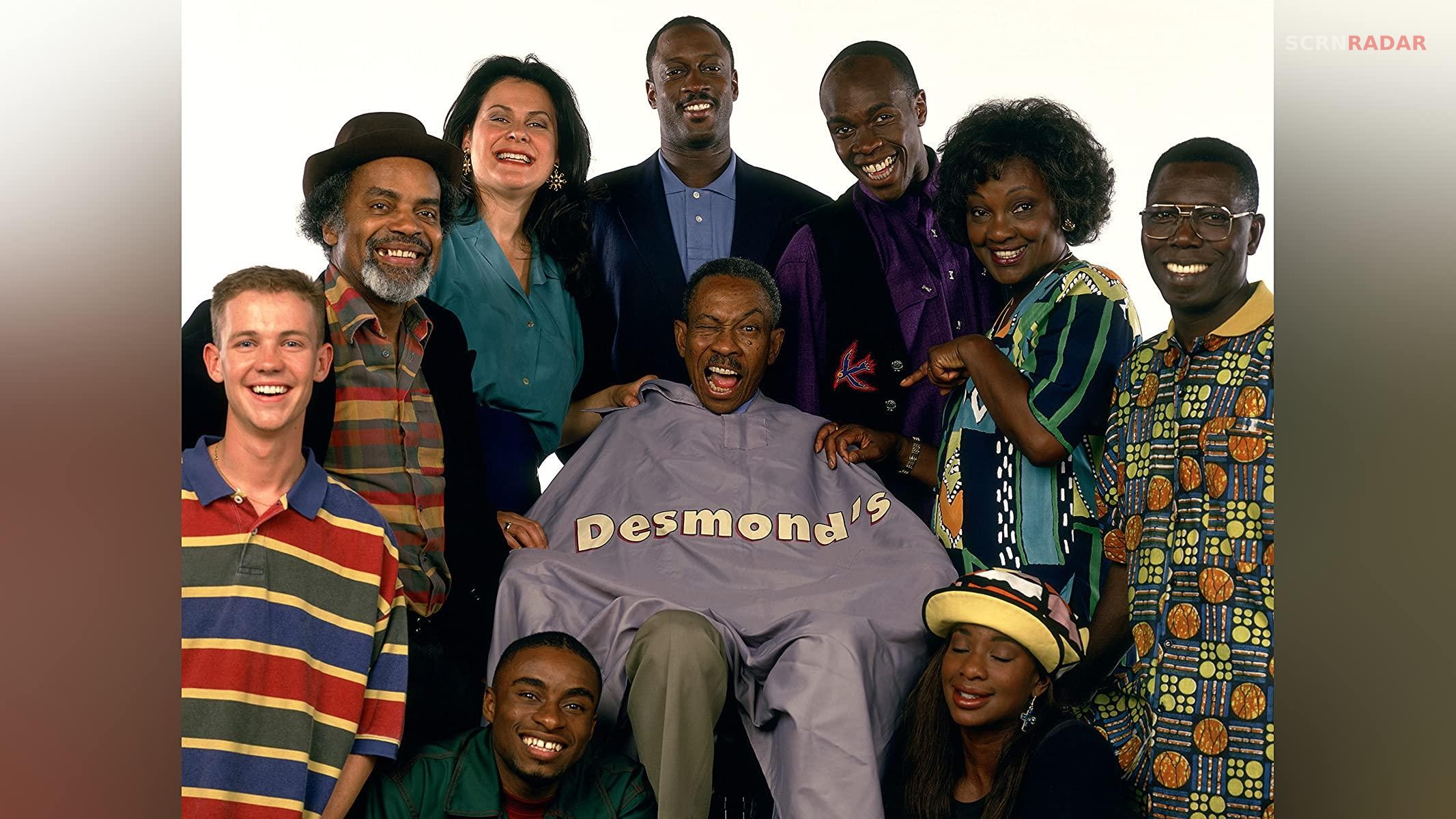
For modern viewers, Desmond’s offers far more than nostalgia. The show’s focus on family dynamics, cultural identity, and community remains relevant in today’s world. While some references are rooted in late twentieth-century Britain, the emotional core of the series feels timeless.
The performances are another major reason to watch. Norman Beaton and Carmen Munroe create a believable and engaging partnership, while the supporting cast delivers memorable comedic moments throughout the series. Their chemistry helps make even simple storylines entertaining.
Viewers interested in television history will also appreciate the show’s significance. Desmond’s helped reshape representation on British television and influenced future generations of writers, actors, and producers. Its impact extends far beyond comedy alone.
Whether you are looking for laughs, cultural insight, or an important piece of television history, Desmond’s remains a rewarding viewing experience. Its combination of humor, heart, and authenticity continues to attract new fans more than three decades after its debut.
If you’re wondering what Desmond’s TV show is about, the simplest answer is that it is a sitcom centered on a British-Guyanese family and the lively community surrounding their South London barbershop. Through everyday interactions, family conflicts, and neighborhood conversations, the series explores identity, ambition, friendship, and belonging while delivering plenty of comedy.
What makes Desmond’s stand out is its ability to be both entertaining and meaningful. It captured a specific community while telling universal stories that audiences everywhere could understand. That achievement helped make it one of the most influential British sitcoms ever produced, and its legacy continues to endure today.