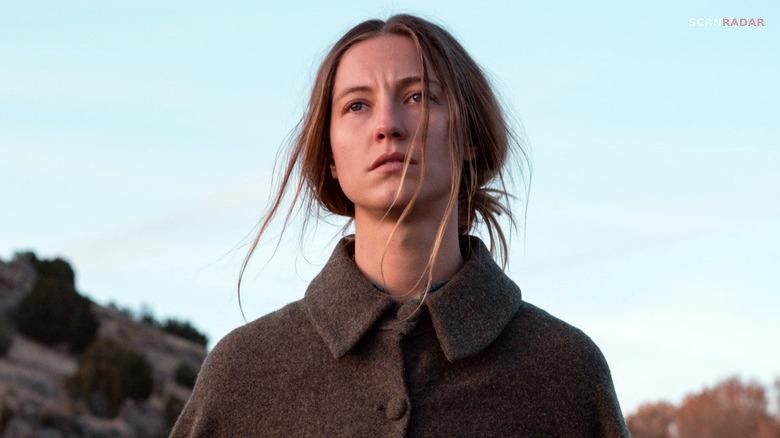
The Wind (2018) is a slow-burn Western horror film directed by Emma Tammi that blends psychological terror with supernatural folklore. Set on the isolated American frontier in the late 1800s, the story follows Lizzy Macklin, a homesteader whose quiet life begins to unravel after the arrival of a neighboring couple. Strange visions, unexplained noises, and disturbing encounters convince Lizzy that an evil force known as the “demon of the prairie” is stalking her and everyone around her.
The film’s nonlinear storytelling deliberately keeps viewers uncertain about what is real and what exists only in Lizzy’s mind. As the timeline gradually comes together, the ending reveals a tragic truth that changes the meaning of many earlier scenes. Here’s what really happens at the end of The Wind and whether the supernatural threat actually exists.
The Truth Behind Lizzy’s Nightmare
Throughout the film, Lizzy believes a demonic presence is responsible for the tragedies surrounding her. She experiences terrifying visions, hears unnatural sounds carried by the wind, and becomes convinced that the entity wants to steal unborn children. These fears intensify after her neighbor Emma begins expressing similar concerns during her pregnancy, seemingly confirming that something supernatural is haunting the isolated prairie.
The final act, however, reveals that many of the paranormal events are tied to Lizzy’s deteriorating mental state rather than confirmed supernatural attacks. Isaac discovers Emma’s diary and realizes that Lizzy, driven by jealousy and worsening “prairie madness,” actually killed Emma instead of the apparent suicide everyone believed had occurred. Lizzy’s fragmented memories and hallucinations have prevented both her and the audience from recognizing what truly happened.
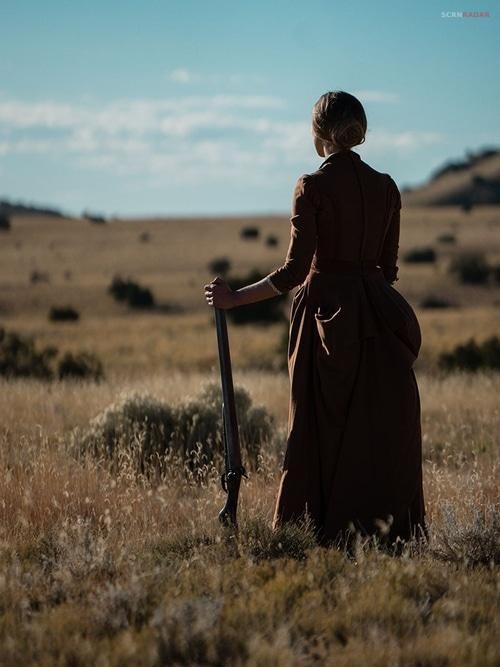
When Isaac confronts her with the truth, Lizzy believes he has become possessed by the prairie demon. Acting in self-defense against what she perceives as a monster, she fatally stabs her husband. The tragedy completes her psychological collapse, leaving her alone on the frontier after unintentionally destroying everyone closest to her.
The film intentionally leaves one mystery unresolved: whether a supernatural force ever existed at all. Some scenes, including the mysterious reverend and unexplained phenomena, can be interpreted as evidence of a real evil presence. Others suggest they are manifestations of Lizzy’s overwhelming grief, isolation, and trauma after losing her child. By refusing to offer a definitive answer, The Wind turns its ending into a haunting exploration of loneliness, guilt, and the devastating psychological effects of life on the unforgiving American frontier.