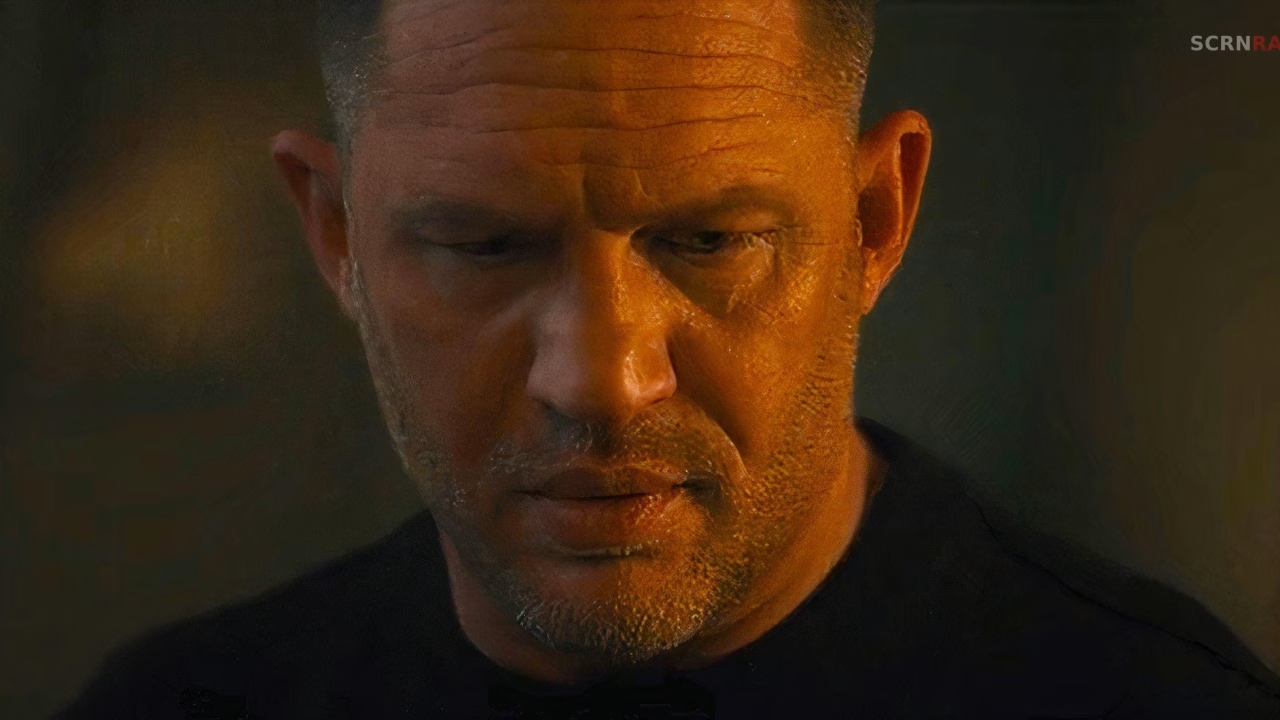
Tom Hardy will no longer continue with MobLand beyond its upcoming second season, marking a major shift for the Paramount+ crime drama. While Hardy will still appear in Season 2, which has already completed filming, reports indicate that his role as Harry Da Souza will not carry forward into a potential third season. The news comes as a surprise, given Hardy’s central role in establishing the series’ popularity. His performance was widely seen as one of the key draws for audiences. The development now raises questions about the show’s long-term direction.
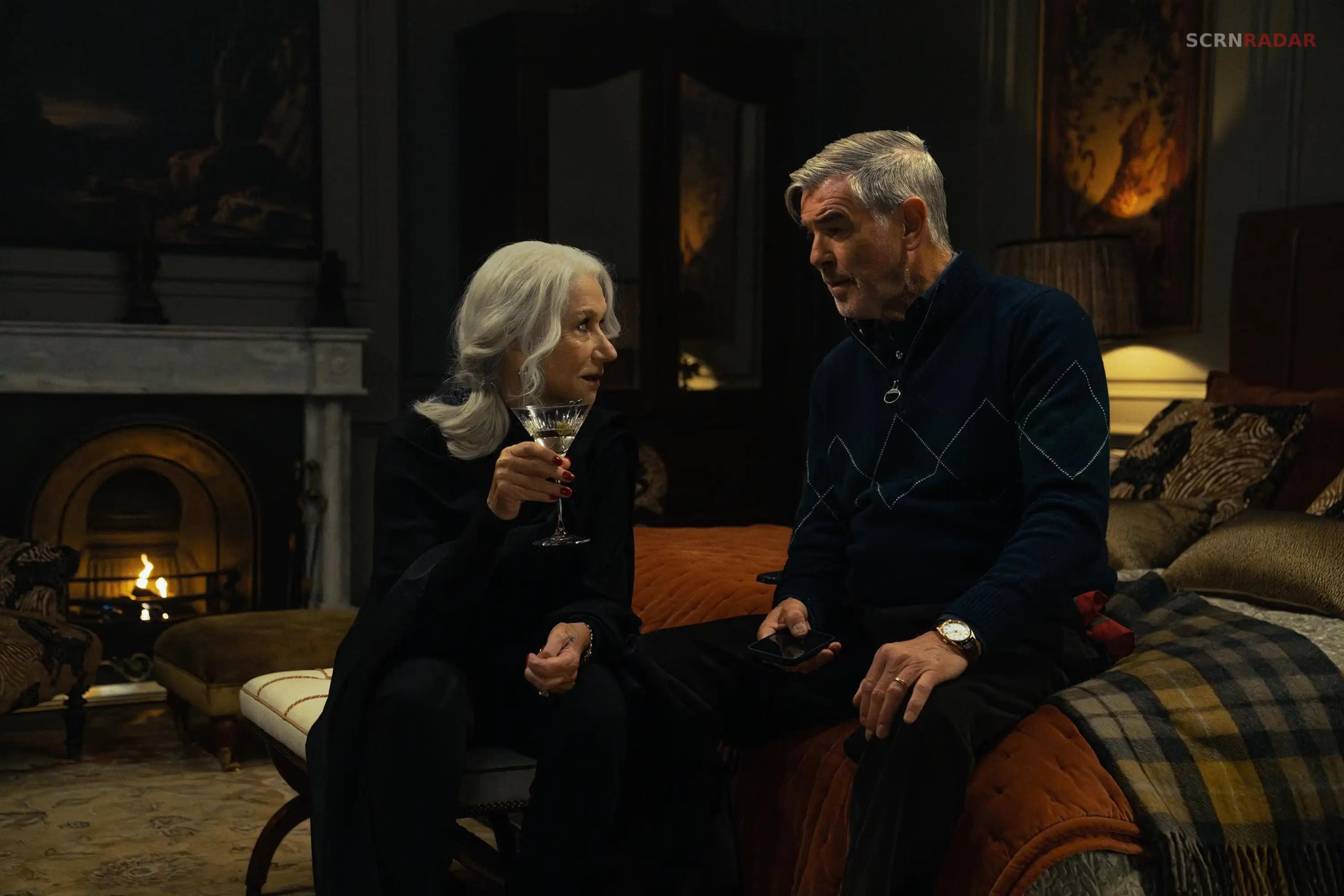
The series itself has built a strong following since its debut, thanks to its gritty storytelling and ensemble cast. Alongside Hardy, the show features prominent actors like Pierce Brosnan and Helen Mirren, adding further star power. With Season 2 expected to release later this year, viewers will still see Hardy’s character arc continue in the immediate future. However, the confirmation of his exit signals a turning point for the series. It also places greater focus on how the show will evolve without its lead.
Report Points to Creative Differences Behind Exit
According to Variety, Hardy’s departure stems from reported issues with key members of the production team. These include executive producer Jez Butterworth and production company 101 Studios. While the exact nature of the disagreements has not been publicly detailed, the situation appears to involve creative differences. Such conflicts are not uncommon in large-scale productions, particularly those with strong creative voices. In this case, they have led to a significant casting change.
The lack of official statements from Hardy or the production team leaves some uncertainty. However, the report suggests that the decision has already been finalized. This means that any future seasons will need to move forward without him. Whether the character will be recast or written out entirely remains unclear. The absence of clarity has fueled speculation among fans.
A History of On-Set Tensions
The reported issues surrounding Tom Hardy are not entirely without precedent. The actor has previously been linked to on-set tensions in other projects. During the production of Mad Max: Fury Road, for example, he reportedly clashed with co-star Charlize Theron. Those conflicts were widely discussed at the time, though both actors later addressed them publicly. While such incidents do not define his career, they provide context for the current situation.
It is important to note that Hardy remains one of the most respected actors in the industry. His performances across film and television have consistently received critical acclaim. Projects like Venom and Peaky Blinders have reinforced his reputation as a versatile performer. The situation with MobLand appears to be specific to this production rather than a broader trend. Even so, it has become a key part of the current narrative.
What This Means for MobLand Season 2 and Beyond
Despite the news, Season 2 of MobLand is still expected to arrive later this year. Filming has already wrapped, ensuring that Hardy’s performance will remain a central part of the upcoming episodes. This gives the show an opportunity to address his character’s storyline before any potential transition. How the writers handle this will likely shape audience reactions. It also sets the stage for what comes next.
Looking ahead, the series faces a critical decision regarding its future. Removing a lead character can significantly impact a show’s identity. If renewed for Season 3, the creators will need to either introduce a new central figure or shift focus to existing characters. The presence of actors like Brosnan and Mirren provides some stability. However, replacing Hardy’s influence will not be straightforward.
Guy Ritchie’s Involvement Still Anchors the Series
Another factor that may help maintain continuity is the involvement of Guy Ritchie. The acclaimed filmmaker has directed several episodes and remains closely tied to the project’s creative direction. His style has been a defining element of the show’s tone and pacing. This connection could help guide the series through its transition. It also ensures a level of consistency in storytelling.
In addition, writer Ronan Bennett continues to shape the narrative framework. His experience in crafting crime dramas adds depth to the series. Together, the creative team still holds the potential to sustain the show’s momentum. The challenge will be adapting to the absence of a key performer.