
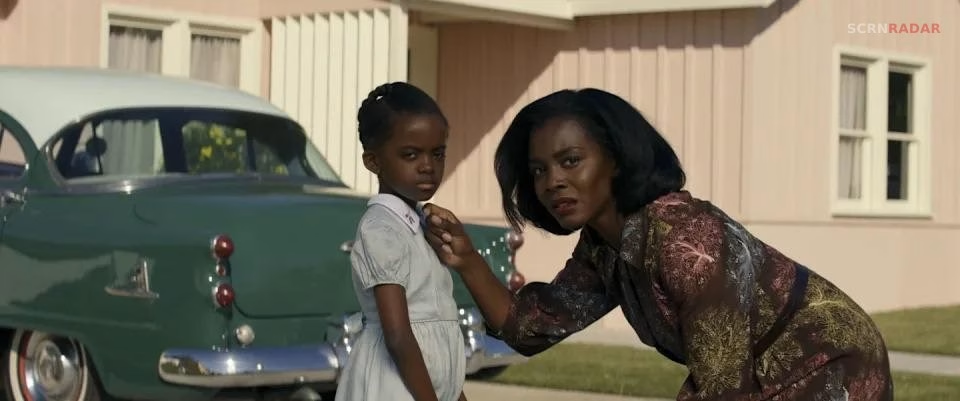
Them Season 1 is not an easy watch, and that is entirely intentional. Created by Little Marvin and released on Amazon Prime Video, the anthology horror series quickly gained attention for its unflinching portrayal of racism in 1950s America. Set against the backdrop of the Great Migration, the story follows the Emory family as they move from North Carolina to an all-white neighborhood in Los Angeles, only to face hostility that manifests in both human and supernatural forms.
Unlike traditional horror series that rely solely on jump scares, Them builds its tension through psychological dread and historical context. The show blends real-life racial terror with unsettling supernatural elements, creating an atmosphere that feels both grounded and nightmarish. While the series has been praised for its ambition and performances, it has also sparked debate due to its graphic and emotionally intense content.
Let’s break down how Them Season 1 works as a horror series and whether it succeeds in delivering its message.
What Is Them Season 1 About?
Them Season 1, subtitled Covenant, centers on the Emory family, who relocate in search of a better life. Instead of finding opportunity, they encounter a deeply hostile environment where their presence alone becomes a source of tension. Their neighbors engage in increasingly disturbing acts of intimidation, turning the suburban setting into a psychological battlefield.
As the story unfolds, the line between reality and supernatural horror begins to blur. Each member of the Emory family experiences visions and encounters that reflect their personal fears and trauma. These manifestations are not random but deeply tied to their past experiences and the racial violence they have endured.
The series uses this dual-layered approach to explore how systemic racism can feel as terrifying and inescapable as any supernatural force. This concept becomes the foundation of the show’s narrative structure.
A Different Kind of Horror
One of the most striking aspects of Them is its approach to horror. Instead of relying on conventional tropes, the series builds dread through atmosphere and emotional weight. The fear does not come only from ghosts or demons but from the cruelty of human behavior.
The show’s depiction of racism is deliberately uncomfortable. It does not shy away from showing the psychological and physical toll on the Emory family. This realism makes the supernatural elements feel even more unsettling, as they seem to emerge from the characters’ lived experiences.

Critics from major outlets like The Hollywood Reporter have noted that the series “leans heavily into its disturbing imagery to drive its message,” highlighting its commitment to confronting difficult subject matter. This approach may not appeal to all viewers, but it reinforces the show’s thematic goals.
Performances That Carry the Series
The cast plays a crucial role in bringing Them to life. Deborah Ayorinde delivers a powerful performance as Lucky Emory, portraying a character who is both resilient and deeply traumatized. Her portrayal anchors the emotional core of the series.
Ashley Thomas, who plays Henry Emory, captures the internal conflict of a man trying to protect his family while steering a hostile environment. His character’s struggle between maintaining dignity and confronting injustice adds complexity to the narrative.
The supporting cast, including Alison Pill as the unsettling neighbor Betty, also contributes to the show’s tension. Each performance feels grounded, making the horror elements more believable and impactful.
Visual Style and Direction
Them stands out for its strong visual identity. The cinematography uses color, lighting, and framing to create a sense of unease. Bright suburban settings are contrasted with dark, oppressive interiors, reinforcing the idea that danger exists both outside and within the home.
The direction often lingers on moments of discomfort, allowing tension to build gradually. This slow-burn approach may feel deliberate, but it enhances the psychological impact of the story. The use of symbolism and recurring imagery adds depth to the narrative.
The show also makes effective use of sound design. Subtle audio cues and unsettling silence contribute to the atmosphere, making even quiet scenes feel tense.
Themes of Trauma and Identity
At its core, Them is about trauma and identity. Each character grapples with their past while trying to adapt to their new environment. The supernatural elements serve as metaphors for their internal struggles, representing fears that cannot be easily escaped.
The series also explores the concept of belonging. The Emory family’s attempt to integrate into their new community is met with resistance, highlighting the barriers they face. This struggle is not just physical but psychological, affecting their sense of self.
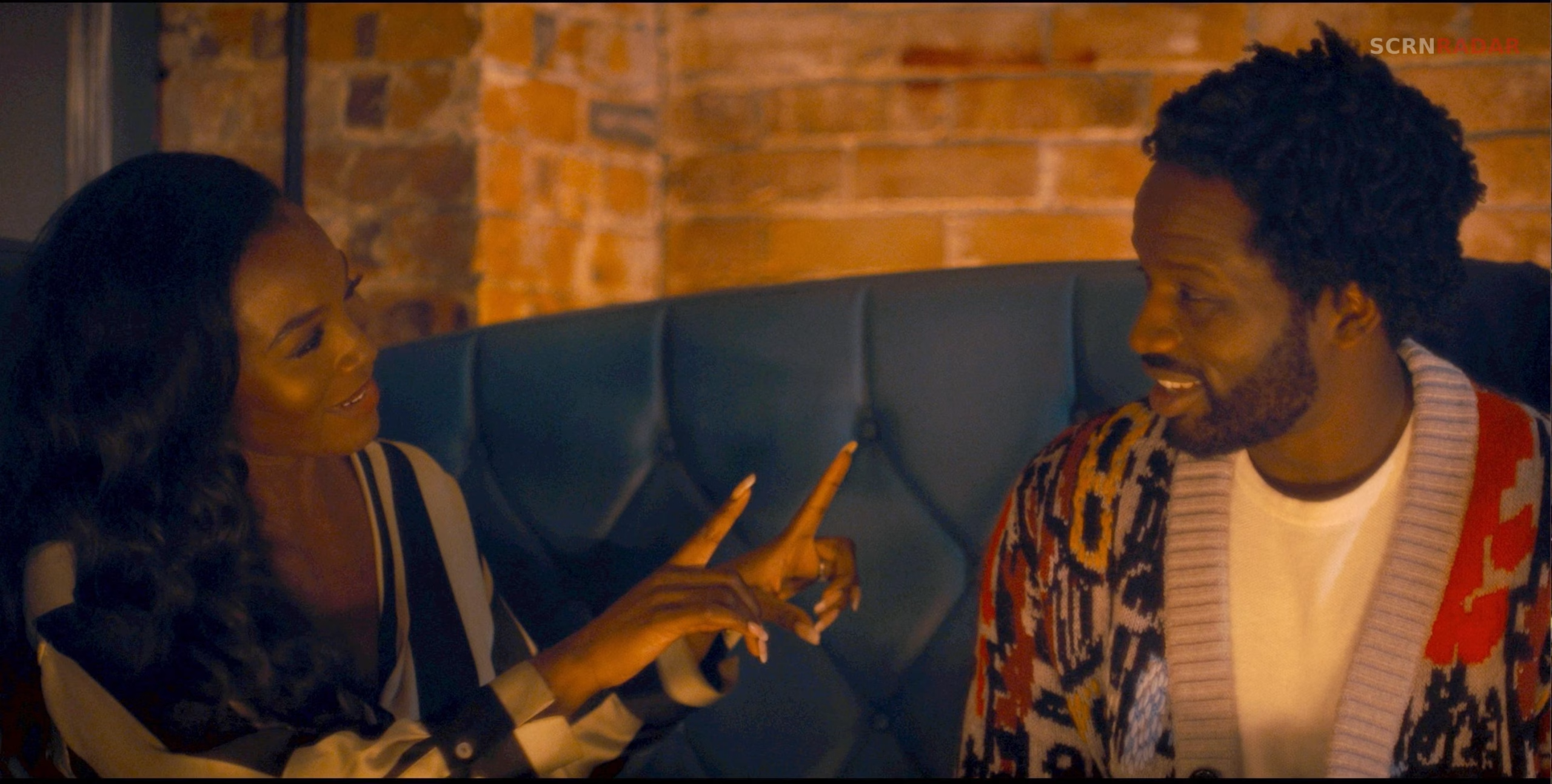
The show’s exploration of generational trauma adds another layer to the story. The experiences of the past continue to shape the present, creating a cycle that is difficult to break.
Controversy and Viewer Reactions
Them has sparked significant debate since its release. While many viewers appreciate its bold storytelling, others have criticized it for being excessively graphic. The show’s depiction of violence, particularly racial violence, has been described as difficult to watch.
Some critics argue that the series crosses the line into exploitation, using trauma as a tool for shock value. Others believe that its unfiltered portrayal is necessary to convey the reality of the experiences it represents.
This divide in opinion reflects the complexity of the show. It is not designed to be universally appealing but to provoke thought and discussion. Whether viewers see it as powerful or problematic often depends on their expectations and tolerance for intense content.
Strengths and Weaknesses
One of the biggest strengths of Them is its ability to create a lasting emotional impact. The combination of strong performances, effective direction, and a compelling premise makes it a memorable series. The show’s willingness to tackle difficult themes sets it apart from more conventional horror offerings.
However, the same elements that make it unique can also be seen as weaknesses. The graphic content and slow pacing may alienate some viewers. At times, the narrative can feel overwhelming, with multiple storylines competing for attention.
Despite these issues, the series remains engaging. Its ambition and originality make it worth discussing, even if it is not universally loved.
Them Season 1 is a bold and unsettling series that pushes the boundaries of what horror television can achieve. By blending supernatural elements with real-world issues, it creates a unique viewing experience that is both thought-provoking and deeply disturbing.
The show succeeds in delivering strong performances and a compelling narrative, even if its intensity may not be suitable for all audiences. Its exploration of trauma, identity, and systemic racism gives it a depth that goes beyond traditional horror storytelling.
For viewers willing to engage with its challenging themes, Them offers a powerful and unforgettable experience. It is not just a horror series but a commentary on history and human behavior, making it one of the most talked-about shows in its genre.
The Good
- Strong and emotionally powerful performances
- Unique blend of psychological and supernatural horror
- Thought-provoking themes about racism and trauma
- Atmospheric direction and visual storytelling
- Memorable and impactful narrative
The Bad
- Extremely graphic and difficult to watch at times
- Slow pacing in certain episodes
- Controversial handling of sensitive themes
- Not suitable for all audiences
- Can feel emotionally overwhelming