
Now You See Me: Now You Don’t takes the franchise in a bold new direction by flipping its core formula. Instead of the Four Horsemen being the masterminds behind the grand illusion, the third film reveals that they were part of someone else’s plan all along. Directed by Ruben Fleischer, the movie leans heavily into misdirection, identity twists, and long-term revenge storytelling.
The film delivers everything fans expect, including elaborate heists, sleight-of-hand tricks, and big reveals. However, the ending introduces a layered twist that leaves many viewers confused about who was really in control. The final act reframes the entire story, showing that the biggest illusion was not the trick itself but who was performing it.
Let’s break down the full plot, the ending twist, and the deeper meaning behind Now You See Me 3.
What Happens in Now You See Me 3?
The story begins with the introduction of three new magicians, Charlie, Bosco, and June. They are young, talented, and operate outside the spotlight, often working behind the scenes rather than performing publicly. Their early schemes already show a level of intelligence and coordination that hints at something bigger.
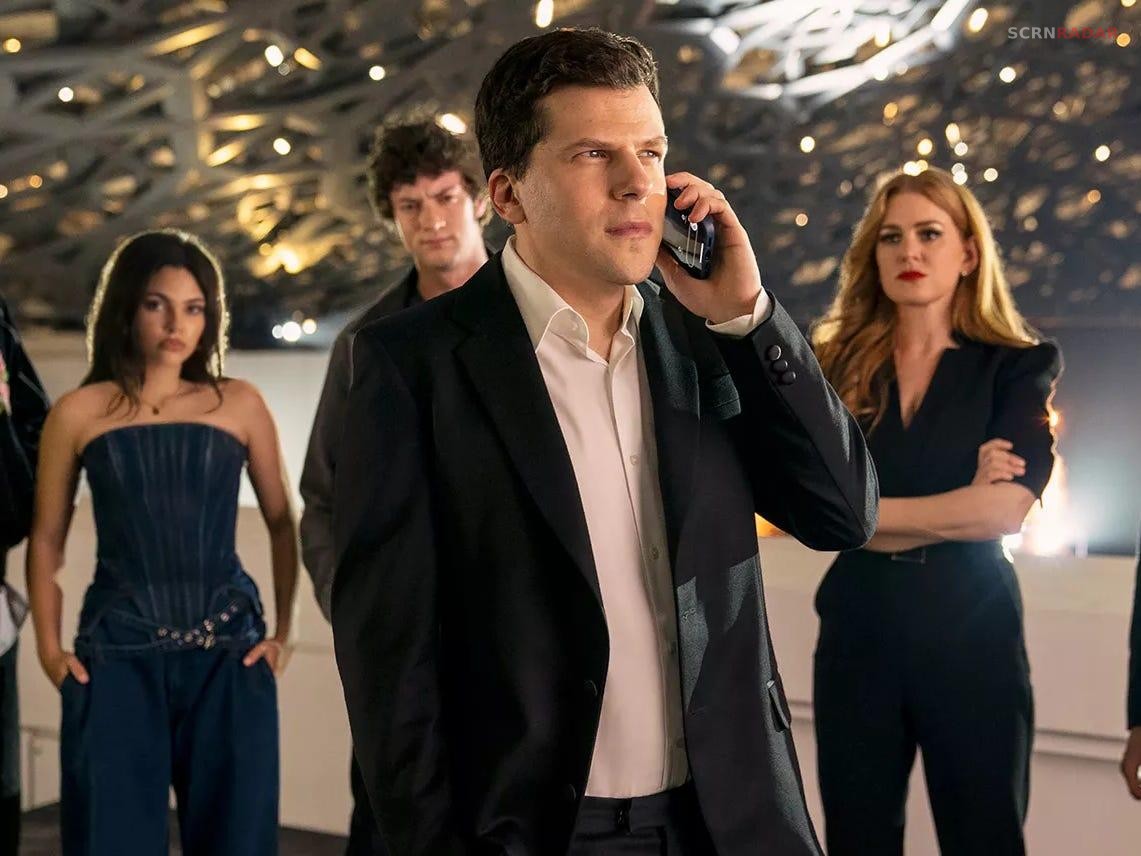
Meanwhile, J. Daniel Atlas reunites the original Four Horsemen, including Merritt, Jack, and Henley, after receiving mysterious tarot cards from the secret organization known as The Eye. These cards signal a new mission, one that involves taking down a powerful and dangerous figure.
The target is Veronika Vanderberg, a billionaire with deep ties to global crime networks. Her diamond empire is used to launder money for criminals, warlords, and traffickers. The Horsemen believe that The Eye has chosen them to expose her operations.

As the team expands to include the new trio, the group orchestrates a complex heist to steal a rare heart-shaped diamond. This operation involves multiple layers of illusion, distractions, and carefully timed escapes. At first, everything appears to follow the familiar structure of previous films.
However, subtle hints throughout the story suggest that something is off. The coordination feels too perfect, and certain events seem to benefit someone outside the Horsemen. These clues build toward the film’s major twist.
The Big Twist: Charlie Was the Mastermind All Along
The biggest reveal in Now You See Me 3 is that Charlie is not just another magician. He is the true architect behind the entire plan. While the Horsemen believed they were following The Eye’s instructions, Charlie was the one who sent the tarot cards and brought everyone together.
This twist completely recontextualizes the story. Every heist, every distraction, and every risk taken by the Horsemen was part of Charlie’s larger scheme. He used their reputation and visibility as a smokescreen, ensuring that all attention remained on them.
Charlie’s strategy is rooted in classic misdirection. By placing the spotlight on the Horsemen, he ensured that no one would suspect him or his friends. This mirrors the core principle of magic, which is to make the audience focus on one thing while something else happens unnoticed.
The reveal also explains why the plan required such a large team. Each member had a role to play, but none of them had the full picture. Charlie was the only one who understood how all the pieces fit together.
This twist is what makes the ending so impactful. It transforms the Horsemen from masterminds into participants in someone else’s illusion.
Who Is Charlie Really?
Charlie is revealed to have a deeply personal connection to the story’s central conflict. He is the half-brother of Veronika Vanderberg, making the entire heist a revenge mission rather than a random assignment.
Charlie’s backstory is tragic. His mother worked for Veronika’s family, and an affair with Veronika’s father led to his birth. This caused a chain of events that resulted in his mother’s death, an incident indirectly caused by Veronika herself.
As a child, Charlie survived the crash that killed his mother, but he was presumed dead. He grew up in foster care, carrying the trauma and anger from his past. Over time, he developed his skills in magic, using them not just for entertainment but as tools for his long-term plan.
His entire life became focused on bringing Veronika down. The heist in the film is not spontaneous. It is the result of years of planning, learning, and waiting for the right moment.
What makes Charlie compelling is that he operates in a moral gray area. While his goal is to expose a criminal empire, his methods involve manipulation and deception. This complexity adds depth to his character and differentiates him from traditional heroes.
How the Final Trick Was Pulled Off
The final act of Now You See Me 3 is a masterclass in misdirection. Veronika believes she is heading to a secure vault to retrieve the stolen diamond. Instead, she walks into a carefully staged illusion created by Charlie and the magicians.
At first, everything appears real. The environment, the guards, and even the interactions feel authentic. However, it is eventually revealed that the entire scene is part of a staged performance in front of a live audience.
Charlie uses this setup to force Veronika into confessing her crimes. Believing she is in a private setting, she admits to murder, money laundering, and other illegal activities. This confession is then exposed publicly, ensuring her downfall.
One of the most impressive elements of the trick is the use of layered illusions. Even the moment where Veronika attempts to shoot Charlie is revealed to be part of the act. The bullets are fake, and the danger is controlled.
The Horsemen, along with Bosco and June, play supporting roles in executing the illusion. However, they are not the ones controlling it. Their involvement is essential, but they are ultimately part of Charlie’s design.
This final trick encapsulates the film’s core theme. The greatest illusion is not what you see, but what you believe is real.
Why Veronika Didn’t Recognize Charlie Earlier
One of the biggest questions raised by the film is why Veronika fails to recognize Charlie despite interacting with him multiple times. The answer lies in psychological misdirection.
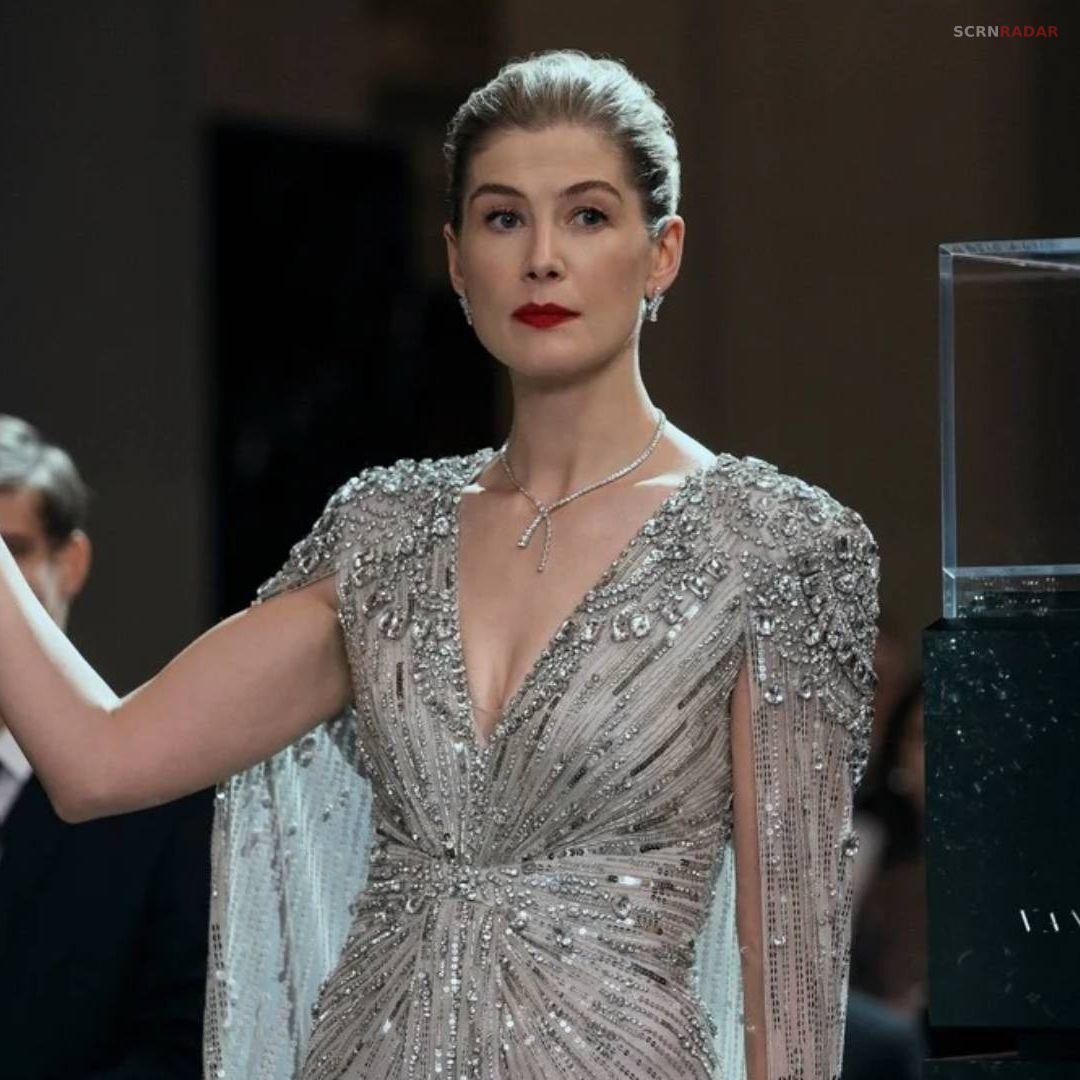
Throughout the story, Veronika is focused on multiple threats. She is dealing with blackmail, watching the Horsemen closely, and protecting her diamond. This constant pressure keeps her attention divided.
Charlie exploits this by positioning himself as someone insignificant. He blends into the background, allowing Veronika to overlook him entirely. This is a classic magician’s technique, where the audience is distracted by something more obvious.
Additionally, the passage of time plays a role. Veronika believed Charlie died years ago, making it unlikely for her to consider him as a possibility. This assumption becomes her biggest weakness.
The film uses this oversight to reinforce its theme of perception versus reality. What seems obvious in hindsight is invisible in the moment.
What Happened to Dylan Rhodes?
Dylan Rhodes is notably absent for most of the film, which raises questions about his fate. Early dialogue suggests that a failed mission led to his capture, leaving the Horsemen without their leader.
This absence creates a sense of instability within the group. Without Dylan’s guidance, the Horsemen are more vulnerable to manipulation, which makes it easier for Charlie to execute his plan.
However, the post-credits scene reveals that Dylan is still active. He appears through a recorded message from The Eye, confirming that he is not truly gone. This moment reframes his absence as another layer of mystery.
Dylan’s message also introduces a new direction for the story. He acknowledges the new trio and indicates that they are now part of The Eye’s larger plan.
This reveal suggests that the events of the film may have been part of something even bigger. It opens the door for future installments to explore The Eye’s true purpose.
What the Ending Means for the Horsemen
The ending of Now You See Me 3 fundamentally changes the dynamic of the group. The Horsemen are no longer the sole focus, as the new trio becomes equally important.
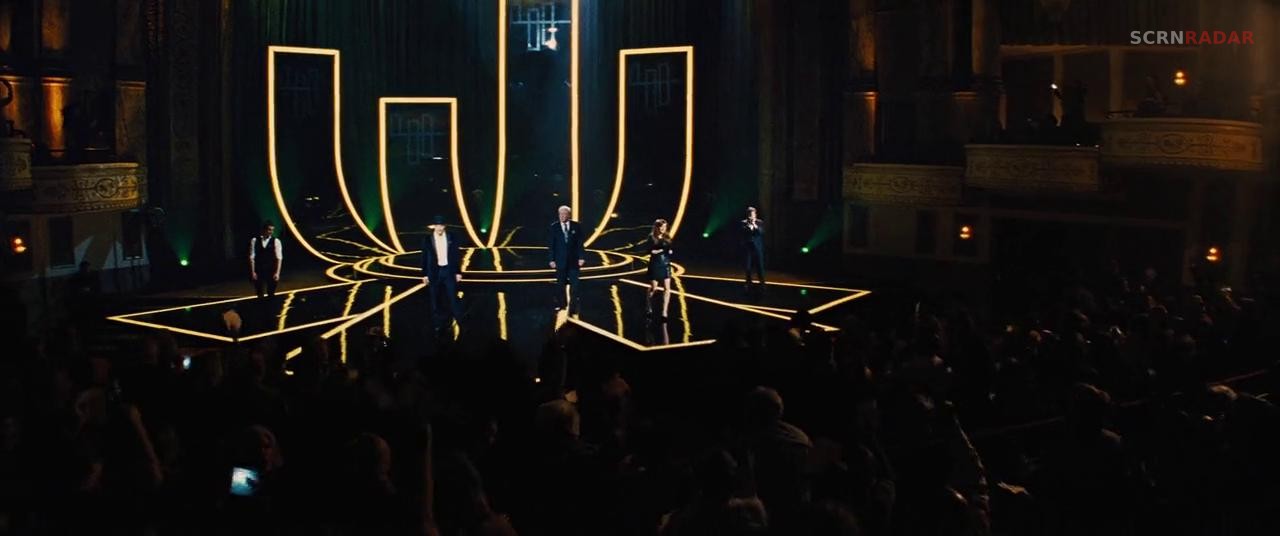
Charlie, Bosco, and June are officially integrated into the team, expanding it beyond its original structure. This creates a larger, more complex group capable of executing even bigger illusions.
The shift also represents a passing of the torch. While the original members still play key roles, the newer characters bring fresh perspectives and skills. This ensures that the franchise can continue evolving.
At the same time, the ending leaves unresolved questions. Thaddeus Bradley’s apparent death is not fully addressed, and given the franchise’s history, it could be another illusion. This ambiguity keeps fans speculating about what is real.
The Horsemen’s future now depends on how they adapt to this new structure. Their role may shift from leaders to collaborators within a larger team.
Themes and Deeper Meaning
Now You See Me 3 continues the franchise’s exploration of illusion and perception. The film emphasizes that truth is often hidden beneath layers of deception. This idea is reflected not just in the tricks but in the characters themselves.
Revenge is another central theme. Charlie’s entire plan is driven by a desire for justice, but it raises questions about morality. Is his approach justified, or does it make him similar to those he seeks to expose?
The concept of legacy also plays a role. The introduction of new characters suggests a transition, where the next generation takes on greater responsibility. This ensures the continuation of The Eye’s mission.
Finally, the film highlights the importance of perspective. What the audience sees is only part of the story. The real narrative exists beneath the surface, waiting to be revealed.
Understanding the Ending
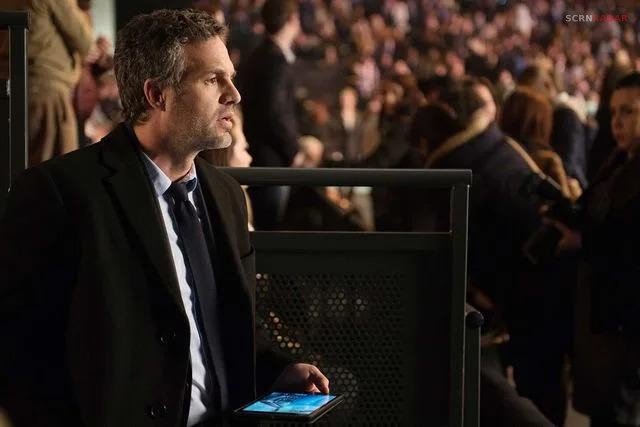
From a factual standpoint, the ending confirms that Charlie orchestrated the entire plan and successfully exposed Veronika. His revenge is complete, and her criminal empire is dismantled.
The integration of the new trio into The Eye is also clearly established. This sets up a continuation of the story with a larger team.
However, several elements remain open to interpretation. Dylan’s true situation is not fully explained, leaving room for future reveals. Similarly, Thaddeus’ fate is ambiguous, suggesting the possibility of another twist.
The film intentionally leaves these questions unanswered. This aligns with the franchise’s style, where certainty is often replaced with ambiguity.
Now You See Me 3 delivers one of the franchise’s most complex narratives by shifting the focus from the Horsemen to a new mastermind. The twist involving Charlie adds depth and redefines the story’s structure.
The ending reinforces the idea that the greatest tricks are built on misdirection and perception. By making the Horsemen the distraction, the film creates a layered illusion that keeps audiences engaged.
At its core, the film is about control. Who controls the narrative, who controls the illusion, and who controls the truth. Charlie’s victory shows that the person behind the curtain is often the most powerful.
For viewers looking for a clear explanation, the answer is simple. The Horsemen were part of the trick, not the ones performing it. And that realization is what makes the ending so effective.