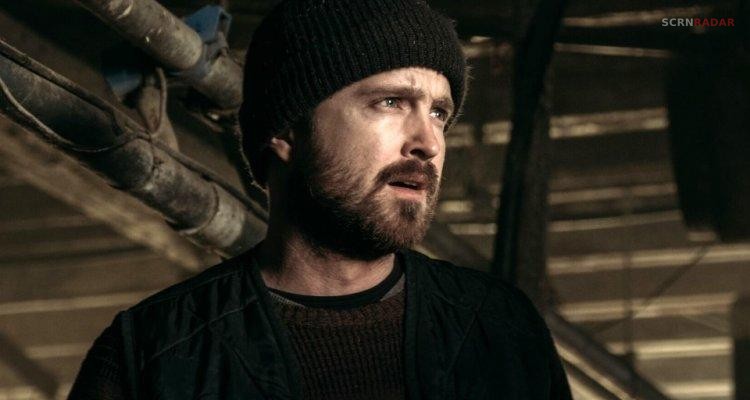
The Parts You Lose is a quiet character-driven drama that blends crime, suspense, and coming-of-age storytelling. Directed by Christopher Cantwell, the film stars Aaron Paul as an injured fugitive who forms an unlikely friendship with Wesley, a young deaf boy played by Danny Murphy. Set in a remote farming community, the story focuses less on the crime itself and more on the emotional bond that develops between two lonely people searching for acceptance.
Unlike a traditional thriller, The Parts You Lose builds toward an ending that emphasizes personal growth rather than explosive action. The final scenes leave viewers reflecting on the difficult choices both characters make and how their brief friendship changes them forever. Here’s what the ending means and why it serves as a fitting conclusion to the story.
The Fugitive’s Final Choice
Throughout the film, Wesley secretly hides the wounded fugitive inside an abandoned barn, bringing him food and helping him recover while keeping the secret from his family. As their friendship grows, the fugitive gradually becomes a mentor figure, encouraging Wesley to believe in himself despite being treated differently because of his hearing impairment. At the same time, law enforcement closes in as the search for the escaped criminal intensifies.
The emotional climax arrives when the fugitive realizes staying with Wesley will only place the boy and his family in greater danger. Although Wesley hopes they can escape together, the fugitive understands there is no future for him as a wanted man. Before leaving, he gives Wesley the money and valuables he has left behind, ensuring the boy is no longer connected to the crimes that brought him to the farm.
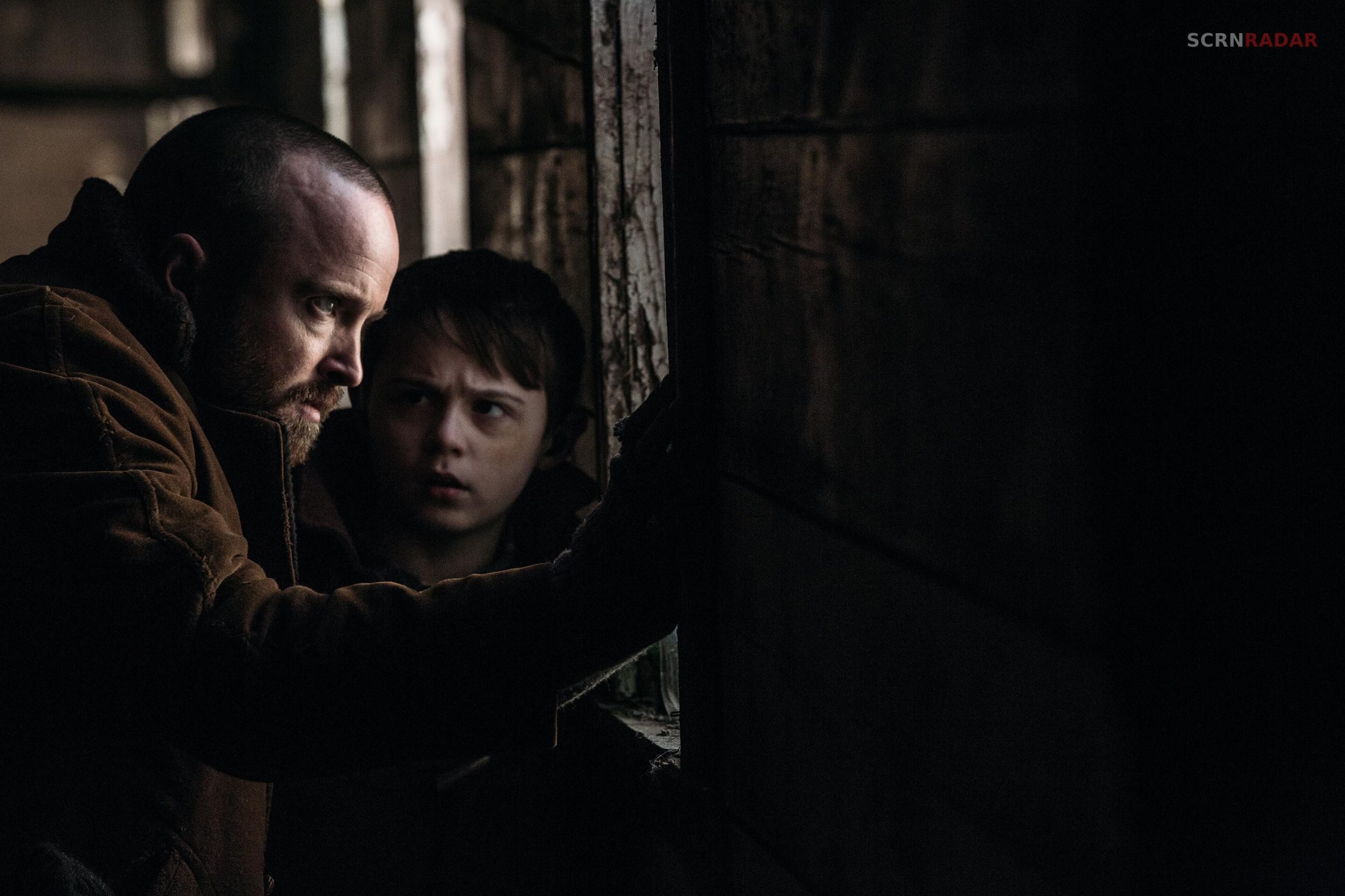
The fugitive then walks away from the barn and intentionally draws attention to himself, allowing the authorities to pursue him instead of Wesley. Moments later, a gunshot is heard off-screen. The film never explicitly shows what happens, leaving the fugitive’s exact fate ambiguous. However, the ending makes it clear that he knowingly sacrifices his own freedom—and possibly his life—to protect the only genuine friendship he has found.
The final scenes return to Wesley and his family, showing that life continues despite the painful experience. More importantly, Wesley emerges with greater confidence and maturity after learning that courage sometimes means letting go of the people who have helped shape you. Rather than ending with a dramatic resolution, The Parts You Lose focuses on hope, sacrifice, and the lasting impact one unexpected friendship can have on a young life.