
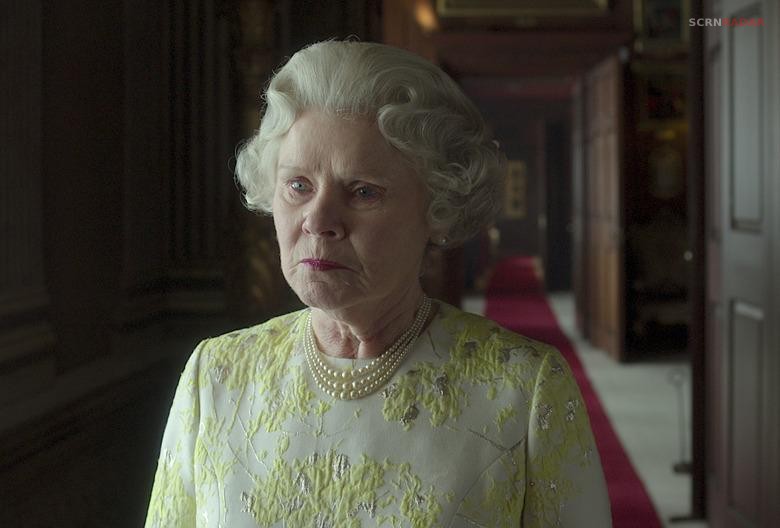
The Crown Season 5 marks one of the most debated and emotionally complex chapters in the series. Covering the early to mid-1990s, this season dives deep into the breakdown of royal marriages, the growing public scrutiny of the monarchy, and the personal struggles of figures like Princess Diana and Prince Charles. Unlike earlier seasons that focused on political transitions and royal duty, Season 5 shifts heavily toward public perception, media influence, and institutional fragility.
With a new cast and a darker tone, the show portrays a monarchy facing internal and external crises. Viewers often question how much of what they see is historically accurate and what has been dramatized for storytelling. From the infamous “War of the Waleses” to Queen Elizabeth II’s annus horribilis, the season blends real events with fictionalized moments.
Let’s break down The Crown Season 5 in detail, exploring its key storylines, historical context, and what the ending ultimately means.
What Time Period Does Season 5 Cover?
Season 5 of The Crown primarily focuses on the early 1990s, a turbulent period for the British royal family. This era is often described as one of the monarchy’s most challenging decades, marked by scandals, divorces, and growing criticism from the public and media.
The season opens in the early 1990s with Queen Elizabeth II reflecting on her reign as she approaches her fortieth year on the throne. Britain itself is undergoing change, with shifting political landscapes and increasing public scrutiny of institutions. The royal family, once seen as untouchable, begins to face a more skeptical and intrusive media environment.
This period is historically significant because it includes events such as the separation of Prince Charles and Princess Diana, the fire at Windsor Castle, and multiple royal divorces. These events contribute to what the Queen famously referred to as her “annus horribilis,” or horrible year.
Queen Elizabeth II and the “Annus Horribilis”
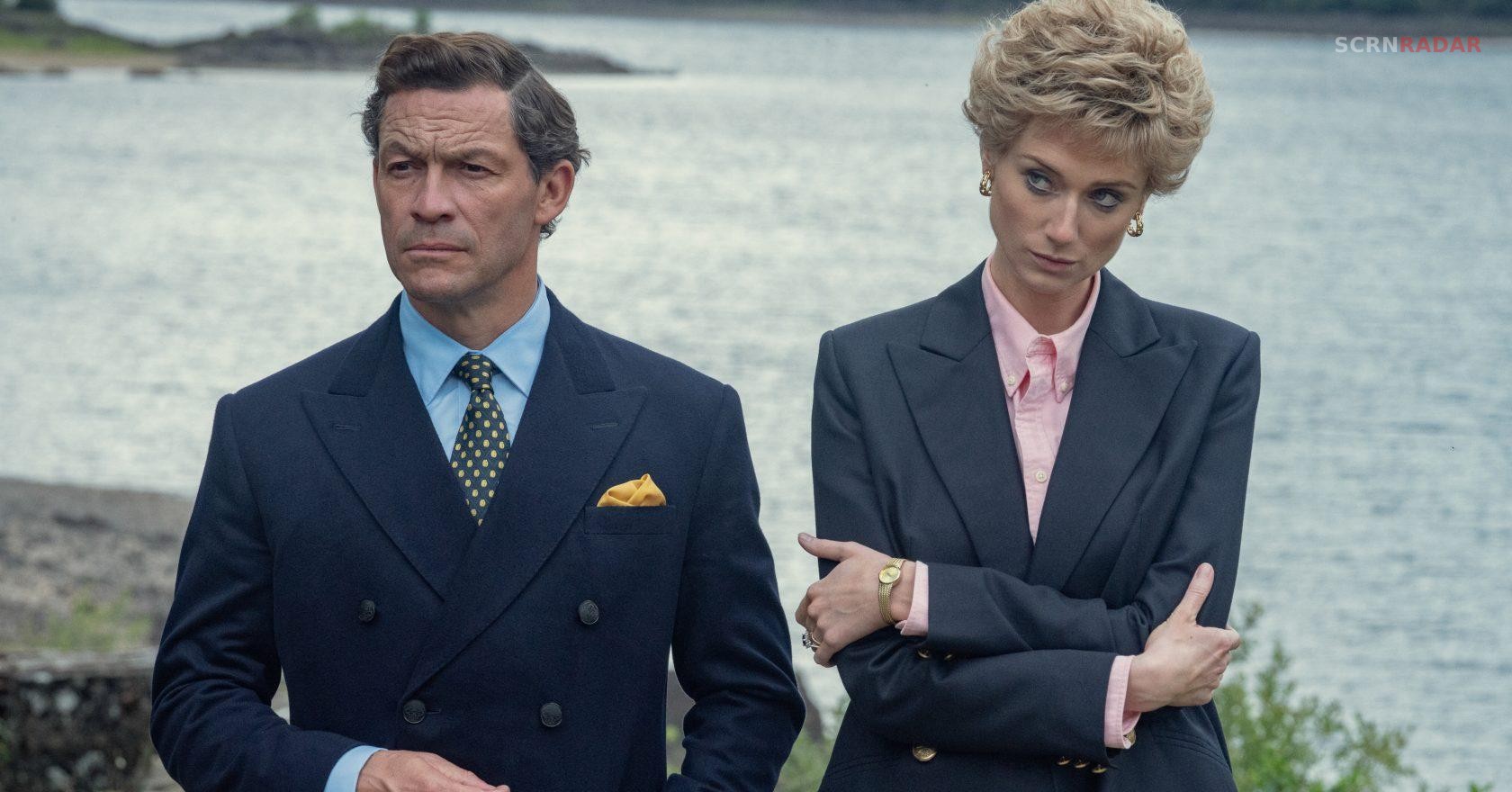
One of the central themes of Season 5 is Queen Elizabeth II’s struggle to maintain stability during a time of crisis. The show portrays her as increasingly aware that the monarchy must adapt or risk losing relevance in a rapidly changing world.
The term “annus horribilis” refers to 1992, a year filled with personal and institutional setbacks for the royal family. During this time, three of the Queen’s children faced marital breakdowns, and a devastating fire caused significant damage to Windsor Castle. These events placed the monarchy under intense public scrutiny.
The series emphasizes the Queen’s sense of duty and her reluctance to embrace change too quickly. At the same time, it highlights the growing gap between the monarchy and the public. This tension becomes a recurring theme throughout the season, as the institution struggles to modernize while preserving tradition.
The Breakdown of Charles and Diana’s Marriage
The most prominent storyline in Season 5 is the collapse of the marriage between Prince Charles and Princess Diana. Their relationship, once seen as a fairytale, deteriorates into a highly publicized and emotionally charged conflict.
The series portrays both individuals as deeply flawed and trapped in a marriage that no longer works. Charles is shown as feeling misunderstood and constrained by royal expectations, while Diana struggles with isolation, media pressure, and her own mental health.
One of the most significant moments depicted is Diana’s 1995 BBC interview, where she famously said, “There were three of us in this marriage.” This line encapsulates the breakdown of trust and highlights the role of Camilla Parker Bowles in their relationship.
The show explores how media coverage intensified their conflict, turning private struggles into public spectacle. This storyline is central to understanding the emotional core of Season 5 and its focus on personal vulnerability within the royal family.
The Role of the Media and Public Perception
Season 5 places a strong emphasis on the media’s influence on the monarchy. During the 1990s, tabloid journalism became more aggressive, and public appetite for royal stories grew significantly.
The series illustrates how the media shaped narratives around the royal family, often blurring the line between truth and sensationalism. Diana, in particular, becomes a focal point for media attention, with her image carefully constructed and consumed by the public.
The show also examines how the monarchy struggled to control its own narrative. Unlike earlier decades, when royal affairs were largely kept private, the 1990s saw a shift toward transparency and exposure. This change forced the royal family to confront a new reality where public opinion could directly impact their reputation.
Through this lens, Season 5 highlights the growing tension between tradition and modernity. The monarchy’s inability to fully adapt to the media terrain becomes a key factor in its challenges during this period.
The Romanov Episode and Its Symbolism
One of the more unexpected storylines in Season 5 involves the Romanov family. The episode explores the identification and burial of the remains of the Russian royal family, who were executed during the Russian Revolution.
This subplot serves as a symbolic reflection on the fragility of monarchies. By drawing parallels between the Romanovs and the British royal family, the series raises questions about the future of the monarchy in a changing world.
The Queen’s connection to the Romanovs adds a personal dimension to this storyline. It forces her to confront the historical realities of royal power and the consequences of failing to adapt to societal changes.
This episode stands out because it shifts the focus from immediate drama to broader historical context. It reinforces the idea that the monarchy’s survival depends on its ability to evolve.
The Fire at Windsor Castle and Its Impact
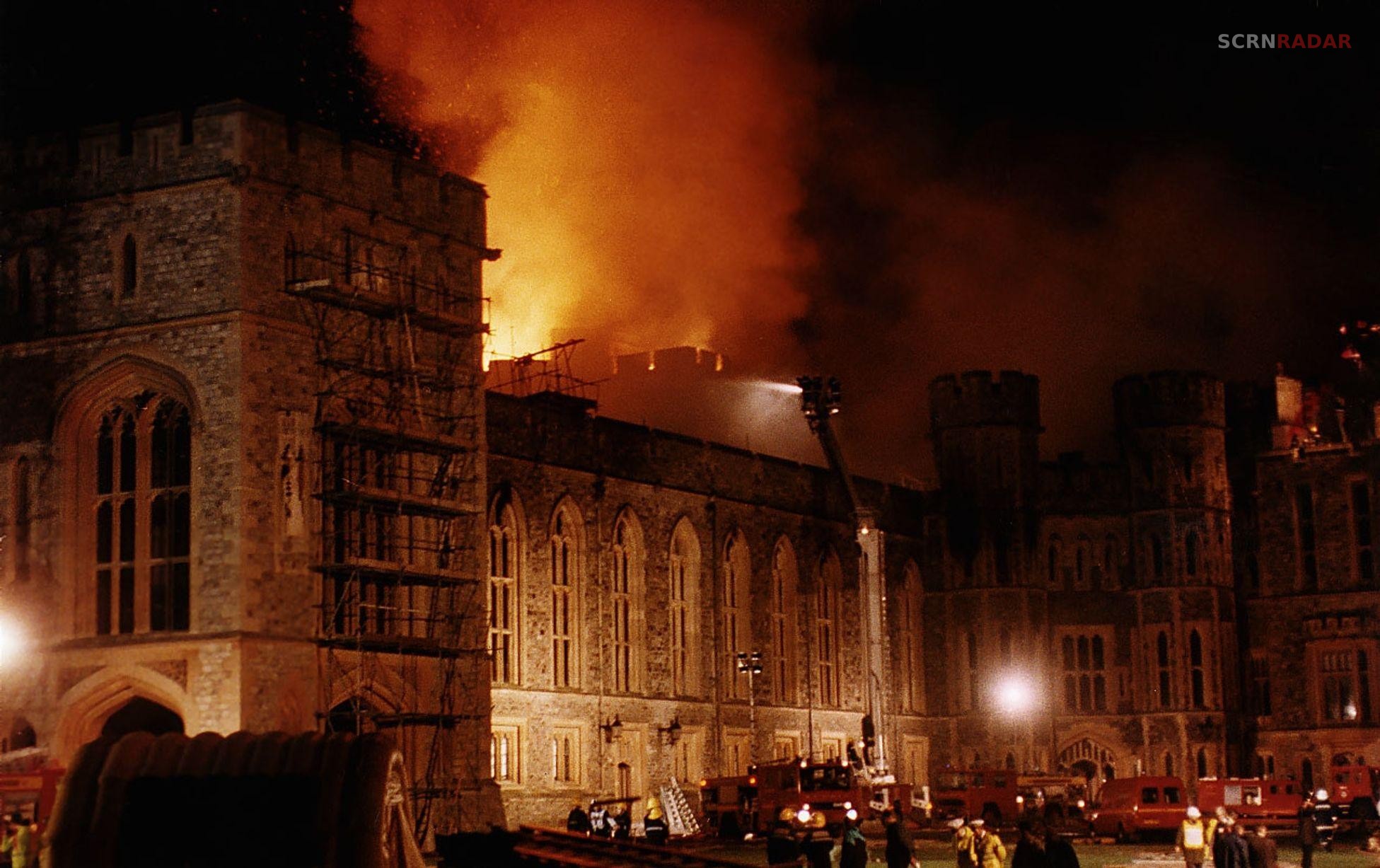
The fire at Windsor Castle is another major event depicted in Season 5. This real-life incident caused significant damage to one of the monarchy’s most important residences and became a symbol of the challenges facing the royal family.
The show uses this event to highlight both the physical and metaphorical fragility of the monarchy. Just as the castle is damaged, the institution itself appears to be under strain.

Public reaction to the fire also plays a key role in the narrative. Questions arise about funding for repairs and the relevance of the monarchy in modern society. This adds another layer of tension, as the royal family must navigate both practical and reputational challenges.
The Windsor Castle fire serves as a turning point in the season, emphasizing the need for change and adaptation.
How Accurate Is The Crown Season 5?
One of the most common questions surrounding Season 5 is its historical accuracy. While The Crown is based on real events, it is ultimately a dramatized series that takes creative liberties for storytelling purposes.
Many of the major events depicted, such as the Charles and Diana separation, the Windsor Castle fire, and the BBC interview, are historically accurate. However, the show often fills in gaps with imagined conversations and personal interactions.
This approach has led to criticism, particularly regarding its portrayal of living individuals. Some viewers and commentators argue that the series blurs the line between fact and fiction, potentially shaping public perception in misleading ways.
It is important to view Season 5 as a dramatization rather than a documentary. While it provides insight into historical events, it should not be taken as a definitive account of what actually happened.
What the Ending of Season 5 Means
The ending of Season 5 does not offer a traditional resolution. Instead, it reflects the ongoing uncertainty and instability within the royal family during the 1990s.
By the final episodes, the separation between Charles and Diana has become irreversible, and the monarchy’s public image remains under strain. The Queen is shown grappling with the need for change while trying to preserve the institution she represents.
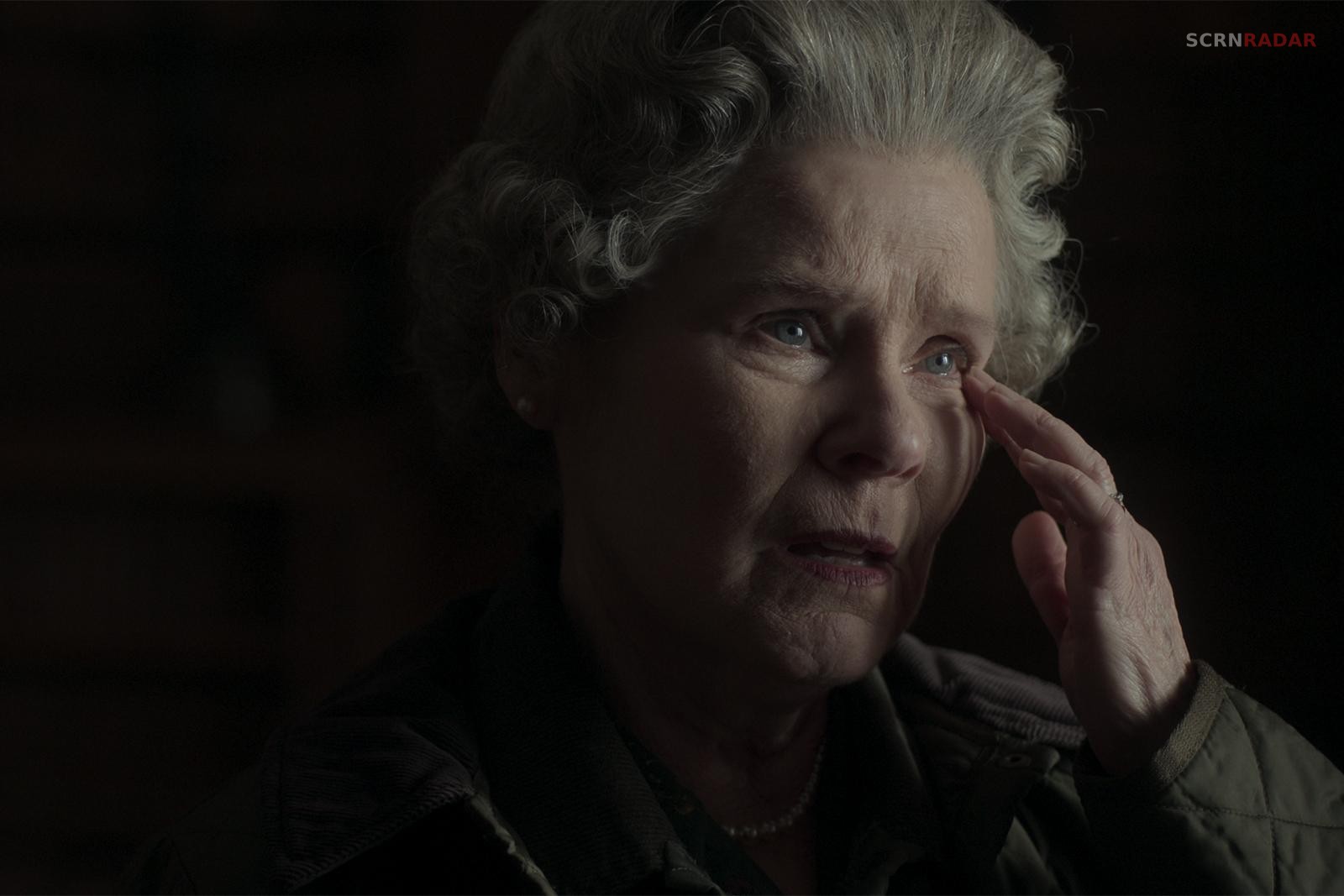
The lack of a clear resolution is intentional. It mirrors the real-life situation, where many of the issues introduced in Season 5 continued to unfold in the years that followed. This sets the stage for Season 6, which will cover even more significant events, including Diana’s tragic death.
The ending emphasizes that the monarchy is at a crossroads. Its future depends on its ability to adapt to a rapidly changing world.
The Real Meaning Behind The Crown Season 5
At its core, Season 5 of The Crown is about transition and vulnerability. It shows a monarchy struggling to maintain its identity in the face of modern challenges.
The series shifts focus from grand political events to personal and emotional struggles. This change reflects the growing importance of public perception and media influence in shaping the monarchy’s role.
Through its portrayal of characters like Queen Elizabeth II, Prince Charles, and Princess Diana, the season explores the human side of royal life. It highlights the tension between duty and personal happiness, a theme that has been central to the series from the beginning.
Ultimately, Season 5 presents a more critical and introspective view of the monarchy. It does not provide easy answers but instead invites viewers to reflect on the complexities of tradition, change, and public responsibility.
The Crown Season 5 stands out as one of the most emotionally intense and controversial chapters in the series. By focusing on the 1990s, it captures a period of significant upheaval for the British royal family.
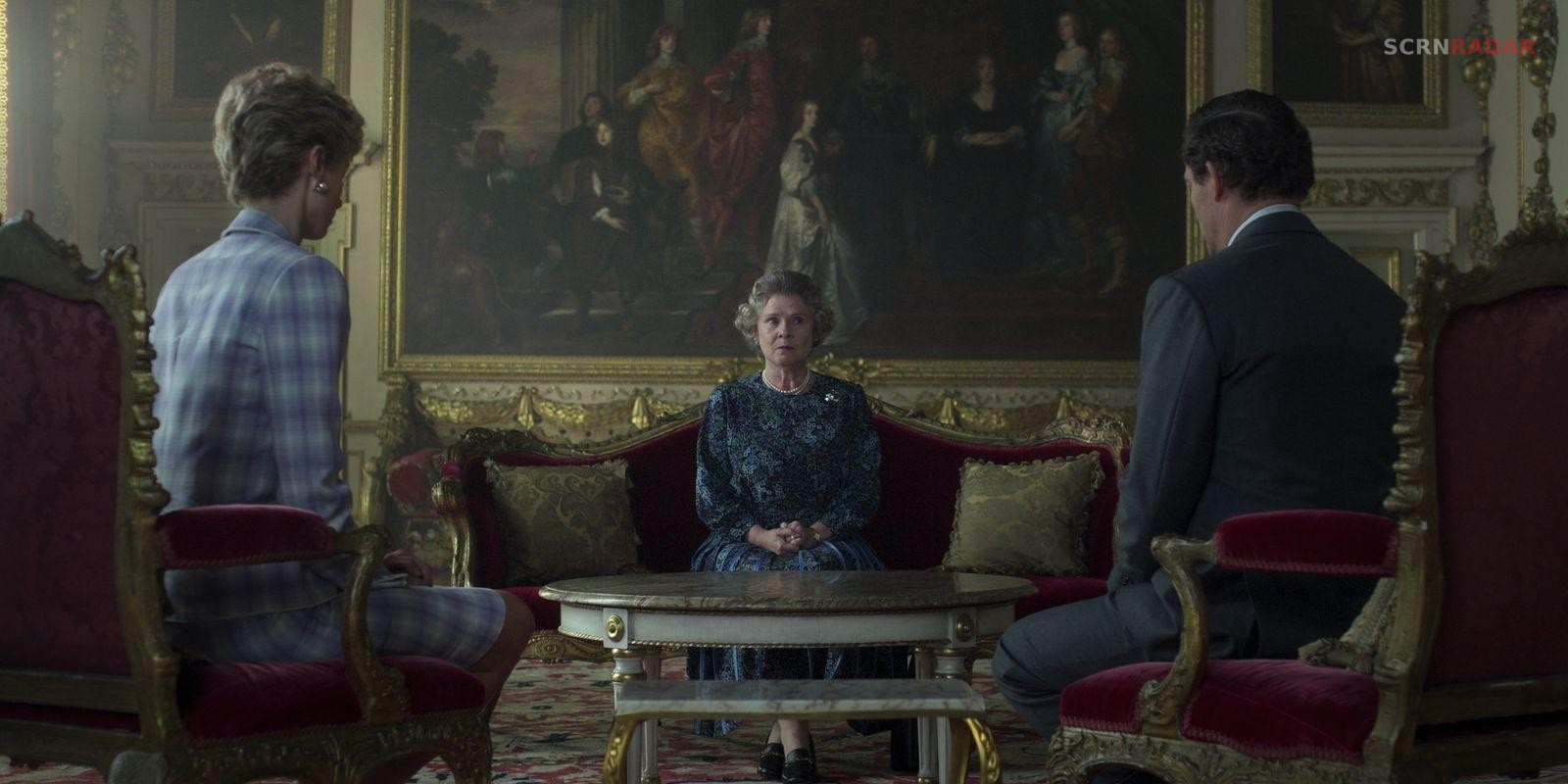
The season’s exploration of marriage breakdowns, media scrutiny, and institutional challenges offers a deeper understanding of the monarchy’s struggles. At the same time, its dramatized approach reminds viewers to distinguish between fact and fiction.
While the ending may feel unresolved, it effectively sets up the final chapter of the story. It leaves viewers with a sense of anticipation and a deeper appreciation for the complexities of royal life.
For those looking to understand the events and themes of this pivotal season, The Crown Season 5 provides a compelling and thought-provoking narrative that continues to spark discussion long after the credits roll.