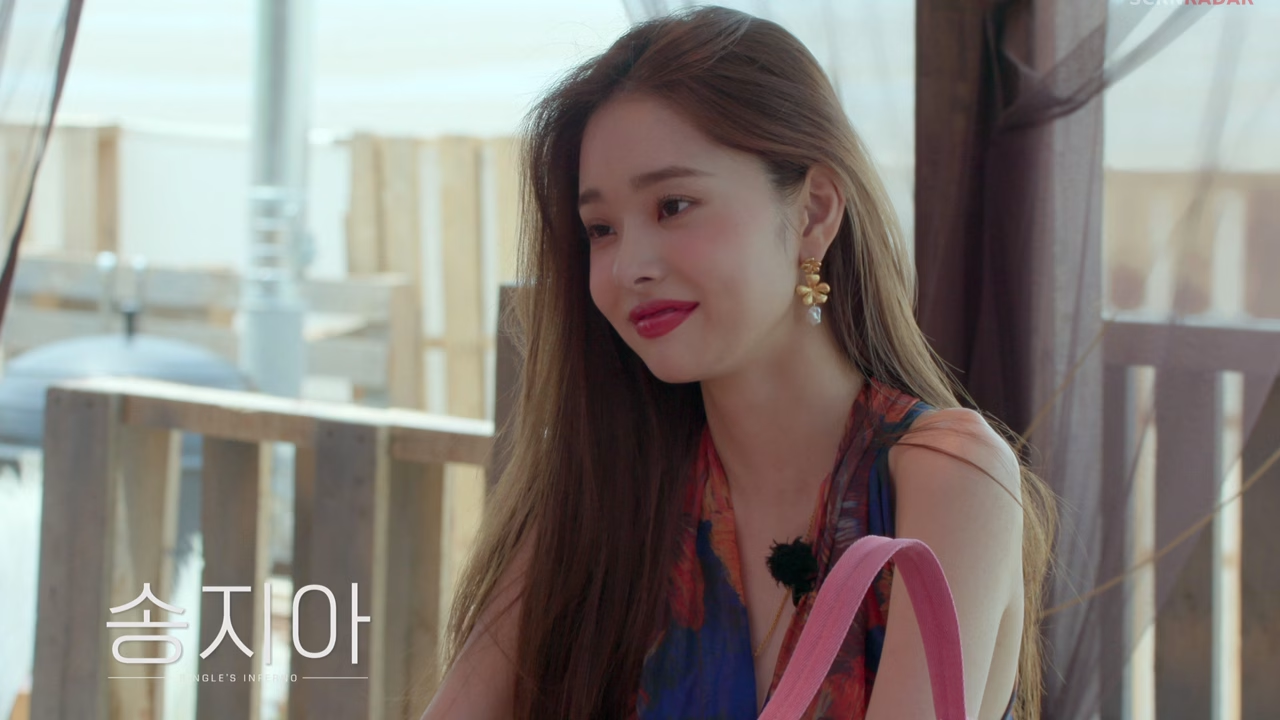
Song Ji-ah rose to global fame after appearing on Singles Inferno, where her confident personality and luxurious image quickly made her one of the standout contestants. Known for her glamorous style and high-end fashion choices, she built a strong personal brand centered around sophistication and exclusivity. However, this carefully curated image came under intense scrutiny shortly after the show’s success.
The controversy began when online users noticed that several designer items she wore appeared to be counterfeit rather than authentic luxury products. What followed was a rapidly escalating scandal that dominated social media discussions and raised questions about influencer authenticity and brand ethics. The situation quickly turned into one of the most talked-about controversies in the Korean entertainment and influencer space.
Let’s break down what the Song Ji-Ah controversy was, how it unfolded, and what it ultimately meant for her career.
Who is Song Ji-Ah, and why has she become popular
Before the controversy, Song Ji-Ah had already established herself as a rising influencer and content creator. Known for her YouTube channel and social media presence, she gained attention for her beauty content, fashion sense, and confident persona. Her brand revolved around luxury, often featuring high-end outfits and accessories that gave her a distinctive image.
Her popularity skyrocketed after her appearance on Singles Inferno, where she stood out among contestants for her poise and charisma. Viewers were drawn to her strong personality and the way she carried herself, which made her one of the most talked-about participants on the show. This exposure significantly boosted her follower count and expanded her reach beyond South Korea.
At the time, she was widely seen as a symbol of modern influencer success. Her ability to blend relatability with aspirational luxury made her highly appealing to audiences. This is precisely why the controversy that followed had such a strong impact.
How the Fake Designer Scandal Started
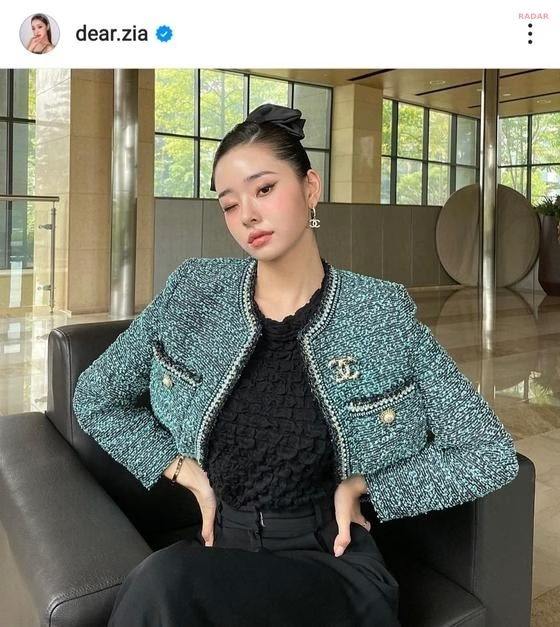
The controversy began when online communities and fashion enthusiasts started analyzing Song Ji-Ah’s outfits from both Singles Inferno and her social media posts. Some users pointed out inconsistencies in certain luxury items, suggesting that they did not match authentic versions from well-known designer brands. These observations quickly gained traction and sparked widespread debate.
As more comparisons surfaced, it became evident that multiple items she had worn were allegedly counterfeit. This included clothing and accessories from high-end brands, which directly contradicted the image she had built as a luxury-focused influencer. The issue escalated rapidly as fans and critics alike began to question her credibility.
Social media played a significant role in amplifying the controversy. Discussions spread across platforms, turning what started as niche speculation into a viral topic. The speed at which the scandal grew highlighted how quickly public perception can shift in the digital age.
Public Reaction and Backlash
The backlash against Song Ji-Ah was immediate and intense. Many fans felt disappointed and misled, as her brand had heavily relied on the perception of authenticity and exclusivity. For an influencer whose identity was closely tied to luxury fashion, the use of counterfeit items was seen as a major breach of trust.
Criticism also came from a broader perspective, with discussions focusing on influencer culture and the pressure to maintain a certain image. Some observers argued that the controversy reflected larger issues within the industry, where appearance and status are often prioritized over transparency. This added another layer to the conversation, making it more than just an individual scandal.
At the same time, there were voices calling for a more nuanced understanding of the situation. Some supporters pointed out the intense scrutiny influencers face and the unrealistic expectations placed on them. Despite this, the sentiment remained largely critical during the peak of the controversy.
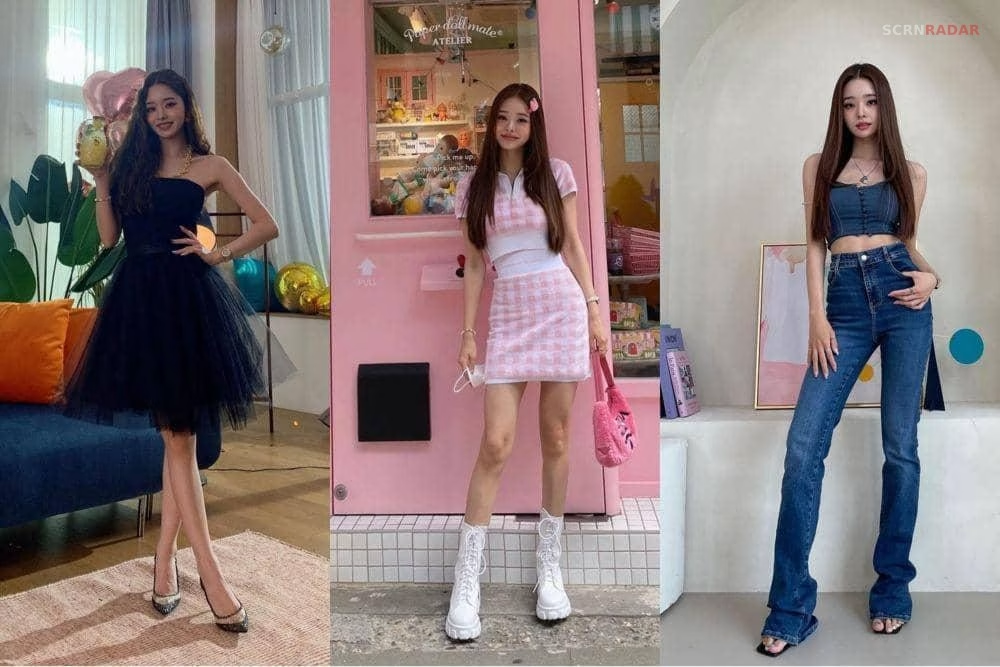
Song Ji-Ah’s Apology and Response
In response to the growing backlash, Song Ji-Ah released a public apology acknowledging the issue. She admitted that some of the items she had worn were indeed counterfeit and expressed regret for her actions. Her statement emphasized that there was no excuse for her choices and that she took full responsibility.
She also addressed the impact of her actions on fans and brands, recognizing that her behavior had damaged trust. Following the apology, she deleted several social media posts that featured the disputed items and temporarily stepped back from public activity. This move was seen as an attempt to take accountability and reflect on the situation.
Her apology played a crucial role in shaping the narrative moving forward. While some people appreciated her honesty, others remained skeptical about her intentions. The mixed reactions highlighted the difficulty of regaining public trust once it has been broken.
Impact on Her Career and Brand Deals
The controversy had immediate consequences for Song Ji-Ah’s career. Several brand partnerships and collaborations were reportedly affected, as companies distanced themselves from the situation. This is a common response in influencer scandals, where brand image and reputation are closely linked.
Her online presence also took a hit, with a noticeable shift in public perception. While she retained a portion of her fanbase, the controversy overshadowed her previous achievements and became a defining moment in her career. This demonstrates how quickly success in the influencer space can be disrupted.

Over time, she began to re-emerge, slowly rebuilding her presence. However, the scandal remains a significant part of her public narrative. It serves as a reminder of the long-term impact controversies can have, even after the initial backlash fades.
What the Controversy Reveals About Influencer Culture
The Song Ji-Ah controversy highlights broader issues within influencer culture, particularly the emphasis on curated lifestyles and perceived authenticity. Influencers often operate in a space where appearance is closely tied to credibility, making any inconsistency highly visible and impactful.
The use of luxury items, whether real or perceived, plays a key role in shaping audience perception. In this case, the discrepancy between image and reality created a disconnect that led to backlash. This raises important questions about transparency and the expectations placed on public figures.
It also underscores the role of audiences in holding influencers accountable. Social media has empowered users to analyze and critique content in ways that were not possible before. This dynamic creates a more interactive but also more demanding environment for influencers.