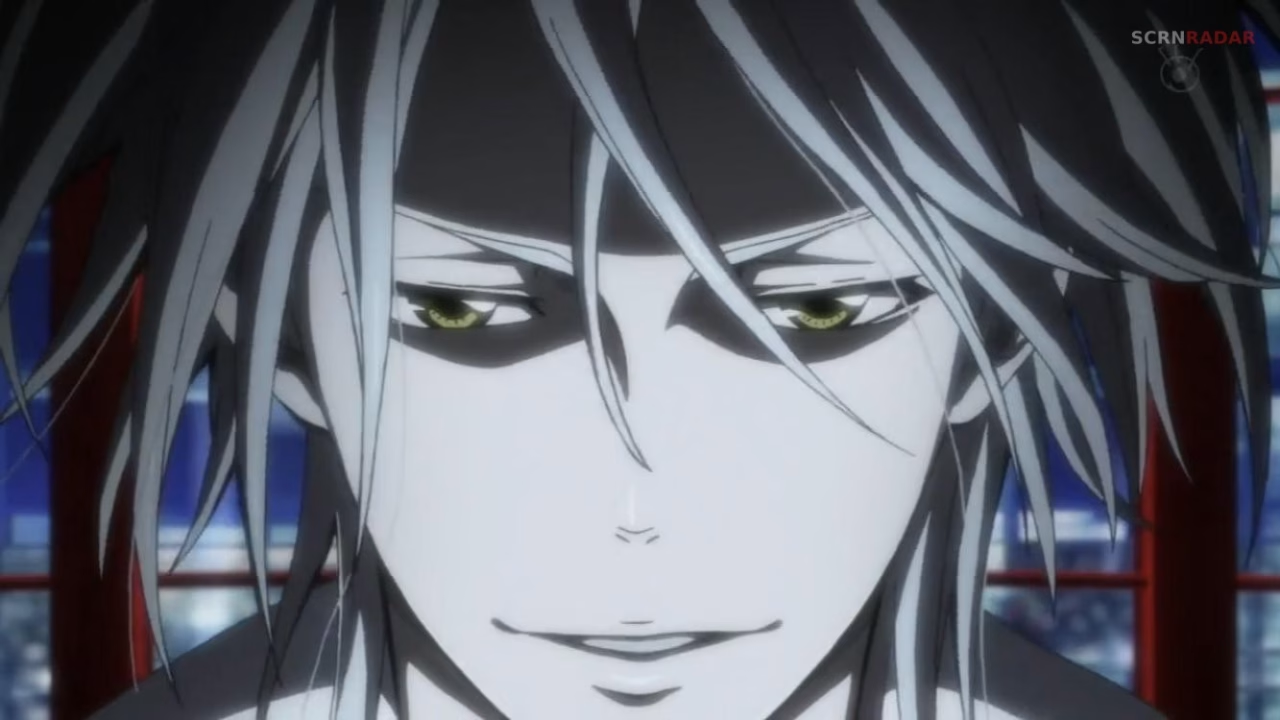
Few anime villains have left a lasting impact quite like Shogo Makishima from Psycho-Pass. Known for his calm demeanor, philosophical depth, and chilling worldview, Makishima stands apart from typical antagonists in the genre. His actions are brutal, but his ideology is disturbingly compelling, making him one of anime’s most memorable characters.
What makes his character even more fascinating is the revelation from director Naoyoshi Shiotani that Makishima was partially inspired by Heath Ledger’s portrayal of the Joker in The Dark Knight. This insight adds a new layer to how fans interpret Makishima’s motivations, personality, and narrative role.
Understanding this connection not only enhances appreciation for Psycho-Pass but also highlights how global storytelling influences shape anime. Let’s break down how Heath Ledger’s Joker influenced Makishima, what it means for the story, and why this creative choice made Psycho-Pass even more powerful.
The Core of Psycho-Pass: A World Built on Control
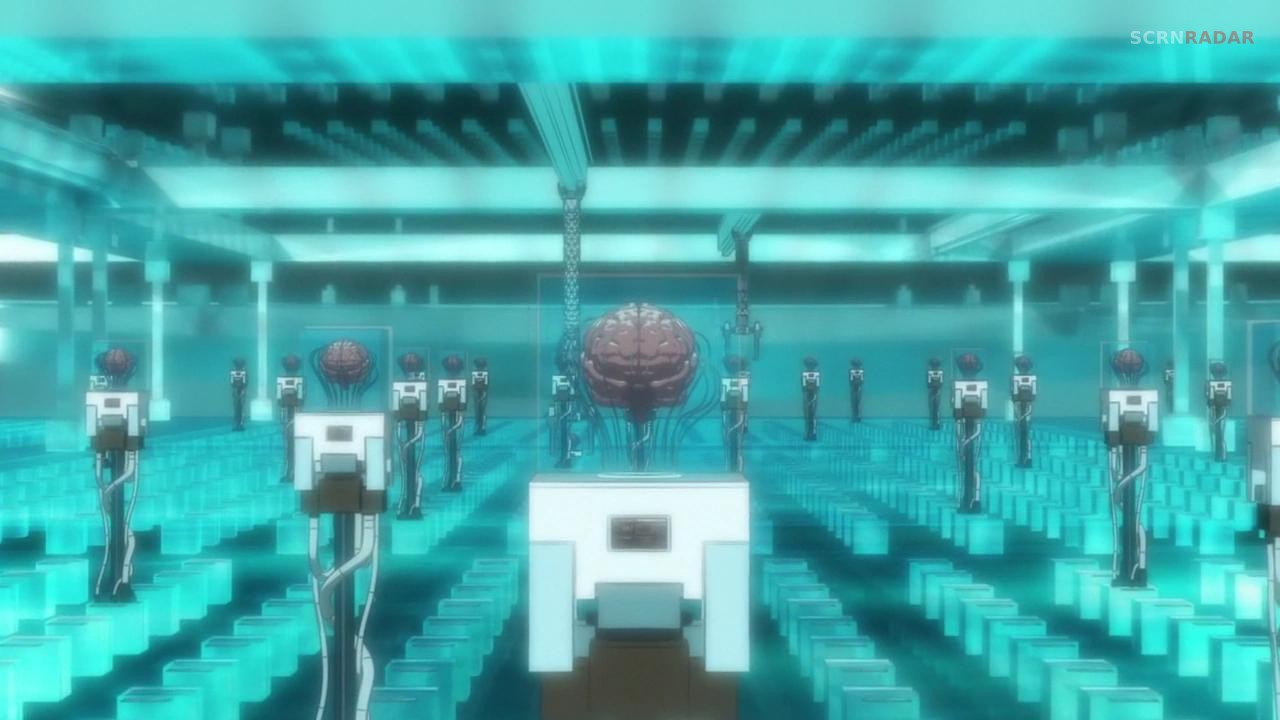
At its heart, Psycho-Pass is a dystopian cyberpunk anime set in a future where society is governed by the Sibyl System. This system constantly scans citizens’ mental states and assigns them a “crime coefficient,” determining their likelihood to commit crimes. Those who exceed a certain threshold are either detained or eliminated, often before they act.
This concept creates a world where free will is heavily restricted in favor of perceived safety. While the system claims to maintain peace, it also strips individuals of autonomy and moral complexity. People are judged not by their actions, but by predictions of what they might do.
Makishima’s role in this world is crucial because he directly challenges the system’s authority. He represents chaos, unpredictability, and human freedom in a society obsessed with order. This philosophical clash forms the backbone of the series and sets the stage for his Joker-like presence.
Who Is Shogo Makishima?
Shogo Makishima is the primary antagonist of Psycho-Pass Season 1, and his character is defined by intellect, charisma, and moral ambiguity. Unlike typical villains driven by revenge or power, Makishima operates on ideology. He believes that the Sibyl System has stripped humanity of its essence by removing the need for moral choice.
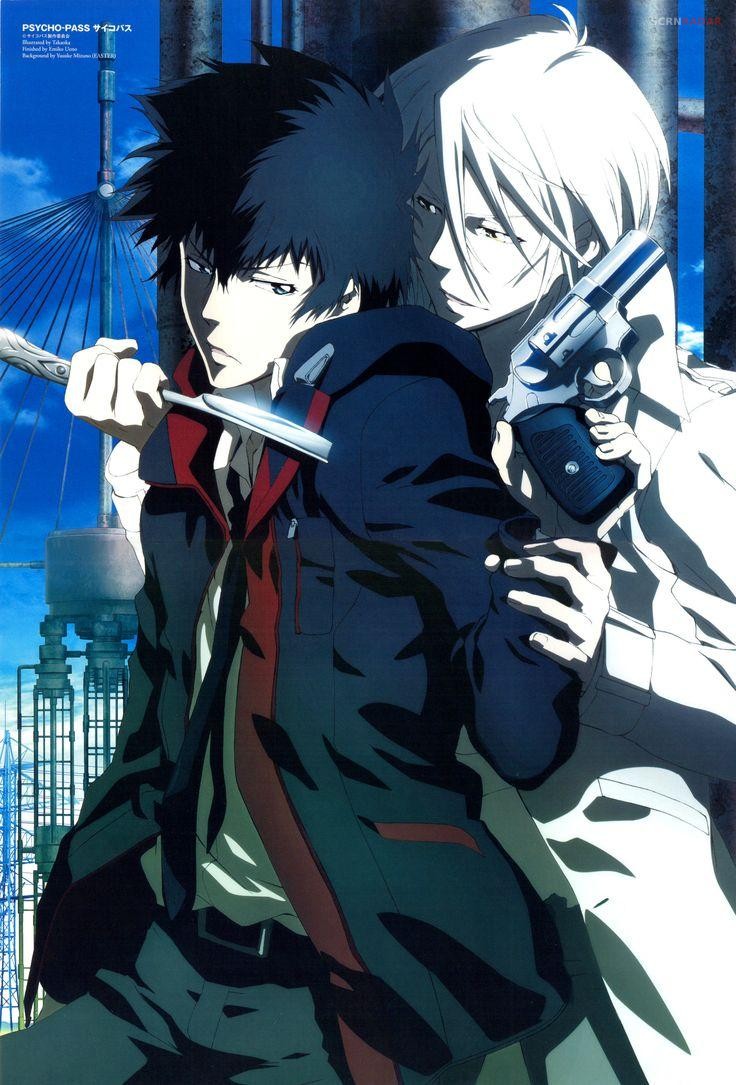
What makes him especially dangerous is his immunity to the system. His crime coefficient remains low even when committing horrific acts, making him effectively invisible to the very system that controls society. This allows him to manipulate others into committing crimes, exposing the flaws of the system from within.
Makishima is not simply trying to destroy society. He wants to awaken it. He seeks to force people to confront their own morality and reclaim their ability to make choices, even if those choices lead to chaos.
The Director’s Revelation: Joker as a Key Influence
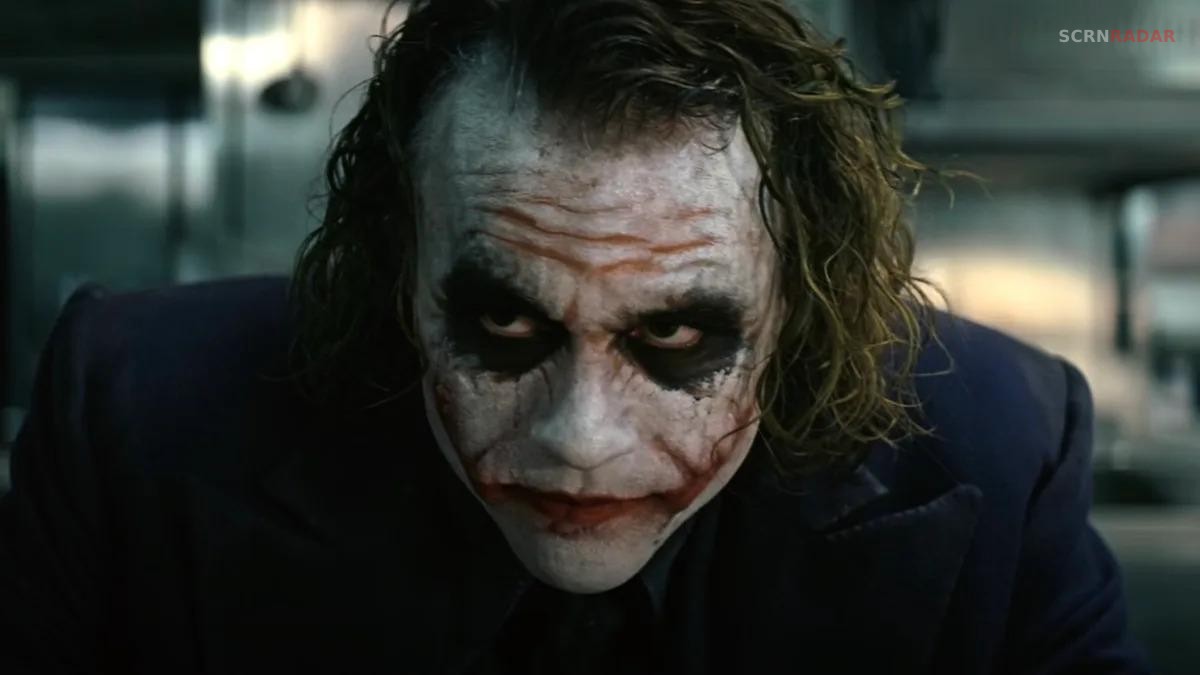
Director Naoyoshi Shiotani revealed in interviews that Makishima’s character was influenced by Heath Ledger’s Joker. This statement immediately resonates with fans familiar with both characters. Ledger’s Joker is widely regarded as one of the most iconic villains in modern cinema, known for his anarchic philosophy and psychological manipulation.
The Joker in The Dark Knight does not seek money or power in a traditional sense. Instead, he aims to prove that society’s rules are fragile and that anyone can descend into chaos under the right circumstances. This ideology closely mirrors Makishima’s mission in Psycho-Pass.
By drawing inspiration from Ledger’s performance, the creators of Psycho-Pass were able to craft a villain who feels both unpredictable and deeply philosophical. The influence is not a direct copy, but rather a thematic and psychological foundation that enhances Makishima’s character.
Similarities Between Makishima and Heath Ledger’s Joker
One of the most striking similarities between Makishima and the Joker is their belief in exposing societal hypocrisy. Both characters view established systems as inherently flawed and seek to reveal those flaws through extreme actions. They do not merely oppose the system. They aim to dismantle its credibility.
Another key similarity lies in their methods. Both Makishima and the Joker manipulate others into becoming instruments of chaos. Instead of acting alone, they create situations where ordinary people are pushed to commit acts they would normally avoid. This psychological manipulation is central to their impact as villains.
Their calm demeanor also sets them apart. Neither character relies on rage or emotional outbursts. Instead, they maintain a composed and almost detached attitude, which makes their actions even more unsettling. This controlled presence is a defining trait that enhances their unpredictability.
Key Differences That Make Makishima Unique
Despite the clear influence, Makishima is not simply an anime version of the Joker. One of the biggest differences is his intellectual grounding. Makishima frequently references literature, philosophy, and classic works, framing his actions within a broader intellectual context.
While the Joker thrives on chaos for its own sake, Makishima’s actions are more structured. He has a clear ideological goal, even if his methods are extreme. His desire to restore human agency gives his character a more philosophical depth compared to the Joker’s nihilistic tendencies.
Additionally, Makishima exists within a highly controlled sci-fi setting, which changes how his rebellion functions. His immunity to the Sibyl System adds a unique twist that would not exist in a traditional crime drama. This element makes his conflict with society more specific and deeply tied to the world of Psycho-Pass.
Why Heath Ledger’s Joker Was the Perfect Influence
Heath Ledger’s portrayal of the Joker redefined what a modern villain could be. His performance emphasized unpredictability, psychological depth, and thematic relevance. These qualities made him an ideal reference point for creating a compelling antagonist in Psycho-Pass.
The Joker’s ability to challenge not just the hero, but the entire moral structure of the story, aligns perfectly with what Psycho-Pass needed. Makishima is not just an enemy for the protagonists. He is a philosophical counterargument to the entire system they uphold.
By using the Joker as inspiration, the creators ensured that Makishima would resonate beyond the confines of anime. His character feels universally compelling because it taps into broader questions about morality, freedom, and control.
How This Inspiration Enhances Psycho-Pass’ Themes
The Sibyl System in Psycho-Pass represents a surveillance-driven society, setting the stage for Makishima’s rebellion against control and lack of free will (Image via Production I.G)
The influence of the Joker strengthens Psycho-Pass’ exploration of its central themes. The anime constantly questions whether a perfectly controlled society is truly desirable. Through Makishima, the story introduces chaos as a necessary counterbalance to order.
This dynamic creates a moral gray area that keeps viewers engaged. Makishima’s arguments are not entirely wrong, which makes the conflict more complex. The audience is forced to consider whether the Sibyl System is truly just, or simply efficient.
The Joker-inspired elements also add tension to the narrative. Because Makishima is unpredictable, the story never feels safe. His presence ensures that any situation can escalate, keeping the stakes high throughout the series.
Fan Reception and Critical Impact
Makishima quickly became one of the most praised aspects of Psycho-Pass. Fans often cite him as one of the best anime villains of all time, largely due to his depth and philosophical complexity. The revelation of his Joker inspiration only reinforced this perception.
Critics have also highlighted how Makishima elevates the series. Without a strong antagonist, the themes of Psycho-Pass might not have been as impactful. His presence ensures that the story remains engaging on both an emotional and intellectual level.
The connection to Heath Ledger’s Joker also helps bridge the gap between Western and Japanese storytelling. It demonstrates how anime can draw from global influences while still creating something unique and original.
The Broader Influence of Western Cinema on Anime
Makishima’s inspiration is part of a larger trend where anime creators draw from Western films. This cross-cultural exchange has become increasingly common, leading to richer and more diverse storytelling.
In the case of Psycho-Pass, the influence of The Dark Knight adds a layer of familiarity for global audiences. It allows viewers to connect with the story more easily while still experiencing something distinctively anime.
This blending of influences also highlights the universality of certain themes. Questions about morality, freedom, and societal control resonate across cultures, making characters like Makishima and the Joker universally compelling.
What This Means for Future Anime Villains
The success of Makishima shows that audiences appreciate villains with depth and ideology. Simple antagonists driven by power or revenge are no longer enough. Modern viewers expect characters who challenge the narrative on a philosophical level.
By drawing inspiration from figures like Heath Ledger’s Joker, anime creators can craft villains who feel both relevant and timeless. This approach encourages more nuanced storytelling and elevates the quality of the medium.
Future anime will likely continue this trend, blending influences from different cultures to create complex and memorable antagonists. Makishima stands as a blueprint for how effective this approach can be.
The revelation that Psycho-Pass’ villain was inspired by Heath Ledger’s Joker adds a fascinating dimension to an already complex character. Shogo Makishima embodies many of the qualities that made the Joker iconic, including unpredictability, psychological manipulation, and a deep challenge to societal norms.
At the same time, Makishima remains a unique creation shaped by the themes and world of Psycho-Pass. His philosophical depth and connection to the Sibyl System make him more than just an homage. He is a fully realized antagonist who elevates the entire narrative.
This blend of inspiration and originality is what makes Psycho-Pass such a standout series. By drawing from one of cinema’s greatest villains, the anime created one of its own, proving that great storytelling transcends mediums and cultures.