Fatherhood marked a significant turning point in Kevin Hart’s career, offering audiences a rare glimpse of his dramatic potential. Known primarily for high-energy comedy roles, Hart steps into a deeply emotional narrative based on Two Kisses for Maddy: A Memoir of Loss and Love by Matthew Logelin.
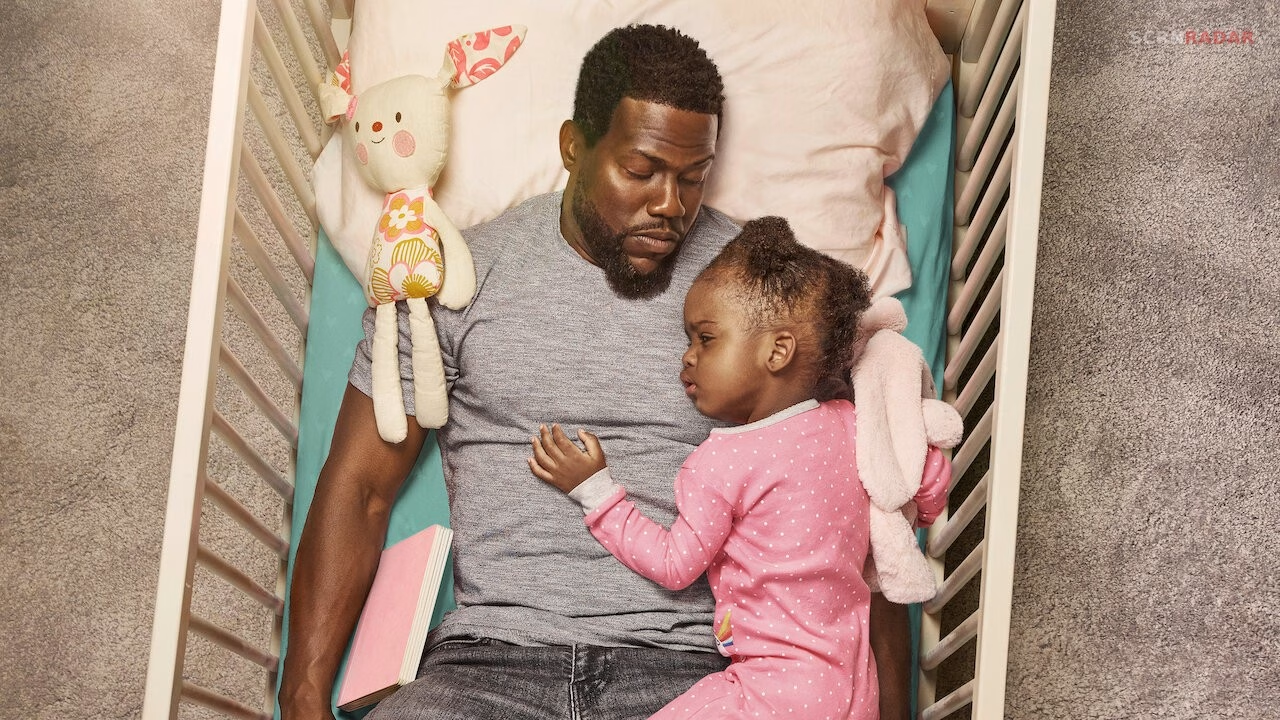
The film tells the story of a widowed father steering grief while raising his daughter alone. While the premise is inherently powerful, the execution walks a fine line between heartfelt storytelling and predictable melodrama. For viewers searching for a detailed Fatherhood review, the film delivers an emotionally engaging experience, even if it does not fully break free from familiar genre conventions.
With a blend of humor, tragedy, and tender moments, Fatherhood attempts to redefine Kevin Hart’s on-screen image. The result is a film that may not be groundbreaking but still resonates due to its sincerity and strong central performances.
Kevin Hart’s Performance: A Career-Defining Shift
The most compelling aspect of Fatherhood is Kevin Hart’s performance. Stepping away from his usual comedic persona, he portrays Matt, a grieving husband turned single father with surprising depth and restraint.
Hart effectively balances humor and vulnerability, using subtle comedic timing to lighten emotionally heavy scenes. His portrayal of grief feels grounded, especially in moments where Matt questions his ability to raise his daughter alone. This emotional authenticity allows audiences to connect with the character beyond surface-level storytelling.
While some critics argue that traces of his usual comedic style remain, they rarely feel out of place. Instead, they enhance the realism of a character trying to cope with unimaginable loss through small moments of levity.
Fatherhood is undeniably heartfelt, but its narrative structure follows a familiar formula. The story progresses through expected beats, including personal struggles, moments of doubt, and eventual growth.
This predictability does not necessarily weaken the film, but it does limit its impact. Viewers can often anticipate key developments, which reduces the emotional surprise. Despite this, the film succeeds in maintaining engagement through its strong emotional core.
The central theme of parenthood, especially single fatherhood, is handled with sincerity. The film highlights the challenges of raising a child alone, from societal expectations to personal insecurities. However, certain subplots, such as workplace conflicts and social issues, feel underdeveloped and are only briefly explored.
Supporting Cast and Character Dynamics
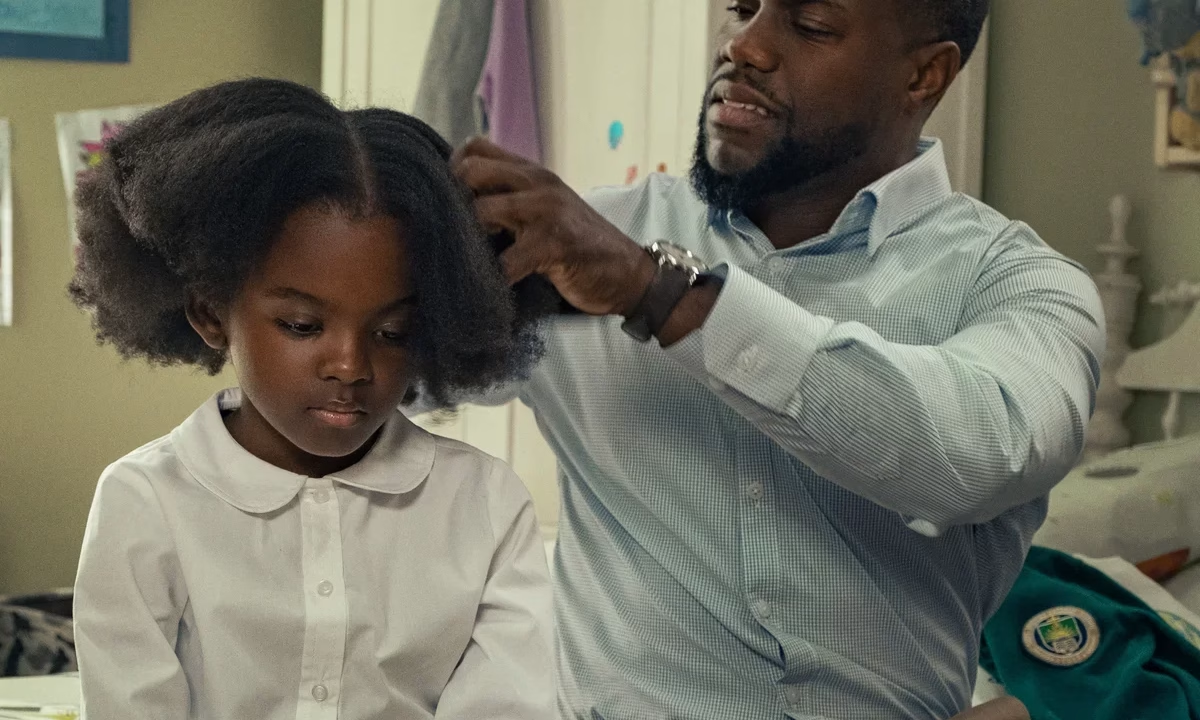
The supporting cast adds depth to the story, even if some characters lean toward familiar archetypes. Melody Hurd delivers a standout performance as Maddy, bringing charm and emotional weight to her role. Her chemistry with Kevin Hart is the emotional backbone of the film.
Alfre Woodard provides a strong presence as the concerned mother-in-law, while DeWanda Wise adds warmth as a potential romantic interest. These performances help ground the story, even when the script leans into clichés.
The father-daughter relationship remains the highlight throughout. Their interactions feel genuine, capturing both the struggles and joys of parenthood in a relatable way.
At its core, Fatherhood is about resilience and emotional growth. The film explores how individuals cope with loss and adapt to life-changing circumstances.
Matt’s journey reflects the universal fear of not being enough, especially in the face of overwhelming responsibility. His struggles with self-doubt and societal judgment add layers to the narrative, even if they are not always fully developed.
The film also touches on modern parenting themes, including gender expectations and work-life balance. While these ideas are introduced, they often lack the depth needed to leave a lasting impression.