The return of How Not to Summon a Demon Lord with its second season, titled How Not to Summon a Demon Lord Ω, arrived with expectations of expanding both its fantasy world and character dynamics. Season 1 built a strong foundation with its mix of isekai humor, overpowered protagonist tropes, and unapologetic fan service.
Season 2, however, takes a slightly different path by attempting to introduce a more structured narrative while still sticking to its core identity. The result is a season that feels both familiar and somewhat restrained in its ambition. While it remains entertaining for fans of the genre, it also exposes the limitations of relying too heavily on repetition.
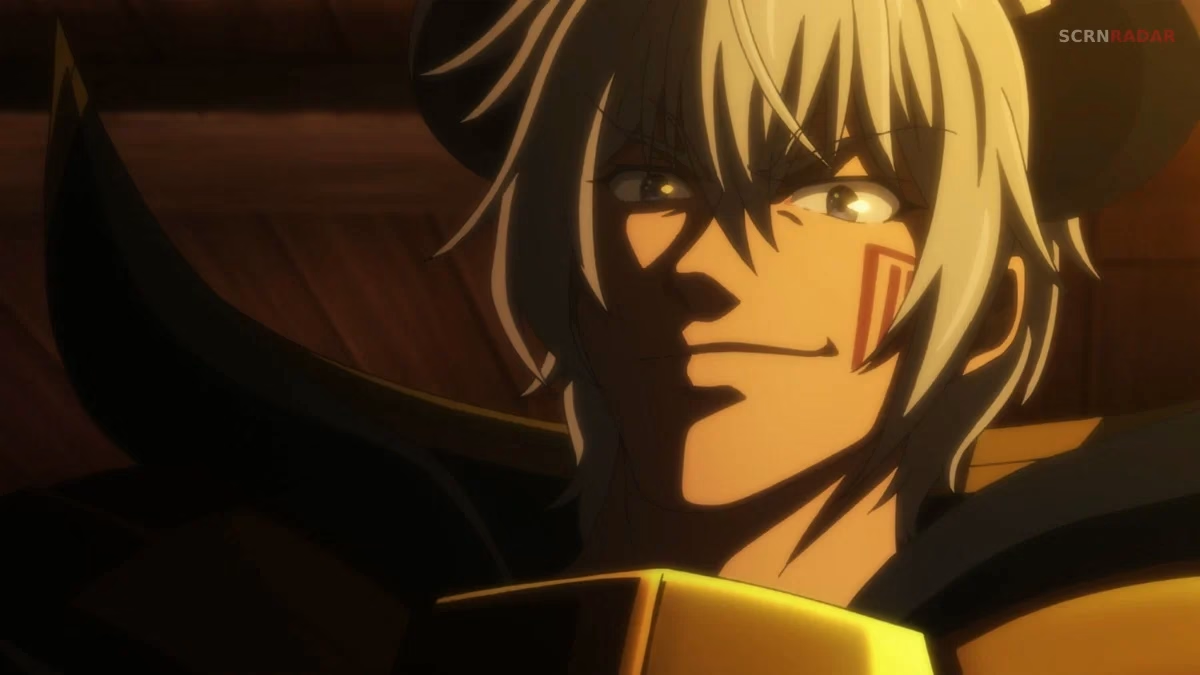
The story continues to follow Diablo, a socially awkward gamer trapped in a demon lord’s body, as he navigates new conflicts alongside Rem and Shera. This time, the stakes revolve around the church and the mysterious Paladin Lumachina, adding a layer of political intrigue. Despite this setup, the narrative rarely feels as intense as it promises. Instead, it often falls back on comedic misunderstandings and suggestive scenarios that define the series’ tone.
A More Focused Storyline That Lacks Depth
Season 2 tries to be more concise by focusing on a single arc rather than juggling multiple plot threads. This streamlined approach allows the story to progress at a faster pace, making it easier to follow compared to the first season. However, this also results in a noticeable lack of depth, as important conflicts are resolved too quickly. The church storyline, which could have explored themes of power and corruption, feels underdeveloped.
Character development also takes a backseat despite the introduction of new faces like Lumachina. While she adds a refreshing dynamic to the group, her arc feels rushed and lacks emotional weight. Diablo, as the central character, remains largely unchanged, continuing to rely on his overpowered abilities and awkward persona. This consistency may appeal to fans, but it limits the show’s potential for growth.
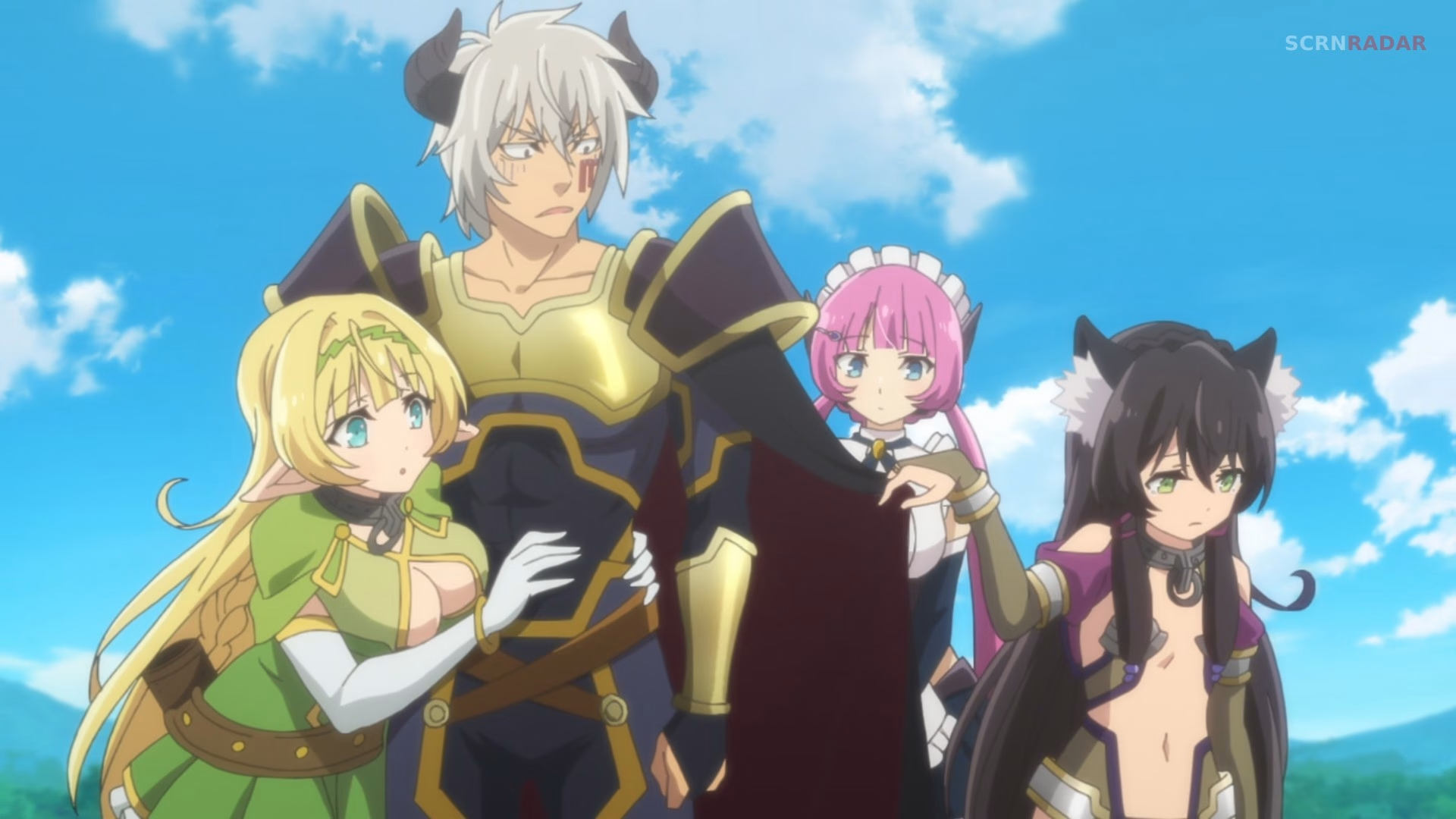
Visually, the season maintains a decent level of quality, though it does not significantly improve upon its predecessor. The animation is serviceable, with a few standout moments during action scenes, but it lacks the polish seen in higher-tier anime productions. The shorter episode count further contributes to the feeling that the story is being condensed rather than fully explored.
Fan Service vs. Substance: Finding the Balance
One of the defining aspects of the series has always been its heavy use of fan service, and Season 2 is no exception. While these elements are expected, their frequency often overshadows the narrative. Instead of enhancing the story, they sometimes interrupt the pacing and reduce the impact of more serious moments. This creates a tonal imbalance that prevents the show from reaching its full potential.
That said, the humor and chemistry between characters remain a strong point. The interactions between Diablo, Rem, and Shera continue to deliver lighthearted entertainment, even when the plot falters. For viewers who enjoyed the first season, this familiarity can be comforting. However, for those hoping for a more evolved storyline, it may feel like a missed opportunity.
In the end, How Not to Summon a Demon Lord Season 2 succeeds as a continuation but falls short of being a meaningful upgrade. It offers enough entertainment to satisfy existing fans but does little to expand its appeal beyond them. The season feels like a safe sequel that prioritizes consistency over innovation, making it enjoyable yet ultimately forgettable.