

When Four Good Days premiered, audiences were struck by its raw portrayal of addiction, recovery, and the complicated relationship between a mother and her daughter. Starring Glenn Close and Mila Kunis, the film follows a young woman battling opioid addiction as she attempts to stay clean long enough to receive a treatment that could help her begin rebuilding her life. The emotional realism of the performances and the painful family dynamics led many viewers to ask the same question: Is Four Good Days based on a true story?
The answer is yes. While some details were dramatized for the screen, the movie is rooted in the real experiences of a mother and daughter who spent years fighting the devastating effects of opioid addiction. The film’s story comes from a widely read newspaper feature that documented their struggle and resilience. Understanding the true events behind Four Good Days reveals why the movie feels so authentic and emotionally powerful.
Is Four Good Days Based on a True Story?
Yes, Four Good Days is based on a true story. The film was adapted from journalist Eli Saslow’s 2016 Washington Post article, “How’s Amanda? A Story of Truth, Lies and an American Addiction.” The article chronicled the experiences of Amanda Wendler and her mother, Libby Alexander, as they navigated years of addiction, relapse, treatment, and recovery.
The screenplay was co-written by director Rodrigo García and Eli Saslow himself, helping ensure that the emotional core of the real story remained intact. Rather than creating a fictional addiction narrative, the filmmakers used real events as the foundation for the movie.
Because the source material came from extensive reporting and direct access to the family, many of the struggles shown in the film reflect experiences that actually happened. This connection to reality is one of the reasons the movie resonates so strongly with viewers.
Who Were the Real People Behind the Story?

In real life, the character Molly is based on Amanda Wendler. Amanda developed an opioid addiction after being prescribed pain medication following an injury. What began as legitimate medical treatment eventually spiraled into years of substance abuse and repeated attempts at recovery.
The character Deb is based on Amanda’s mother, Libby Alexander. Like many parents of individuals struggling with addiction, Libby found herself trapped between wanting to help her daughter and fearing that her support might enable destructive behavior. This emotional conflict forms the heart of both the article and the film.
The relationship between Amanda and Libby became a powerful example of how addiction affects entire families rather than just the person suffering from substance use disorder. Their story highlights the emotional toll addiction takes on loved ones who desperately want to help but often feel powerless.
How Accurate Is the Movie to Real Life?
One of the most notable aspects of Four Good Days is its commitment to realism. Many major story elements are drawn directly from Amanda Wendler’s experiences, including her repeated attempts at recovery and the difficult waiting period before receiving medication-assisted treatment.
The central premise revolves around four crucial days during which Molly must remain drug-free before receiving a naltrexone injection. This treatment blocks the effects of opioids and can help reduce the risk of relapse. The tension created by this waiting period is not a Hollywood invention but a real challenge that Amanda faced.
Like most adaptations, the film condenses events and simplifies certain timelines. However, the emotional truth of the story remains largely faithful to the experiences described in the original reporting. The filmmakers focused on capturing the reality of addiction rather than creating unnecessary dramatic twists.
The Real Opioid Crisis Behind the Story
Although Four Good Days focuses on one family, its story reflects a much larger public health crisis. The opioid epidemic has affected millions of people across the United States over the past two decades.
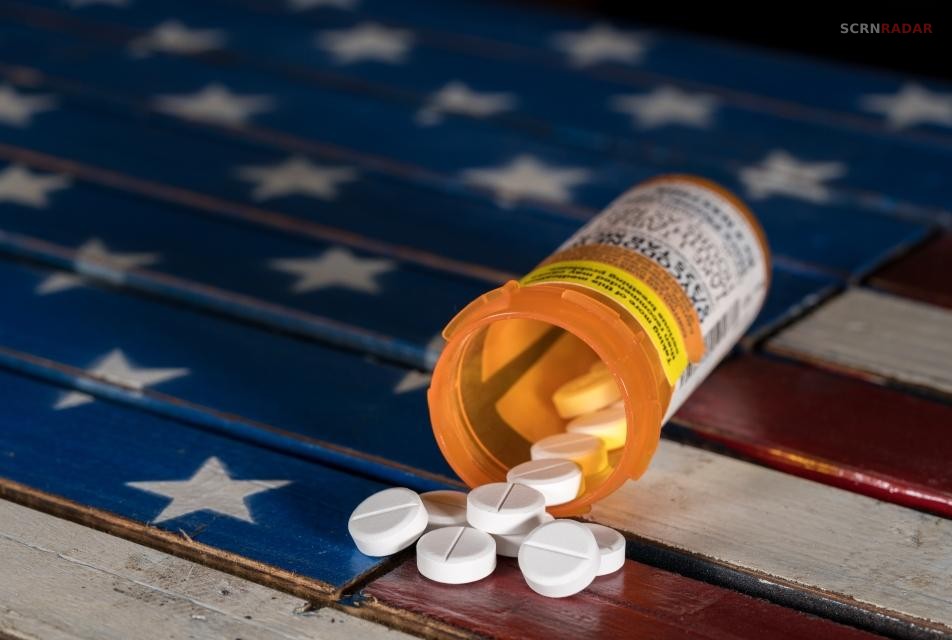
Amanda’s journey began with a prescription for pain medication, a path that mirrors the experiences of many people who developed opioid dependencies after receiving legally prescribed drugs. The film illustrates how addiction can emerge gradually and unexpectedly, often affecting individuals and families who never imagined they would face such challenges.
This broader context gives the story additional significance. It is not simply about one woman’s struggle but also about a crisis that has impacted communities across the country. The movie serves as a reminder that addiction can affect people from all backgrounds.
Why the Mother-Daughter Relationship Feels So Real
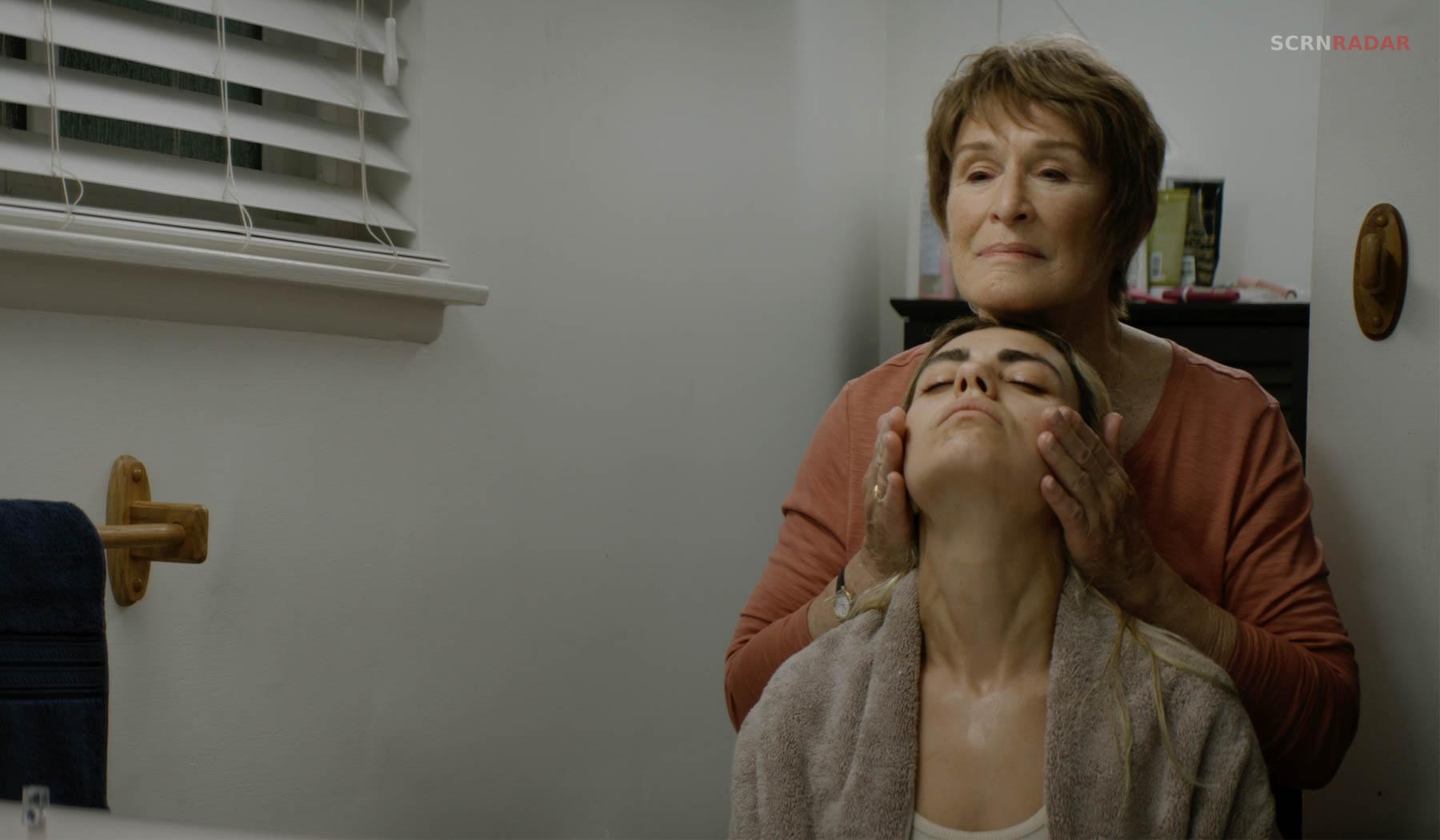
The emotional center of Four Good Days is not addiction itself but the relationship between Molly and her mother. Their interactions are often uncomfortable, tense, and emotionally exhausting because both characters carry years of pain and disappointment.
Deb wants to believe her daughter can recover, but experience has taught her to be cautious. Molly desperately wants another chance, yet she understands why her mother struggles to trust her. This conflict creates a realistic portrayal of addiction’s impact on family relationships.
Many viewers and critics praised the performances of Glenn Close and Mila Kunis because they capture this dynamic with remarkable authenticity. Their characters rarely fit into simple categories of hero or villain. Instead, they feel like real people trying to survive an impossible situation.
How Glenn Close and Mila Kunis Prepared for Their Roles
To portray the story accurately, both actors spent time learning about addiction and speaking with people who had firsthand experience with recovery. Their goal was to avoid stereotypes and present addiction as a complex medical and emotional issue rather than a moral failing.
Mila Kunis underwent a significant physical transformation and focused on understanding the mindset of someone living with addiction. Glenn Close concentrated on portraying the emotional burden carried by parents and family members who repeatedly witness relapse and recovery attempts.
Their performances help lift the film beyond a conventional drama. Rather than focusing solely on addiction itself, they highlight the human experiences behind the statistics.

What Happens to the Real Amanda Wendler?
One of the most encouraging aspects of the story is that it does not end in tragedy. Unlike many addiction narratives that focus exclusively on loss, Amanda’s story includes hope and progress.
The film’s ending notes that the real Amanda Wendler continued working toward recovery after the events depicted in the story. While recovery is often a lifelong process rather than a single victory, her journey demonstrates that positive outcomes are possible even after years of struggle.
This hopeful conclusion distinguishes Four Good Days from many other addiction-focused dramas. It acknowledges the reality of relapse and setbacks while still emphasizing the possibility of change.
What the Film Changes From Real Life
Although Four Good Days is based on true events, it is not a documentary. Certain details were adjusted to create a more focused narrative suitable for a feature-length film.
Some events were compressed, and supporting characters were simplified. The movie concentrates primarily on the four-day waiting period because it provides a clear emotional structure for the story. In reality, Amanda’s battle with addiction lasted much longer and involved numerous setbacks over many years.
These creative changes do not significantly alter the story’s core message. Instead, they help the film communicate the emotional reality of addiction in a way that audiences can easily follow.
Why Four Good Days Resonated With Audiences
Many addiction stories focus heavily on the darkest aspects of substance abuse. While Four Good Days does not shy away from difficult realities, it also explores perseverance, forgiveness, and hope.
The film resonates because it avoids simplistic solutions. Recovery is shown as difficult, uncertain, and often frustrating. Family members are portrayed as deeply affected by addiction, highlighting the ripple effects that extend beyond the individual struggling with substance use.
Viewers who have experienced addiction personally or within their families often connect with the film because it captures emotions that feel genuine. The story acknowledges pain without reducing its characters to their worst moments.
The Legacy of the Real Story
The true story behind Four Good Days continues to have relevance because the issues it addresses remain widespread. The opioid crisis has not disappeared, and families continue to face many of the same challenges depicted in the film.
By adapting Amanda and Libby’s experiences for a broader audience, the movie helps humanize a complex issue that is often discussed only through statistics and headlines. It reminds viewers that behind every addiction story is a family trying to navigate uncertainty, fear, and hope.
The film also contributes to ongoing conversations about treatment, recovery, and the importance of compassionate support systems. While it does not offer easy answers, it encourages greater understanding of addiction and its effects.
Four Good Days is indeed based on a true story, drawing inspiration from the real experiences of Amanda Wendler and her mother, Libby Alexander. Adapted from Eli Saslow’s acclaimed Washington Post article, the film presents an emotionally authentic look at addiction, recovery, and the challenges families face when trying to help a loved one overcome substance abuse.
Although some details were adapted for dramatic purposes, the movie remains remarkably faithful to the emotional reality of the real events. Its focus on hope, resilience, and the complicated bond between mother and daughter helps it stand out among addiction dramas. For viewers wondering whether the story really happened, the answer is yes, and that truth is a major reason why Four Good Days leaves such a lasting impact.