
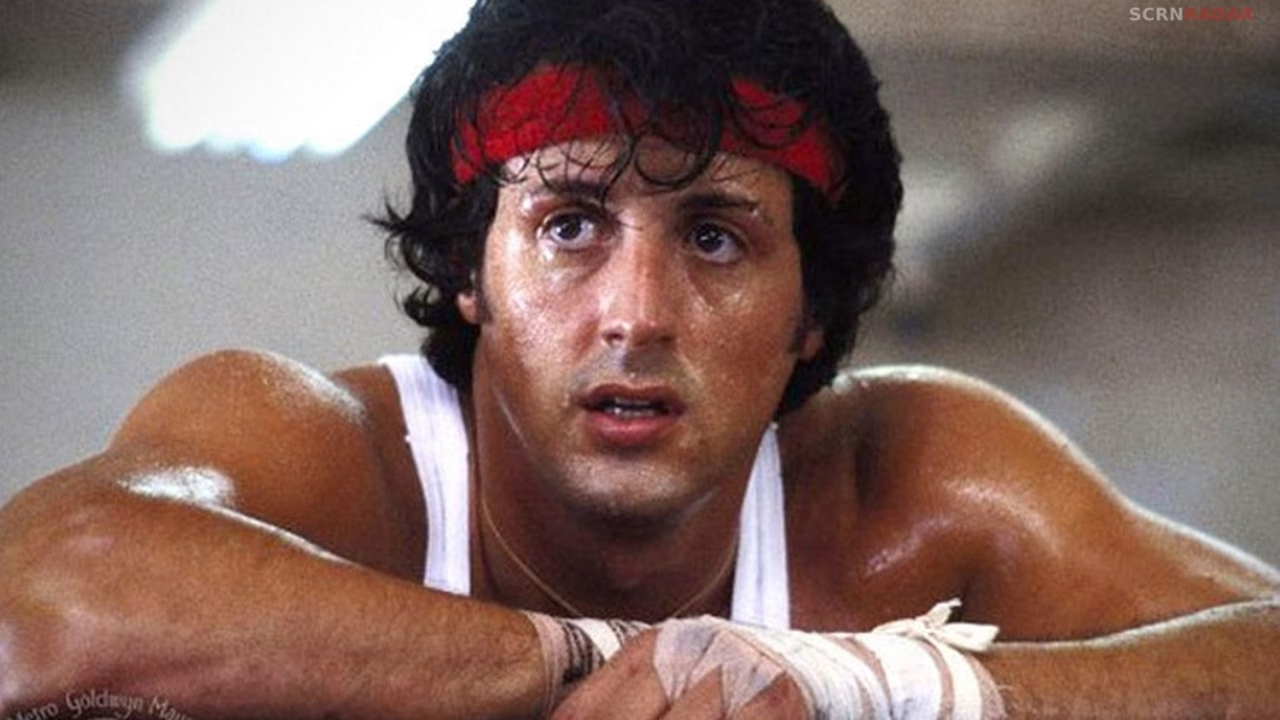
Few sports movies have left a cultural impact as powerful as Rocky. Released in 1976, the film transformed Sylvester Stallone into a Hollywood star and introduced audiences to the underdog boxer Rocky Balboa. The story of a small-time Philadelphia fighter getting an unlikely shot at the heavyweight championship felt so authentic that many viewers assumed it was based on real events.
The question has followed the franchise for decades: Is Rocky based on a true story? The short answer is no. Rocky Balboa is a fictional character, and the events depicted in the movie never happened exactly as shown on screen. However, the film was heavily inspired by real people, real boxing history, and Stallone’s own experiences as a struggling actor trying to achieve success.
The biggest real-life influence was heavyweight boxer Chuck Wepner, whose unlikely championship fight against Muhammad Ali helped spark the idea for the movie. Let’s break down the true story behind Rocky and examine how reality influenced one of the greatest sports films ever made.
Is Rocky Based on a True Story?
No, Rocky is not based on a true story in the traditional sense. Rocky Balboa was created by Sylvester Stallone, and the plot was written specifically for the 1976 film. The character, his relationships, and the movie’s events are fictional.
However, Stallone has long acknowledged that real-life events influenced the screenplay. The strongest inspiration came from Chuck Wepner’s famous 1975 fight against Muhammad Ali. After watching the bout, Stallone reportedly became fascinated by the story of an overlooked boxer who exceeded expectations against the world’s best fighter. He quickly began writing the screenplay that would become Rocky.
The result was a fictional narrative built around themes that existed in real life: perseverance, opportunity, and the belief that ordinary people can accomplish extraordinary things. While Rocky Balboa never existed, many aspects of his story were inspired by real events and real personalities.
Who Was Chuck Wepner?
Chuck Wepner was a professional heavyweight boxer from New Jersey. He earned the nickname “The Bayonne Bleeder” because of his toughness and ability to absorb punishment in the ring. While he was respected within boxing circles, he was far from a superstar.
In March 1975, Wepner received what seemed like an impossible opportunity. He was chosen to challenge Muhammad Ali for the heavyweight championship. Most boxing experts expected Ali to defeat him easily, and many doubted Wepner would last more than a few rounds.
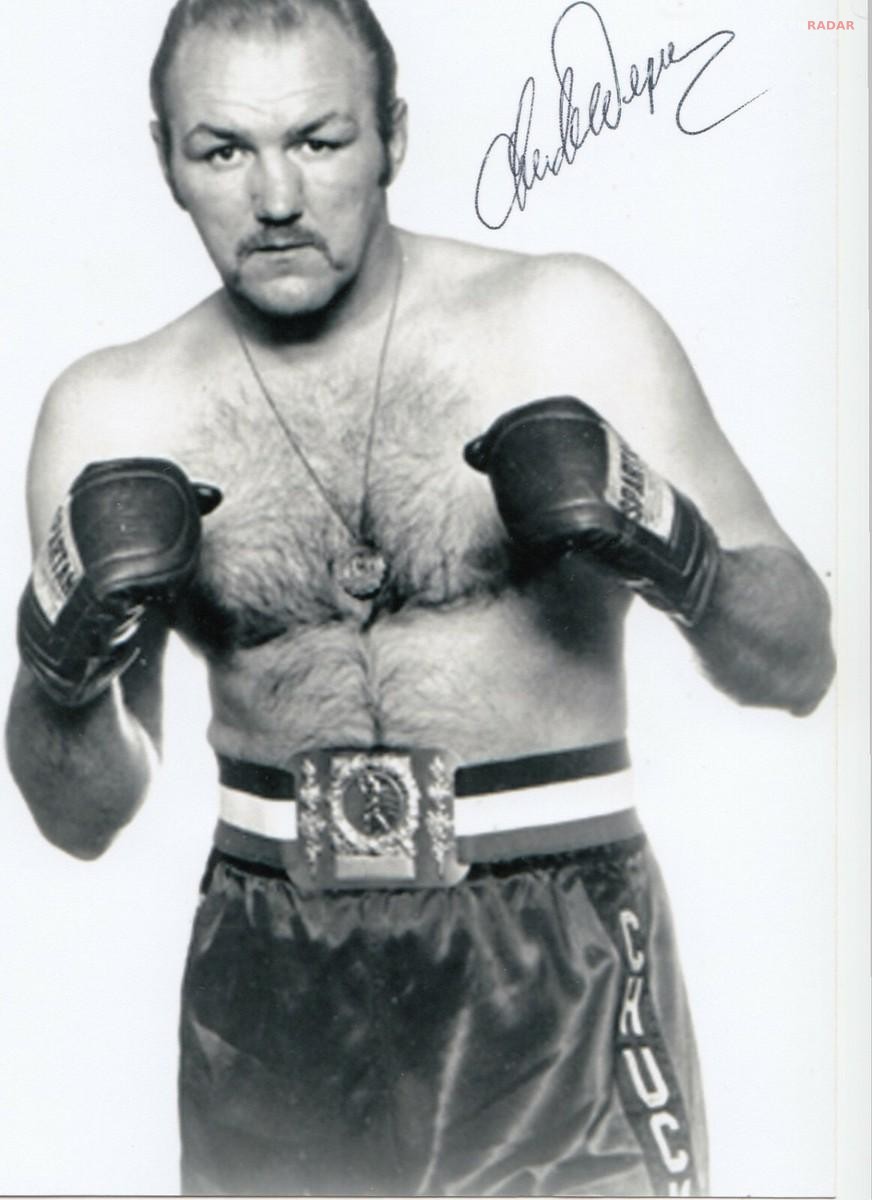
Instead, Wepner surprised the boxing world. He survived nearly the entire fight and even knocked Ali down during the ninth round. Although Ali ultimately won by technical knockout late in the fifteenth round, Wepner’s performance earned widespread admiration. His ability to compete with the greatest boxer of his era became one of the most memorable underdog stories in sports history.
That fight would soon have an even greater legacy when a struggling actor named Sylvester Stallone saw it and found inspiration for a screenplay.
How Chuck Wepner Inspired Rocky
The parallels between Chuck Wepner and Rocky Balboa are difficult to ignore. Both were underdogs. Both received unexpected opportunities to fight the heavyweight champion. Both entered their title bouts with little public support and surprised everyone by lasting far longer than expected.
According to numerous accounts, Stallone watched the Ali-Wepner fight and was fascinated by the drama. Shortly afterward, he began writing Rocky. The screenplay centered on a small-time boxer who receives a once-in-a-lifetime chance to challenge the heavyweight champion Apollo Creed.
The similarities were so obvious that many people began referring to Wepner as “the real Rocky.” Years later, Wepner even filed a lawsuit against Stallone, arguing that his story had been used without proper compensation. The dispute was eventually settled out of court.
Despite these similarities, Stallone has maintained that Rocky was not a direct biography of Wepner. Instead, he described the character as a combination of different influences rather than a recreation of one specific person.
Other Real-Life Inspirations Behind Rocky Balboa
While Chuck Wepner may have provided the spark, he was not the only boxer who influenced Rocky Balboa’s creation.
One significant influence was Joe Frazier. Like Rocky, Frazier was closely associated with Philadelphia and represented the city’s hardworking spirit. His blue-collar image and relentless fighting style helped shape the character’s personality.
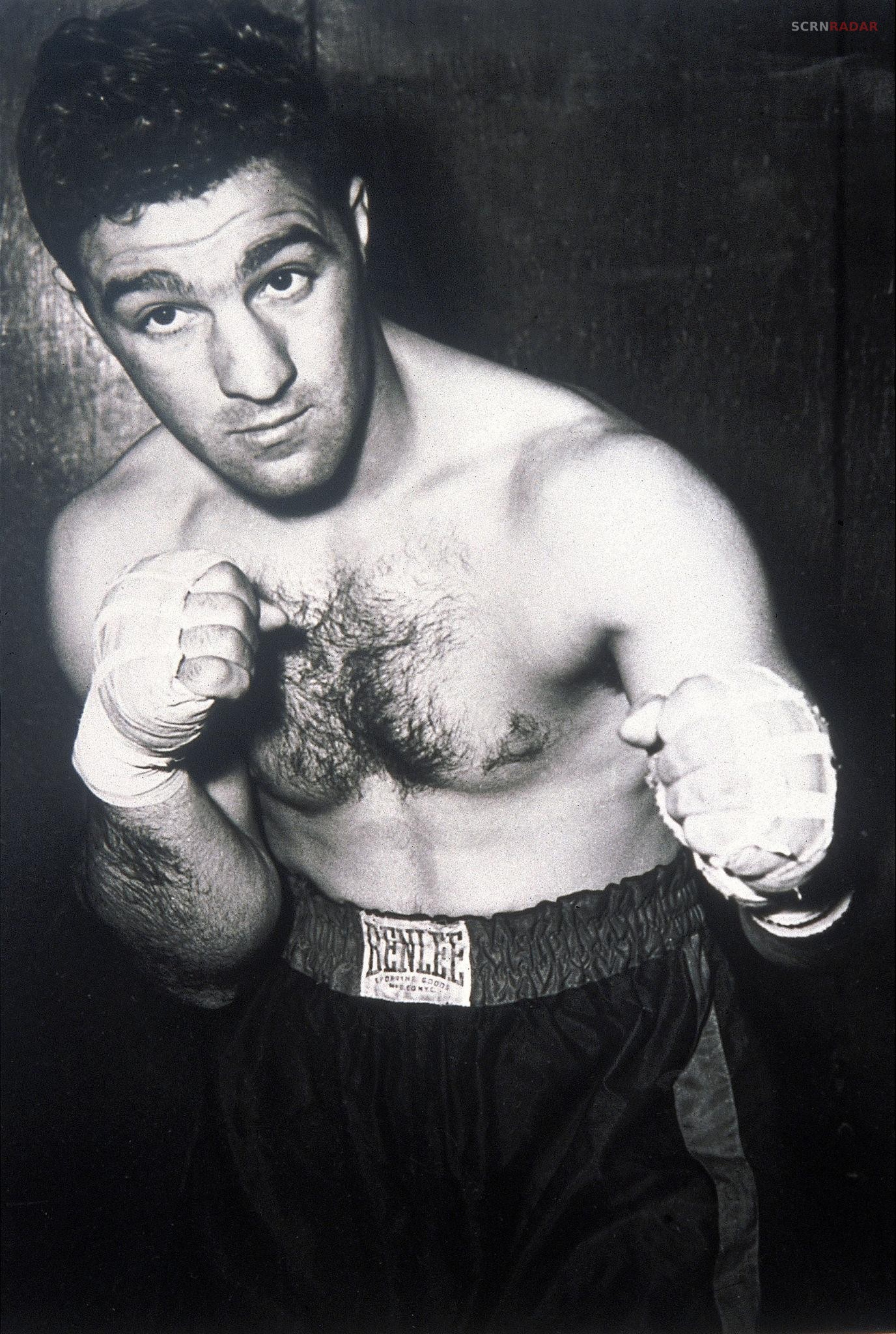
Another inspiration was Rocky Marciano. Stallone has acknowledged that the name “Rocky” was partially influenced by Marciano, one of the most respected champions in boxing history. Marciano’s determination and reputation for endurance aligned with many of the qualities that defined Rocky Balboa.
Elements of Jake LaMotta also found their way into the character. LaMotta was known for his toughness and ability to absorb punishment, traits that became central to Rocky’s identity throughout the franchise.
These influences helped transform Rocky from a simple sports hero into a fully realized character who embodied many different aspects of boxing culture.
Sylvester Stallone’s Own Life Shaped Rocky
Another reason Rocky feels authentic is that much of the story reflects Stallone’s personal experiences.
Before Rocky, Stallone was struggling financially and professionally. He had difficulty finding acting work and often faced rejection from studios and casting directors. Like Rocky Balboa, he was an underdog searching for an opportunity to prove himself.
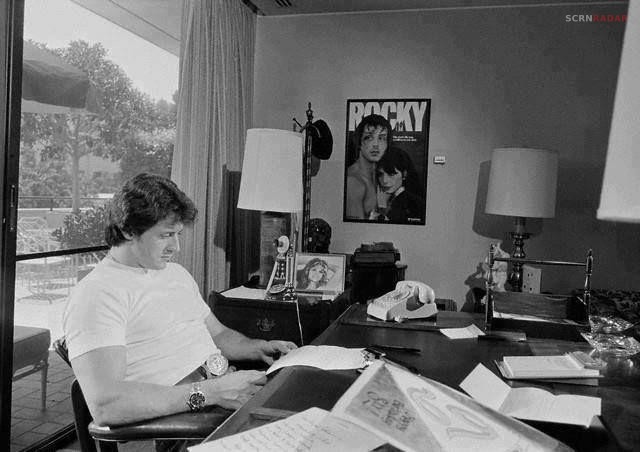
After writing the screenplay, Stallone received offers from studios that wanted to purchase it. However, many executives wanted a more established actor to play the lead role. Stallone refused to sell the script unless he was allowed to star in the movie himself. That decision was risky because he desperately needed money at the time.
His determination eventually paid off. Producers agreed to cast him as Rocky, and the film became a massive success. In many ways, Stallone’s real-life journey mirrored the themes of Rocky. Both men fought against long odds and earned opportunities through persistence and belief in themselves.
How Much of Rocky’s Plot Is Real?
Although inspired by reality, most of Rocky’s actual story is fictional.
There was never a boxer named Rocky Balboa who fought a champion named Apollo Creed. Likewise, characters such as Adrian, Paulie, Mickey, and Gazzo were creations of the screenplay. The romance between Rocky and Adrian was entirely fictional and designed to add emotional depth to the story.
The central championship fight also differs from the Wepner-Ali bout that inspired the film. In Rocky, Balboa goes the distance against Apollo Creed and loses by split decision after earning the respect of the boxing world. The emotional focus is on personal growth rather than winning a title.
Wepner’s real fight with Ali followed a different path. While he exceeded expectations and scored a surprising knockdown, he was ultimately stopped late in the final round. Even so, the spirit of the event clearly influenced the movie’s dramatic structure.
Why People Still Believe Rocky Is a True Story
Part of Rocky’s enduring appeal comes from how believable it feels. The film avoids many of the exaggerated tropes common in sports dramas. Rocky is flawed, uncertain, and often unsuccessful. His struggles feel genuine, which makes audiences connect with him.
The movie also captures the atmosphere of working-class Philadelphia in a realistic way. The neighborhoods, gyms, and daily routines create a sense of authenticity that grounds the story. Many viewers assume such realism must come from actual events.
The association with Chuck Wepner has also contributed to the confusion. Because the movie was inspired by a real boxer and a real championship fight, many people mistakenly assume the entire story is a dramatized biography. In reality, Rocky occupies a middle ground between fiction and real-life inspiration.
The Legacy of Rocky and Chuck Wepner
Today, both Rocky and Chuck Wepner occupy important places in sports and movie history.
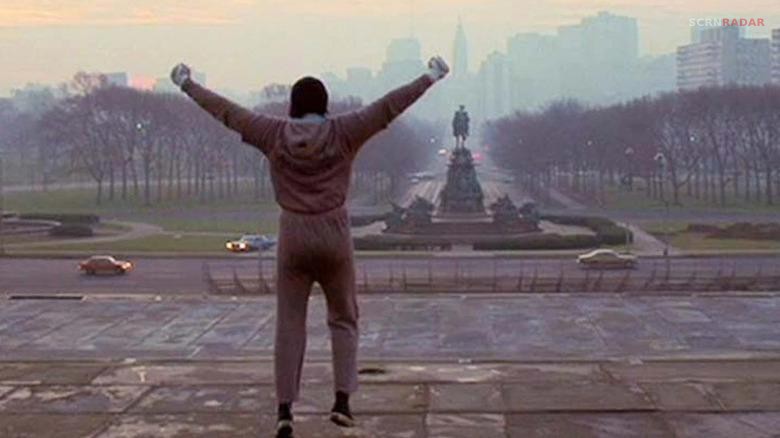
Rocky became one of the most successful film franchises ever created. The original film won three Academy Awards, including Best Picture, and launched a franchise that continues through the Creed series. Rocky Balboa remains one of cinema’s most recognizable characters.
Meanwhile, Chuck Wepner’s story has gained greater recognition over the years. Several documentaries and films have explored his life and highlighted his role in inspiring Rocky. Even people unfamiliar with boxing history often discover Wepner’s story because of its connection to Stallone’s famous movie.
In a sense, both men benefited from the connection. Wepner’s incredible fight helped inspire a classic film, while Rocky introduced millions of people to the kind of underdog spirit that Wepner represented in real life.
Rocky is not based on a true story, but it was undeniably inspired by one. The fictional character of Rocky Balboa was created by Sylvester Stallone, yet the movie owes much of its foundation to Chuck Wepner’s remarkable 1975 fight against Muhammad Ali. That unlikely championship bout showed how an overlooked fighter could capture the world’s attention simply by refusing to quit.
At the same time, Rocky was shaped by influences from Joe Frazier, Rocky Marciano, Jake LaMotta, and Stallone’s own struggles as an aspiring actor. The result was not a biography but a fictional story built from real emotions, real experiences, and real boxing history.
That blend of fact and fiction is exactly why Rocky continues to resonate nearly fifty years after its release. It may not be a true story, but its message about perseverance, resilience, and chasing impossible dreams feels true to life.