Hitori no Shita: The Outcast has always been defined by two core strengths. Intricate martial arts rooted in Chinese philosophy and a character-driven narrative filled with mystery and emotional weight. With the arrival of its game adaptation, often associated with projects like “The Hidden Ones,” expectations were understandably high.
On paper, the game delivers exactly what fans have long wanted. Fluid combat, dynamic movement, and stylized martial arts sequences that feel ripped straight from the anime’s best moments. However, while the gameplay captures the physical essence of the series, it struggles to replicate the emotional and narrative depth that made the anime so compelling.
This creates a fascinating contradiction. The game excels where the anime sometimes faltered, but stumbles in the very areas where the original story shined the most. Let’s break down why this adaptation feels both impressive and incomplete.
Martial Arts Combat Is the Game’s Biggest Strength
The defining highlight of the game is its combat system, which perfectly captures the spirit of Hitori no Shita’s martial arts philosophy. The series itself revolves around “Outsiders,” individuals capable of manipulating Qi to perform superhuman feats. The game translates this concept into a highly engaging combat loop that feels both responsive and visually striking.
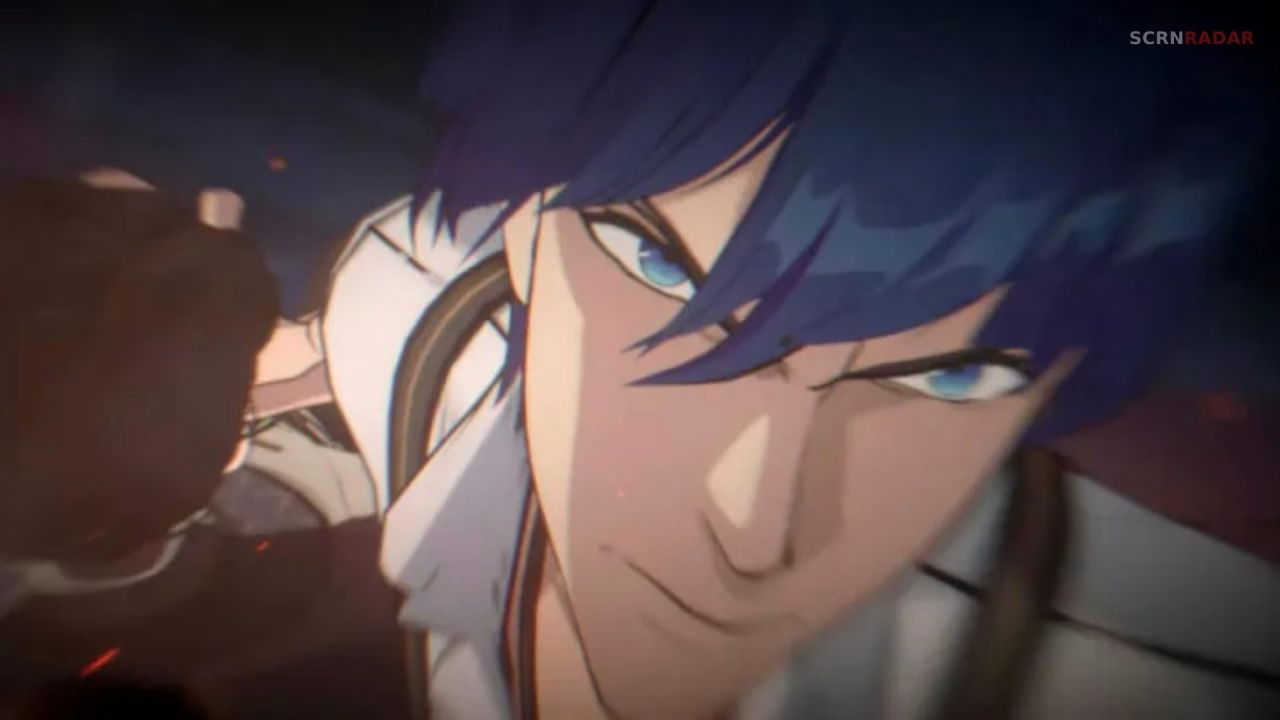
Every move carries weight. Attacks flow seamlessly into combos, dodges feel precise, and the use of supernatural abilities enhances the spectacle without overwhelming the core mechanics. The animations are especially impressive, showcasing fluid transitions that make each fight feel cinematic. Early impressions of the game’s pre-alpha version even highlight its “fluid animations and dynamic combat,” suggesting a strong foundation for gameplay.
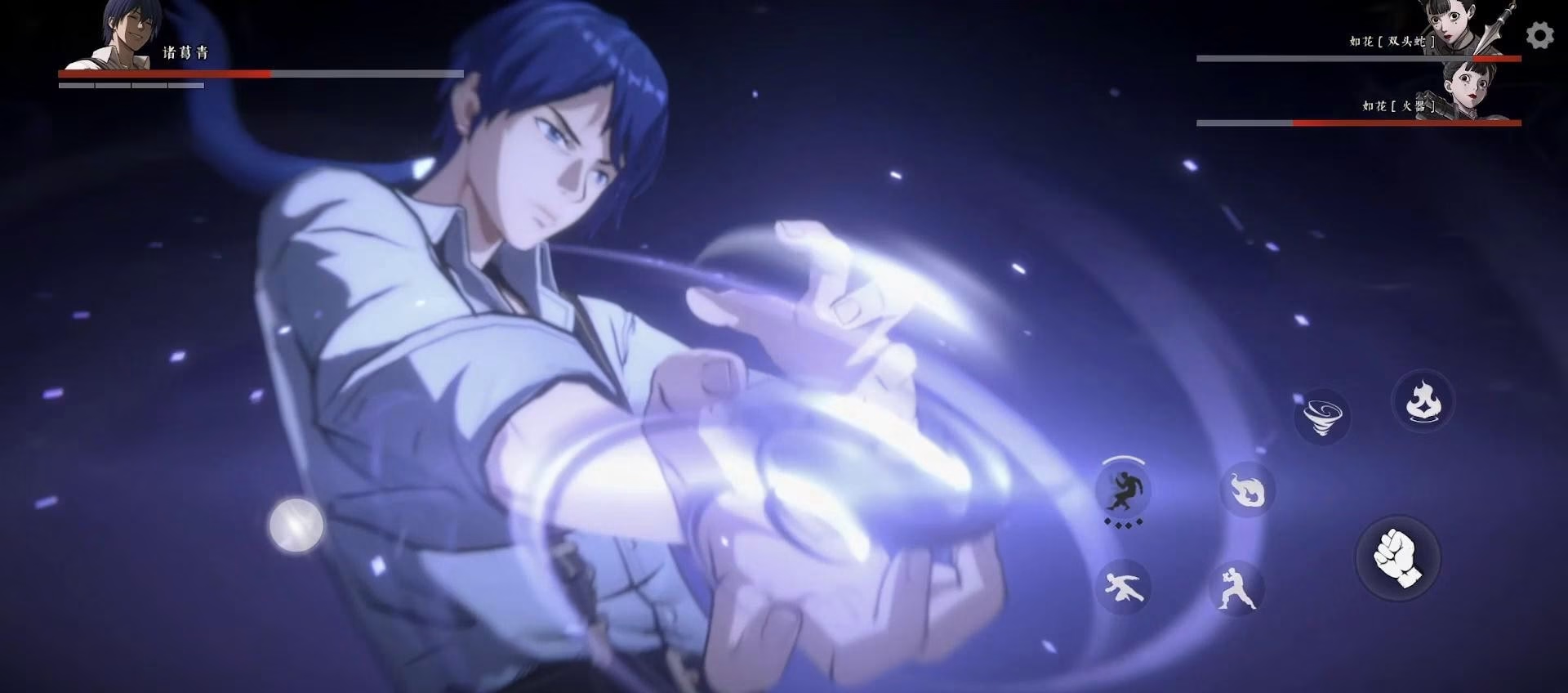
What makes the combat stand out is its accessibility. It is easy to pick up but offers enough depth for players who want to master timing, positioning, and combo optimization. This balance ensures that both casual players and hardcore fans can enjoy the experience.
In many ways, the game succeeds in delivering what fans imagined while watching the anime’s best fight scenes. It transforms those moments into something interactive, allowing players to experience the intensity firsthand.
Faithful Visual Style and Character Design
Another area where the game excels is its visual presentation. The character designs remain faithful to the anime, preserving the distinct aesthetic that blends modern settings with traditional martial arts elements.
From character outfits to environmental design, there is a clear effort to maintain authenticity. The animations, in particular, mirror the exaggerated yet grounded movements seen in the anime. This consistency helps bridge the gap between the source material and the game.
The attention to detail extends to how abilities are represented. Qi-based techniques are visually distinct, reinforcing the idea that each character has a unique fighting style. This aligns with the anime’s approach, where different martial arts disciplines and abilities define each character’s identity.
However, while the visuals are impressive, they cannot fully compensate for the game’s shortcomings in storytelling. They enhance immersion, but they do not deepen it.
Where the Game Falls Short: Storytelling and Emotional Depth
This is where the biggest issue lies. While the anime is known for its complex narrative and character-driven storytelling, the game struggles to replicate that depth.
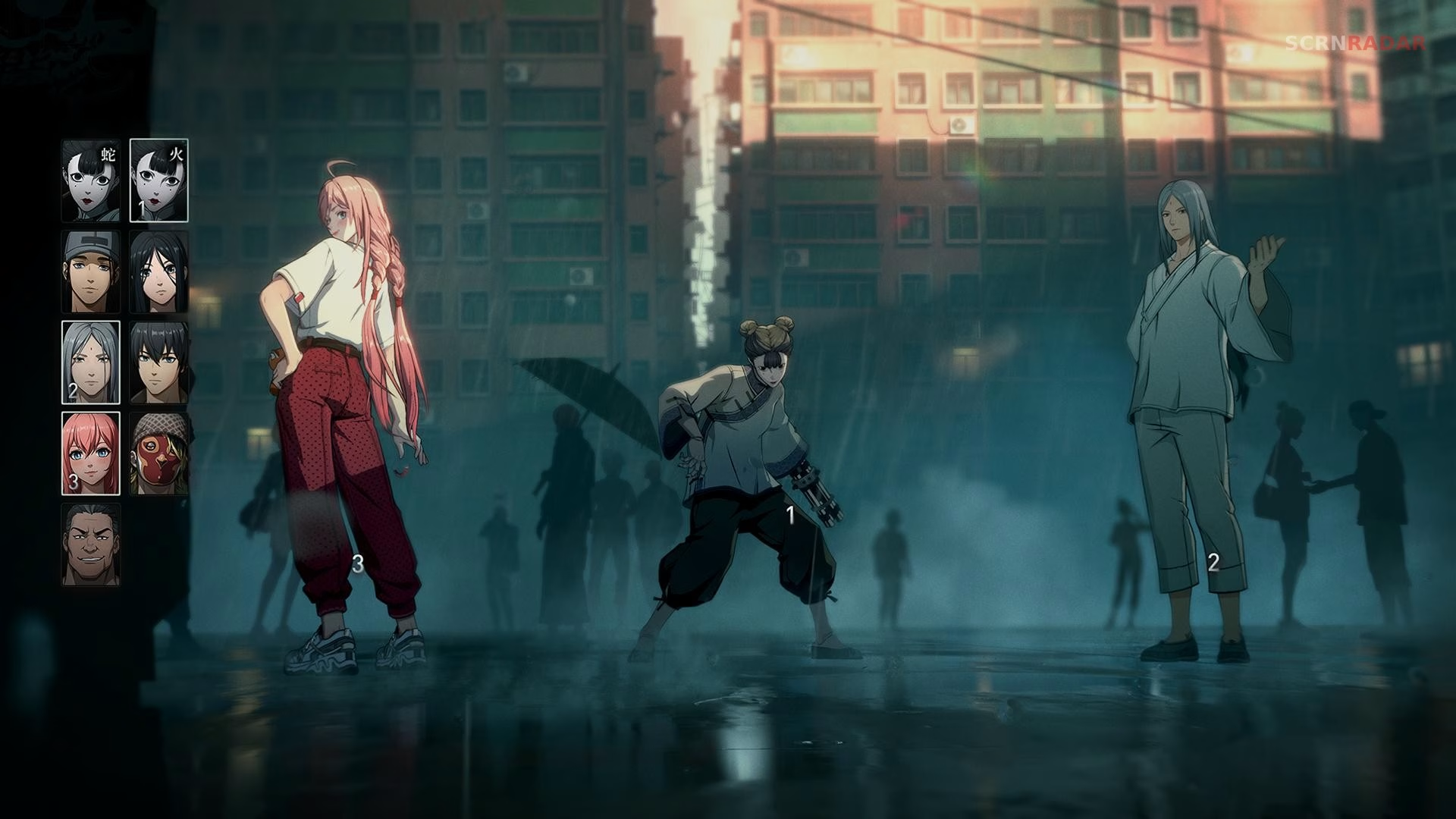
The original story follows characters like Cho Soran as they uncover hidden truths about their past and navigate a world filled with secret organizations and supernatural threats . This layered narrative is a major part of what makes Hitori no Shita stand out.
In contrast, the game’s storytelling feels stripped down. Plot progression often takes a backseat to gameplay, resulting in a narrative that lacks emotional impact. Characters feel more like playable units than fully realized individuals, and their motivations are not explored in meaningful ways.
This is particularly noticeable when compared to the anime, which is praised for its intricate plot lines and engaging character dynamics, even if it occasionally suffers from pacing issues . The game removes much of that complexity, leaving behind a more surface-level experience.
For fans of the original series, this can be disappointing. The combat may capture the physicality of the world, but the lack of narrative depth makes it feel incomplete.
The Missing Emotional Core That Defined the Anime
One of the defining traits of Hitori no Shita is its emotional core. The relationships between characters, the slow unraveling of mysteries, and the personal struggles faced by the protagonists all contribute to its appeal.
The game, however, struggles to recreate this aspect. Without strong character development or meaningful interactions, it lacks the emotional resonance that made the anime memorable.
This issue is not entirely surprising. Translating a narrative-heavy series into a gameplay-focused format is inherently challenging. However, the absence of this emotional layer is still noticeable.
Even the anime itself faced criticism for pacing and dialogue-heavy moments, with some viewers noting that excessive exposition could slow down the story . Ironically, the game swings too far in the opposite direction, prioritizing action at the expense of narrative depth.
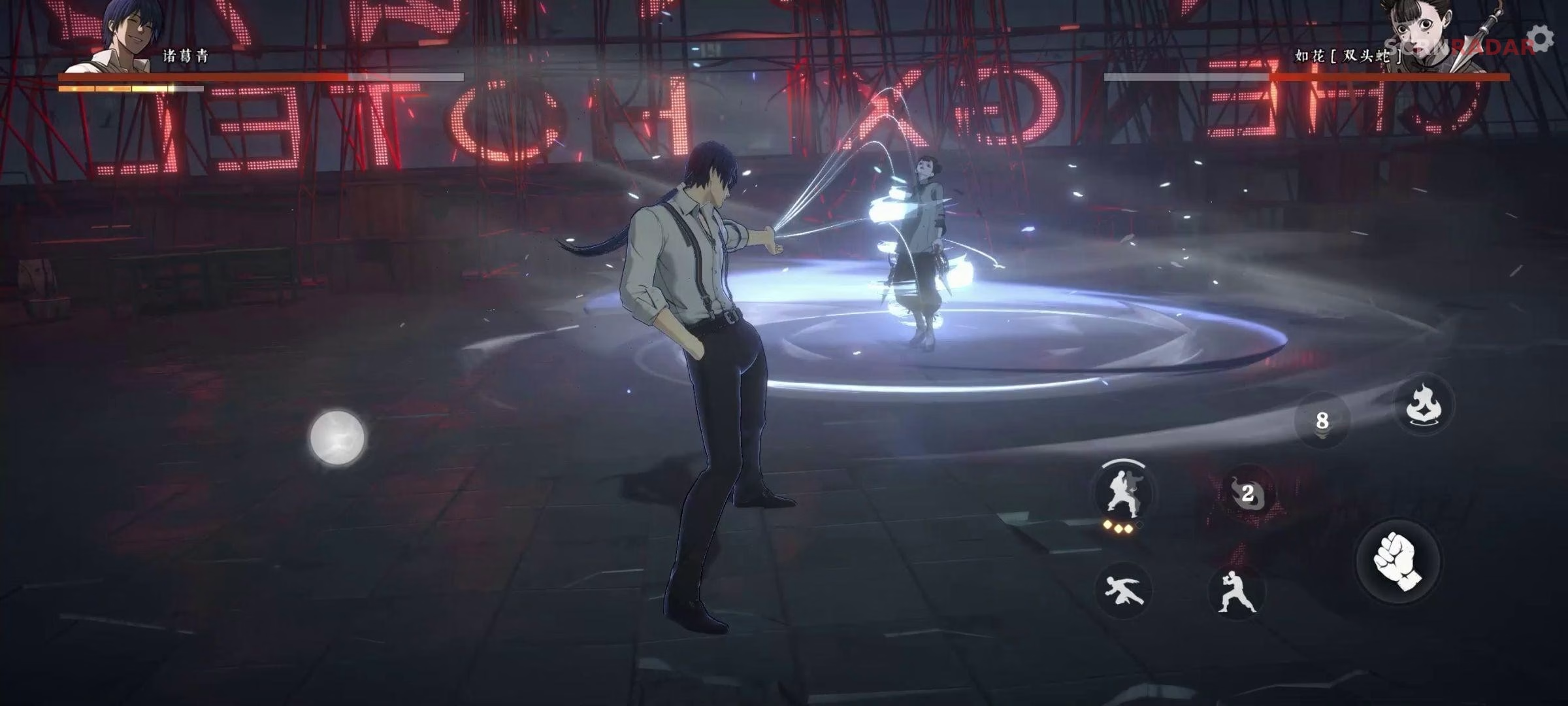
The result is an experience that feels visually and mechanically impressive but emotionally distant.
Gameplay Variety and Long-Term Engagement
Beyond combat, the game offers a range of modes, including story missions, challenges, and potential PvP elements. Early reports suggest a mix of single-player content and competitive gameplay, which adds replay value .
However, the long-term appeal depends heavily on how these systems are expanded. While the core combat is strong, repetition can become an issue if the game does not introduce enough variety in missions and progression.
Character diversity helps mitigate this to some extent. Different playstyles encourage experimentation, keeping the gameplay fresh for longer periods. Still, without a compelling narrative to tie everything together, the experience risks feeling repetitive over time.
A Strong Foundation That Needs Narrative Depth
Despite its shortcomings, the game is far from a failure. In fact, it lays a strong foundation that could evolve into something truly special.
The combat system is already one of its biggest strengths, and the visual fidelity ensures that it remains engaging. With further updates or expansions, there is potential to improve the storytelling and deepen the overall experience.
If the developers can find a way to integrate more narrative elements without disrupting the gameplay flow, the game could achieve a balance that matches the anime’s strengths.
Hitori no Shita: The Outcast’s game adaptation is a fascinating case of strengths and weaknesses balancing each other out. It excels in delivering dynamic, visually stunning martial arts combat that feels true to the source material. At the same time, it struggles to capture the emotional depth and storytelling complexity that defined the anime.
For fans who prioritize gameplay, this is an easy recommendation. The combat alone makes it worth experiencing. However, for those who fell in love with the anime’s characters and narrative, the game may feel lacking.
Ultimately, this is a promising adaptation that gets the action right but still has work to do in capturing the soul of Hitori no Shita.