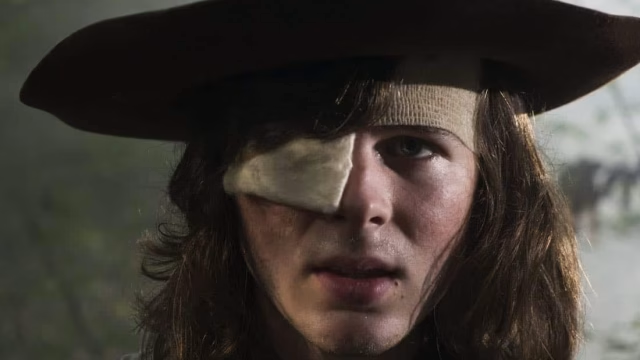
High Plains Drifter remains one of Clint Eastwood’s most visually striking westerns, blending revenge, mystery, and supernatural undertones into a darker take on the genre. Directed by and starring Clint Eastwood, the 1973 film follows a mysterious stranger arriving in the corrupt mining town of Lago. While the story itself became iconic, the movie’s haunting landscapes played an equally important role in shaping its eerie atmosphere.
Unlike traditional westerns filmed on familiar studio backlots, High Plains Drifter used remote outdoor locations across California and Nevada to create its isolated frontier setting. Eastwood specifically wanted barren terrain that looked unsettling and almost ghostlike. From the shores of Mono Lake to desert dry beds in Nevada, the production locations became central to the movie’s identity. Here’s a complete breakdown of where High Plains Drifter was filmed and why those locations still fascinate western fans today.
Mono Lake Was the Main Filming Location
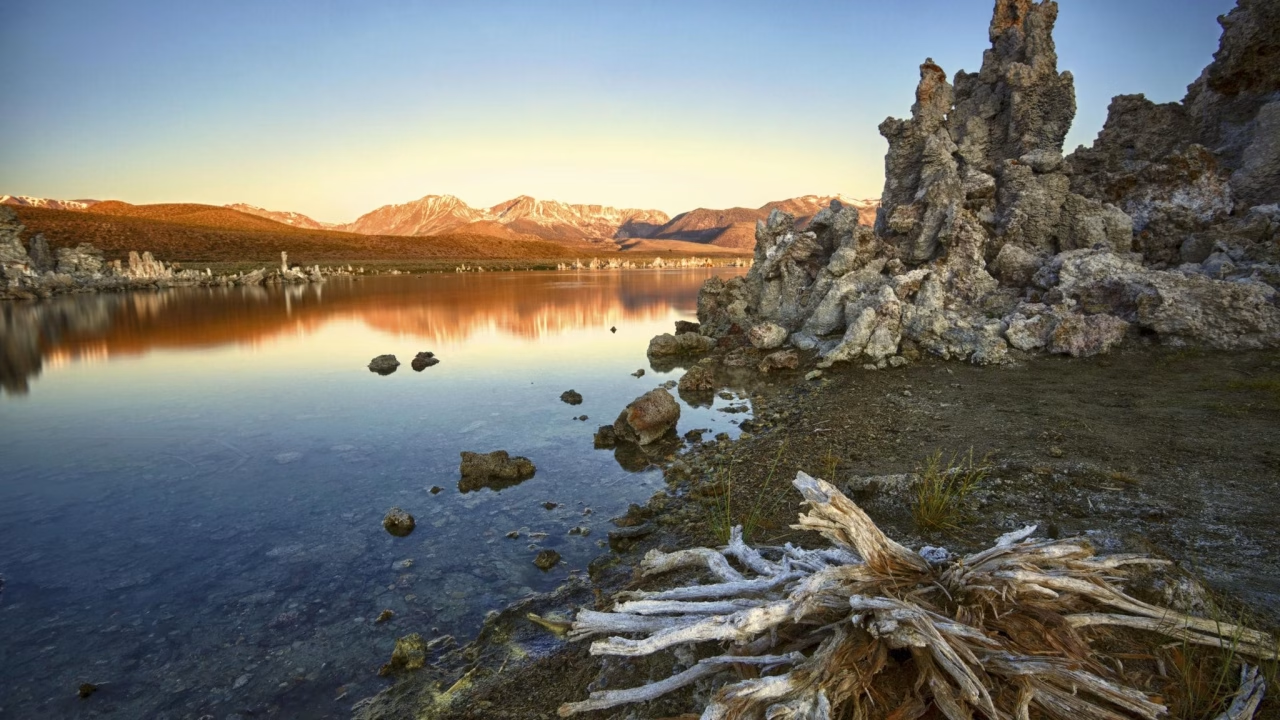
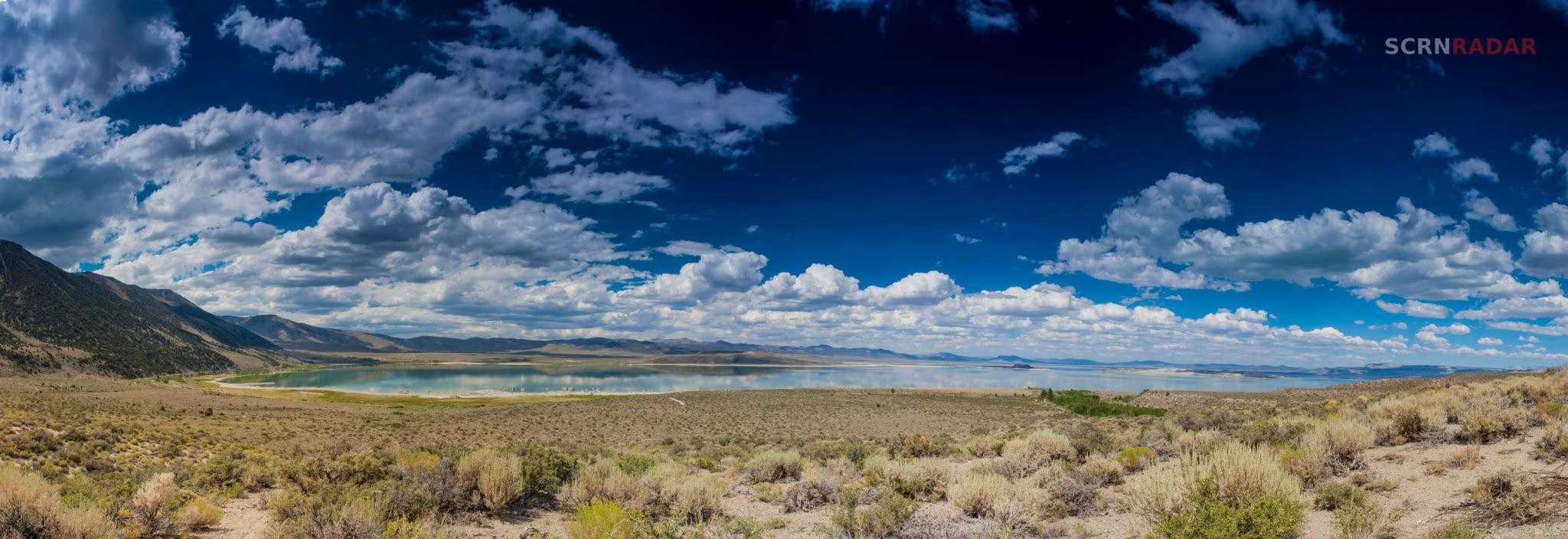
The majority of High Plains Drifter was filmed on the southern shores of Mono Lake in Mono County, California. Clint Eastwood personally scouted locations across Oregon, Nevada, and California before choosing Mono Lake because he considered it “highly photogenic.”
The production built the entire fictional town of Lago directly beside the lake rather than using an existing western set. According to production reports, more than 50 workers constructed 14 buildings, including a church, hotel, saloon, and storefronts, in just 18 days. Unlike many western sets made with simple facades, these were complete buildings with finished interiors so Eastwood could film indoor scenes on location.
Mono Lake’s unusual environment became one of the movie’s defining visual elements. The lake’s barren shoreline, strange rock formations, and isolated desert atmosphere gave the film a dreamlike and almost supernatural appearance. Critics and film historians have often noted that the location made Lago feel less like a traditional western town and more like a haunted purgatory.
The town itself no longer exists today because the production dismantled the set after filming wrapped. However, the shoreline near Mono Lake still attracts movie fans hoping to visit the area where Lago once stood.
The Construction of Lago Became Part of Film History
One reason the Mono Lake location remains so famous is because Eastwood chose to build Lago entirely from scratch instead of filming at a traditional western studio lot. Universal Pictures originally wanted the movie filmed on its backlot, but Eastwood insisted on real outdoor locations.
The decision dramatically changed the visual tone of the film. By building Lago beside an actual lake in open wilderness, Eastwood created a setting that felt isolated from civilization. The surrounding mountains and empty desert added to the movie’s unsettling atmosphere and reinforced the story’s themes of guilt and revenge.
The production also famously painted parts of the town bright red during key scenes, enhancing the movie’s surreal quality. Since the buildings were fully functional structures rather than temporary fronts, the town felt physically real to both actors and viewers.
Eastwood later burned sections of the set during filming, contributing to the movie’s memorable climax. The destruction of Lago became one of the most visually striking sequences in Eastwood’s early directing career.
Winnemucca Lake in Nevada Added Desert Sequences
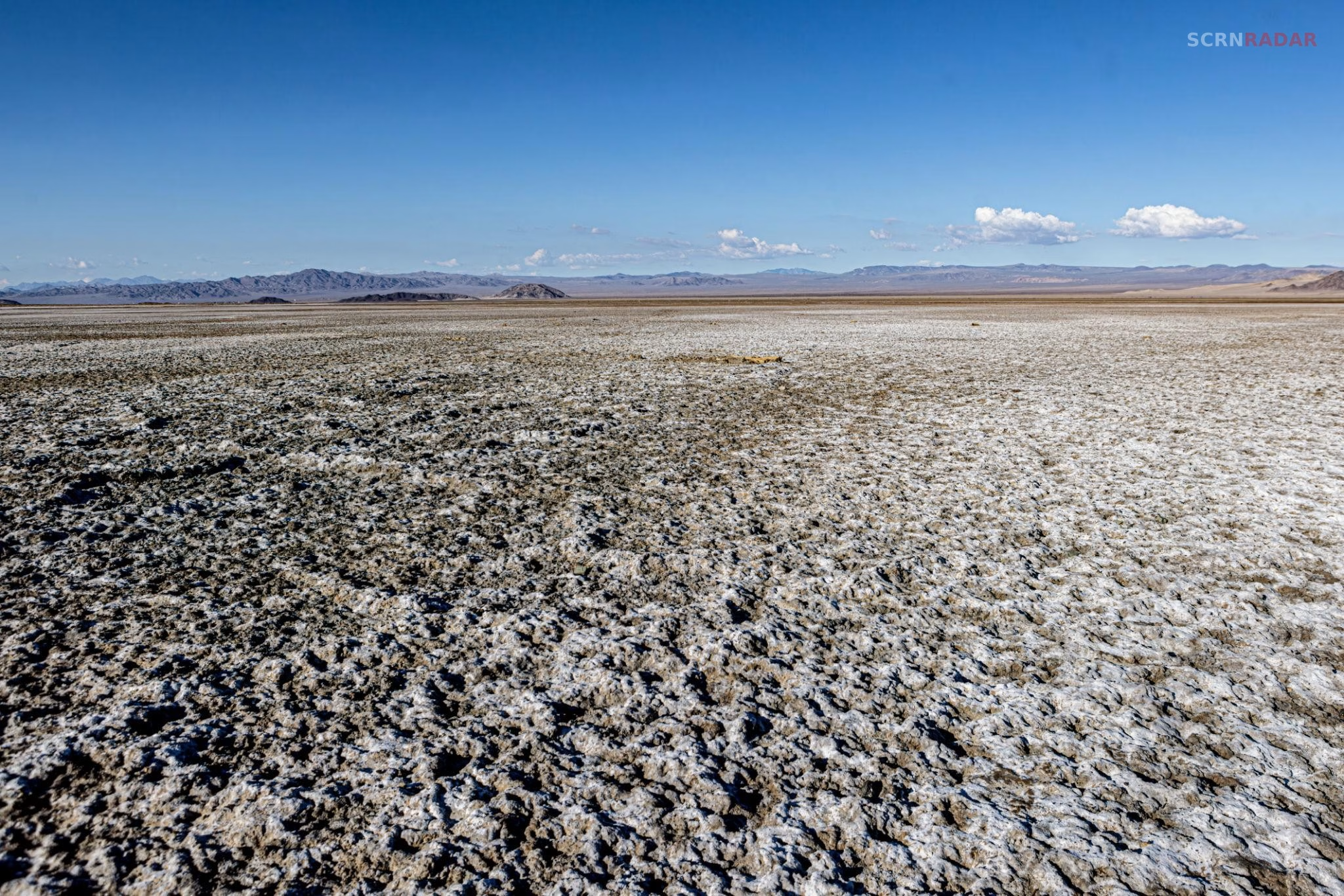
Additional scenes were filmed at Winnemucca Lake in Nevada, also referred to in production records as Winnemucca Dry Lake. The location provided flat desert terrain and empty landscapes used for travel and exterior sequences throughout the film.
The Nevada location complemented Mono Lake’s eerie environment while adding more traditional western desert imagery. Dry lake beds and open terrain allowed Eastwood to stage horseback scenes and wide terrain shots emphasizing isolation and vulnerability.
These desert environments also contrasted with the crowded town scenes in Lago. Whenever characters left town, the surrounding emptiness reinforced the idea that there was nowhere safe to escape the stranger’s influence.
The combination of California and Nevada landscapes helped High Plains Drifter avoid looking visually repetitive. Instead of relying on one single terrain type, the production mixed lakeside scenery, rocky mountains, and open desert plains.
Inyo National Forest Expanded the Film’s Wilderness Feel
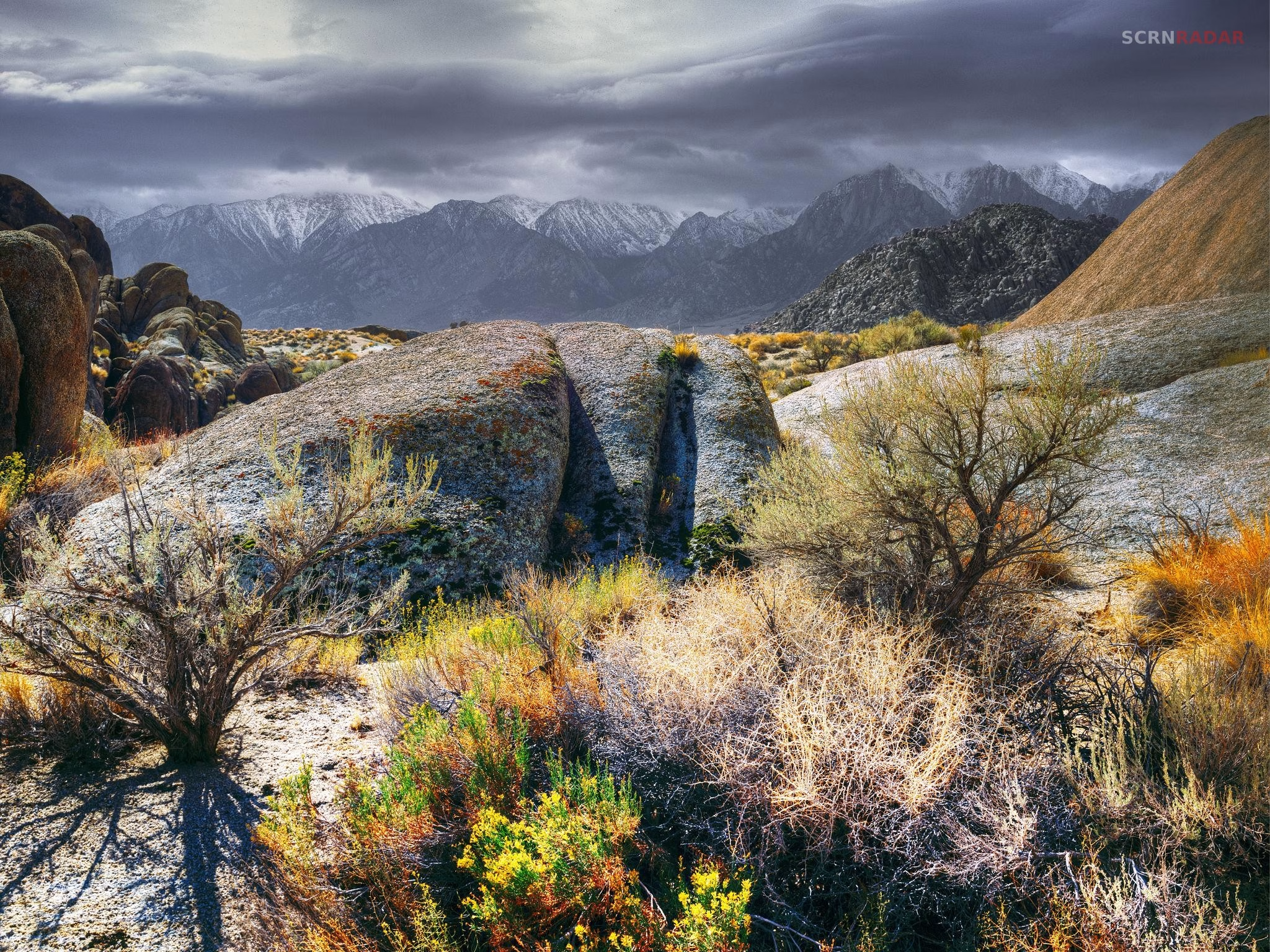
The production also filmed portions of the movie in Inyo National Forest in eastern California. IMDb production records and film-location reports specifically list the forest among the movie’s shooting sites.
Inyo National Forest offered rugged mountain landscapes that expanded the visual scale of the film beyond Mono Lake itself. The region includes rocky terrain, desert foothills, and Sierra Nevada mountain views that appear in several outdoor sequences.
These locations strengthened the movie’s lonely and hostile atmosphere. Unlike more romanticized westerns with lively frontier towns and green valleys, High Plains Drifter intentionally used harsh environments that reflected the moral corruption of Lago’s residents.
The Sierra Nevada Mountains visible in the background of many scenes also helped give the movie a more cinematic scope. Their towering presence contrasted with the tiny isolated town beside Mono Lake.
Universal Studios Was Used for Limited Studio Work
Although Eastwood preferred practical outdoor filming, some additional scenes and technical production work were completed at Universal Studios Hollywood in California. IMDb production records list Universal Studios among the movie’s filming sites.
These studio sequences were primarily used for controlled interior setups and production support that could not easily be achieved in remote desert conditions. However, the overwhelming majority of the film was still shot outdoors on practical locations.
Eastwood’s commitment to real environments was unusual for western filmmaking at the time. Many westerns during the late 1960s and early 1970s increasingly relied on studio work or existing backlot towns. High Plains Drifter instead embraced remote natural scenery to create a more immersive atmosphere.
This decision became one of the reasons the movie stood apart from more traditional westerns of the era. The realistic locations gave the story a raw and unsettling visual identity that matched its darker themes.
The production also demonstrated Eastwood’s growing confidence as a director. By rejecting studio lots and building an entire town in the wilderness, he established a visual style that would influence several later westerns in his career.
Today, Mono Lake continues attracting western fans, photographers, and movie tourists interested in the legacy of High Plains Drifter. Even though Lago itself disappeared decades ago, the surrounding landscapes remain instantly recognizable from the film.