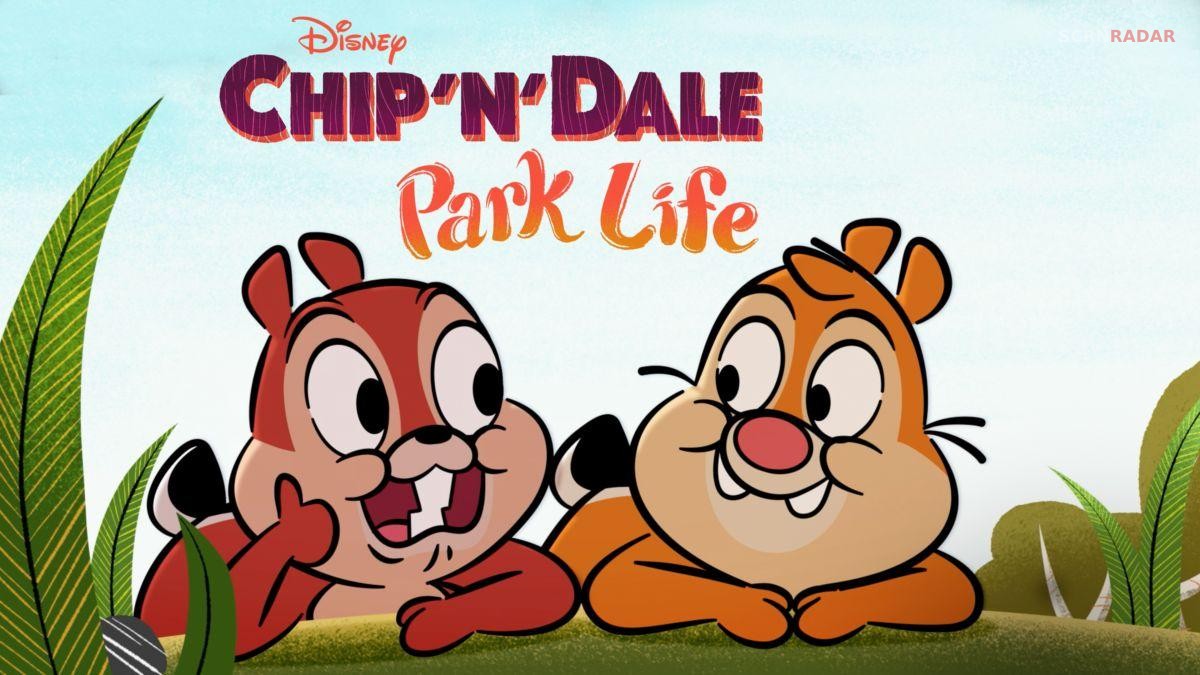
For decades, Chip and Dale have been among Disney’s most recognizable animated characters. The mischievous chipmunks first appeared in classic Disney shorts and later became stars of popular television series. In 2021, Disney introduced a new take on the duo with Chip ‘n’ Dale: Park Life, a comedy series that brings the beloved characters into a modern setting while embracing the timeless appeal of visual storytelling.
Unlike many recent reboots that rely heavily on nostalgia, Chip ‘n’ Dale: Park Life takes a different approach. The series strips away traditional dialogue and focuses on expressive animation, slapstick humor, and simple but entertaining stories. Produced by Xilam Animation for Disney+, the show follows the daily adventures of Chip and Dale as they attempt to survive, thrive, and collect acorns in a sprawling city park. The result is a family-friendly comedy that appeals to both younger viewers and longtime Disney fans.
What Is Chip ‘n Dale: Park Life About?
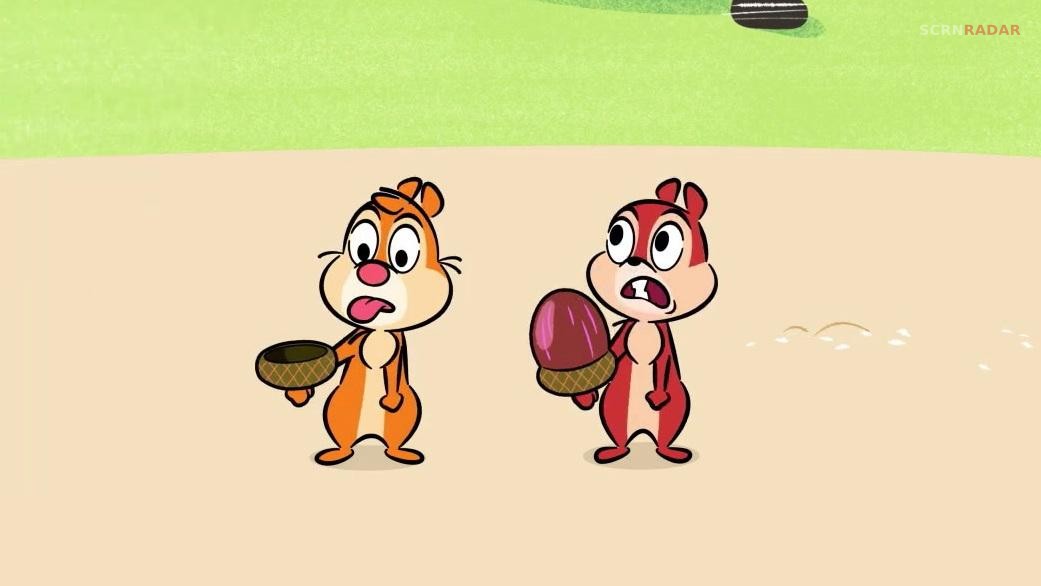
At its core, Chip ‘n Dale: Park Life is about two tiny troublemakers trying to enjoy life in a massive urban park while constantly finding themselves in ridiculous situations. Chip is cautious, organized, and prone to overthinking every problem. Dale is carefree, impulsive, and often creates the very chaos that drives the stories forward. Their contrasting personalities make them an ideal comedy duo.
The series follows the pair as they search for food, avoid danger, compete with rivals, and navigate the challenges of sharing a small living space. Even the simplest tasks often escalate into elaborate adventures filled with misunderstandings and slapstick mishaps.
Unlike serialized animated shows, Park Life uses standalone stories. This allows viewers to jump into almost any episode without needing extensive background knowledge. The focus remains firmly on comedy, visual gags, and the friendship between the two chipmunks.
A Modern Reimagining of Classic Disney Characters
One of the most interesting aspects of Chip ‘n Dale: Park Life is how it updates the characters while staying true to their original identities. Disney and Xilam Animation retained the core traits that made Chip and Dale popular for generations.
Chip remains the responsible planner who wants everything to go smoothly. Dale continues to be the carefree dreamer whose actions often create unexpected complications. This dynamic has existed since their earliest appearances and remains the driving force behind the show’s humor.
The series also presents the chipmunks in a semi-animal form rather than heavily anthropomorphized versions. They live among animals and humans in a park environment, creating a visual style that feels closer to Disney’s classic animated shorts.
This balance between nostalgia and modernization helps the show feel familiar while still offering something new.
Why the Series Has No Traditional Dialogue
Perhaps the biggest surprise for viewers is the show’s largely non-verbal format. Unlike many animated series, Chip ‘n Dale: Park Life relies on visual storytelling, character expressions, sound effects, and music rather than spoken conversations.
This creative decision was inspired in part by Xilam Animation’s experience producing successful non-verbal animated programs. The approach allows the comedy to transcend language barriers and makes the show accessible to audiences around the world.
Instead of lengthy dialogue scenes, the series communicates emotions and intentions through exaggerated reactions and physical comedy. Viewers can easily understand what is happening because the storytelling is visual first.
The result feels reminiscent of classic cartoons featuring characters like Tom and Jerry, where action and timing carry the narrative more than words.
The Setting: Life in a Giant City Park
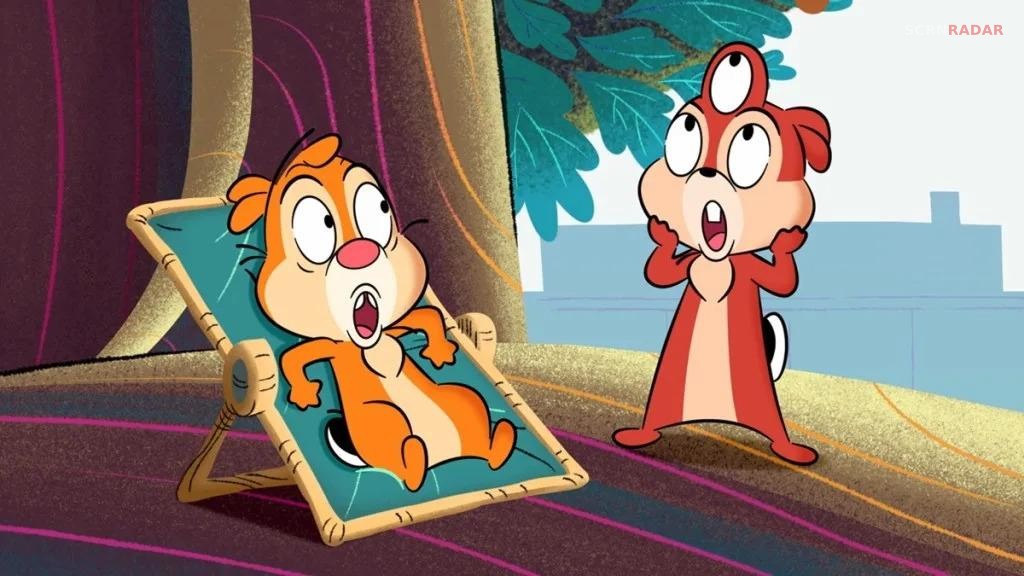
The park itself is one of the show’s most important elements. It functions almost like a living character, constantly presenting new challenges and opportunities for Chip and Dale.
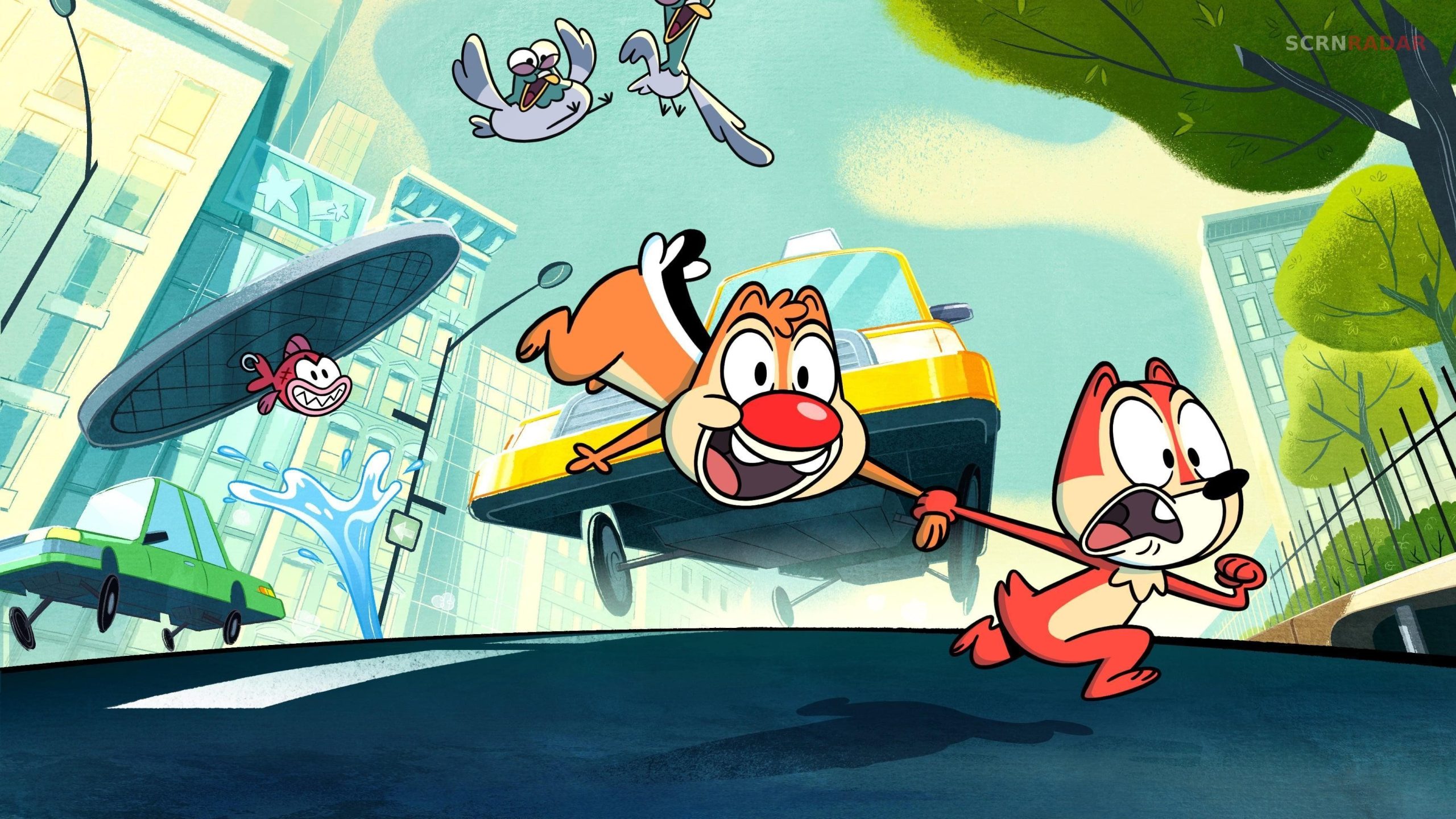
From crowded picnic areas to hidden tree homes, the environment offers endless possibilities for adventure. Everyday objects become enormous obstacles when viewed from the perspective of two small chipmunks. A discarded soda cup can become a vehicle, while a playground can transform into an obstacle course.
This miniature perspective helps distinguish the show from many other Disney animated projects. It allows ordinary locations to feel exciting and unpredictable.
The urban park setting also creates opportunities for encounters with both wildlife and familiar Disney characters.
Familiar Disney Characters Join the Fun
While Chip and Dale are the stars, they are not alone. The series includes appearances from several recognizable Disney characters, adding variety to the adventures.
One of the most prominent recurring characters is Pluto. Pluto’s interactions with the chipmunks often generate some of the show’s funniest moments, as misunderstandings and chases quickly spiral out of control.
Other familiar faces include Donald Duck and Butch. These appearances connect the series to Disney’s broader animated universe while maintaining focus on Chip and Dale’s adventures.
Importantly, these guest characters support the main story rather than overshadow it. The series remains centered on the friendship and rivalry between the two chipmunks.
The Animation Style That Makes Park Life Unique
Visually, Chip ‘n Dale: Park Life stands apart from many modern animated shows. Instead of pursuing photorealism or complex 3D animation, the series embraces a colorful 2D style inspired by traditional cartoons.
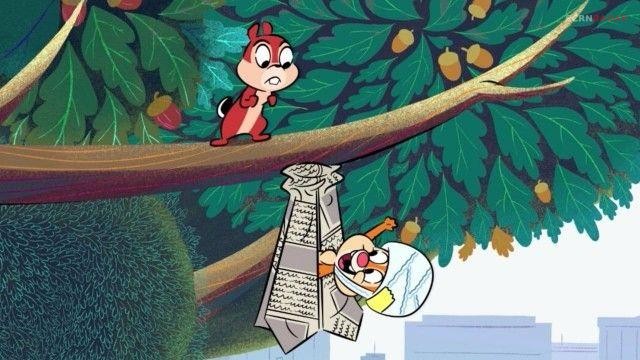
The animation emphasizes expressive character movement and exaggerated reactions. This is essential because the show relies heavily on visual storytelling. Every facial expression and physical action must communicate information that dialogue would normally convey.
The backgrounds are detailed and vibrant, helping the park feel alive and dynamic. At the same time, the character designs remain simple enough to support fast-paced comedic sequences.
Many critics praised the show’s visual presentation, highlighting it as one of the strongest aspects of the series.
The Humor and Comedy Style
The comedy in Chip ‘n Dale: Park Life is heavily influenced by classic slapstick animation. Falls, chases, misunderstandings, and exaggerated reactions form the foundation of many episodes.
Rather than relying on verbal jokes, the humor emerges from situations and character interactions. Chip’s attempts to maintain order are frequently disrupted by Dale’s impulsive decisions, creating a constant cycle of chaos and recovery.
This style makes the show particularly accessible to younger audiences. Children can enjoy the physical comedy without needing to understand complex dialogue or cultural references.
At the same time, adults may appreciate the nostalgic connection to older cartoon traditions. The series deliberately echoes the comedic structure of classic animated shorts.
Themes of Friendship and Teamwork
Beneath the slapstick comedy, Chip ‘n Dale: Park Life consistently emphasizes friendship. Chip and Dale may argue, compete, and frustrate each other, but their bond remains at the center of every story.
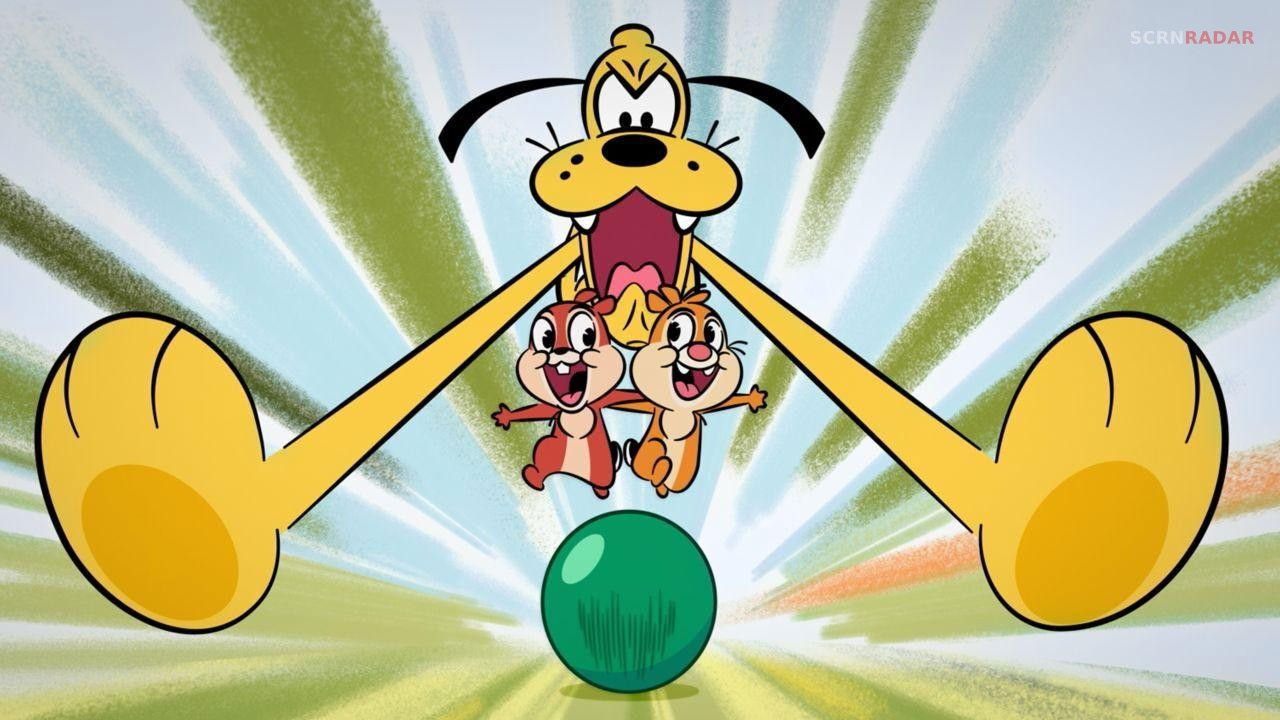
Their relationship reflects the classic “odd couple” formula. Chip’s cautious nature balances Dale’s impulsiveness, while Dale’s spontaneity prevents Chip from becoming too rigid. Together, they accomplish things neither could achieve alone.
The show frequently demonstrates the value of cooperation, compromise, and loyalty. Even after their biggest disagreements, the two characters ultimately work together to overcome obstacles.
These positive messages help give the series substance beyond its comedy.
How the Episodes Are Structured
Each episode of Chip ‘n Dale: Park Life is divided into three shorter segments, typically lasting around seven minutes each. This format keeps the pacing quick and energetic.
Short stories allow the writers to explore multiple ideas within a single episode. One segment might focus on acquiring acorns, while another centers on avoiding an angry animal or helping a friend.
This structure is particularly effective for younger viewers with shorter attention spans. It also aligns with the show’s roots in classic animated shorts.
Because each story is self-contained, the series remains highly rewatchable.
Critical Reception and Audience Response
Upon release, Chip ‘n Dale: Park Life received generally positive reviews. Critics praised its animation, visual creativity, and commitment to classic cartoon comedy. IGN described it as a refreshing reinterpretation of the famous chipmunks and awarded it a strong score.
Reviewers also highlighted the show’s accessibility and family-friendly appeal. The absence of dialogue allowed audiences from different backgrounds to enjoy the series without barriers.
Some criticism focused on the simplicity of the stories. Certain reviewers felt the narratives occasionally lacked depth or complexity compared to modern animated series. However, supporters argued that simplicity was part of the show’s charm.
The positive reception ultimately helped the series secure additional episodes and a second season.
Who Should Watch Chip ‘n Dale: Park Life?
The series is primarily aimed at children and families, but it also appeals to longtime Disney fans. Younger viewers can enjoy the colorful visuals and physical comedy, while adults may appreciate the nostalgic connection to classic Disney animation.
Parents looking for lighthearted entertainment will find the show easy to watch together with children. The non-verbal format also makes it accessible to a wide range of age groups.
Fans of traditional slapstick cartoons are especially likely to enjoy the series. Its emphasis on visual humor makes it feel like a modern continuation of animation’s earliest storytelling traditions.
Chip ‘n Dale: Park Life is a charming reimagining of two classic Disney characters. Rather than reinventing Chip and Dale completely, the series focuses on what made them entertaining in the first place: their contrasting personalities, chaotic adventures, and enduring friendship.
The show’s colorful animation, dialogue-free storytelling, and fast-paced humor make it an accessible and enjoyable watch for audiences of all ages. While its simple plots may not satisfy viewers looking for deep serialized storytelling, that simplicity is also part of its appeal.
For families, Disney fans, and anyone who enjoys classic cartoon comedy, Chip ‘n Dale: Park Life offers a fun and modern take on a beloved duo. More than anything, it proves that great visual storytelling can still thrive in the streaming era.