
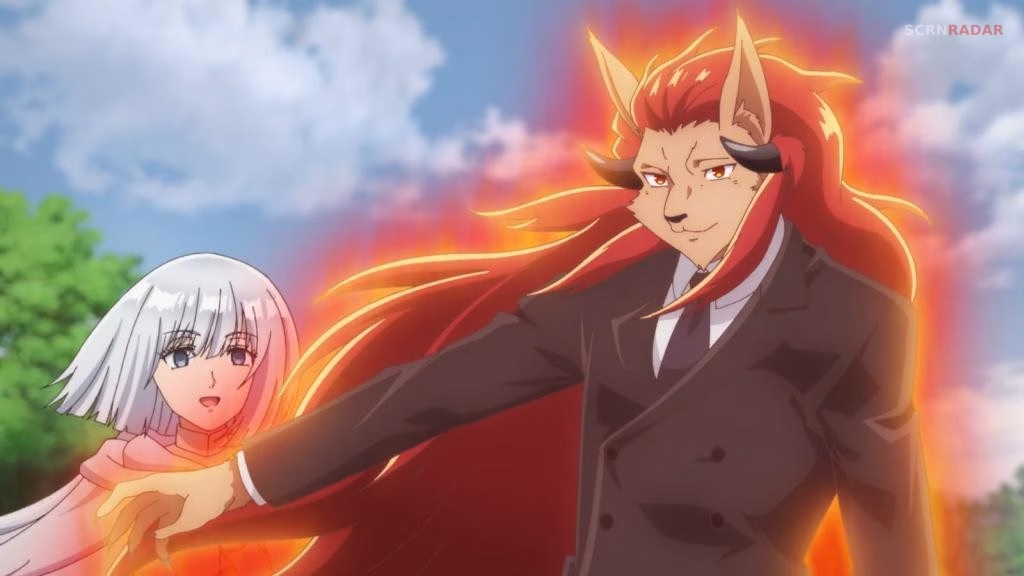
Episode 4 of The Tale of the Outcasts, titled “Snowbound Manor,” marks an important turning point for the series. After focusing heavily on Wisteria and Marbas’ emotional bond during the early episodes, the anime begins widening its world through political intrigue, noble family conflicts, and deeper exploration of the Sword Cross Knights. The episode introduces new dangers while also revealing that demons are more connected to society than viewers initially believed.
Rather than relying solely on action, Episode 4 succeeds through atmosphere and storytelling progression. The arrival at Blackbell Manor introduces important new characters and raises questions about the true motives of the Sword Cross Knights. While the episode has a few pacing and comedy issues, it still does an effective job of expanding the narrative. Here’s a full review of The Tale of the Outcasts Episode 4 and why “Snowbound Manor” becomes one of the series’ most important setup episodes.
Diana Blackbell Brings a New Emotional Dynamic
The biggest addition in Episode 4 is Diana Blackbell, a noblewoman who reconnects with Wisteria after their earlier meeting in the series. Diana immediately stands out because she mirrors Wisteria in several ways. Both characters live lonely lives shaped by society’s expectations, and both form meaningful emotional bonds with demons despite the dangers involved.
Diana’s relationship with the demon Naberius also gives viewers a new perspective on demon-human contracts. Unlike Wisteria’s partnership with Marbas, which formed through desperation and survival, Diana’s bond appears more socially accepted due to her noble status. This contrast subtly highlights the class divisions present throughout the anime’s world-building.
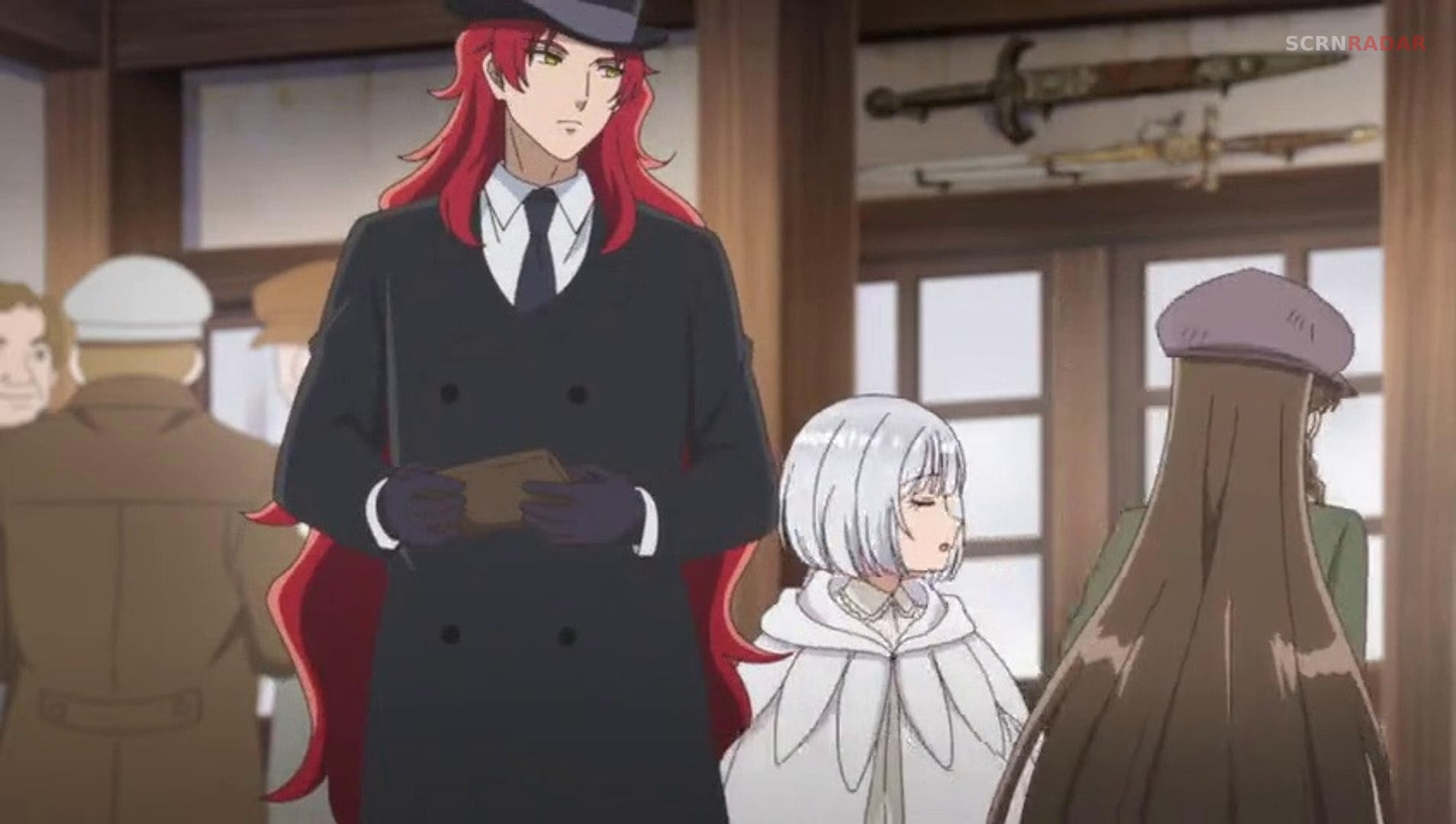
The emotional warmth between Wisteria and Diana also helps balance the darker tone of the episode. Their reunion provides several quieter moments that strengthen Wisteria’s development as someone slowly learning how to trust and connect with others again.
The Sword Cross Knights Become More Complex
Episode 4 significantly expands the role of the Sword Cross Knights, showing that the organization may not be as morally straightforward as it first appeared. Up to this point, the Knights mainly seemed focused on eliminating demons to protect humanity. However, “Snowbound Manor” reveals that politics and power also influence their actions.
The conflict involving the Blackbell family suggests that the Knights use demon contracts as justification for targeting political rivals. This revelation adds moral ambiguity to the organization and makes the story more layered. Instead of presenting a simple humans-versus-demons narrative, the anime explores how institutions manipulate fear for authority.
The mysterious armored commander especially stands out during the episode. His unnatural presence strongly hints that he may not be fully human himself, creating one of the anime’s most intriguing mysteries so far. The series smartly avoids revealing too much at once, allowing suspense to build naturally.
Marbas and Naberius’ Rivalry Is Hit-or-Miss
One weaker aspect of the episode is the comedic rivalry between Marbas and Naberius. The two demons constantly argue and insult each other throughout the episode, clearly intended to provide comic relief during the heavier political storyline. However, the humor sometimes feels repetitive and interrupts the pacing.
Some scenes work because they reveal the personalities of both demons, especially Marbas’ pride and Naberius’ arrogance. Their arguments also reinforce the idea that demons possess individual emotions and egos rather than functioning as generic monsters. Still, several exchanges go on longer than necessary and reduce the tension of important scenes.
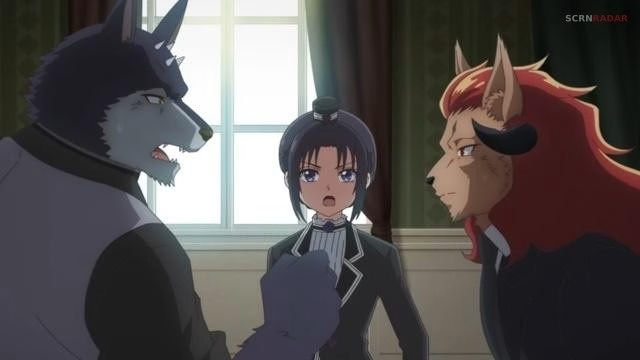
Fortunately, the episode never allows the comedy to completely derail the central narrative. The stronger emotional and political developments eventually regain focus, especially once the conflict with the Sword Cross Knights escalates.
Episode 4 Improves the Anime’s World-Building
The strongest part of “Snowbound Manor” is easily its world-building. Episode 4 reveals that demon contracts are not entirely hidden from society and that some noble families openly maintain relationships with demons when it benefits them politically. This creates a far more nuanced setting than earlier episodes suggested.
The anime also expands the lore surrounding the “Thirteen Plagues,” powerful demons connected to major historical conflicts. By introducing Naberius and hinting at larger political tensions, the series starts feeling much bigger in scope. It no longer focuses solely on Wisteria and Marbas wandering through isolated encounters.
This broader storytelling direction benefits the anime because it raises the stakes naturally. The growing conflict between noble families, demons, and the Sword Cross Knights suggests that much larger battles are coming later in the season.
The Action Stays Grounded but Effective
Episode 4 includes another combat sequence, though the anime continues avoiding flashy over-the-top battles common in many fantasy series. Instead, the action remains grounded and restrained, fitting the darker Victorian atmosphere of the show.
The fight choreography may not impress viewers looking for high-energy spectacle, but it serves the story effectively. The combat feels dangerous and personal rather than exaggerated, helping maintain the emotional tone established in previous episodes. This approach keeps the focus on character relationships and tension instead of pure visual spectacle.
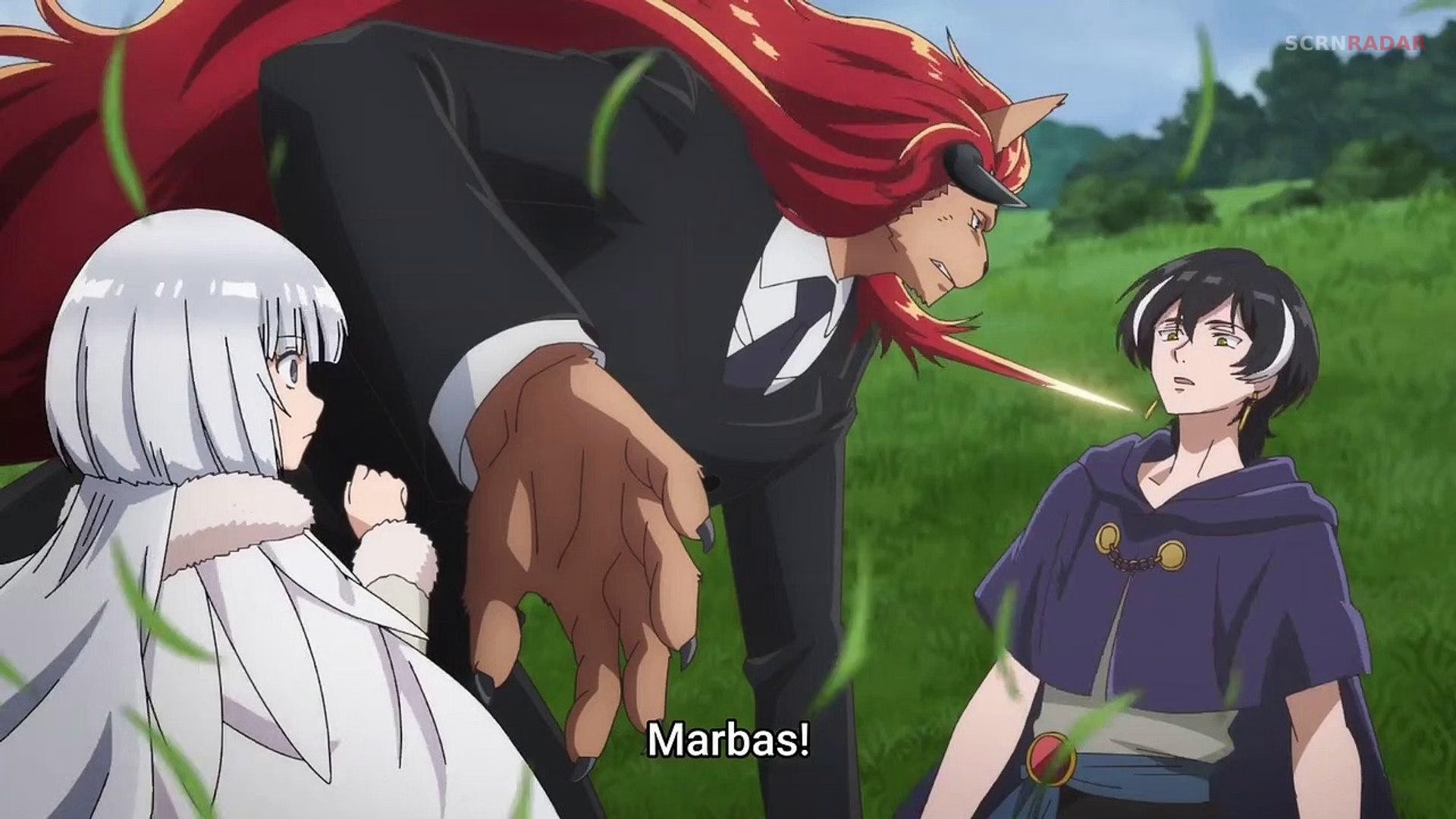
The grounded action style also helps reinforce the vulnerability of the human characters. Even with demons involved, battles feel risky and unpredictable, which increases suspense during confrontations.
Another notable strength of Episode 4 is how it carefully balances its tonal shift without losing the emotional core that defined earlier episodes. While the introduction of noble politics and organizational corruption expands the narrative scope, the story still remains grounded in Wisteria’s perspective. Her reactions to Diana’s lifestyle and the reality of socially accepted demon contracts subtly reinforce the themes of inequality and survival.
This contrast between privilege and hardship adds depth to the storytelling, making the world feel more lived-in. By anchoring these larger developments in character-driven moments, the episode ensures that its expanding plot remains emotionally engaging rather than overwhelming.
The Tale of the Outcasts Episode 4 succeeds because it meaningfully expands the anime’s world while continuing to strengthen its central emotional relationships. Diana Blackbell’s introduction adds warmth and depth to the story, while the Sword Cross Knights become significantly more interesting through the episode’s political revelations.
Although the comedic banter between Marbas and Naberius occasionally weakens the pacing, the episode’s strengths easily outweigh its flaws. The growing mystery surrounding the armored commander and the deeper exploration of demon contracts give the narrative far greater momentum moving forward.
“Snowbound Manor” ultimately works as a strong transitional episode that shifts the anime from a smaller character-focused fantasy into a larger political supernatural drama. If the series continues building on the questions and conflicts introduced here, the later episodes have the potential to become much more compelling.