
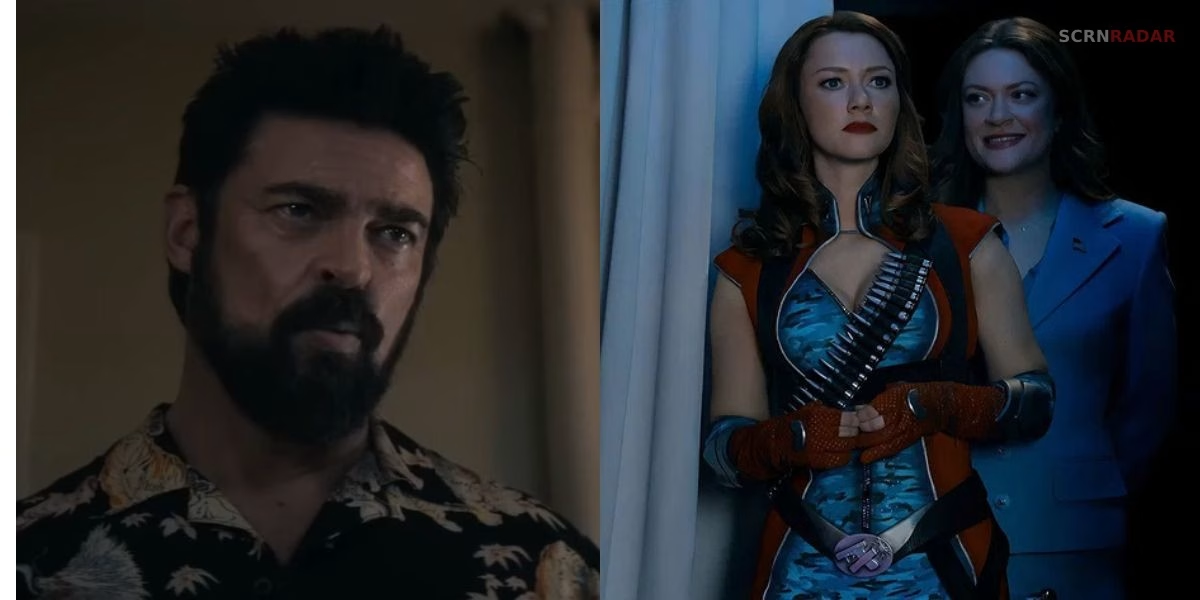
The fourth episode of The Boys Season 5 shifts the tone of the season into a more controlled and character-focused direction. Rather than continuing the rapid escalation seen in earlier episodes, Episode 4 slows the pace and concentrates on internal conflict, psychological tension, and the consequences of previous decisions. It functions as a transitional chapter, emphasizing depth over spectacle.
A major focus remains on Homelander, whose transformation continues to evolve. His growing belief that he is more than human begins to define his actions. He is no longer simply asserting dominance through force, but actively shaping a narrative where he is viewed as a necessary and even divine figure.
This shift reinforces the show’s recurring theme that power is sustained through perception as much as fear. His influence over the public continues to expand, making opposition increasingly difficult.
At the same time, the search for a more powerful solution against supes becomes central to the episode. The idea that not all supes are equally vulnerable has already complicated earlier plans, and this episode builds on that uncertainty.
Both sides are effectively operating without a guaranteed advantage, which creates a more strategic and unpredictable conflict. Instead of direct confrontation, the story leans into investigation and positioning.
Billy Butcher faces increasing pressure as his leadership is tested. His decisions have placed the team in a difficult position, and the lack of a clear solution begins to expose fractures within the group.
Trust is no longer stable, and disagreements about strategy and morality become more visible. Butcher’s inability to fully control the situation, particularly in relation to Ryan, highlights a loss of influence at a critical stage in the story.
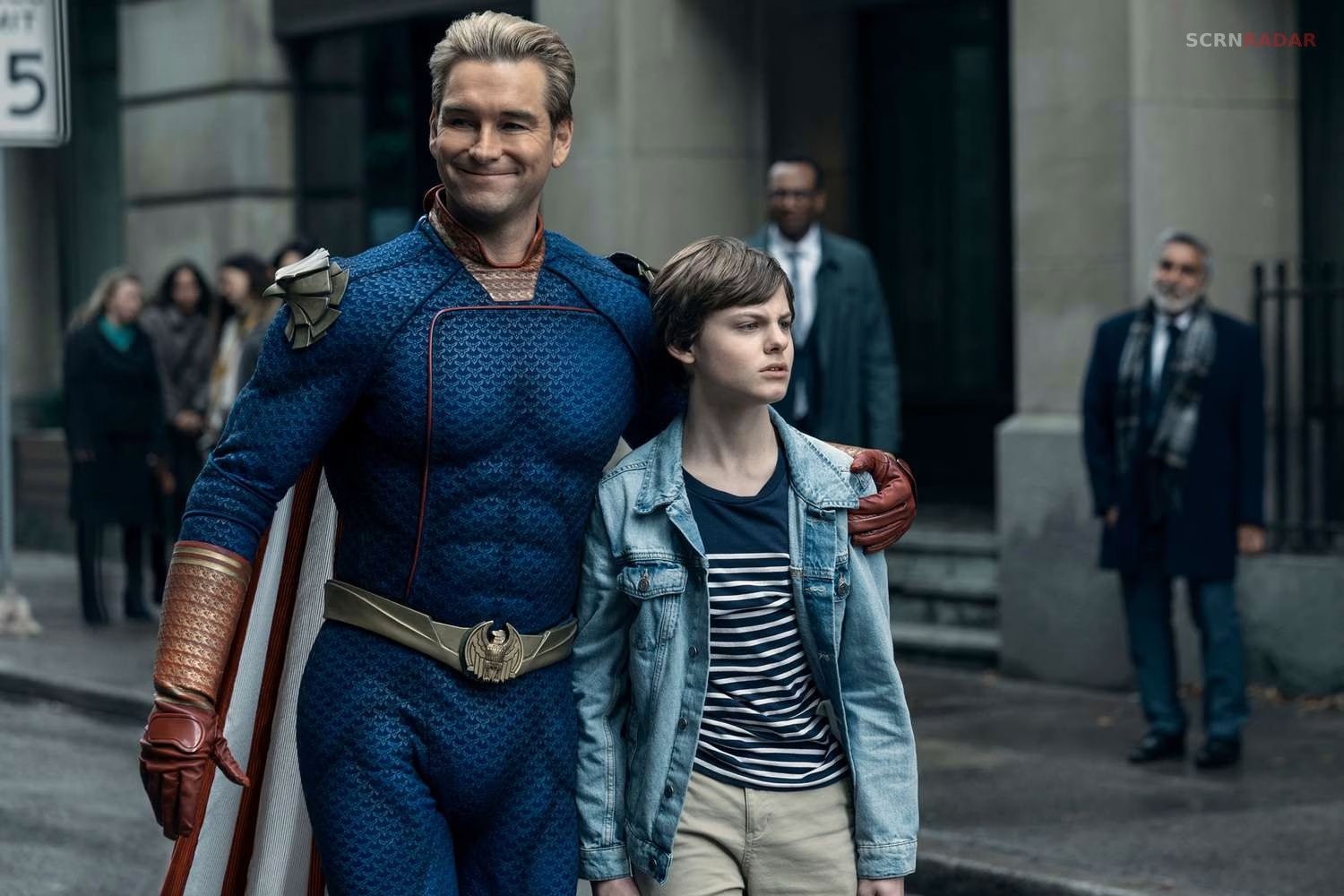
The episode also explores the fragility of team dynamics. Characters who were previously aligned begin to question each other, and tensions rise without the need for external threats. These interactions form the core of the episode, replacing large-scale action with smaller, more personal conflicts. The result is a narrative that feels more grounded, even if it lacks the intensity of earlier installments.
Another important element is the continued presence of Soldier Boy, whose role adds complexity to the situation. His involvement reflects the unpredictable nature of the conflict, where past figures and unresolved issues continue to influence the present. His actions contribute to the sense that no character is entirely reliable, reinforcing the instability that defines the season.
Structurally, Episode 4 is more restrained. The pacing is slower, with greater emphasis on dialogue and character interaction. This allows certain moments to develop more naturally, but it also reduces the sense of urgency. Viewers expecting constant action may find the episode less engaging, as the focus is clearly on preparation rather than immediate payoff.
Thematically, the episode remains consistent with the direction of the season. It continues to explore ideas related to control, belief, and the cost of power. Homelander’s rise as a symbolic figure, combined with the team’s internal divisions, creates a sense of impending conflict rather than immediate resolution. The story is clearly building toward something larger, even if this episode does not deliver a major turning point on its own.
There are still some weaknesses. The slower pacing, while intentional, can make the episode feel less impactful compared to earlier chapters. Certain developments do not progress as far as expected, and the lack of a major event may leave some viewers wanting more. However, these issues are largely a result of the episode’s role as a bridge within the larger narrative.
The Boys Season 5 Episode 4 serves as a necessary pause in the season’s progression. It deepens character relationships, highlights internal conflict, and reinforces the themes that define the series. While it may not deliver the same level of intensity as previous episodes, it plays an important role in shaping what comes next.
Rating: ⭐7.5/10