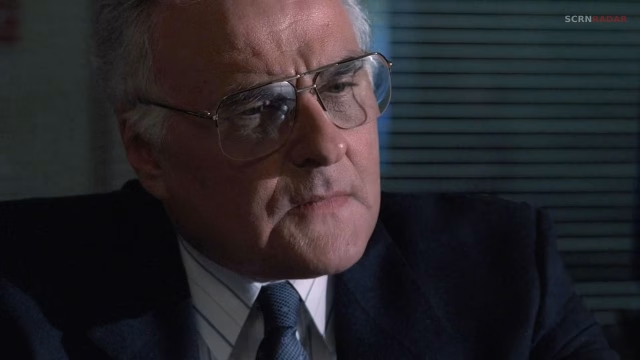

Sound of Freedom became one of the most talked-about films of 2023, not only because of its subject matter but also because of the controversy surrounding its release. Directed by Alejandro Monteverde and starring Jim Caviezel, the film is inspired by the work of former government agent Tim Ballard and focuses on the fight against child trafficking. Released by Angel Studios, the film became a surprise box office phenomenon despite a relatively modest budget and limited expectations before release.
The film generated passionate reactions from both audiences and critics. Many viewers praised its emotional weight and message, while others criticized aspects of its execution and questioned some of the conversations surrounding the movie. As a result, Sound of Freedom is a film that is difficult to evaluate solely as a thriller because its cultural impact became almost as significant as the movie itself.
This review focuses on the film itself, examining its story, performances, direction, strengths, weaknesses, and whether it succeeds as a cinematic experience.
What Is Sound of Freedom About?
The film follows Tim Ballard, a Homeland Security agent who becomes increasingly frustrated with the limitations of his work. After rescuing a young boy from traffickers, he learns that the child’s sister remains captive. Determined to save her, Ballard leaves the safety of his government position and embarks on a dangerous mission in Colombia.
Rather than presenting itself as a traditional action film, Sound of Freedom functions as a dramatic thriller. The story emphasizes investigation, undercover operations, and the emotional toll of confronting child exploitation. While there are moments of tension and suspense, the movie is primarily focused on Ballard’s mission and personal conviction.
The subject matter naturally carries enormous emotional weight. The film attempts to raise awareness about child trafficking while telling a rescue story centered on hope and perseverance. That mission gives the movie an immediate sense of importance, even when its storytelling occasionally struggles to match the power of its message.
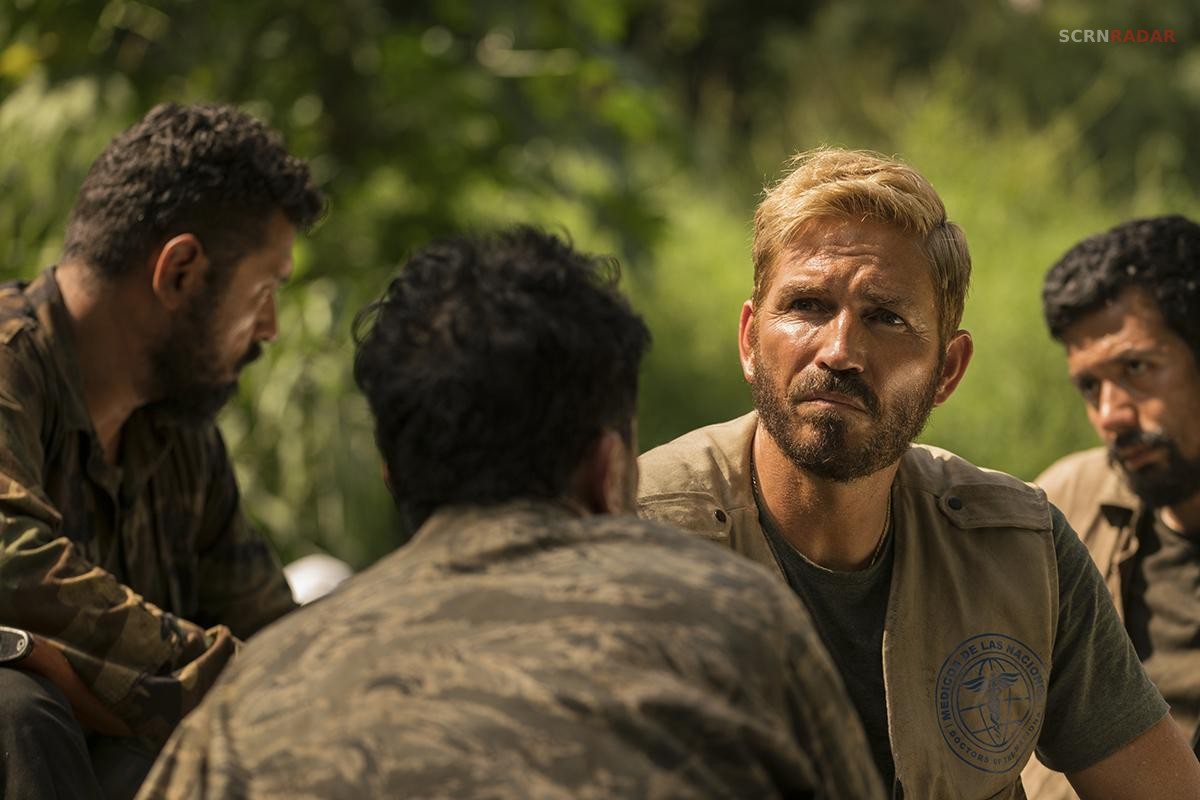
Jim Caviezel Carries the Film
The strongest aspect of Sound of Freedom is Jim Caviezel’s lead performance. He plays Ballard with seriousness and restraint, avoiding the exaggerated heroics often associated with action-thriller protagonists. Instead of portraying an invincible savior, Caviezel presents a man emotionally affected by the horrors he encounters.
His performance works because he treats the material with sincerity. Even viewers who disagree with elements of the film may find it difficult to question Caviezel’s commitment to the role. The actor effectively communicates Ballard’s determination without constantly relying on dramatic speeches or action sequences.
Supporting performances from Bill Camp and Mira Sorvino also add credibility to the story. Camp, in particular, brings depth and humanity to his role, helping some of the film’s strongest scenes feel grounded and authentic.
Direction and Storytelling
Alejandro Monteverde approaches the material with clear respect for its subject matter. The film avoids graphic depictions of abuse and instead relies on implication and emotional tension. This decision allows the story to remain accessible to a broader audience while still communicating the seriousness of the issue.
Visually, the movie is competent and occasionally effective. The Colombian locations create atmosphere, and several suspense sequences successfully maintain tension. Monteverde understands how to create a sense of urgency without turning every scene into an action spectacle.
However, the storytelling is not always consistent. At over two hours long, the film occasionally feels repetitive. Certain scenes linger longer than necessary, and the pacing can slow considerably during the middle portion of the narrative. Some critics argued that the screenplay sacrifices character development in favor of emphasizing the mission itself.
The result is a film that remains emotionally engaging but does not always reach its full dramatic potential.
Where the Film Succeeds
One of the movie’s greatest strengths is its ability to generate empathy. Regardless of political beliefs or opinions about the surrounding controversy, the core story taps into universal concerns about protecting children and confronting exploitation.

The film also succeeds in creating suspense. Viewers become invested in the rescue mission because the stakes are clear from the beginning. The narrative consistently reminds audiences what is at risk, making even quieter scenes feel meaningful.
Another strength is the movie’s accessibility. Complex social issues are presented through a straightforward narrative that general audiences can easily follow. This approach helped the film reach viewers who might not normally watch issue-driven dramas.
The emotional payoff in the final act is particularly effective. By focusing on individual victims rather than statistics, the film creates a personal connection that resonates long after the credits roll.
The Film’s Biggest Weaknesses
While the subject matter is undeniably important, the screenplay sometimes relies too heavily on the significance of the topic itself. Powerful themes alone do not automatically create compelling drama, and some scenes feel more focused on delivering a message than developing characters.
The pacing is another recurring issue. Several critics noted that the film’s 131-minute runtime feels longer than necessary. Important moments occasionally lose impact because the narrative spends too much time building toward them.
Some viewers may also find the characterizations somewhat simplistic. Heroes and villains are often presented in broad terms, leaving little room for nuance. While this approach makes the story easy to follow, it limits the complexity that could have elevated the film from a solid thriller into a truly exceptional drama.

From a filmmaking perspective, Sound of Freedom is effective rather than groundbreaking. It accomplishes its goals but rarely surprises audiences with innovative storytelling or memorable cinematic techniques.
The Controversy Surrounding Sound of Freedom
Any review of Sound of Freedom must acknowledge the controversy that followed the film’s release. The movie became linked in public discussions to debates about conspiracy theories, politics, and the public statements of certain individuals associated with the project. Critics and journalists questioned whether some promotional narratives surrounding the film encouraged misconceptions about trafficking.
Director Alejandro Monteverde has repeatedly stated that the film was intended to raise awareness about child trafficking rather than promote political agendas. Supporters argue that the controversy distracted from the movie’s core message. Critics argue that separating the film from its broader cultural context is difficult.
For viewers approaching the film today, it is important to distinguish between the movie itself and the debates that emerged around it. Evaluated purely as a thriller, Sound of Freedom stands as a competently made drama with strong performances and emotional impact.
The Good
- Strong lead performance from Jim Caviezel
- Emotionally impactful subject matter
- Effective suspense and tension
- Accessible storytelling for mainstream audiences
The Bad
- Overlong runtime
- Limited character depth
- Occasionally formulaic narrative
- Controversy can overshadow the film itself