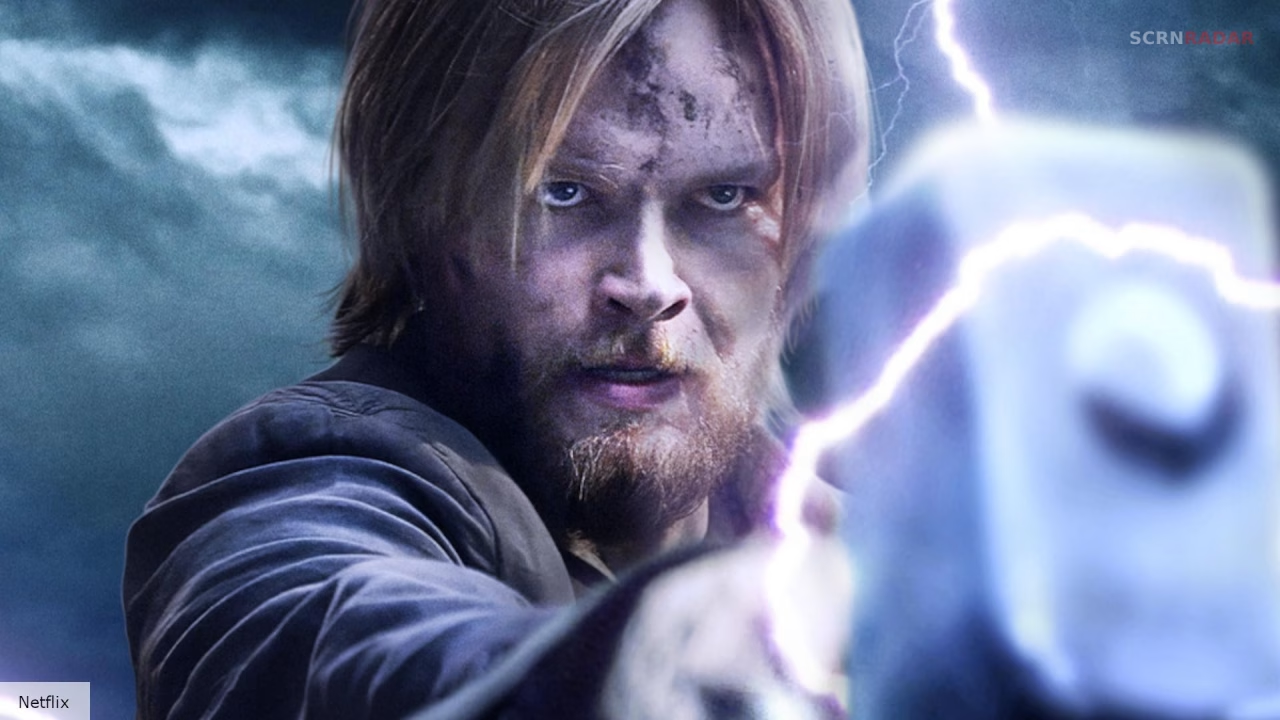
Ragnarok Season 3 delivers one of the most unexpected and divisive endings in recent fantasy television. What begins as a modern retelling of Norse mythology, centered on a teenager discovering he is the reincarnation of Thor, takes a dramatic turn in its final episode. For most of its run, the series builds toward an epic battle between gods and giants, setting up a classic Ragnarok conflict.
However, the finale subverts those expectations in a way that completely reframes the story. Instead of delivering a traditional mythological showdown, the show pivots into something far more psychological and introspective. This twist has left many viewers questioning what was real and what was imagined.
Let’s break down the Ragnarok Season 3 ending, explain what really happened to Magne, and explore the deeper meaning behind the show’s final reveal.
What Happens in Ragnarok Season 3’s Ending?
The final episode initially appears to set up the long-awaited Ragnarok battle. Magne prepares to face the giants, including the powerful Jutul family, in a climactic confrontation. Weapons are ready, alliances are formed, and everything points toward an explosive showdown.
However, the battle never truly happens in the way viewers expect. Instead, the narrative shifts dramatically, revealing that many of the supernatural elements may not have been literal events. The story transitions into a more grounded reality where the characters are simply ordinary people.
Magne attends a school graduation ceremony, and the tone of the show becomes noticeably different. The gods, giants, and mythological conflicts seem to fade away, leaving behind a more realistic interpretation of events. This shift forces viewers to reconsider everything they have seen throughout the series.
Was It All in Magne’s Head?
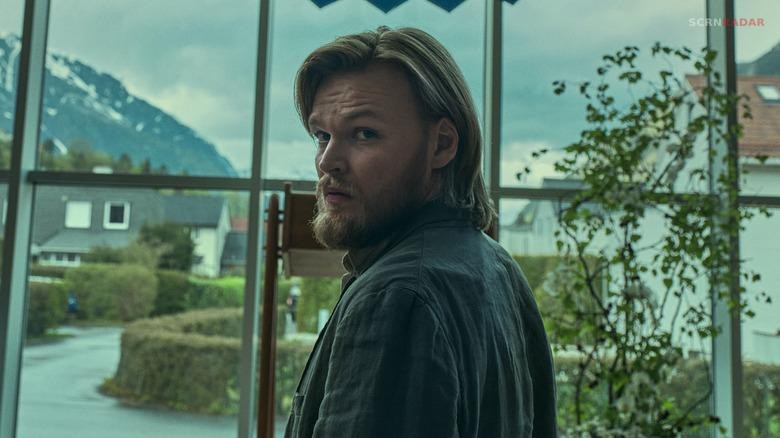
The biggest question raised by the ending is whether the entire story was a product of Magne’s imagination. The finale strongly suggests that Magne’s belief that he was Thor may have been a coping mechanism rather than a literal transformation.
Throughout the series, there are subtle hints that support this interpretation. Magne struggles with personal challenges, including isolation and emotional stress. His identification with Thor could be seen as a way to process these struggles and give himself a sense of purpose.
In the final scenes, the absence of overt supernatural elements reinforces this idea. Characters who were previously portrayed as gods and giants appear as normal individuals, with no visible powers. This suggests that the mythological narrative may have existed primarily in Magne’s perception.
However, the show deliberately leaves some ambiguity. While the grounded interpretation is heavily implied, it does not completely erase the possibility that something supernatural was happening beneath the surface.
The Meaning of Magne’s Final Choice
Magne’s decision at the end of the series is central to understanding the finale. Rather than embracing the role of Thor and continuing the battle, he chooses to move forward with his life as an ordinary person.
This choice represents a rejection of the fantasy he created. Instead of seeing himself as a destined hero in a mythological war, Magne accepts reality and the challenges that come with it. This shift is both emotional and symbolic.
By letting go of the Thor identity, Magne demonstrates personal growth. He no longer needs the mythology to define his worth or guide his actions. The ending suggests that true strength comes from facing reality rather than escaping into fantasy.
Why the Final Battle Doesn’t Happen
One of the most controversial aspects of the ending is the absence of a traditional Ragnarok battle. After building up the conflict for multiple seasons, the show ultimately avoids delivering the expected showdown.
From a storytelling perspective, this decision aligns with the psychological interpretation of the narrative. If the mythological elements are part of Magne’s imagination, then the battle itself would also be imagined. By not showing it, the show emphasizes the shift back to reality.
This approach also reinforces the theme of expectations versus reality. Viewers anticipate a grand, explosive conclusion, but the show deliberately subverts that expectation. Instead, it offers a more introspective resolution focused on character development.
While this choice has divided audiences, it highlights the series’ willingness to take risks and challenge conventional storytelling.
What Happens to the Jutul Family?
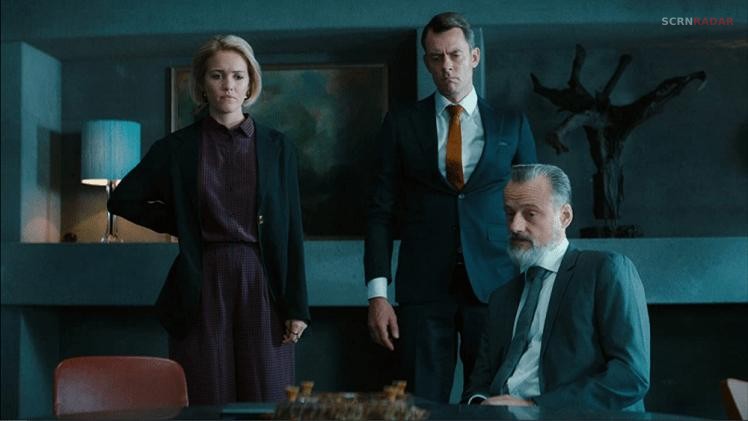
The Jutul family, who are portrayed as giants throughout the series, undergo a significant reinterpretation in the finale. In the grounded reality presented at the end, they appear as powerful but otherwise ordinary individuals.
Their role as antagonists remains intact, but it is reframed in a more realistic context. Instead of being literal giants, they represent corporate greed, environmental damage, and abuse of power. This aligns with the show’s underlying themes.
The absence of supernatural conflict does not diminish their impact. Instead, it shifts the focus from physical battles to societal issues. The Jutuls become symbols of real-world problems rather than mythological enemies.
This reinterpretation adds depth to their characters while reinforcing the show’s thematic message.
The Role of Norse Mythology in the Ending
Norse mythology plays a central role throughout Ragnarok, but the finale redefines how it is used. Rather than being a literal framework for the story, it becomes a lens through which Magne views his world.
The gods and giants can be seen as metaphors for internal and external conflicts. Magne’s journey mirrors the myth of Thor, but it is grounded in personal growth rather than divine destiny. This reinterpretation allows the show to explore mythology in a more symbolic way.
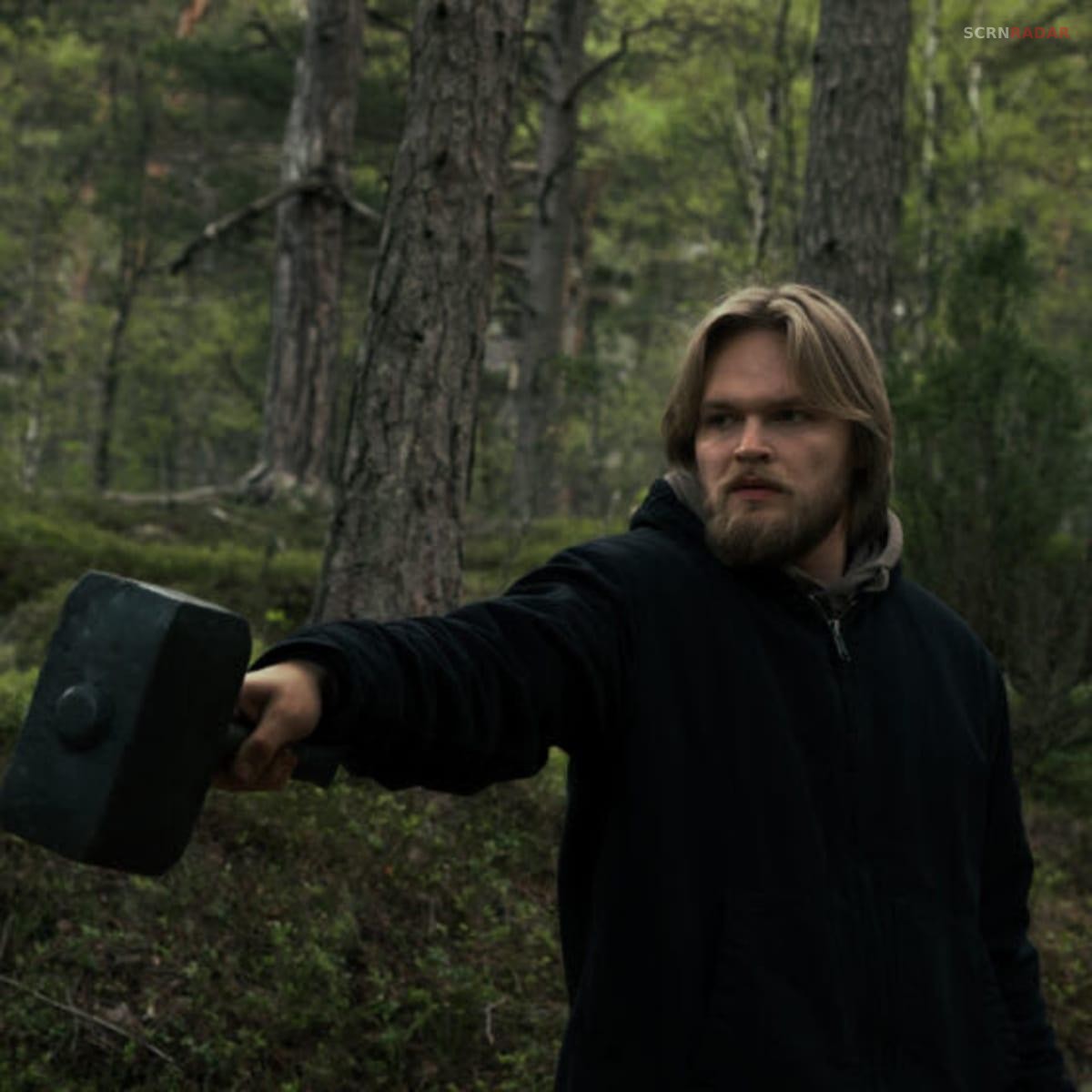
The ending suggests that myths still hold power, even if they are not literally real. They provide meaning, structure, and inspiration. For Magne, the story of Thor becomes a tool for understanding himself and his place in the world.
This approach distinguishes Ragnarok from other fantasy series, giving it a unique identity.
Is the Ending Ambiguous or Definitive?
The Ragnarok Season 3 ending walks a fine line between ambiguity and resolution. On one hand, it strongly leans toward the interpretation that the events were imagined. On the other hand, it leaves enough room for alternative readings.
Some viewers may choose to believe that the supernatural elements were real but simply not visible in the final scenes. Others may see the entire story as a psychological narrative. The show does not force a single interpretation, allowing audiences to decide for themselves.
This ambiguity is intentional. It encourages discussion and analysis, which is one of the reasons the ending has generated so much attention. By avoiding a clear-cut answer, the series remains open to multiple perspectives.
What the Ending Says About Reality vs Fantasy
At its core, the ending of Ragnarok is about the relationship between reality and fantasy. Magne’s journey highlights the ways people use stories and identities to cope with difficult situations.
The Thor narrative gives him strength and confidence, but it also creates a barrier between him and reality. By letting go of that identity, he is able to move forward and grow as a person. This transition is the emotional heart of the finale.
The show suggests that fantasy is not inherently negative. It can provide comfort and inspiration. However, it becomes problematic when it replaces reality entirely. The ending encourages a balance between imagination and acceptance.
Why the Ragnarok Ending Divided Fans
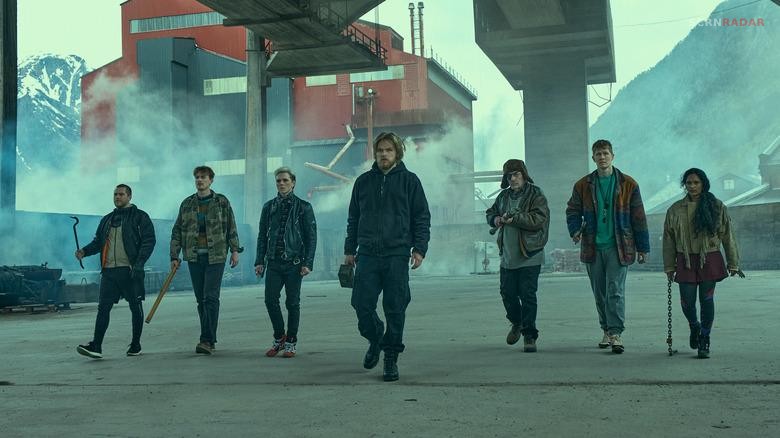
The reaction to Ragnarok Season 3’s ending has been mixed, with some viewers praising its boldness and others criticizing its lack of a traditional payoff. Much of this division comes from expectations.
Fans who were invested in the mythological storyline may feel disappointed by the absence of a final battle. The buildup across multiple seasons creates an expectation that is ultimately subverted. For some, this feels like an incomplete resolution.
On the other hand, viewers who appreciate character-driven storytelling may find the ending meaningful. The focus on Magne’s personal growth and the psychological interpretation adds depth to the narrative. It transforms the story into something more introspective.
The divide highlights the challenge of balancing audience expectations with creative vision.
The Real Meaning Behind Ragnarok’s Ending
The true meaning of Ragnarok’s ending lies in its focus on identity and growth. Magne’s journey is not about becoming a god but about understanding himself. The mythological elements serve as a framework for this exploration.
By the end of the series, Magne no longer needs to see himself as Thor. He has gained the confidence and self-awareness he was searching for. This realization is more important than any physical battle.
The ending also emphasizes the importance of perspective. The same events can be interpreted in different ways depending on how they are viewed. This idea is reflected in the ambiguity of the finale.
Ultimately, Ragnarok is less about gods and giants and more about the human experience.
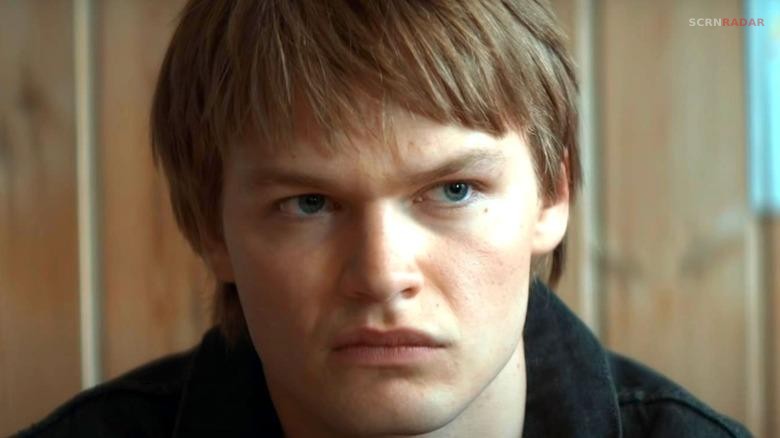
The ending of Ragnarok Season 3 takes a bold and unconventional approach by reframing the entire story. Instead of delivering a traditional mythological conclusion, it focuses on Magne’s personal journey and the blurred line between reality and imagination.
By suggesting that the events may have been shaped by Magne’s perception, the finale challenges viewers to rethink everything that came before. It transforms the series from a fantasy epic into a character-driven exploration of identity and growth.
While the ending may not satisfy everyone, it leaves a lasting impression. It invites discussion, interpretation, and reflection, ensuring that Ragnarok remains a memorable and thought-provoking series long after its conclusion.