
Love Like the Falling Petals captured global attention on Netflix with its deeply emotional storytelling and visually poetic atmosphere. Based on the novel by Keisuke Uyama, the film follows a young photographer and a hairdresser whose love story unfolds under tragic circumstances. While the performances drive the emotional weight, the filming locations play a crucial role in shaping the film’s tone. Many viewers have been searching for where Love Like the Falling Petals was filmed, especially because of its striking use of natural light and seasonal imagery.
The movie uses real Japanese locations to enhance its grounded storytelling and visual authenticity. From bustling city streets to quiet, intimate interiors, every setting feels carefully chosen to reflect the characters’ emotional journey. The use of cherry blossoms, symbolic of fleeting beauty, further strengthens the narrative’s themes. Let’s break down the key filming locations used in Love Like the Falling Petals and how they contribute to its impact.
Tokyo serves as the primary backdrop for the story
The majority of Love Like the Falling Petals was filmed in Tokyo, which acts as the central setting for the story. The city’s urban terrain provides a realistic backdrop for the characters’ everyday lives. From busy streets to quieter residential areas, Tokyo reflects both the excitement and loneliness that define the protagonists’ journey. This duality plays an important role in shaping the film’s emotional tone.
Several scenes feature recognizable urban environments, including cafes, salons, and apartment spaces. These locations are not overly stylized, which helps maintain a sense of realism throughout the film. The grounded setting allows viewers to focus on the characters’ relationship rather than being distracted by overly dramatic visuals. This approach aligns well with the film’s subtle storytelling style.
Tokyo also provides a visual contrast between movement and stillness. While the city is constantly active, the characters often experience deeply personal and quiet moments. This contrast reinforces the emotional isolation felt by the protagonists as their relationship evolves. The city becomes more than just a backdrop and instead reflects their internal struggles.
Cherry blossom locations enhance the film’s emotional symbolism
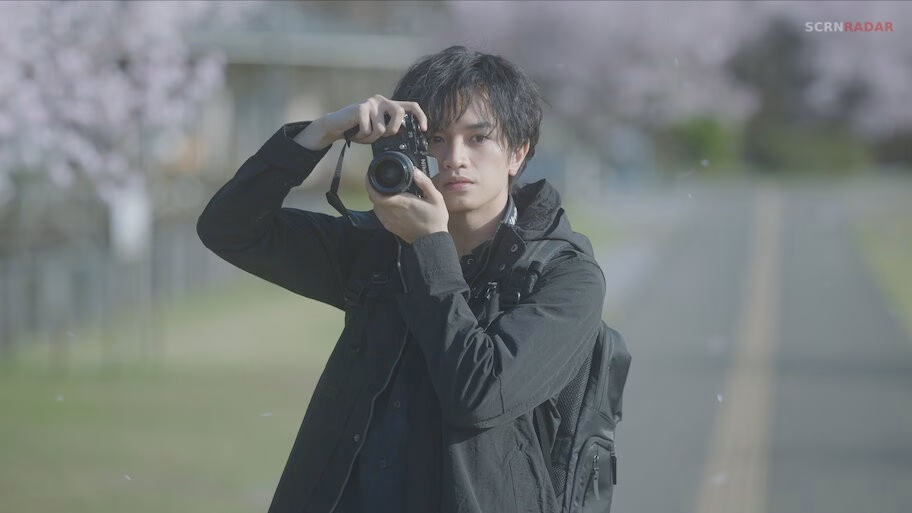
One of the most memorable aspects of Love Like the Falling Petals is its use of cherry blossom imagery. These scenes were filmed in various locations across Japan known for their seasonal sakura blooms. The soft pink petals falling through the air visually represent the fleeting nature of life and love, which is central to the story’s theme.
These cherry blossom settings are carefully integrated into key emotional moments. Rather than being used purely for visual appeal, they carry narrative significance. The timing of these scenes often coincides with major turning points in the characters’ relationship. This thoughtful use of location adds depth to the storytelling.
Japan’s natural landscapes also contribute to the film’s calming yet melancholic tone. Parks and open spaces provide a sense of tranquility that contrasts with the emotional weight of the story. The beauty of these locations makes the unfolding tragedy feel even more poignant. This balance between visual serenity and emotional intensity is one of the film’s defining strengths.
Interior locations create intimacy and emotional connection
While outdoor settings are visually striking, the film’s interior locations are equally important. Spaces such as hair salons, apartments, and work environments are used to build intimacy between the characters. These locations feel personal and lived-in, helping viewers connect more deeply with the story.
The hair salon, in particular, plays a significant role as a recurring setting. It is where key interactions take place and where the relationship between the leads begins to develop. The confined and familiar environment allows for natural conversations and emotional vulnerability. This makes the scenes feel authentic and relatable.
Apartments and private spaces are also used effectively to highlight the characters’ emotional states. As the story progresses, these locations reflect changes in their relationship. The use of lighting and framing within these interiors further enhances the film’s tone. Together, these elements create a strong sense of immersion.