After an eight-year gap, Kung Fu Panda 4 finally brings Po back to the big screen with a brand-new adventure, a new villain, and a major turning point for the Dragon Warrior himself. Ever since the original film debuted in 2008, the Kung Fu Panda franchise has earned a reputation as one of DreamWorks Animation’s strongest series, balancing comedy, emotional storytelling, martial arts action, and surprisingly mature themes. Expectations for a fourth installment were naturally high, especially because many fans considered the trilogy already complete.
This new chapter attempts to expand Po’s journey beyond being the Dragon Warrior by forcing him to confront change and legacy. Along the way, the movie introduces new characters like Zhen and the Chameleon while revisiting familiar faces from earlier films. However, while Kung Fu Panda 4 remains entertaining and visually impressive, it often feels smaller and less emotionally impactful than previous entries. The result is a sequel that still captures parts of the franchise’s charm but struggles to justify its own existence as strongly as the earlier films did.
What Kung Fu Panda 4 is about
The story begins with Po, voiced once again by Jack Black, enjoying his role as the Dragon Warrior in the Valley of Peace. However, Master Shifu informs him that he must move on from his current position and become the new spiritual leader of the valley. This means Po needs to find and train a successor to inherit the Dragon Warrior title.
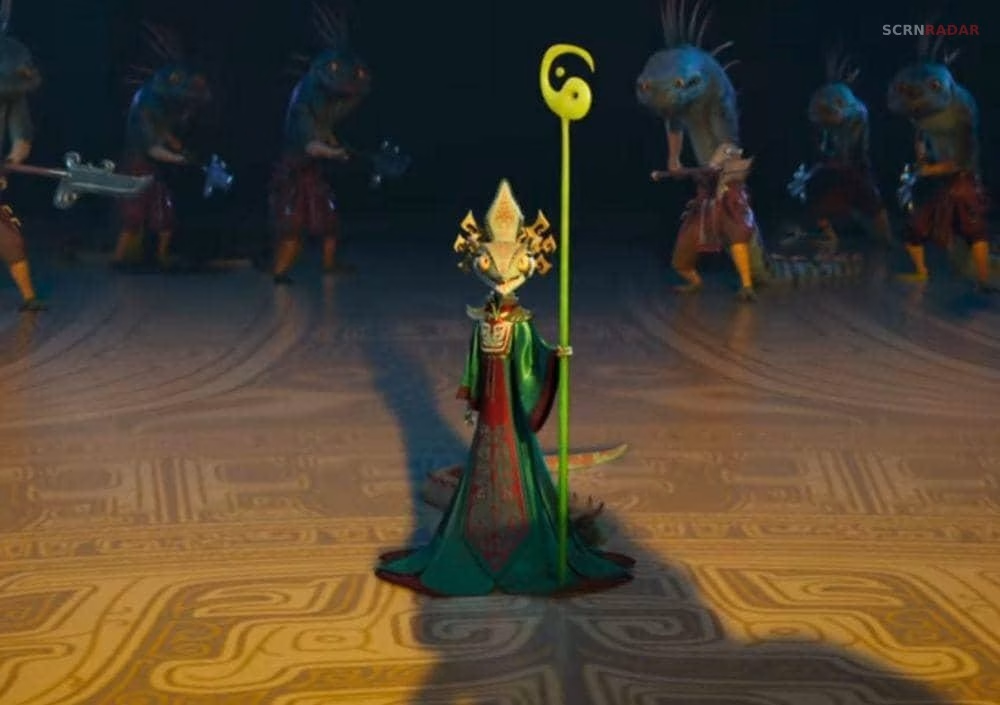
At the same time, a powerful new villain called the Chameleon emerges. Voiced by Viola Davis, the Chameleon is a shape-shifting sorceress capable of stealing kung fu abilities from past masters and villains. Her goal is to gain access to Po’s Staff of Wisdom and use it to control the Spirit Realm.
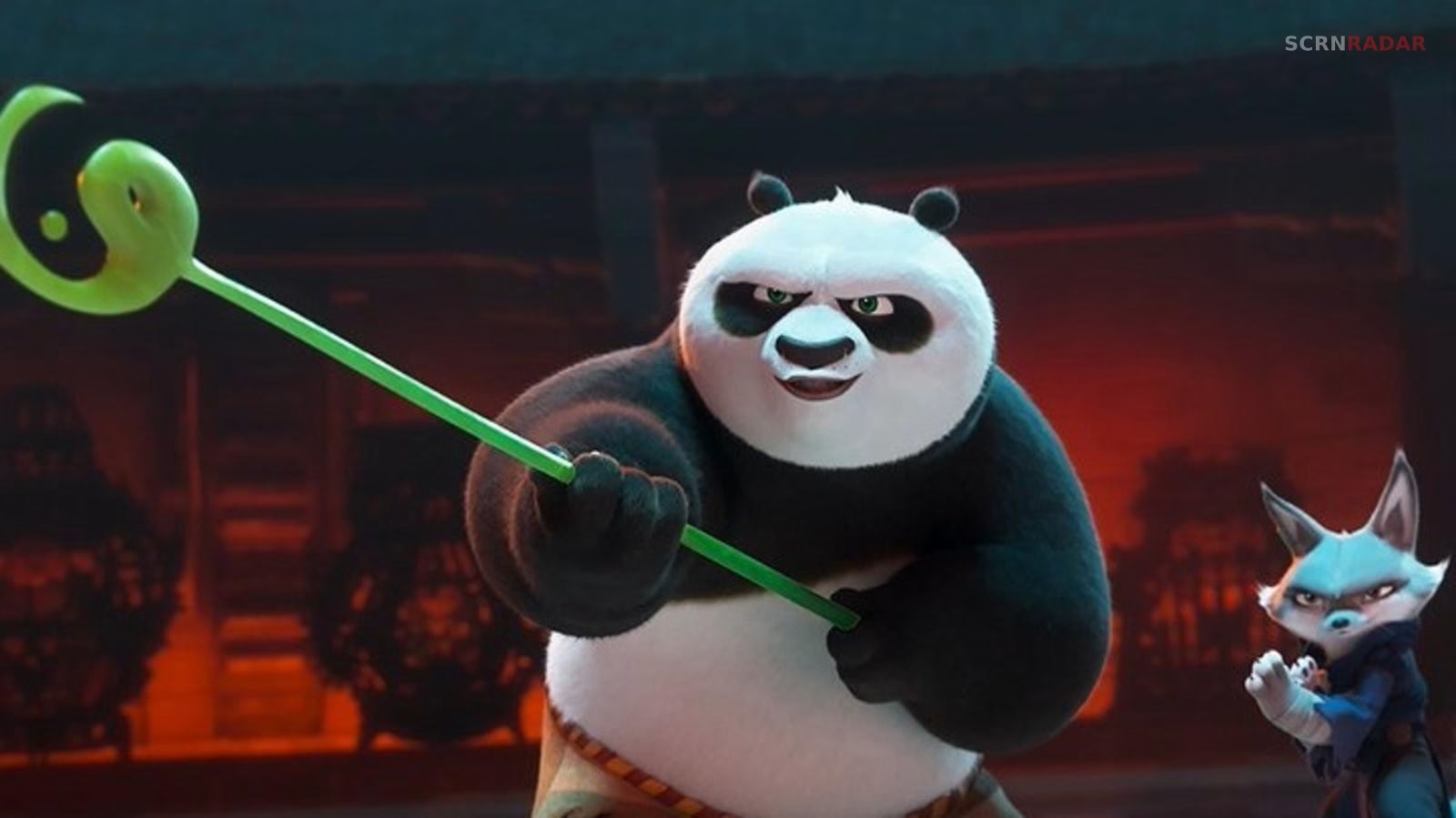
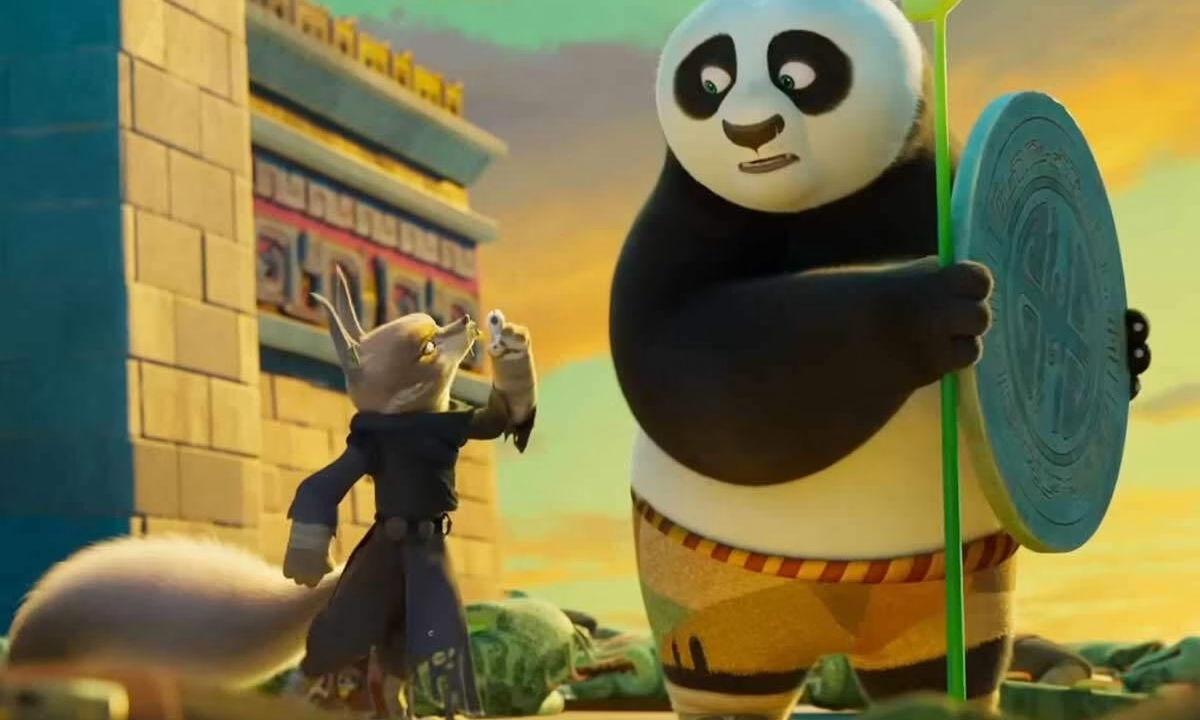
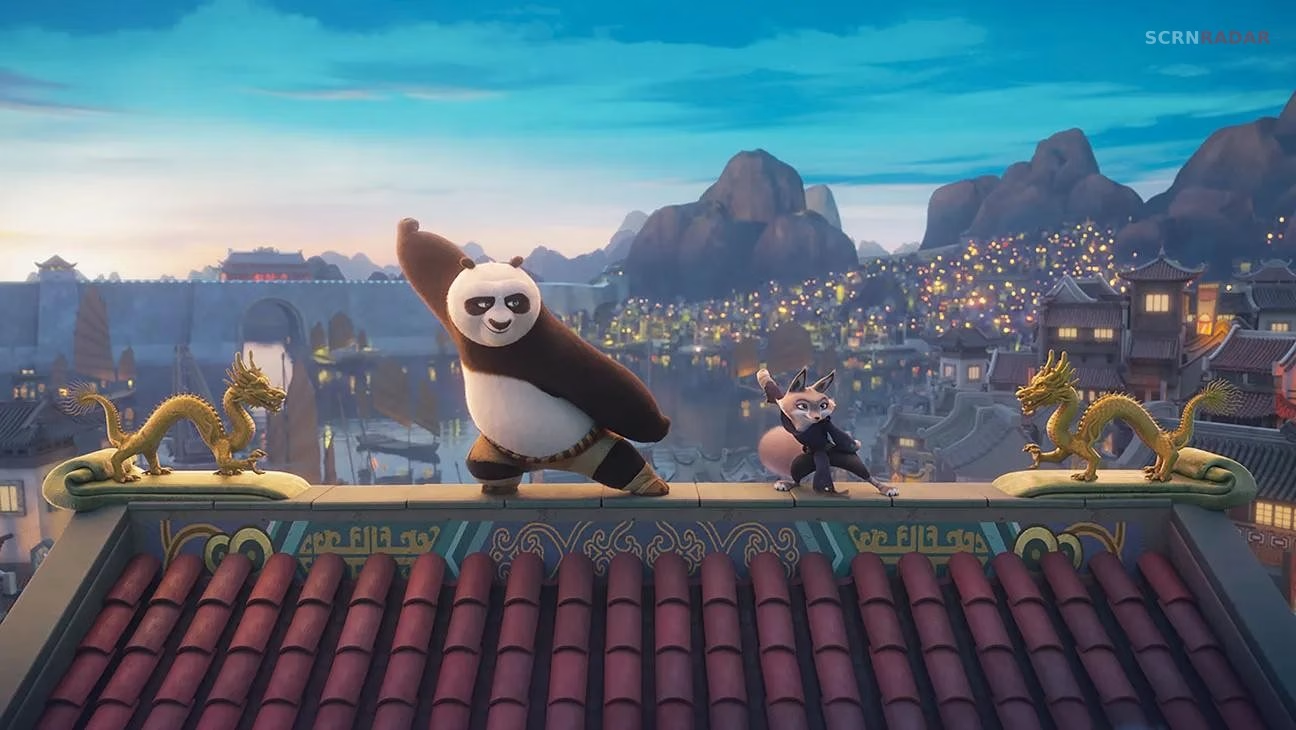
During his journey, Po teams up with Zhen, a fox thief voiced by Awkwafina. Initially untrustworthy and motivated by survival, Zhen slowly develops a bond with Po as the two attempt to stop the Chameleon before she gains ultimate power.
The setup creates a natural thematic continuation of the franchise by focusing on mentorship and transition. However, while the premise has strong potential, the execution does not always fully explore those ideas emotionally.
Jack Black still carries the franchise effortlessly
Even after four movies, Jack Black remains the beating heart of Kung Fu Panda. His energetic voice performance once again gives Po warmth, humor, and emotional sincerity. Black understands exactly how to balance Po’s childish enthusiasm with his gradual growth into a wiser character.
One of the reasons the film remains watchable even during weaker moments is because Po still feels genuinely likable. Black’s comedic timing keeps the humor engaging, while quieter scenes remind viewers why audiences connected with the character in the first place.
The movie also smartly avoids turning Po into a flawless master. Although he has matured significantly since the first film, he still struggles with insecurity and self-doubt when confronted with major life changes. This keeps the character emotionally relatable rather than overly perfect.
At the same time, the script occasionally limits Po’s emotional arc by rushing through important developments. The idea of Po becoming a spiritual leader should feel monumental, but the movie moves through this transition faster than expected. Several critics noted that the pacing prevents some emotional moments from fully landing.
Zhen becomes the movie’s biggest surprise
The introduction of Zhen is one of Kung Fu Panda 4’s strongest creative decisions. As a street-smart fox thief, she initially appears to fit the familiar “reluctant ally” archetype. However, the movie gradually reveals more emotional depth beneath her sarcastic personality.
Awkwafina’s performance gives Zhen enough charisma and humor to make her dynamic with Po entertaining throughout the film. Unlike some comedic side characters in animated sequels, Zhen actually contributes meaningfully to the narrative and thematic direction.
Her storyline also ties directly into the movie’s central theme of succession. Po’s growing connection with Zhen forces him to think differently about leadership, trust, and mentorship. The relationship eventually becomes the emotional core of the story.
Many viewers and critics agreed that Zhen helps refresh the franchise even when the larger plot feels overly familiar. Polygon specifically highlighted the character as one of the film’s most effective additions and suggested she could help shape future installments if DreamWorks continues the series.
However, the movie still leaves parts of Zhen’s development underexplored. Her transition from thief to potential successor happens somewhat quickly, making certain emotional beats feel less earned than they could have been.
The Chameleon is visually impressive but emotionally weaker
The Chameleon is arguably the film’s most interesting concept on paper. A villain who can transform into past enemies from the franchise creates opportunities for exciting action sequences and nostalgic callbacks. Visually, the character design and shape-shifting powers are genuinely impressive.
Viola Davis also delivers a commanding vocal performance that gives the Chameleon real screen presence. Whenever she appears, the movie gains a stronger sense of danger and theatrical energy.
Unfortunately, the character lacks the emotional depth of previous Kung Fu Panda villains like Tai Lung or Lord Shen. Earlier antagonists in the franchise worked because they represented deeply personal ideological conflicts connected directly to Po’s growth.
The Chameleon, by comparison, often feels more like a plot device than a fully developed character. Her motivations revolve largely around gaining power, but the movie never spends enough time exploring her emotional complexity. Several reviews noted that while the villain is entertaining visually, she never reaches the emotional impact of the franchise’s best antagonists.
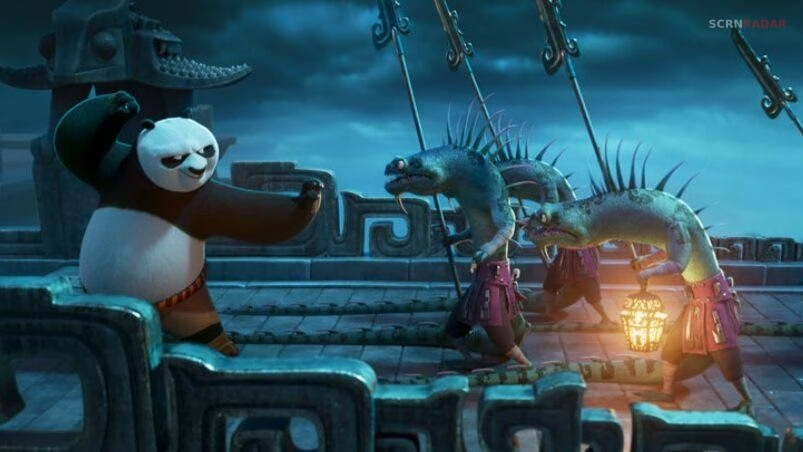
The callbacks to previous villains also create mixed results. While longtime fans may enjoy seeing familiar faces return briefly, the nostalgia sometimes distracts from developing the new story more deeply.
The action and animation remain franchise highlights
Even critics who disliked the story generally praised the film’s animation and action choreography. DreamWorks continues delivering visually dynamic martial arts sequences filled with colorful environments, fluid movement, and inventive camera work.
The fight scenes remain one of the franchise’s defining strengths. Po’s battles against the Chameleon and other enemies maintain the fast-paced, exaggerated martial arts style that made earlier movies so memorable.
The animation style also occasionally experiments with more stylized visual techniques, especially during action-heavy sequences. While not as groundbreaking as some moments from Kung Fu Panda 2, the movie still demonstrates strong artistic creativity.
The world design remains rich and visually appealing as well. New locations outside the Valley of Peace help expand the franchise’s universe, even if the emotional connection to those environments is not always as strong as previous films.
However, several critics pointed out that the movie’s overall scale feels smaller than earlier entries. Without the presence of the Furious Five for most of the film, the world occasionally feels less expansive and emotionally interconnected.
The absence of the Furious Five hurts the story
One of the most noticeable issues in Kung Fu Panda 4 is the limited role of the Furious Five. Characters like Tigress, Monkey, Viper, Crane, and Mantis were central to the emotional and action-driven identity of the previous movies. Their absence creates a major gap in the film’s ensemble dynamic.
The movie explains their absence briefly by stating they are away on separate missions, but this explanation feels more practical than organic. Many viewers interpreted the reduced involvement as a cost-saving decision related to the expensive voice cast.
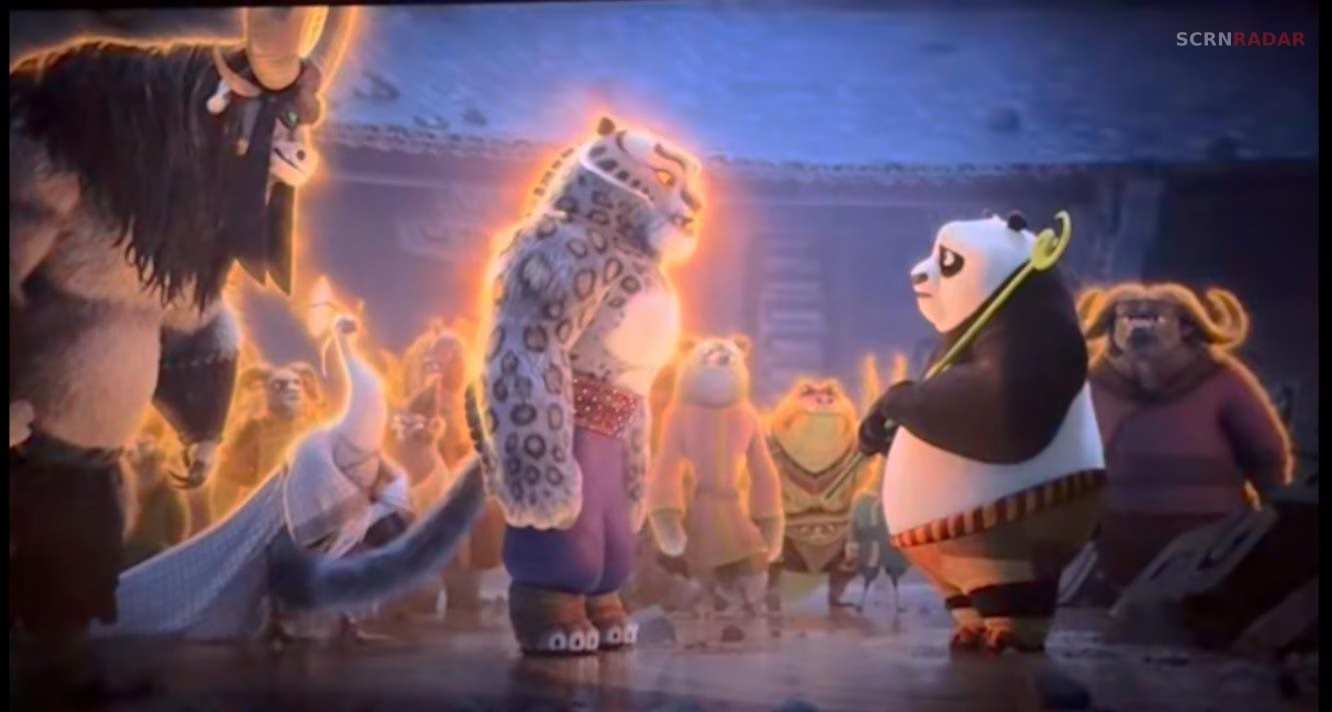
Without the Furious Five, Po spends most of the film interacting primarily with Zhen and his fathers. While those relationships work reasonably well, the lack of familiar team chemistry weakens the emotional continuity of the franchise.
Several reviews specifically criticized the film for feeling less epic without the ensemble cast that helped define earlier installments. Punch Drunk Critics noted that the absence of the Furious Five made the movie feel noticeably smaller and less exciting.
The reduced presence of longtime supporting characters also contributes to the feeling that Kung Fu Panda 4 is functioning more as a soft reboot setup than a direct continuation.
The movie struggles with pacing and emotional weight
One of the biggest criticisms surrounding Kung Fu Panda 4 involves its pacing. At only around 94 minutes, the movie moves very quickly from one plot point to the next. While this keeps the energy high for younger audiences, it also prevents emotional moments from fully developing.
Po’s transition toward becoming a spiritual leader should feel like a massive emotional evolution for the character. Instead, the movie often rushes through those conversations to move quickly into the next action scene or joke.
Similarly, Zhen’s emotional growth and redemption arc happen somewhat abruptly. The film understands the themes it wants to explore, particularly around change and legacy, but it rarely slows down long enough to let those themes resonate deeply.
RogerEbert.com criticized the film’s rushed pacing, arguing that the movie often sacrifices emotional tension and humor by moving too quickly through scenes that needed more breathing room.
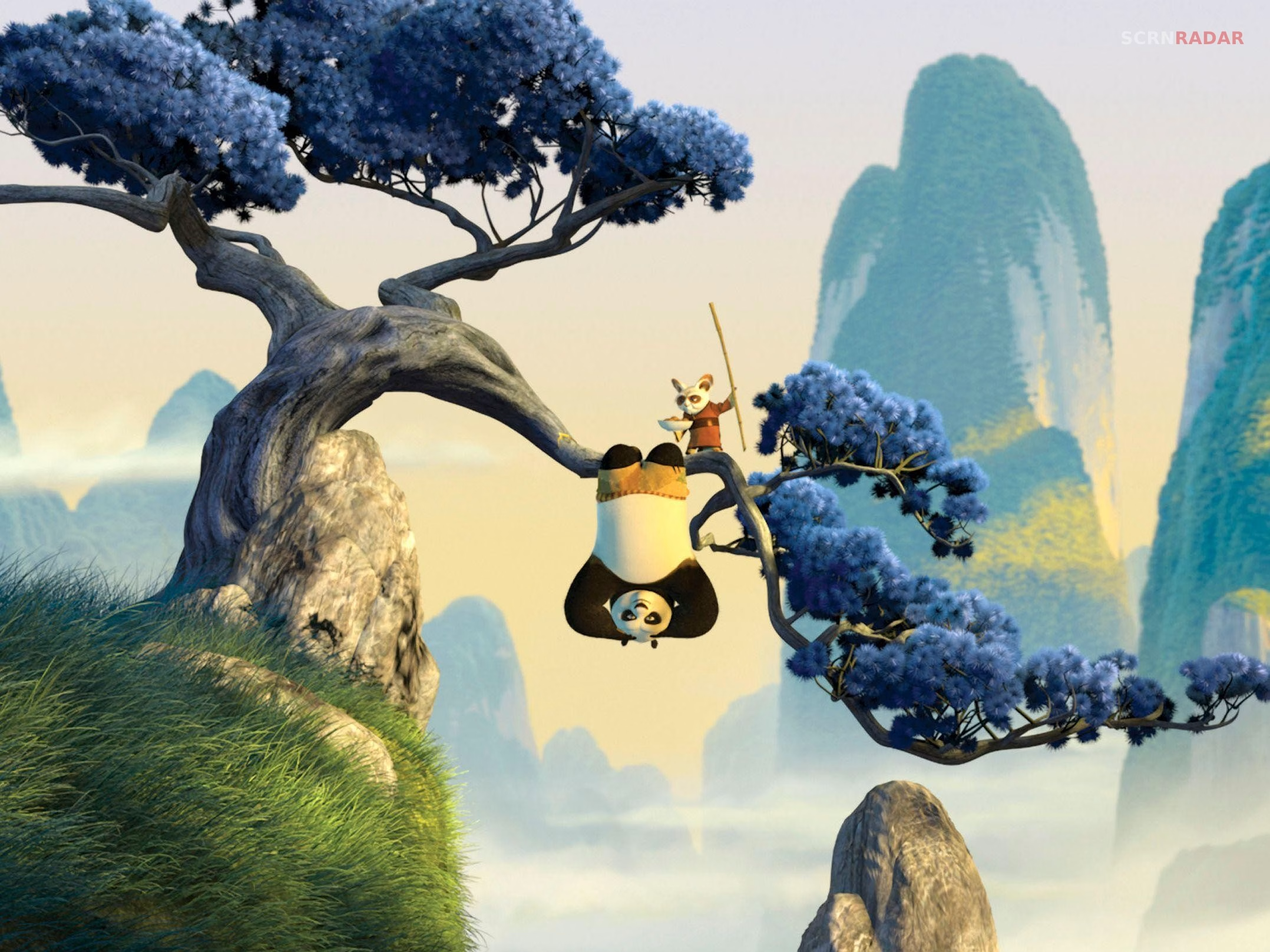
This becomes especially noticeable when comparing the movie to Kung Fu Panda 2, which balanced comedy with genuinely emotional storytelling about trauma, identity, and family.
Does Kung Fu Panda 4 justify continuing the franchise?
This question sits at the center of most discussions surrounding the film. The original trilogy already gave Po a satisfying character arc, evolving him from insecure outsider to confident Dragon Warrior. Because of that, many fans wondered whether a fourth movie was truly necessary.
Kung Fu Panda 4 partially answers that question by shifting the focus toward legacy and mentorship. Rather than simply repeating Po’s underdog journey again, the movie attempts to explore what happens after achieving greatness.
In concept, this direction makes sense. Franchises survive by evolving their protagonists into new life stages, and Po becoming a mentor feels like a natural continuation of his story.
However, the movie never fully commits to the emotional complexity of that transition. Instead, it often relies on familiar franchise formulas including chase scenes, quick jokes, and nostalgic callbacks. This makes the sequel enjoyable in the moment but less emotionally memorable than earlier installments.
Many reviews described the film as entertaining but creatively safe. Reddit discussions echoed similar opinions, with fans generally agreeing that the movie is fun yet ultimately less meaningful than the previous trilogy.
The humor remains effective for families
Despite its storytelling issues, Kung Fu Panda 4 still succeeds as family entertainment. The humor remains accessible without becoming overly childish, and Jack Black continues bringing infectious comedic energy to Po.
Several visual gags and action-comedy moments work particularly well, especially during chase sequences and Po’s awkward attempts at acting like a wise spiritual leader. The movie clearly understands the tone audiences expect from the franchise.
The chemistry between Po and Zhen also creates many of the film’s funniest scenes. Their contrasting personalities help maintain strong comedic momentum even when the larger plot slows down.
Importantly, the humor rarely undermines the emotional core completely. While the movie leans heavily into comedy, it still attempts to preserve the sincerity that separated Kung Fu Panda from more cynical animated franchises.
Rotten Tomatoes summarized this balance well, describing the movie as entertaining for families even if the franchise itself may be “running out of steam.”
Kung Fu Panda 4 is an entertaining but uneven continuation of one of DreamWorks’ strongest animated franchises. The movie succeeds in delivering energetic action, strong animation, and another lovable performance from Jack Black as Po.
The introduction of Zhen adds fresh energy to the series, and the themes of succession and change provide a meaningful foundation for the story. At its best, the film reminds audiences why the franchise became so beloved in the first place.
However, the movie also struggles with rushed pacing, weaker emotional depth, and the noticeable absence of the Furious Five. While visually impressive and consistently watchable, it rarely reaches the emotional or artistic heights of the earlier films.
Ultimately, Kung Fu Panda 4 feels less like a necessary new chapter and more like a safe extension of an already complete story. It does not damage the franchise, but it also does not redefine it in a major way.
For longtime fans, there is still enough charm, humor, and martial arts spectacle to make the experience enjoyable. The movie may not achieve the emotional power of Kung Fu Panda 2 or the freshness of the original film, but it remains a solid family adventure that keeps Po’s spirit alive for another generation.