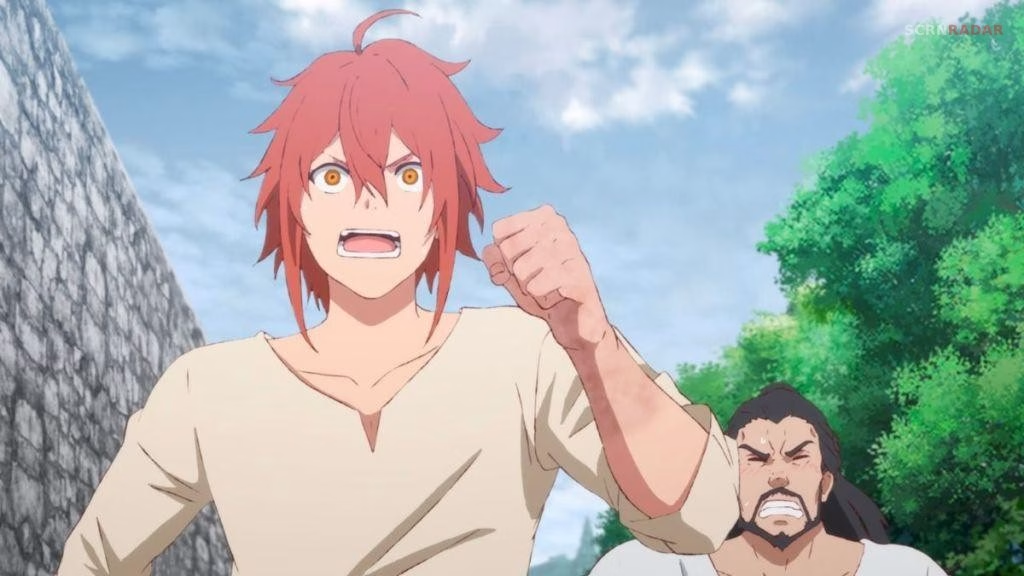
In The Faraway Paladin, character decisions are rarely simple, and one of the most important moments comes when William G. Maryblood presents his request to King Ethel. This moment is more than a political exchange. It reflects the themes of responsibility, faith, and long-term vision that define the series.
William’s journey has always been tied to rebuilding what was lost and protecting others from the darkness that once consumed his homeland. By the time he reaches King Ethel, he is no longer just a wandering paladin. He has become a leader with a clear purpose. His request carries significant weight because it involves not only his own ambitions but also the future of an entire region.
King Ethel’s response is equally important because it highlights the challenges of leadership. Rather than making an immediate emotional decision, he must consider political stability, resources, and the risks involved. Understanding whether he grants William’s wish requires looking closely at both characters’ motivations and the broader narrative context.
What Does William Ask King Ethel?
William’s request to King Ethel centers on reclaiming and developing the ruined lands connected to his past. His goal is to restore these territories and create a safe, thriving environment for people who have long suffered from instability and danger. This is not a simple favor but a large-scale responsibility that requires royal approval.
In the anime and light novel, William’s proposal reflects his growth as both a warrior and a leader. He is no longer acting alone but thinking about long-term consequences and community building. His request also aligns with his faith, as he believes in protecting life and creating a better future under divine guidance.
From a narrative standpoint, this moment represents a shift in William’s role. He moves from being a reactive hero to someone actively shaping the world around him. This makes King Ethel’s decision even more significant because it determines whether William can move forward with his vision.
King Ethel’s Dilemma as a Ruler
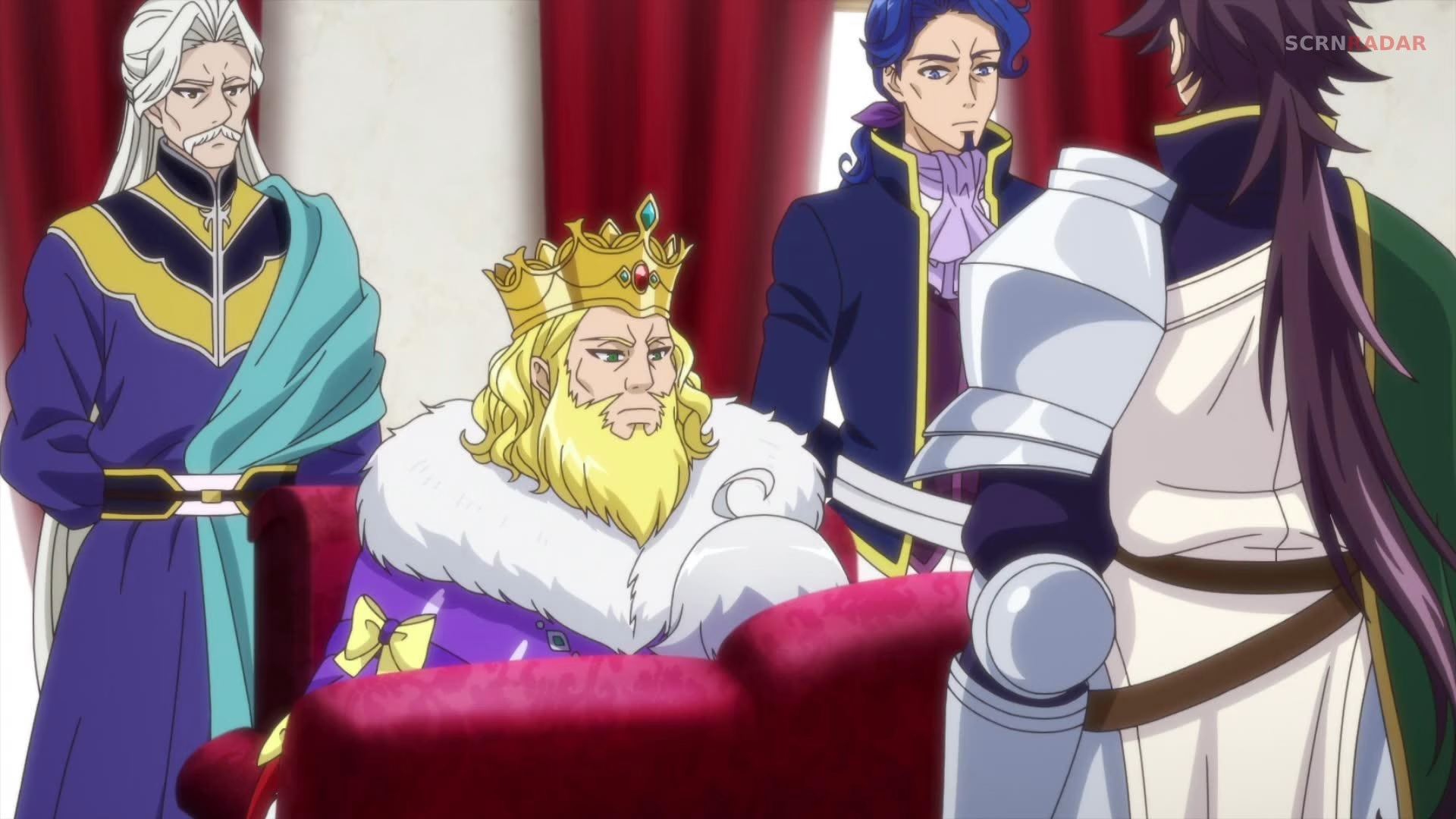
King Ethel’s decision is not straightforward because it involves balancing multiple responsibilities. As a ruler, he must consider the safety and stability of his kingdom above all else. Granting William’s request could bring long-term benefits, but it also carries risks that cannot be ignored.
One of the main concerns is whether the land William wants to reclaim can be safely developed. The region has a history of danger, including threats from monsters and remnants of past conflicts. Allowing a single individual, even someone as capable as William, to take on such a task requires careful judgment.
Additionally, King Ethel must consider political implications. Decisions involving land and authority can affect alliances, resources, and the perception of his leadership. Approving William’s request means placing trust in him, which is not something a ruler can do lightly.
This internal conflict highlights the realism of the series’ world-building. Leadership is shown as a responsibility filled with difficult choices rather than simple acts of generosity or heroism.
Does King Ethel Grant William’s Wish?
Yes, King Ethel ultimately supports William’s request, but his decision is not unconditional. Instead of simply granting the wish outright, he recognizes William’s potential while also setting expectations for responsibility and success. This approach reflects a measured and strategic leadership style.
By allowing William to move forward, King Ethel demonstrates confidence in his abilities. William has already proven himself through his actions, faith, and dedication to protecting others. These qualities make him a suitable candidate to take on such a challenging task.
However, the approval also comes with an understanding that William must succeed through his own efforts. The king’s support is not a guarantee of safety or success but an opportunity. This reinforces the idea that leadership and growth come with accountability.
From a storytelling perspective, this decision enables the next phase of William’s journey. It opens the door for him to establish his own domain and continue his mission of rebuilding and protecting others.