
Kan Çiçekleri has emerged as one of the most talked-about daily Turkish dramas, largely due to its intense “love-hate relationship” dynamic between its central characters. Built around themes of revenge, family honor, and forced marriage, the series leans heavily into emotional tension rather than fast-paced storytelling. For viewers who enjoy slow-burn romance with constant conflict, the show offers a compelling experience. However, for others, its repetitive structure and extended drama arcs can feel overwhelming.
The series gained traction for its strong premise and emotionally charged performances, especially from its leads. Turkish dramas have long excelled at portraying complicated relationships, and Kan Çiçekleri follows that tradition by focusing on how love can grow in the most hostile circumstances. Reviews and audience discussions across platforms consistently highlight the chemistry between the leads as the show’s biggest strength.
At its core, Kan Çiçekleri is not just a romance. It is a story about transformation, where hatred gradually shifts into understanding, making it a classic example of the enemies-to-lovers trope executed in a high-stakes setting.
Plot Overview: A Marriage Built on Conflict
Kan Çiçekleri centers on the story of Dilan and Baran, two individuals brought together by circumstances beyond their control. Their marriage is not based on love but on necessity, driven by family obligations and the need to end a long-standing conflict. This setup immediately creates tension, as both characters enter the relationship with distrust and emotional baggage.
Baran, shaped by his responsibilities and past trauma, initially appears cold and distant. His decisions are often guided by logic and duty rather than emotion, making him difficult to connect with in the early episodes. Dilan, on the other hand, is portrayed as compassionate and resilient, but she is forced into a situation where her voice is limited.
The core narrative revolves around how these two opposing personalities navigate their relationship. The show repeatedly places them in situations where they must confront their differences, creating moments of conflict as well as gradual emotional growth. This dynamic is what drives the story forward, even when external plot developments slow down.
The Love-Hate Dynamic: Strength or Weakness?
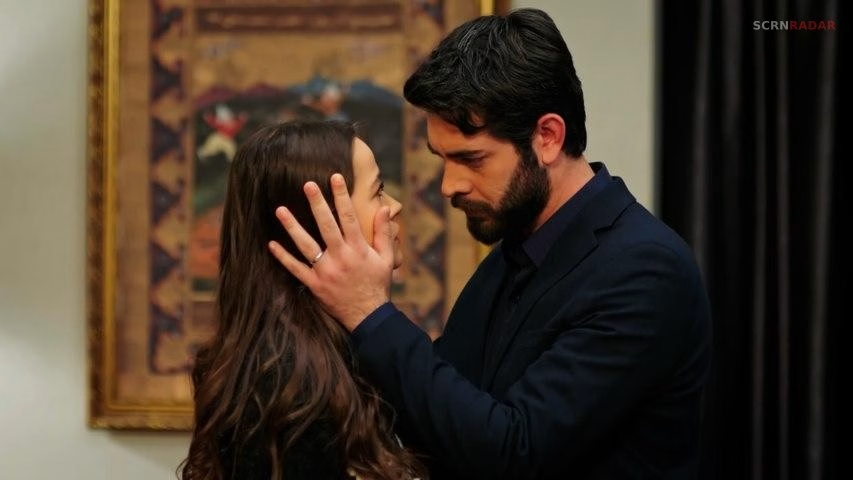
The defining feature of Kan Çiçekleri is its love-hate relationship, which serves as both its greatest strength and its biggest challenge. The tension between Dilan and Baran is constant, creating a dramatic atmosphere that keeps viewers engaged. However, this same tension can sometimes feel repetitive due to the nature of daily dramas.
The show excels at portraying emotional conflict through small interactions rather than dramatic plot twists. Simple moments, such as conversations or misunderstandings, are given significant weight, allowing the audience to feel the gradual shift in the characters’ relationship. This slow progression is a hallmark of Turkish storytelling.
At the same time, the pacing can be frustrating for some viewers. Because the show stretches its narrative over many episodes, certain conflicts are revisited multiple times. While this reinforces the emotional stakes, it can also make the story feel drawn out. Whether this is a strength or a weakness largely depends on the viewer’s preference for slow-burn storytelling.
Character Performances and Chemistry
One of the strongest aspects of Kan Çiçekleri is the chemistry between its lead actors, Yağmur Yüksel and Barış Baktaş. Their performances bring depth to characters that could otherwise feel one-dimensional due to the repetitive nature of the storyline.
Yağmur Yüksel’s portrayal of Dilan captures vulnerability and strength in equal measure. She effectively conveys the emotional toll of being trapped in a forced marriage while still maintaining a sense of resilience. This balance makes her character relatable and engaging.
Barış Baktaş, as Baran, delivers a performance that evolves over time. Initially distant and emotionally guarded, his character gradually reveals layers of complexity. This transformation is crucial to the success of the love-hate dynamic, as it allows viewers to understand his motivations and internal struggles.
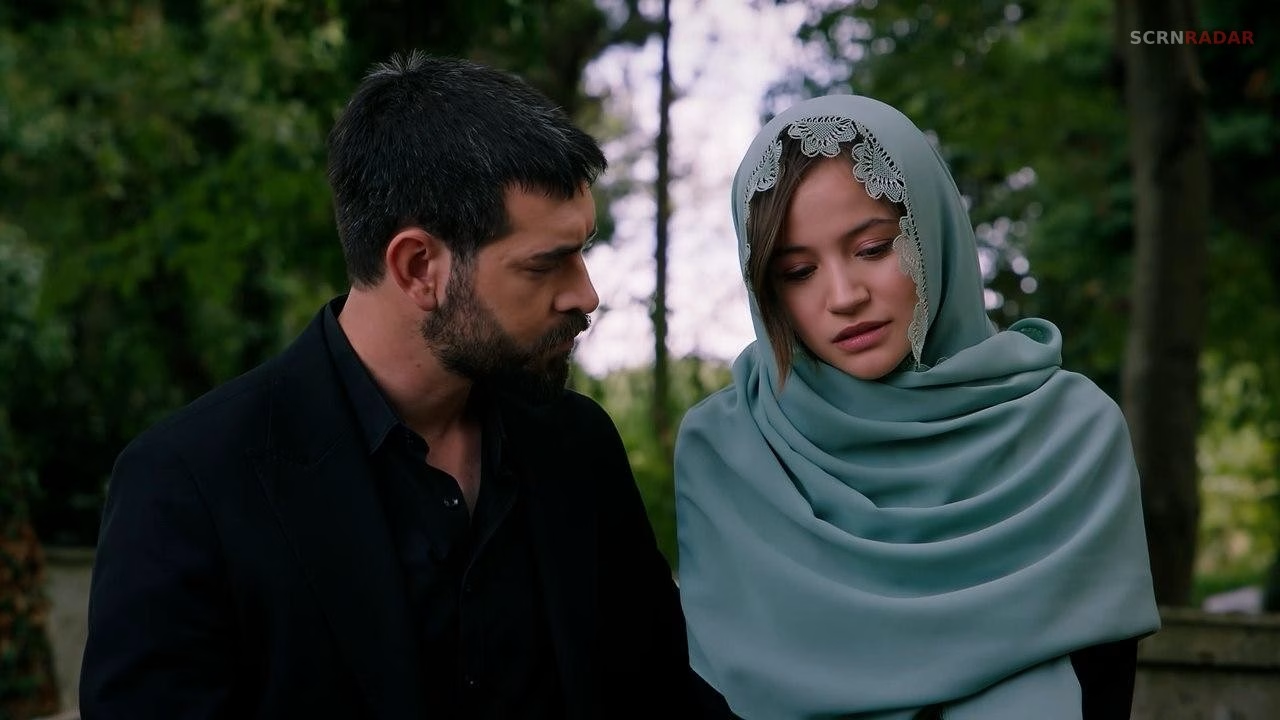
The chemistry between the leads is often highlighted in audience reactions. Many viewers continue watching the series primarily because of their interactions, even when the plot slows down. This connection is what keeps the emotional core of the story intact.
Themes of Revenge, Honor, and Redemption
Kan Çiçekleri goes beyond romance by exploring deeper themes that drive its narrative. Revenge plays a significant role, as the characters’ actions are often influenced by past conflicts and unresolved tensions. This creates a constant sense of urgency, even in slower episodes.
Family honor is another central theme. Decisions are frequently made based on tradition and societal expectations, reflecting the cultural context of the story. This adds realism to the narrative, as the characters are not acting in isolation but within a larger social framework.
Redemption is perhaps the most important theme, particularly in Baran’s character arc. His journey from a cold, duty-driven individual to someone capable of emotional connection is one of the show’s key developments. This transformation aligns with the overall message of the series, which emphasizes growth and change.
Pacing and Storytelling Structure
As a daily Turkish drama, Kan Çiçekleri follows a storytelling structure that prioritizes longevity over rapid progression. This means that character development is spread across many episodes, allowing for detailed exploration but also slower pacing.
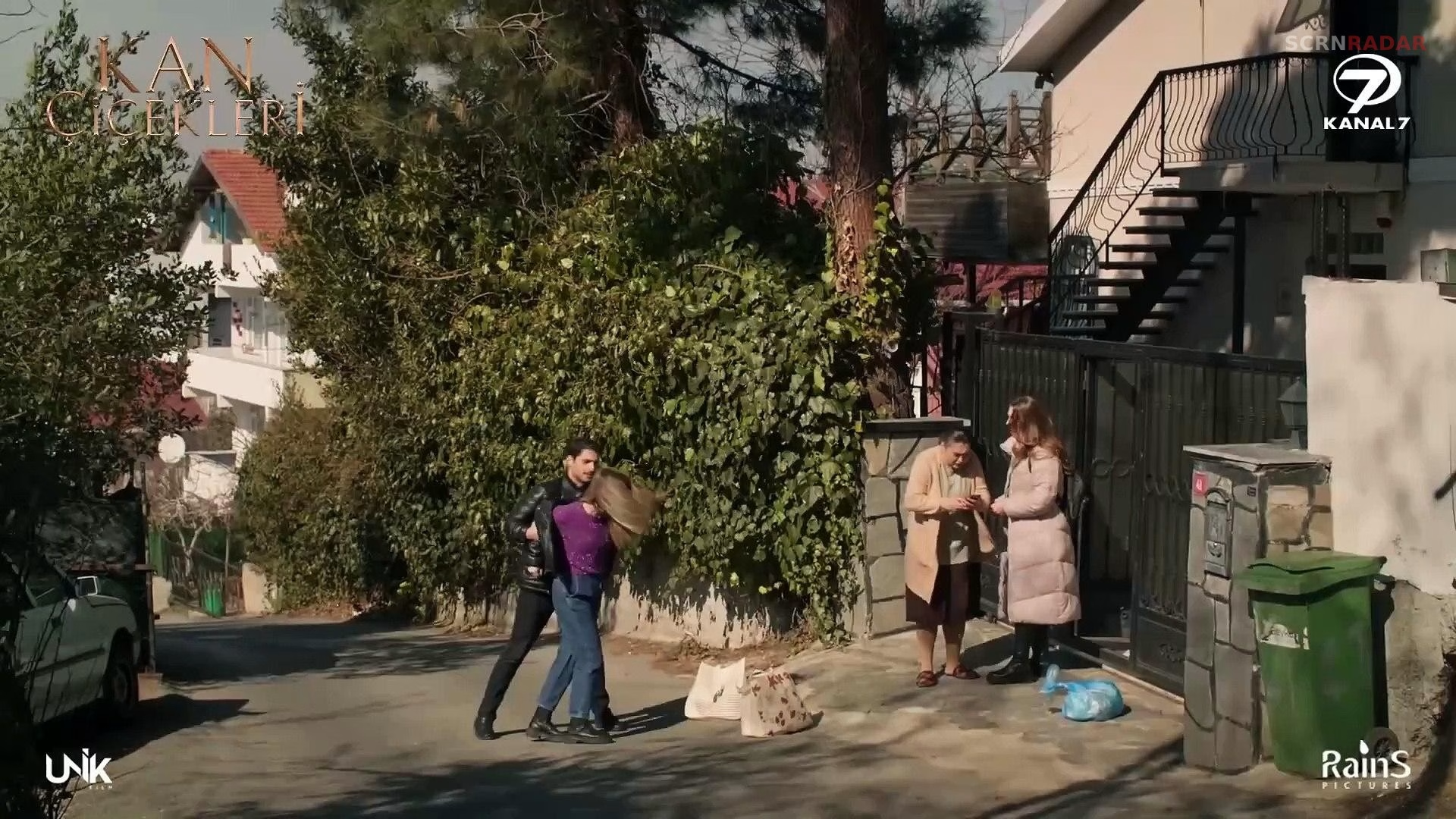
For viewers accustomed to shorter series, this structure can be challenging. Episodes often focus on emotional exchanges rather than major plot developments, which can make the story feel repetitive. However, this approach also allows for a deeper connection with the characters.
The show’s pacing is a double-edged sword. It provides time for relationships to develop naturally, but it also risks losing momentum. This balance is a common challenge in long-running dramas, and Kan Çiçekleri is no exception.
Audience Reception and Popularity
Kan Çiçekleri has received mixed but generally positive reactions from audiences. Fans of Turkish dramas appreciate its focus on emotional storytelling and character-driven narratives. The love-hate relationship between the leads is often cited as the main reason for its popularity.
However, some viewers have criticized the show for its repetitive elements and slow pacing. These criticisms are not unique to this series but are common in the genre. Despite this, the show has maintained a dedicated fanbase, particularly among those who enjoy long-form storytelling.
Online discussions frequently highlight the emotional impact of certain scenes, indicating that the show succeeds in creating memorable moments. This emotional connection is a key factor in its continued success.