How to Train Your Dragon: The Hidden World serves as the emotional conclusion to one of animation’s most beloved trilogies. Directed by Dean DeBlois, the film brings closure to the story of Hiccup and Toothless while exploring themes of growth, separation, and legacy. Unlike typical animated sequels that rely heavily on spectacle, this film leans into emotional storytelling and character resolution.
The third installment answers long-standing questions about the future of dragons and humans living together. It also presents a bittersweet ending that left many viewers emotional and, in some cases, confused. The film’s conclusion is not just about defeating a villain but about accepting change and letting go.
Let’s break down the full story, the ending, and the deeper meaning behind How to Train Your Dragon 3.
What Happens in How to Train Your Dragon 3?
The story picks up after the events of How to Train Your Dragon 2, with Hiccup now serving as the chief of Berk. Under his leadership, Berk has become a safe haven for dragons rescued from hunters. However, this peaceful coexistence creates a new problem, as the village becomes overcrowded with dragons and increasingly vulnerable to external threats.
Hiccup struggles with the responsibility of leadership, especially while trying to live up to the legacy of his father, Stoick. He wants to protect both his people and the dragons, but the growing pressure makes it clear that Berk cannot continue like this forever. This internal conflict becomes one of the film’s central emotional arcs.
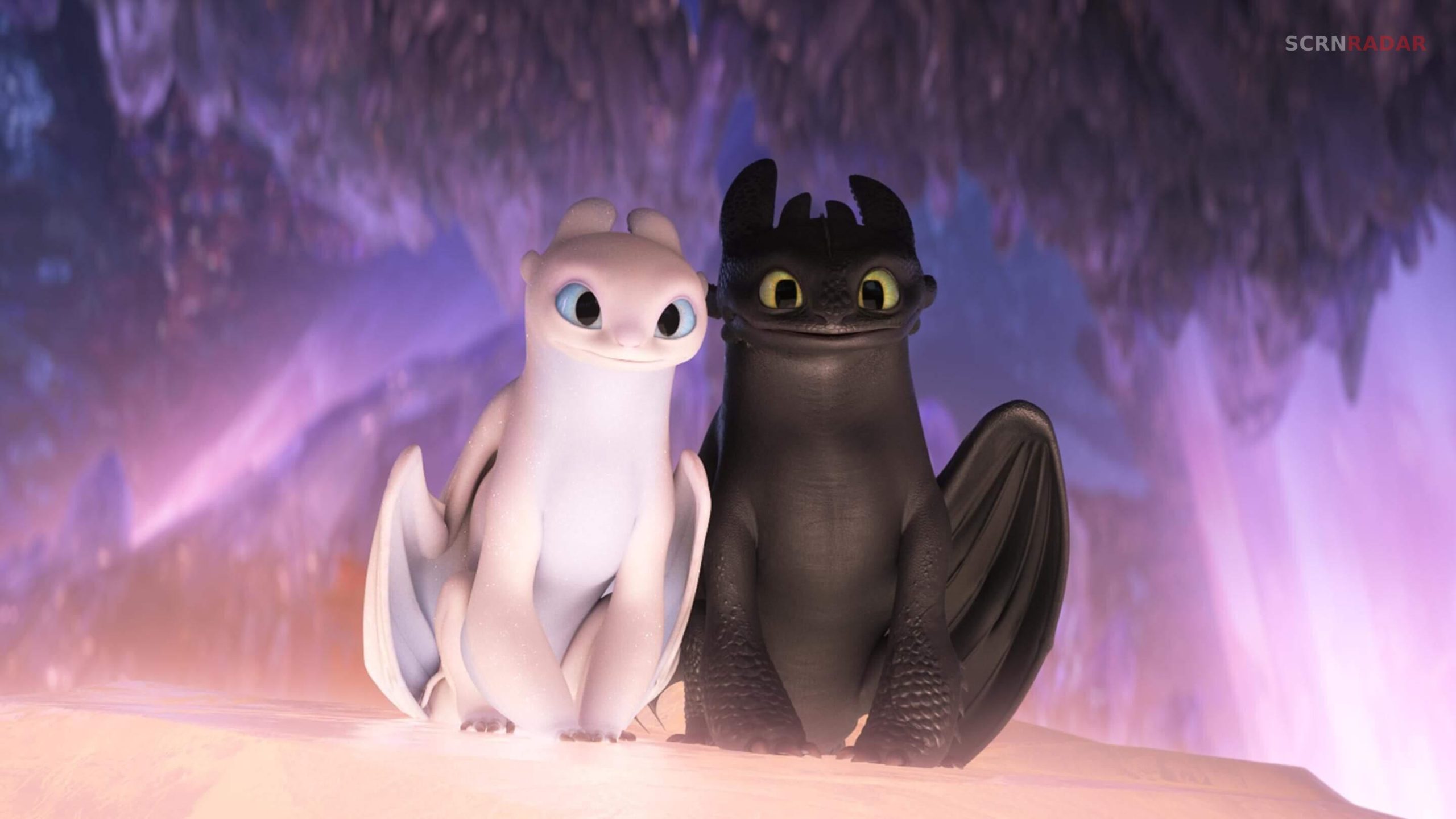
Meanwhile, Toothless encounters a mysterious female dragon known as the Light Fury. This meeting introduces a new dimension to his character, as he begins to explore instincts and emotions beyond his bond with Hiccup. The Light Fury represents both a romantic connection and a pull toward his natural world.
The main antagonist, Grimmel the Grisly, is introduced as a ruthless dragon hunter who specializes in killing Night Furies. He sees Toothless as the last of his kind and makes it his mission to eliminate him. Unlike previous villains, Grimmel is strategic, patient, and psychologically manipulative, making him a serious threat.
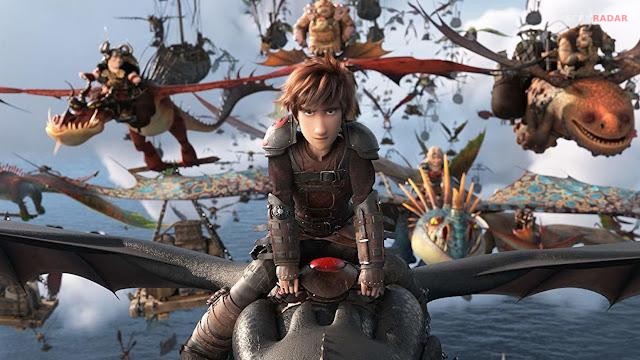
As the danger escalates, Hiccup decides that Berk must relocate to a hidden world where dragons can live safely. This decision sets the stage for the film’s central conflict, balancing safety with freedom.
The Hidden World: What It Really Represents
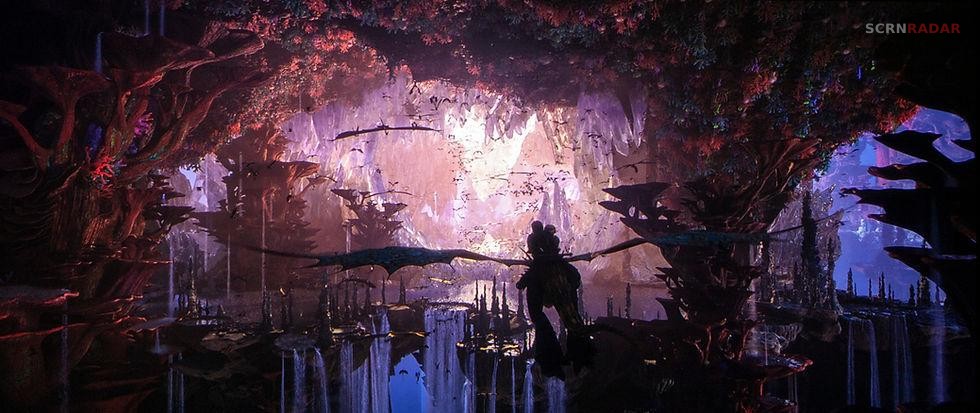
The Hidden World is introduced as a mythical sanctuary where dragons can live without human interference. It is visually depicted as a vast underground ecosystem filled with glowing environments and diverse dragon species. On the surface, it appears to be the perfect solution to the conflict between humans and dragon hunters.
However, the Hidden World carries deeper symbolic meaning. It represents a return to nature, a place untouched by human control or influence. For dragons, it is not just a refuge but a rightful home where they can exist freely without fear.
For Hiccup, the Hidden World is more complicated. While he recognizes its importance, it also represents a future where humans and dragons cannot coexist as they once did. This realization becomes central to his character development.
The film subtly suggests that coexistence, while ideal, is not always sustainable. Instead, it explores the idea that sometimes separation is necessary for survival and growth. This theme becomes more apparent as the story progresses toward its ending.
Toothless and the Light Fury: A Turning Point
Toothless’ relationship with the Light Fury is one of the most important elements of the film. It marks a shift in his character, moving him away from being solely defined by his bond with Hiccup. The Light Fury introduces him to a life beyond Berk and beyond human companionship.
Initially, Toothless struggles to balance his loyalty to Hiccup with his growing connection to the Light Fury. This internal conflict mirrors Hiccup’s own struggle between holding on and letting go. Their journeys are deeply intertwined, reflecting the film’s central theme of change.
The Light Fury is also significant because she represents the wild nature of dragons. Unlike Toothless, who has been domesticated to some extent, she is cautious around humans and resistant to their influence. This contrast highlights the difference between living alongside humans and living freely.
As Toothless grows closer to the Light Fury, it becomes clear that his future may not lie with Berk. This realization sets up the emotional weight of the film’s final act.
Grimmel the Grisly Explained
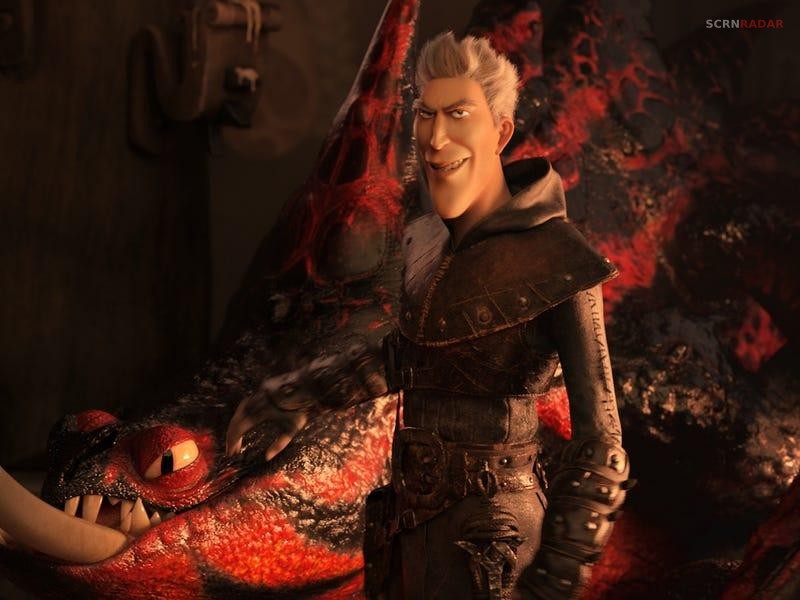
Grimmel stands out as a villain because of his intelligence and personal connection to the story. He claims to have hunted all other Night Furies to extinction, making Toothless his final target. This backstory adds a sense of urgency and danger to the narrative.
Unlike villains driven purely by power or revenge, Grimmel operates with calculated precision. He studies his enemies, anticipates their moves, and uses psychological tactics to gain the upper hand. This makes him a formidable opponent for Hiccup, who relies on strategy rather than brute strength.
Grimmel also represents humanity’s darker side. While Hiccup symbolizes coexistence and understanding, Grimmel embodies domination and control. His actions highlight the risks of humans exploiting nature rather than respecting it.
The conflict between Hiccup and Grimmel is not just physical but ideological. It reflects two opposing views on how humans should interact with dragons.
The Ending Explained: Why Dragons Leave Humans
The ending of How to Train Your Dragon 3 is both emotional and symbolic. After defeating Grimmel, Hiccup realizes that the existence of Berk continues to attract danger to the dragons. As long as dragons live with humans, they will always be hunted.
Hiccup makes the difficult decision to let the dragons go to the Hidden World. This includes Toothless, who ultimately chooses to lead the dragons as their alpha. The separation between Hiccup and Toothless is the emotional core of the ending.
This decision is not portrayed as a failure but as a necessary step toward growth. Hiccup understands that true leadership sometimes means making sacrifices for the greater good. Letting go of Toothless is his final step into adulthood.
For Toothless, leaving represents a return to his natural role. He is no longer just a companion but a leader responsible for his own kind. His bond with Hiccup remains important, but it evolves into something more mature.
The film concludes with a time jump, showing Hiccup and Astrid as adults with children. They reunite with Toothless and the Light Fury, demonstrating that their bond still exists despite the separation. This reunion reinforces the idea that letting go does not mean losing connection forever.
Themes and Deeper Meaning
One of the central themes of the film is growing up. Both Hiccup and Toothless must move beyond their dependency on each other and embrace new roles in their lives. This transition reflects real-life experiences of change, independence, and responsibility.
Another major theme is coexistence versus separation. The earlier films emphasized the possibility of humans and dragons living together. The third film challenges this idea, suggesting that some relationships cannot remain the same forever.
The concept of legacy also plays a significant role. Hiccup spends much of the film trying to live up to his father’s expectations. By the end, he defines his own path, proving that leadership is about making difficult choices rather than following tradition.
The film also touches on environmental themes. The Hidden World symbolizes untouched nature, while Grimmel represents exploitation. The story subtly encourages respect for nature and the idea that humans should not control everything.
Fact vs Interpretation: What the Ending Really Means
From a narrative standpoint, the ending confirms that dragons leave the human world permanently to ensure their survival. This is directly shown in the film and supported by Hiccup’s narration. The separation is presented as a necessary decision rather than an optional one.
However, some viewers interpret the ending as bittersweet rather than purely sad. The reunion scene suggests that the bond between humans and dragons is not completely broken. Instead, it evolves into something less frequent but still meaningful.
There has also been discussion about whether the ending contradicts the earlier films’ message of coexistence. In reality, it expands on that idea by acknowledging its limitations. The film suggests that coexistence requires ideal conditions, which are not always possible.
Director Dean DeBlois has explained in interviews that the ending was always planned as a natural conclusion to Hiccup and Toothless’ story. The goal was to show growth and change rather than maintain the status quo.
How to Train Your Dragon: The Hidden World delivers a conclusion that prioritizes emotional resolution over spectacle. It answers the trilogy’s biggest questions while reinforcing its core themes of friendship, growth, and sacrifice. The decision to separate Hiccup and Toothless may feel heartbreaking, but it ultimately reflects the realities of change.
The film stands out because it respects its audience enough to embrace a mature ending. Instead of forcing a perfect resolution, it presents a bittersweet outcome that feels earned. This approach is one of the reasons the trilogy remains so impactful.
For viewers seeking a clear explanation, the ending is about accepting that some relationships evolve rather than stay the same. Hiccup and Toothless do not lose each other. They simply move forward in different directions while carrying their bond into the future.