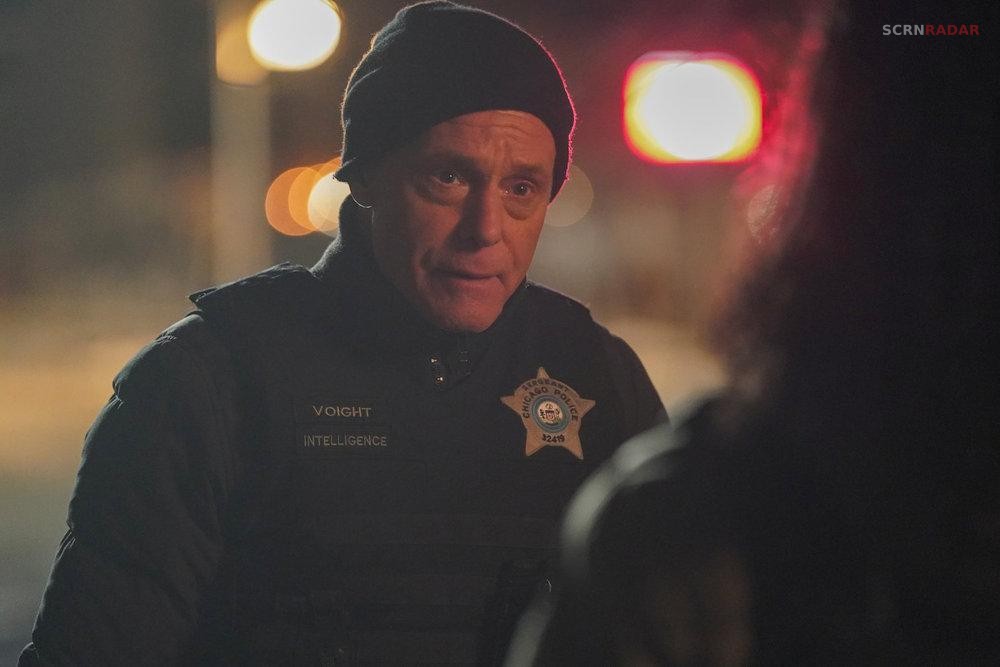
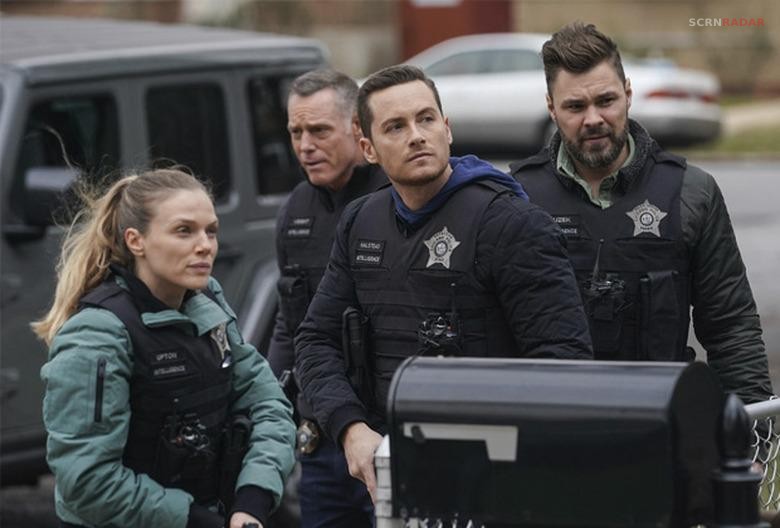
Chicago P.D. Season 9 Episode 7, titled “Trust Me,” is a gripping installment that dives deep into the complexities of trust, loyalty, and moral compromise. Airing on NBC on October 27, 2021, the episode centers on the Intelligence Unit’s attempt to dismantle a violent drug crew while relying on a highly unpredictable informant. At the heart of the story is Sergeant Hank Voight, whose instincts are once again put to the test, and Detective Jay Halstead, whose growing skepticism creates internal conflict within the team.
The episode blends high-stakes action with character-driven tension, making it one of the more compelling entries of the season. This review and recap breaks down everything that happens in “Trust Me,” while analyzing its key themes, performances, and impact on the narrative.
What Happens in “Trust Me”? Full Episode Recap
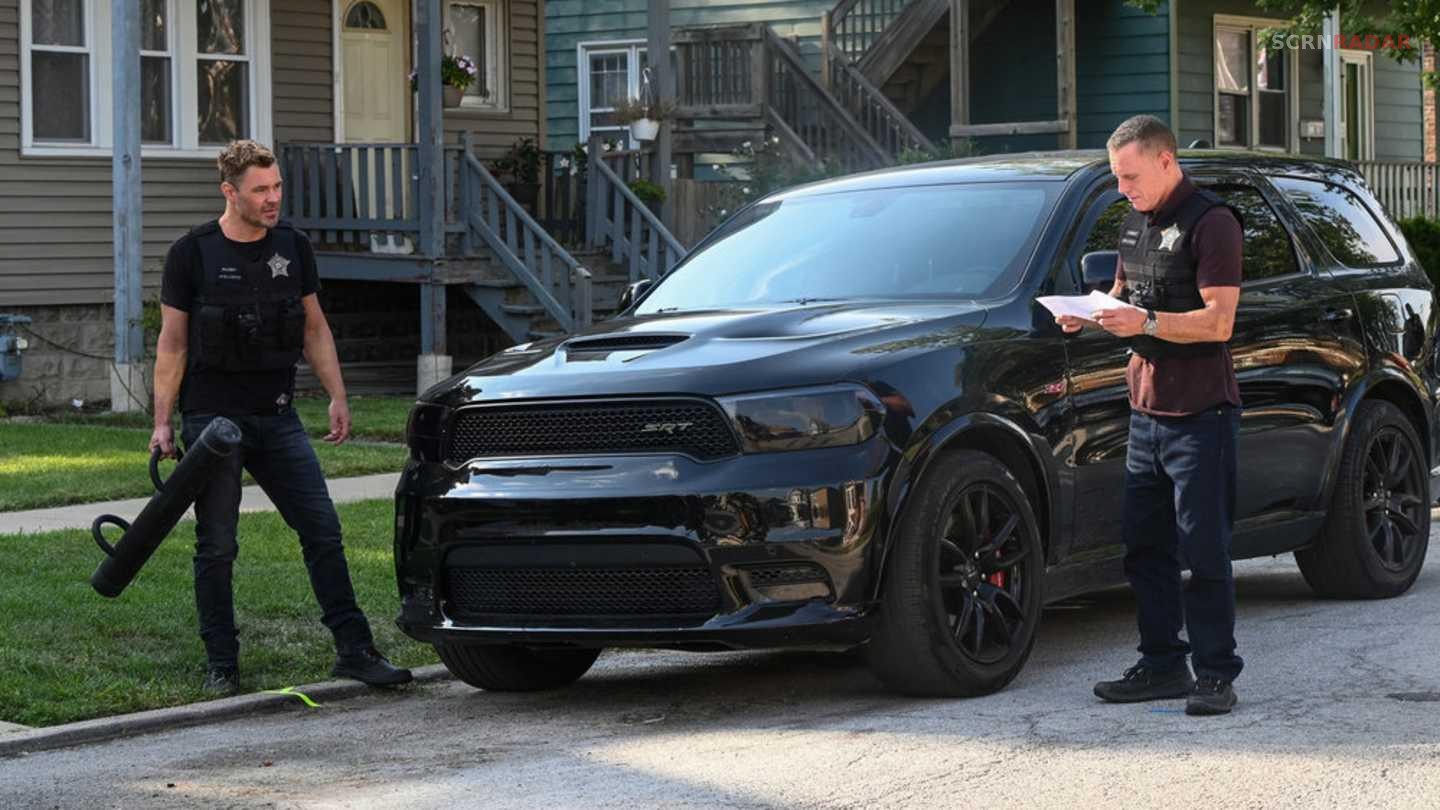
The episode opens with what appears to be a routine undercover drug operation led by Atwater and Ruzek. However, the situation quickly spirals out of control when a second crew storms in, armed with semi-automatic weapons. They rob both the dealers and the undercover officers, triggering a chaotic shootout before escaping in prepared getaway vehicles.
During the chaos, Halstead narrowly avoids being hit by a car, thanks to a warning from a nearby woman. Initially, she refuses to cooperate as a witness and disappears, raising suspicion. Later, Halstead spots her again during the investigation, confirming that she knows more than she initially revealed.
When Halstead runs her license plate, it leads to a fake identity, deepening the mystery. This sets the stage for one of the episode’s central plotlines, as the team begins searching for a woman who seems closely connected to the robbery crew.
Anna Avalos: The Informant With Her Own Agenda
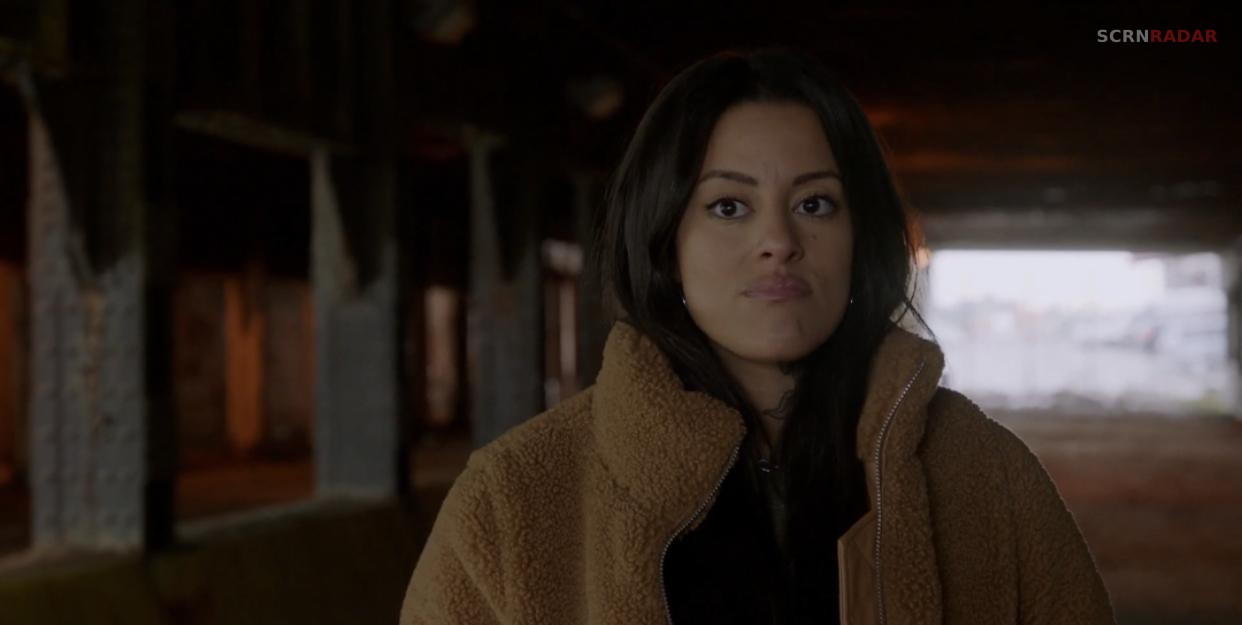
The mysterious woman is revealed to be Anna Avalos, a criminal informant who unexpectedly approaches Voight. She offers information about the drug crew in exchange for money, immediately establishing herself as someone who operates on her own terms.
Anna’s backstory adds depth to her character. She has a troubled past, including time in prison, and is trying to rebuild her life for the sake of her son. Her motivations are not purely financial, though, as she is also driven by a desire for revenge against Luis Cortes, a key figure in the drug operation.
Her relationship with Luis is particularly complex. She is romantically involved with him, using that connection to gather information. This dual role as both partner and informant creates tension, as it becomes unclear where her loyalties truly lie.
Voight sees potential in Anna and decides to work with her, believing that her insider knowledge could help bring down the crew. Halstead, however, is far less convinced.
Voight vs Halstead: A Clash of Trust
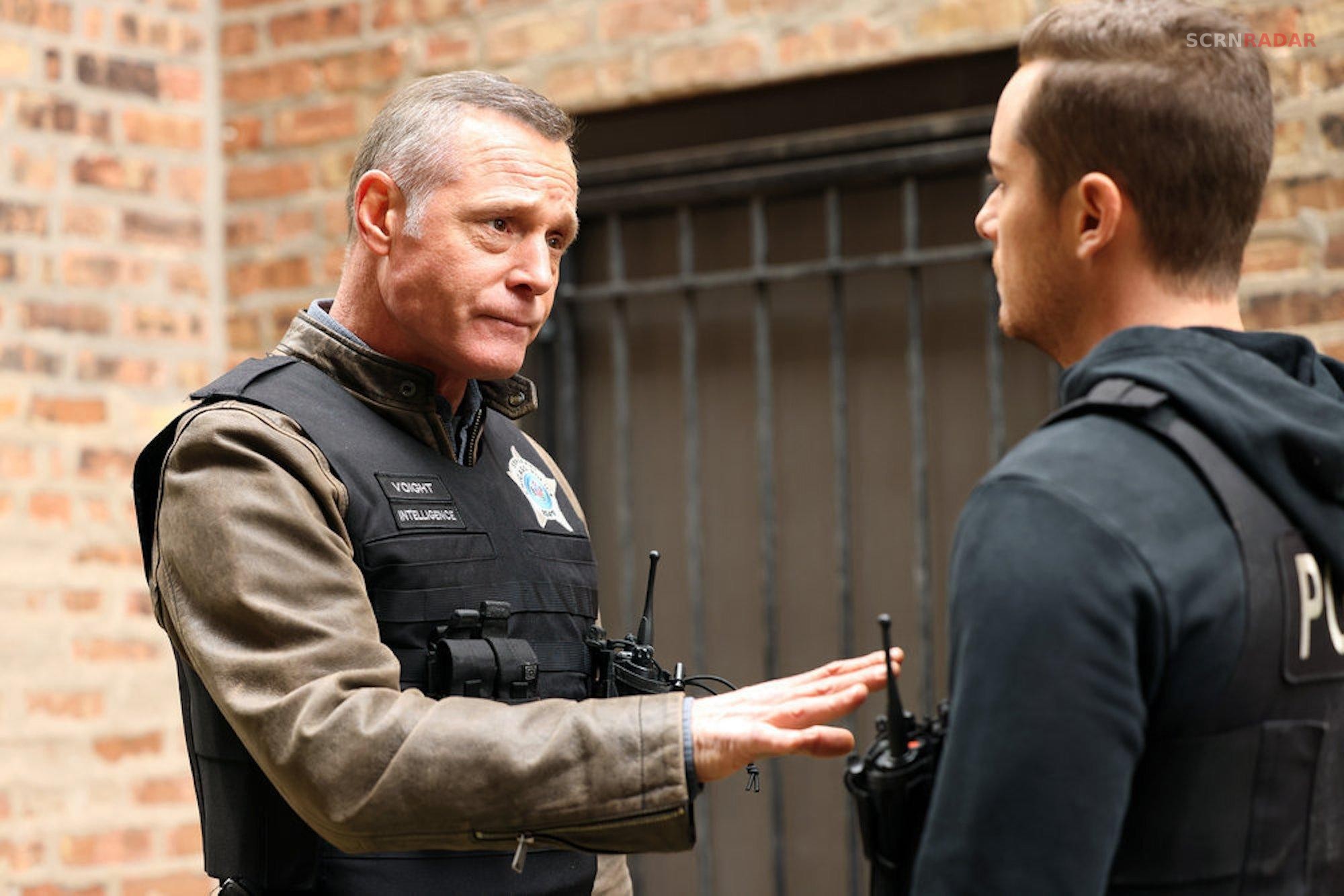
One of the strongest elements of the episode is the growing conflict between Voight and Halstead. While Voight relies on his instincts and experience, Halstead approaches the situation with caution and skepticism.
Halstead quickly suspects that Anna is manipulating the team. When she provides information about a planned robbery that turns out to be incorrect, his doubts intensify. He believes she may be feeding them false leads for her own benefit.
Voight, on the other hand, chooses to trust Anna, at least to a certain extent. He confronts her directly and learns that she has been cloning Luis’s phone to gather information. This revelation convinces Voight that she is genuinely invested in taking Luis down.
The tension between the two officers highlights a central theme of the episode: the difficulty of knowing who to trust in high-stakes situations. Their disagreement also reflects broader questions about ethics and risk in law enforcement.
Undercover Operation Goes Wrong
As the investigation progresses, Anna becomes more deeply involved in the operation. The team wires her with surveillance equipment and sends her to gather evidence directly from Luis.
The situation quickly becomes dangerous when Luis begins to suspect that someone in his crew is working with the police. He threatens one of his associates at gunpoint, creating a tense and unpredictable environment.
Halstead grows increasingly uneasy and decides to intervene prematurely, going against Voight’s orders. This decision forces Voight to improvise, using a patrol unit as a distraction to prevent the situation from escalating further.
The incident underscores the risks involved in relying on informants. It also deepens the rift between Voight and Halstead, as both men question each other’s judgment.
Anna’s True Motive Revealed
A turning point in the episode comes when Anna admits the real reason behind her actions. Luis was responsible for her brother’s death, ordering him to be killed in prison over a debt. This revelation explains her determination to take him down.
Her quest for revenge adds a personal dimension to the case, making her actions more understandable but also more dangerous. Revenge-driven informants are often unpredictable, and Anna is no exception.
Voight recognizes this but continues to work with her, believing that her motivations can still align with the team’s goals. Halstead remains unconvinced, seeing her emotional involvement as a liability.
This conflict adds complexity to the narrative, as both perspectives have merit. The episode does not provide a clear answer, instead allowing the tension to drive the story forward.
The Final Sting Operation
In the final act, the team prepares to take down Luis once and for all. Anna plays a crucial role, informing them about a planned drug movement and accompanying Luis during the operation.
In a calculated move, Anna provokes Luis into hitting her while they are in the car. This provides the officers with probable cause to pull them over. During the search, they discover drugs in the vehicle, leading to Luis’s arrest.
However, the victory is not as straightforward as it seems. Halstead suspects that Anna planted the drugs herself to ensure Luis’s capture. This raises serious ethical questions about the legitimacy of the arrest.
When confronted, Anna admits that she planted the evidence. Voight reprimands her but ultimately chooses to continue working with her, prioritizing the outcome over the method.
Themes of Trust, Morality, and Control
“Trust Me” explores several recurring themes that define Chicago P.D.. Trust is at the center of the narrative, influencing every decision made by the characters. Whether it is Voight trusting Anna or Halstead questioning her, the concept drives the story forward.
Morality is another key theme. The episode raises questions about whether the ends justify the means, particularly in law enforcement. Anna’s actions blur the line between right and wrong, forcing the team to confront difficult ethical dilemmas.
Control is also a significant factor. Both Voight and Halstead struggle to maintain control over a situation that becomes increasingly unpredictable. Anna’s independence further complicates matters, as she refuses to be fully controlled by either side.
These themes add depth to the episode, elevating it beyond a standard procedural drama.
Character Development and Performances
The episode provides meaningful development for several key characters. Voight’s willingness to trust Anna reflects his pragmatic approach to policing, even when it involves moral compromise.
Halstead’s skepticism highlights his commitment to doing things by the book, creating a strong contrast with Voight. This dynamic has been a defining aspect of the series, and “Trust Me” reinforces it effectively.
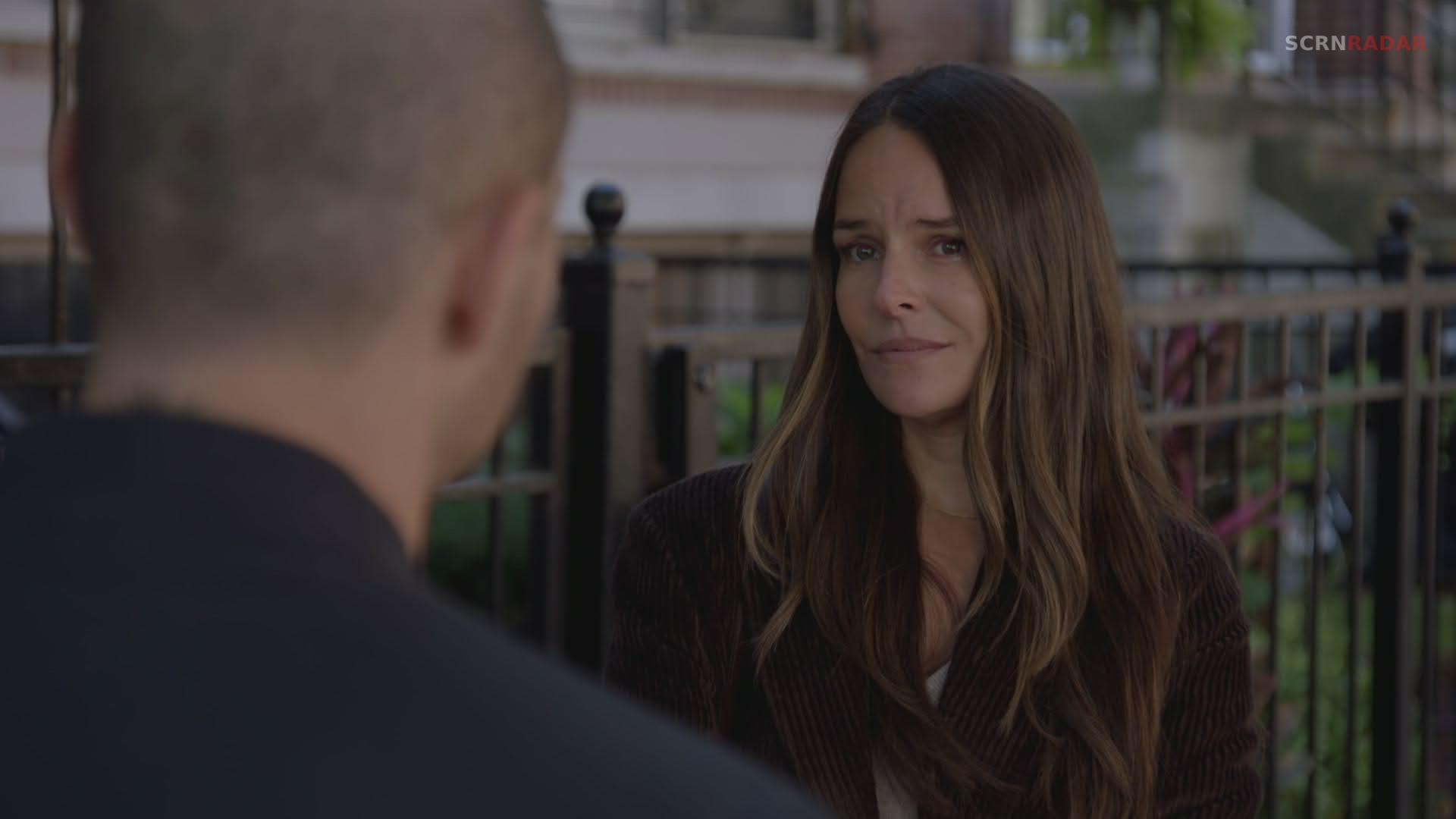
Anna emerges as one of the most compelling characters introduced in the season. Her complexity and unpredictability make her a standout presence, adding tension to every scene she appears in.
The performances across the board are strong, with each actor bringing authenticity to their roles. The emotional and psychological stakes feel real, enhancing the impact of the episode.
Where the Episode Excels
“Trust Me” excels in its ability to combine action with character-driven storytelling. The opening shootout sets the tone, while the subsequent investigation keeps the tension high.
The introduction of Anna adds a fresh dynamic to the series. Her presence challenges the team’s usual methods, forcing them to adapt and rethink their approach.
The episode also benefits from its pacing. Each scene builds on the last, creating a sense of momentum that carries through to the final act.
Additionally, the moral ambiguity of the story makes it more engaging. By avoiding clear-cut answers, the episode encourages viewers to think critically about the characters’ decisions.
Where It Falls Short
Despite its strengths, the episode has some limitations. The reliance on an informant-driven plot may feel familiar to long-time viewers of the series.
The ethical implications of Anna’s actions are not fully explored. While the episode acknowledges the issue, it stops short of addressing the potential consequences in depth.
Some viewers may also find the resolution too convenient. The final arrest, while satisfying, raises questions about procedural accuracy and long-term impact.
These issues do not significantly detract from the episode but are worth noting.
Chicago P.D. Season 9 Episode 7, “Trust Me,” is a tense and thought-provoking installment that highlights the complexities of trust and morality in law enforcement. With strong performances, engaging storytelling, and a compelling new character in Anna Avalos, the episode delivers both action and emotional depth.
The conflict between Voight and Halstead adds an extra layer of tension, making the narrative more dynamic. While it may not fully resolve its ethical questions, it succeeds in presenting them in a way that keeps viewers invested.
For fans of the series, this episode is a must-watch that reinforces the show’s strengths while introducing new challenges for its characters.