
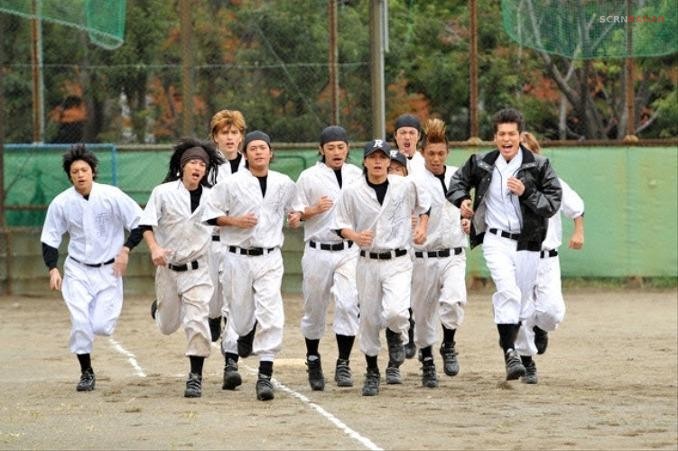
Sports Japanese dramas have carved a unique identity within global television by combining emotional storytelling with intense competition. Unlike many Western sports series that focus heavily on spectacle, J-dramas often explore the psychological struggles, personal growth, and team dynamics behind every match. This grounded approach has made sports J-dramas incredibly engaging for both sports fans and general viewers.
From high school baseball dreams to professional rugby battles, these shows capture the spirit of perseverance and resilience. Many of them are inspired by real-life sports culture in Japan, adding authenticity to their narratives. Industry coverage from platforms like Netflix and major entertainment outlets has often highlighted how these series balance realism with character-driven storytelling, making them stand out globally.
If you are looking for the best sports Japanese dramas to watch, this guide breaks down five standout titles that define the genre. Each series offers a unique perspective on competition, making them worth adding to your watchlist. Let’s break down what makes each one essential viewing.
1. Rookies (2008)
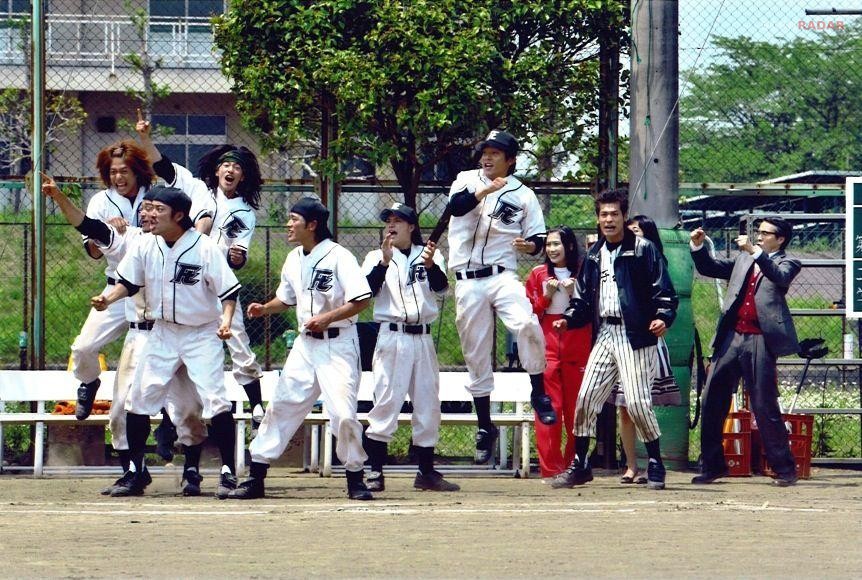
Rookies is widely considered one of the most influential sports Japanese dramas, particularly in the high school baseball genre. Based on Masanori Morita’s manga, the story revolves around a group of delinquent students who have completely lost direction. Their school’s baseball team has been suspended due to violent behavior, and most teachers have given up on them.
Everything changes when Koichi Kawato, an idealistic and passionate teacher, takes over as their advisor. Unlike others, he refuses to see the students as lost causes. Instead, he believes baseball can give them a sense of purpose and discipline. His unwavering belief becomes the foundation of the entire narrative.
The early episodes focus heavily on rebuilding trust. The students initially mock Kawato and resist his efforts, but his persistence slowly begins to break through their defenses. This gradual transformation is what makes the drama emotionally powerful. It feels earned rather than forced.
One of the defining strengths of Rookies is its ensemble cast. Each player has a distinct personality and backstory, ranging from anger issues to broken family relationships. The drama takes time to explore these arcs, ensuring that every character feels important to the team’s journey.
The series also reflects Japan’s deep connection to high school baseball, especially the prestigious Koshien tournament. The stakes are not just about winning games but about reclaiming dignity and proving themselves. This cultural authenticity adds depth to the story.
The training sequences are particularly impactful. Instead of focusing purely on technical skills, they highlight mental growth and teamwork. The players learn to trust each other, which becomes their greatest strength during matches.
As the series progresses, the team begins to win games, but the victories are always tied to personal growth. Every match represents a step forward in their journey toward redemption. The emotional payoff in the later episodes is incredibly satisfying because viewers have witnessed their struggles from the beginning.
The drama’s climax delivers a powerful message about perseverance. Even when faced with setbacks, the team refuses to give up. This resilience resonates strongly with audiences, making the story both inspiring and relatable.
Rookies remains a benchmark for sports dramas because of its ability to balance intense baseball action with deeply emotional storytelling. It is not just about the sport but about second chances and believing in oneself.
2. Pride (2004)

Pride stands out as one of the most stylish and mature sports Japanese dramas. Starring Takuya Kimura, the series focuses on professional ice hockey, a relatively uncommon sport in Japanese television. This alone makes it a unique entry in the genre.
The story follows Halu Satonaka, a confident and charismatic player who lives by his personal philosophy of maintaining pride in everything he does. He is not just focused on winning games but also on preserving his identity as an athlete. His journey explores both professional ambition and personal relationships.
The romantic subplot plays a significant role in the narrative. Halu’s relationship with Aki Murase adds emotional depth to the story. Their evolving dynamic provides a contrast to the high-pressure environment of professional sports.
Unlike high school-based dramas, Pride explores the challenges faced by adult athletes. The pressure to perform, maintain contracts, and deal with injuries is portrayed realistically. This grounded approach makes the series relatable to a broader audience.
The ice hockey sequences are visually engaging and well-executed. The intensity of the matches reflects the physical demands of the sport. These scenes are complemented by strong character interactions, ensuring a balanced narrative.
The drama also emphasizes teamwork. While Halu is a central figure, the success of the team depends on collective effort. This reinforces the importance of unity in sports.
One of the highlights of Pride is its character development. Halu is not portrayed as a perfect hero. He has flaws, insecurities, and moments of doubt. This complexity makes him a compelling protagonist.
The supporting characters are equally well-developed. Each teammate has their own struggles and motivations. Their interactions create a sense of authenticity that enhances the storytelling.
The emotional moments are subtle yet impactful. The drama does not rely on excessive melodrama but instead focuses on realistic relationships. This makes the story feel genuine and engaging.
Pride remains a standout sports drama because of its ability to blend romance, ambition, and sports seamlessly. It offers a mature perspective on what it means to pursue excellence.
3. Water Boys (2003)

Water Boys is one of the most unconventional sports Japanese dramas, and that is exactly what makes it memorable. Instead of focusing on traditional sports, it tells the story of a group of high school boys forming a synchronized swimming team. The premise itself is both humorous and refreshing.
The series begins with a single student determined to keep the swimming club alive after the girls quit. As he recruits other members, the group faces ridicule and skepticism. Their journey is filled with comedic moments, but it also carries a deeper message about perseverance.
The training sequences are both entertaining and inspiring. The boys struggle to master synchronized swimming, a sport that requires precision and coordination. Their determination to improve becomes the driving force of the narrative.
The charm of Water Boys lies in its balance of humor and emotion. While the series often leans into comedy, it never undermines the seriousness of the characters’ goals. The boys genuinely want to succeed, and their efforts are portrayed with sincerity.
The drama also challenges traditional gender norms. Synchronized swimming is often associated with female athletes, but the series redefines this perception. It celebrates individuality and encourages viewers to pursue their passions regardless of societal expectations.
The final performance is one of the most memorable moments in the series. It showcases not just their technical skills but also their growth as a team. The sense of achievement is incredibly satisfying.
Water Boys gained significant popularity for its unique concept and relatable characters. It resonated with audiences who appreciated its lighthearted yet meaningful storytelling. The series also inspired a broader appreciation for less conventional sports.
The friendships formed among the characters are a key highlight. Their bond evolves naturally, adding depth to the narrative. This focus on relationships makes the story more engaging.
The drama proves that sports stories do not always need intense rivalry to be compelling. Sometimes, the journey itself is enough. Water Boys stands as a testament to creativity within the sports genre.
4. No Side Game (2019)
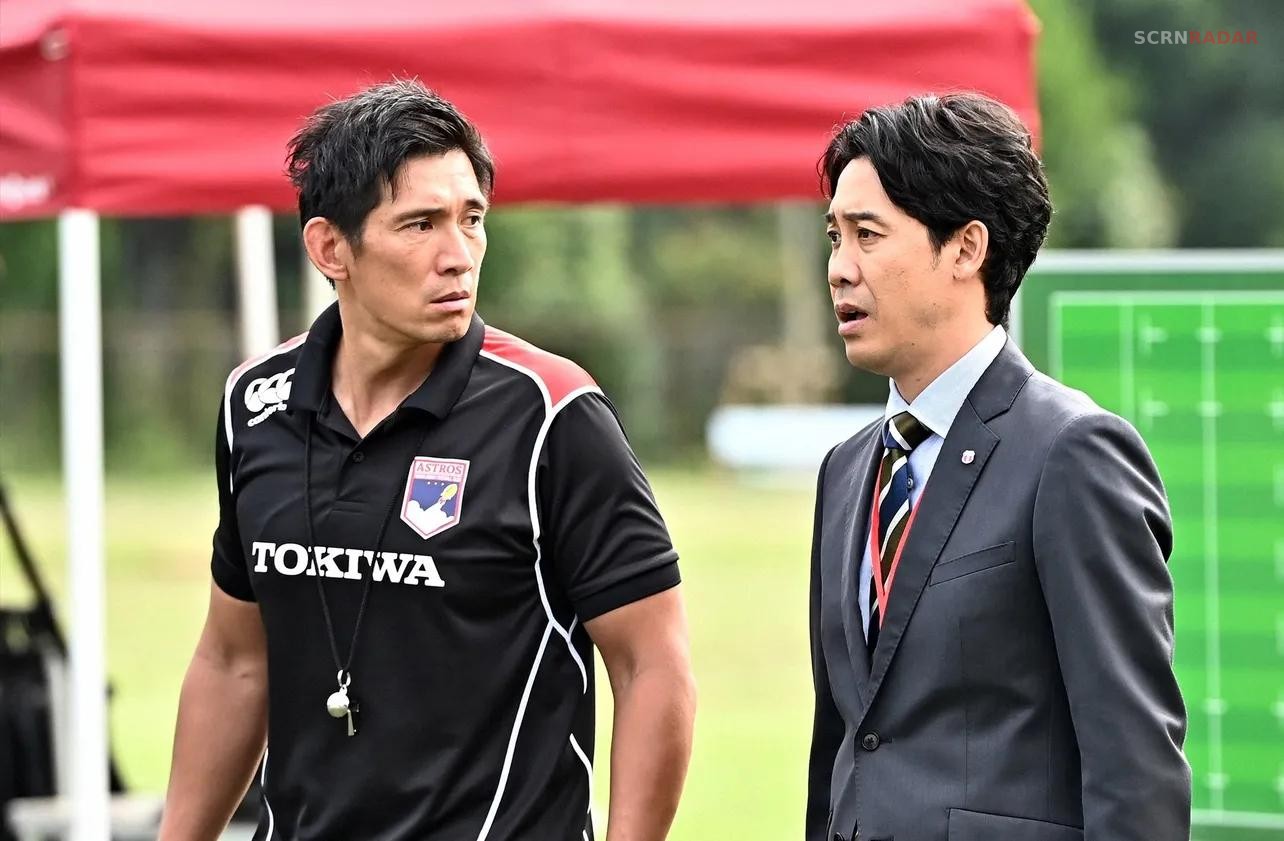
No Side Game offers a unique blend of corporate drama and sports storytelling. Based on a novel by Jun Ikeido, the series follows Tatsuya Kimura, a corporate executive who is reassigned to manage a struggling rugby team. This dual narrative sets it apart from traditional sports dramas.
Initially, Tatsuya has little knowledge of rugby. His focus is on business efficiency rather than sports performance. However, as he becomes more involved with the team, he begins to understand the passion and dedication required in rugby.
The series explores both the corporate and athletic sides of the story. This combination creates a layered narrative that keeps viewers engaged. It is not just about winning matches but also about leadership and decision-making.
One of the strongest aspects of No Side Game is its realism. The drama look into the financial challenges faced by sports teams. Budget constraints, sponsorship issues, and organizational politics are all explored in detail.
The rugby matches are intense and well-choreographed. They capture the physicality and रणनीतिक elements of the sport. This authenticity adds credibility to the series.
The leadership style of Tatsuya evolves over time. He learns to balance corporate strategies with the emotional needs of the team. This growth is central to the narrative.
The drama emphasizes the importance of teamwork and trust. Each player has a role to play, and success depends on collective effort. This message is reinforced throughout the series.
The relationships between players and management are also explored. Conflicts arise, but they are resolved through communication and understanding. This realistic portrayal adds depth to the story.
No Side Game stands out for its ability to combine sports action with thoughtful storytelling. It appeals to viewers who enjoy narratives that go beyond the playing field.
5. Attack No. 1 (2005)
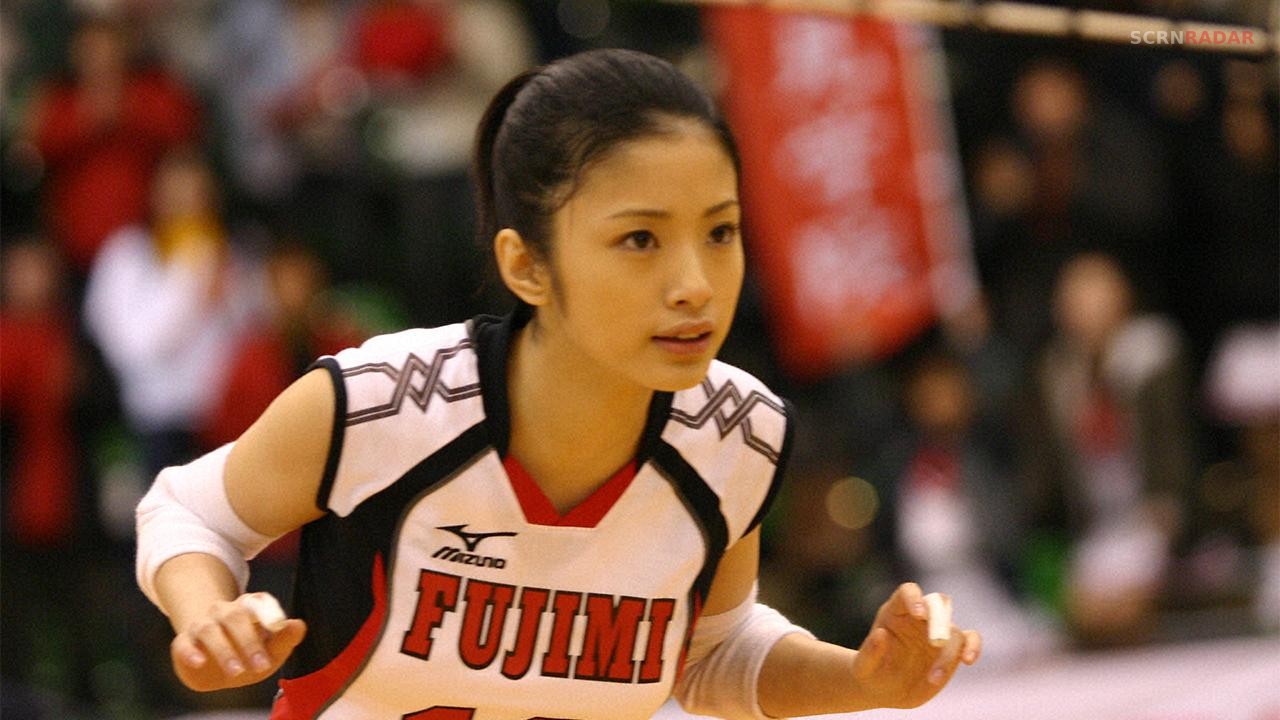
Attack No. 1 is a classic sports Japanese drama that focuses on volleyball and the journey of Kozue Ayuhara. Adapted from a popular manga, the series follows her rise as a competitive athlete. Her determination and resilience drive the narrative.
Kozue faces numerous challenges, including intense training, rivalries, and personal struggles. These obstacles test her resolve and push her to improve. The drama highlights the sacrifices required to succeed in sports.
The volleyball matches are intense and engaging. They showcase the technical aspects of the sport while maintaining emotional stakes. Each game feels significant to the story.
Kozue’s character development is one of the highlights of the series. She evolves from a passionate beginner into a skilled and determined athlete. Her journey is both inspiring and relatable.
The supporting characters add depth to the narrative. Teammates, coaches, and rivals all play important roles in shaping Kozue’s path. Their interactions create a dynamic and engaging story.
The emotional moments are impactful. The drama captures the highs and lows of competitive sports. This balance keeps viewers invested in the story.
Attack No. 1 has had a lasting influence on sports dramas in Japan. It set a standard for storytelling that combines athletic competition with personal growth. The series continues to inspire new generations of viewers.
The themes of perseverance and dedication are universal. They resonate with audiences beyond the sports genre. This timeless appeal is what makes the drama a classic.
The series proves that sports stories can be both entertaining and meaningful. It remains a must-watch for fans of Japanese dramas.
The best sports Japanese dramas offer more than just thrilling matches. They explore themes of perseverance, teamwork, and personal growth through compelling storytelling. Each of the five dramas highlighted here brings a unique perspective to the genre.
Rookies delivers an emotional story of redemption through baseball, while Pride combines ice hockey with romance and ambition. Water Boys offers a refreshing and humorous take on sports, and No Side Game adds depth with its corporate narrative. Attack No. 1 stands as a classic example of determination and growth in volleyball.
These series showcase the versatility of sports J-dramas. They prove that the genre is not limited to competition but extends to character-driven narratives. This balance is what makes them so engaging.
If you are looking to explore sports Japanese dramas, these five titles are an excellent starting point. They capture the essence of the genre and leave a lasting impression on viewers.