Zombies 3 may be fictional, but its vibrant setting of Seabrook is built from real locations across Canada. For fans of the franchise starring Milo Manheim, visiting these filming sites offers a unique way to step inside the universe of the films. Instead of relying entirely on studio sets, the production team transformed everyday spaces such as parks, schools, and historic landmarks into cinematic backdrops.
What makes these locations especially interesting is how seamlessly they blend reality with fiction. A public park becomes a colorful town square, a high school turns into a central story hub, and a lakeside lighthouse transforms into a dramatic sci-fi landing zone. This creative reuse of real-world environments not only enhances storytelling but also boosts tourism in these areas.
Let’s explore the key filming locations used in the Zombies series and why they are worth visiting.
Chinguacousy Park: The Heart of Seabrook Comes Alive
Chinguacousy Park played a central role in bringing Seabrook to life. Spanning over 40 hectares, this expansive park was temporarily redesigned to resemble the town’s main street for Zombies 3.
The transformation included colorful storefront-style designs and themed decorations that gave the space a playful, fictional identity. Despite these changes, the park’s natural layout made it an ideal filming location. Its artificial lake, walking trails, and open amphitheater offered multiple angles for shooting scenes.
Beyond its cinematic appeal, the park is a fully functional recreational space. Visitors can explore biking paths, seasonal attractions, and community areas, making it more than just a filming site. Its versatility highlights how urban design can support both everyday use and large-scale productions.
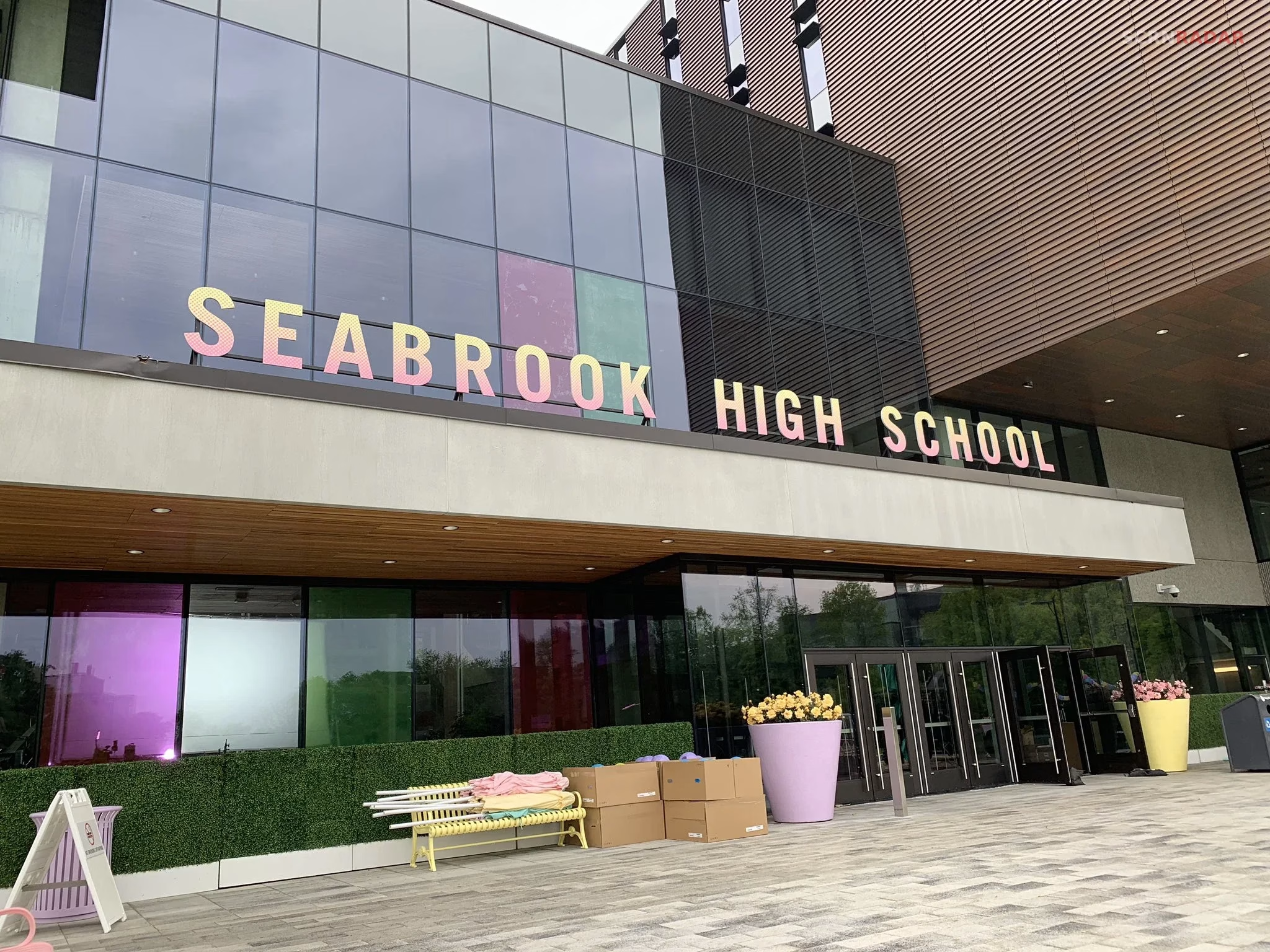
Hamilton High School: The Real Seabrook High
Hamilton High School served as the foundation for Seabrook High, one of the most recognizable settings in the Zombies series. This location anchors much of the story, where themes of inclusion and identity unfold between humans and zombies.
The production team made minimal structural changes, relying instead on set design and color schemes to match the show’s aesthetic. This approach demonstrates how existing architecture can be adapted for storytelling without major alterations.
The school’s design, dating back to the early 20th century, adds authenticity to the setting. Its spacious interiors and natural lighting made it practical for filming, while also enhancing the visual tone of the series. For fans, visiting the site offers a direct connection to the narrative’s central environment.
Port Credit Lighthouse: A Sci-Fi Twist on a Historic Landmark
Port Credit Lighthouse stands out as one of the more visually striking filming locations. Situated along Lake Ontario, this historic structure was used in key scenes, including a memorable alien landing sequence.
The lighthouse’s classic design contrasts with the futuristic elements introduced in the film, creating a unique visual blend. Its surrounding marina adds another layer of depth, combining natural scenery with urban waterfront charm.
From a visitor’s perspective, the location offers scenic views and a peaceful atmosphere. Its role in the film adds an extra layer of interest, turning a simple landmark into a must-see destination for fans.
Casa Loma: A Gothic Setting with Cinematic Appeal
Casa Loma brings a completely different tone to the Zombies series. This historic castle, known for its Gothic Revival architecture, was used as a dramatic safe haven within the story.
Originally built in the early 20th century, Casa Loma features grand interiors, hidden passageways, and expansive gardens. These elements make it a natural fit for imaginative storytelling, especially in scenes requiring tension or mystery.
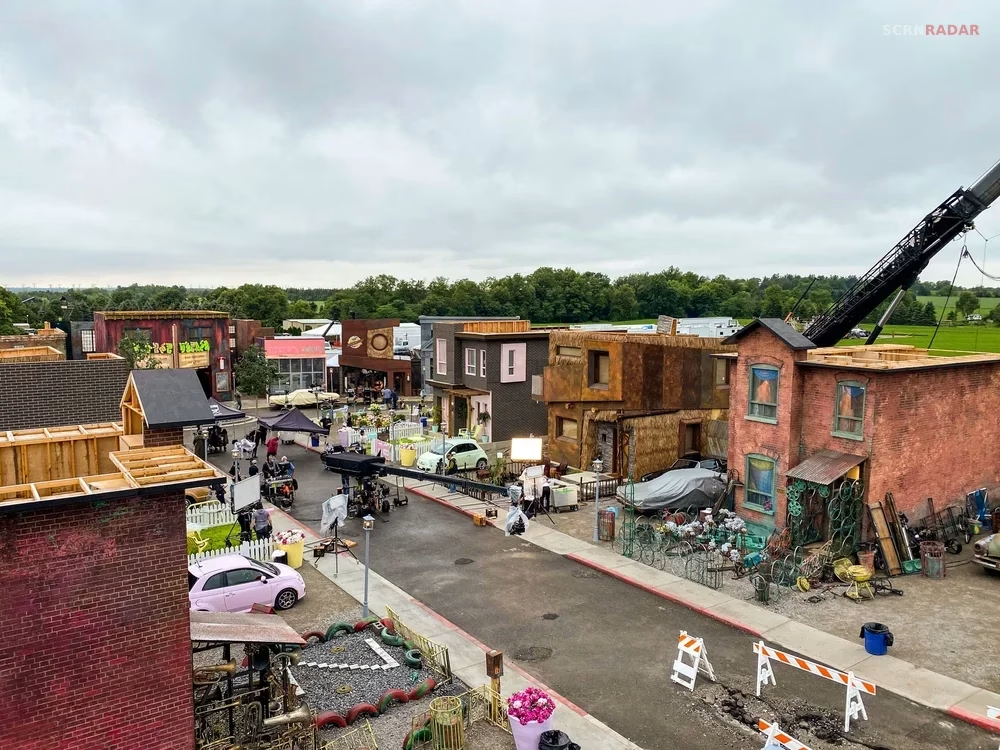
Today, visitors can explore the castle and even view exhibits related to film productions that have taken place there. Its dual role as both a historical site and a filming location makes it one of the most engaging stops on this list.
Burlington Downtown: Turning a City into “Zombie Town”
Burlington, Ontario provided the setting for a reimagined urban space often referred to as “Zombie Town.” The downtown district was adapted to fit the film’s aesthetic, blending familiar city elements with a stylized, post-apocalyptic vibe.
This transformation required temporary design changes rather than permanent alterations. The production team used lighting, props, and camera angles to reshape the environment while preserving its original structure.
The result is a location that feels both real and fictional at the same time. For visitors, it offers a chance to explore a functioning city that briefly became part of a cinematic universe. The increased attention has also helped boost local tourism and business activity.
Unionville Main Street: Where Romance Meets Nostalgia
Unionville Main Street adds a softer, more romantic tone to the Zombies series. Known for its historic charm and quaint architecture, this location serves as a backdrop for key relationship moments in the story.
The area’s cobblestone streets and heritage buildings create a visually appealing setting that enhances the emotional aspects of the narrative. Unlike some of the more heavily modified locations, Unionville retains much of its original character on screen.
Visitors can enjoy local shops, cafes, and cultural events while experiencing a place that played a role in the series. Its timeless appeal makes it a standout destination beyond its connection to the films.
Why These Locations Matter for Fans and Travelers
The filming locations used in the Zombies series highlight how real-world environments can shape fictional storytelling. Each site contributes a distinct visual and emotional layer, helping bring Seabrook to life in a believable way.
For fans, visiting these places offers more than just sightseeing. It creates a deeper connection to the story and characters. Walking through these locations allows viewers to experience the scale and creativity behind the production.
From a travel perspective, these sites showcase the diversity of Ontario’s landscapes and architecture. Whether it’s a park, a school, or a historic landmark, each location offers something unique.
The Zombies franchise demonstrates the power of location-based storytelling. By transforming everyday spaces into cinematic environments, it creates a world that feels both imaginative and grounded.
Exploring these filming locations in Canada is an experience that blends entertainment with travel. It allows fans to step into the story while discovering real places that continue to thrive beyond the screen.
As film tourism continues to grow, destinations like these prove that the magic of movies doesn’t end when the credits roll.