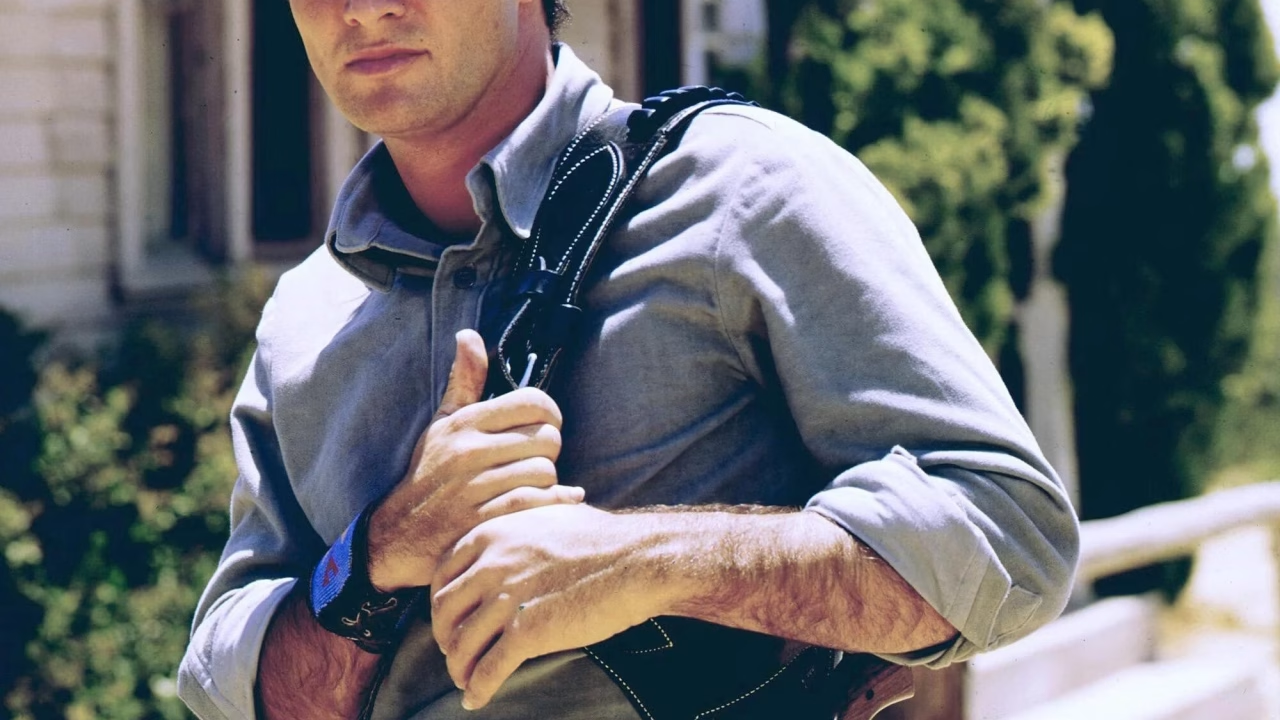
Burt Reynolds is remembered today as one of Hollywood’s biggest stars, but before films like Smokey and the Bandit and Deliverance, he gained national attention as Quint Asper on Gunsmoke. Reynolds joined the iconic Western in 1962 and quickly became a fan favorite thanks to his portrayal of the half-Comanche blacksmith. However, after just three seasons, he unexpectedly left the series, leaving many viewers wondering why his time in Dodge City came to an end.
The answer has less to do with behind-the-scenes drama and more to do with Reynolds’ growing ambitions as an actor. While many television stars stayed with successful series for years, Reynolds saw an opportunity to transition into films and expand his career. His departure ultimately proved to be a turning point that helped transform him from a television actor into one of the most recognizable movie stars of the 1970s.
Burt Reynolds Left Gunsmoke to Pursue a Movie Career
When Reynolds joined Gunsmoke, he played Quint Asper, a character created during a period of cast changes on the show. The role gave him valuable exposure, and he appeared in more than 50 episodes between 1962 and 1965. Sources, including MeTV and accounts from Reynolds himself, confirm that he left because he felt it was time to move forward professionally and pursue opportunities beyond television.
Interestingly, Reynolds originally had no intention of leaving. In fact, he once stated that it was a mistake for actors to abandon a successful television series in the middle of its run. However, as movie opportunities began appearing, his perspective changed.
One of the most famous stories about his departure involves co-star Milburn Stone, who played Doc Adams. Reynolds later recalled that Stone encouraged him to leave and focus on movies after noticing that his film career was gaining momentum. According to Reynolds, Stone told him it was time to think about his future in cinema, advice that ultimately convinced him to move on.
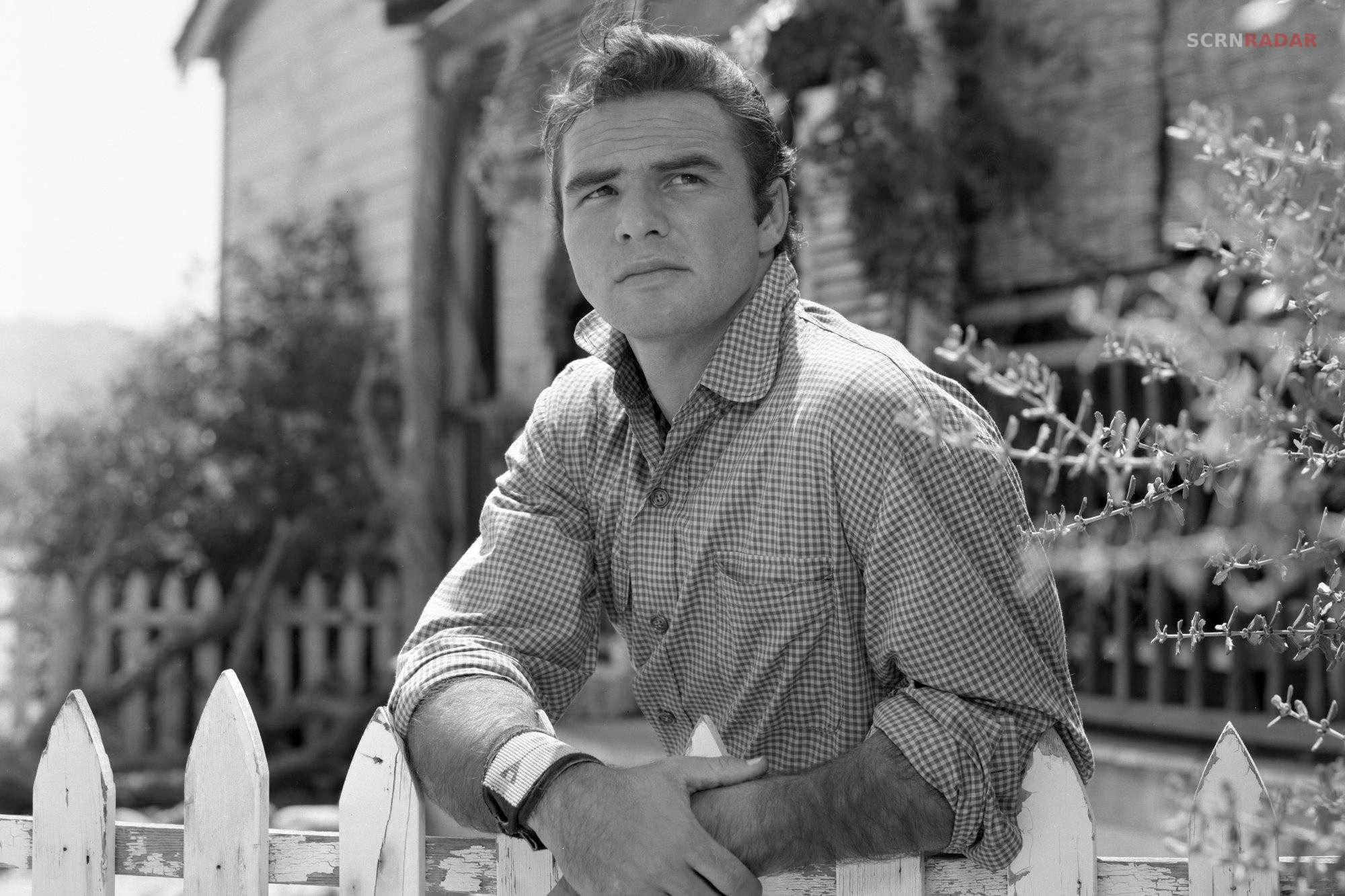
There Was No Major Conflict Behind the Scenes
Unlike some television departures that stem from disputes or contract disagreements, Reynolds’ exit from Gunsmoke was largely amicable. He later explained that he left with the blessing and support of his fellow cast members. The decision was not driven by personal conflicts or dissatisfaction with the series.
In later interviews, Reynolds spoke fondly about his years on the show. He described his time on Gunsmoke as one of the happiest periods of his life and expressed deep appreciation for the cast and crew. Even after becoming a movie star, he frequently looked back on the experience with affection.
Reynolds also believed he had learned everything he could from the role. He reportedly felt that he had completed his apprenticeship as an actor and was ready for larger challenges. That mindset helped shape his decision to leave a secure television job in favor of an uncertain film career.
What Happened to Quint Asper on Gunsmoke?
Quint Asper remained part of Gunsmoke through the end of Season 10. Unlike some television characters who receive dramatic farewells, Quint’s departure was relatively understated. After Reynolds left, the character simply disappeared from the series without a major sendoff.
Years later, the show briefly acknowledged that Quint had left Dodge City, but there was never a significant on-screen farewell episode. Fans have long viewed this as one of the few unresolved character exits in the show’s history.
In hindsight, Reynolds’ decision proved to be the right one. Within a few years, he was landing leading roles in films and television projects, eventually becoming one of Hollywood’s most bankable stars. While his Gunsmoke run was relatively short, it played a crucial role in launching a career that would span decades.