Few war films capture the scale, intensity, and personality of a military leader quite like Patton. Released in 1970, the film follows General George S. Patton as he rises through the ranks during World War II, leading American forces through North Africa and into Europe. What makes the film stand out is not just its storytelling, but how it visually immerses viewers in the environments where history unfolded.
From sweeping deserts to grand palaces, the film’s locations play a crucial role in shaping its authenticity. These settings were carefully chosen to reflect real wartime landscapes, helping audiences feel the scale of the conflict and the weight of Patton’s decisions.
The film also made history with its technical achievements. It was among the first movies released with Dolby Stereo sound, creating a more immersive viewing experience. Combined with powerful performances, especially by George C. Scott, the film went on to win multiple Academy Awards, including Best Picture. Its commercial success matched its critical acclaim, proving that audiences connected deeply with both the story and its presentation.
Where Was Patton Filmed? A Global Production
Unlike many war films that rely heavily on studio sets, Patton embraced real-world locations across multiple countries. The production spanned the United States, the United Kingdom, Spain, Morocco, Greece, and Italy. Each location contributed a unique visual identity that enhanced the film’s realism.
Spain, in particular, became a central filming hub. Its diverse geography allowed filmmakers to recreate everything from North African deserts to European battlefields. Morocco added cultural authenticity to scenes involving Allied forces in Africa, while Greece and Sicily provided historical depth.
This global approach is one of the reasons the film still feels expansive and grounded. Instead of relying on artificial environments, the filmmakers used real landscapes to mirror the unpredictability and scale of war.
The Famous Opening Speech Location
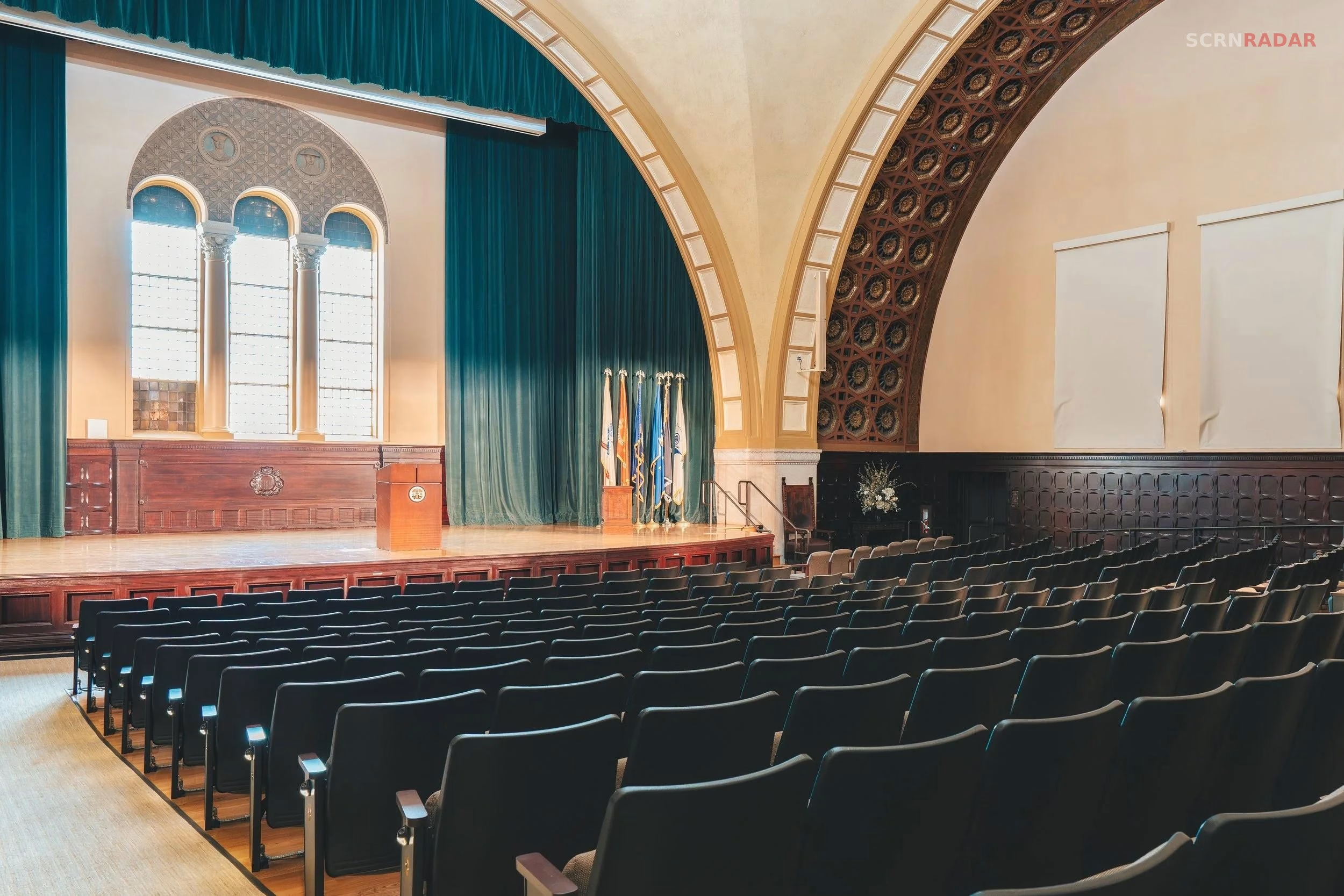
One of the most memorable scenes in Patton is the opening speech, where the general addresses American troops in front of a massive flag. This moment defines his character, establishing his confidence, discipline, and belief in unity.
The scene was filmed at Patriotic Hall in Los Angeles. This historic building has long been associated with veteran support and military history. Originally opened in 1925, it continues to serve as a hub for veteran organizations.
Using a real-world location tied to military heritage adds a subtle layer of authenticity. Even though the scene is stylized, the setting reinforces the film’s connection to real American history.
Morocco’s Royal Backdrop: A Meeting of Power
In one scene, General Patton reviews troops alongside King Mohammed V of Morocco. This moment highlights the cooperation between Allied forces and local fighters, including the renowned Goumiers.
The sequence was filmed at the Royal Palace of Rabat, also known as Dar al-Makhzen. Built in the 19th century, the palace remains an important political and cultural landmark in Morocco.
Its grand architecture and ceremonial setting perfectly reflect the importance of the scene. Rather than constructing a set, the filmmakers used a real palace, allowing the visuals to carry a sense of authority and historical weight.
The Desert War Atmosphere in Spain
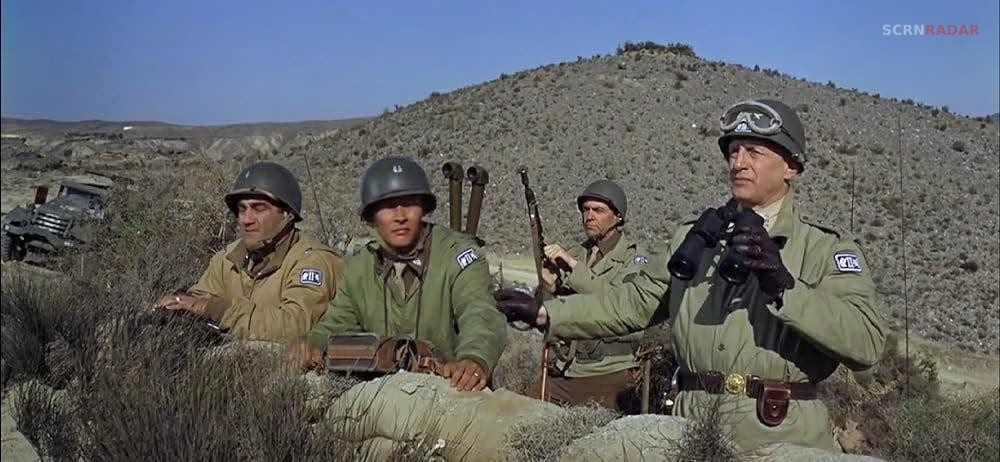
The harsh realities of desert warfare are captured in scenes that show soldiers dealing with extreme conditions. One memorable moment highlights the surprising cold of the desert, challenging common assumptions about such environments.
These scenes were filmed in Cabo de Gata. Known for its volcanic terrain, rugged cliffs, and dry landscapes, this region served as a convincing stand-in for North Africa.
Cabo de Gata’s natural beauty adds depth to the film. While it represents the brutality of war, it also showcases the striking contrast between human conflict and untouched landscapes. This duality enhances the emotional impact of the scenes.
Strategic Conversations in Madrid
After Allied victories in North Africa, strategic planning becomes central to the narrative. In a key scene, Patton and British Field Marshal Montgomery discuss their approaches to invading Sicily.
This moment was filmed at the Royal Palace of Madrid. One of Europe’s most impressive royal residences, the palace brings a sense of grandeur and historical continuity to the film.
Its ornate interiors and imposing structure visually reinforce the stakes of military decision-making. The setting elevates what could have been a simple dialogue scene into something far more impactful.
Ancient History Meets Modern War
In a reflective moment, Patton is shown approaching ancient ruins, symbolizing his fascination with history and warfare across civilizations. The scene suggests a connection between past empires and modern conflict.
Filming took place at Volubilis, a UNESCO-recognized archaeological site known for its well-preserved Roman ruins. The location adds philosophical depth, reminding viewers that war is a recurring theme throughout human history.
The visual of ancient stone structures against a vast terrain reinforces Patton’s belief in destiny and legacy, themes that run throughout the film.
The Final Scene and a Quiet Ending
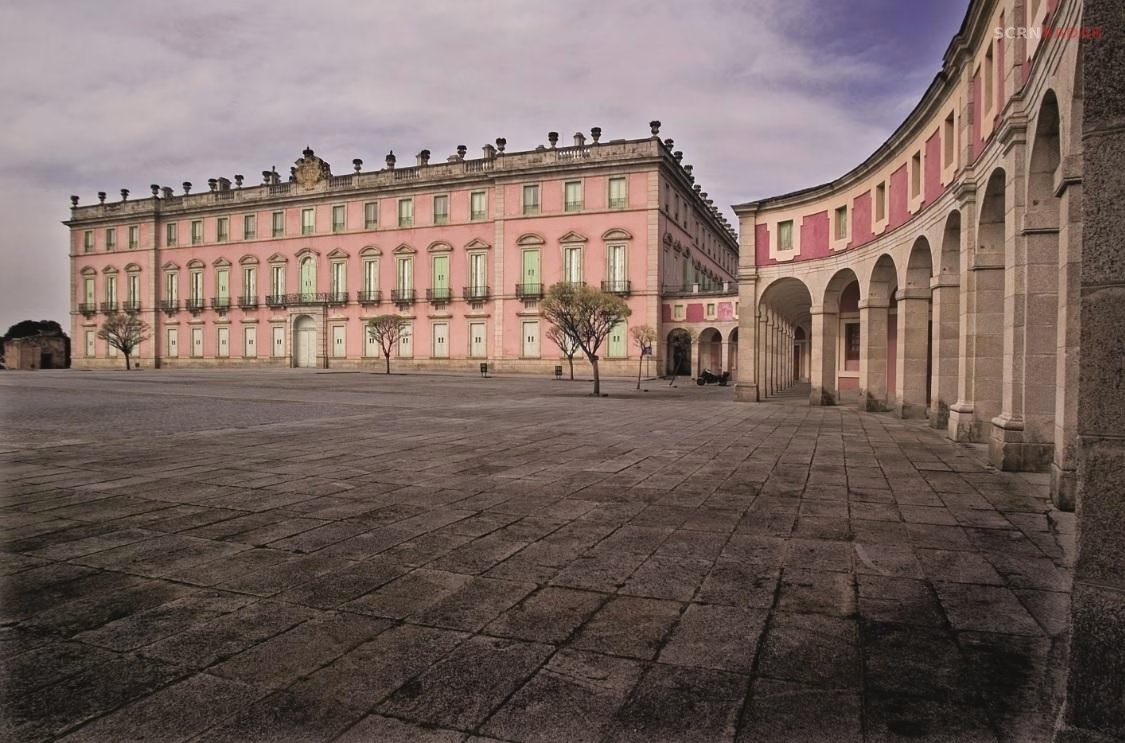
The film concludes on a quieter note, showing Patton walking his dog after the war. It reflects his complex personality and the consequences of his outspoken nature.
This scene was filmed at the Riofrío Royal Palace. Surrounded by forests and open land, the palace offers a peaceful contrast to the chaos seen throughout the film.
The calm environment mirrors the shift in Patton’s life, moving from battlefield leadership to a more uncertain post-war role. It’s a subtle but powerful way to end the story.
Why These Locations Still Attract Film Fans
The filming locations of Patton continue to draw interest from movie lovers and travelers alike. Each site offers more than just cinematic nostalgia. They provide a chance to experience real history, architecture, and landscapes that shaped one of Hollywood’s most respected war films.
From the deserts of Spain to the palaces of Morocco, these places serve as living reminders of both the film and the historical events it portrays. Visiting them allows fans to connect with the story on a deeper level, seeing firsthand the environments that brought it to life.
What makes Patton stand the test of time is not just its narrative or performances, but its commitment to authenticity. By filming across diverse and meaningful locations, the movie created a world that feels real, immersive, and historically grounded.
For anyone interested in war films, filmmaking, or history, exploring these locations offers a unique perspective on how cinema and reality can intersect in powerful ways.